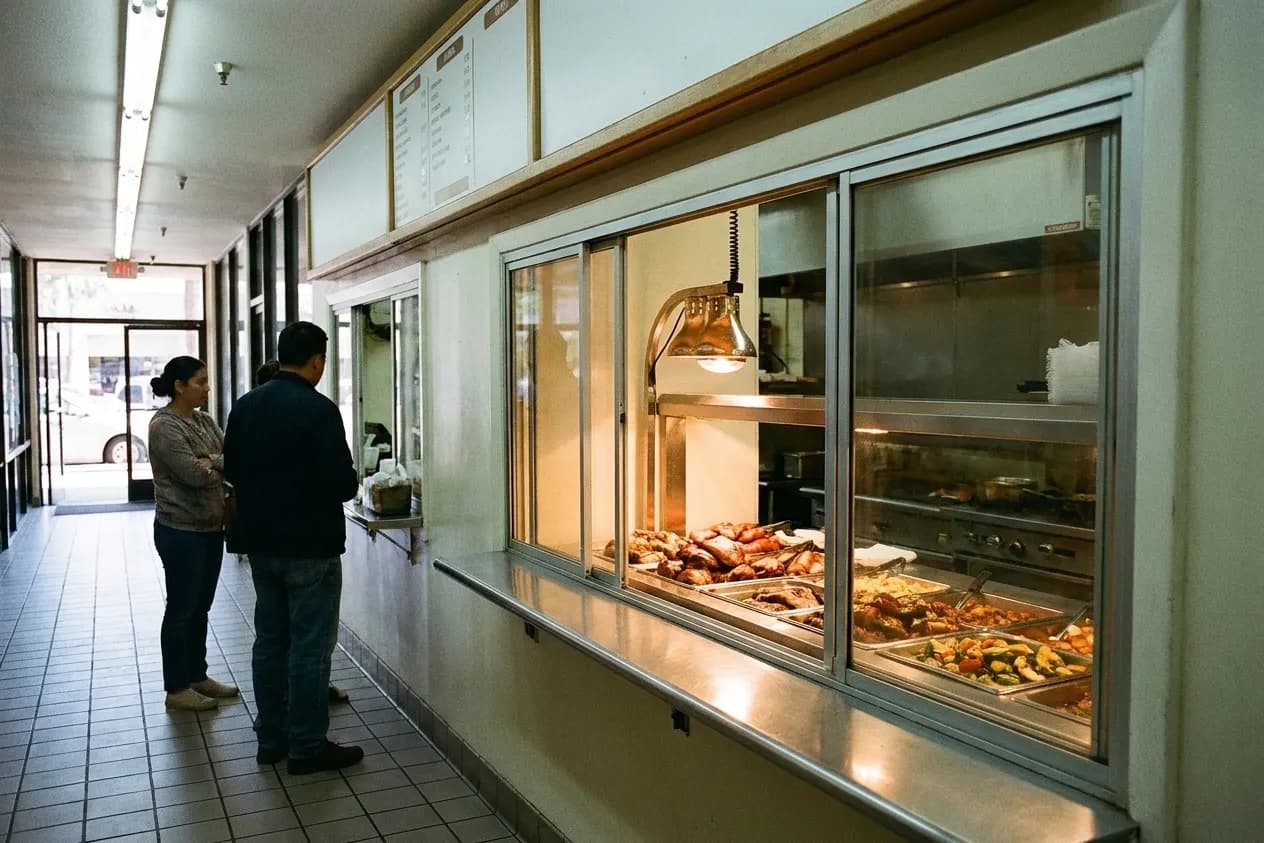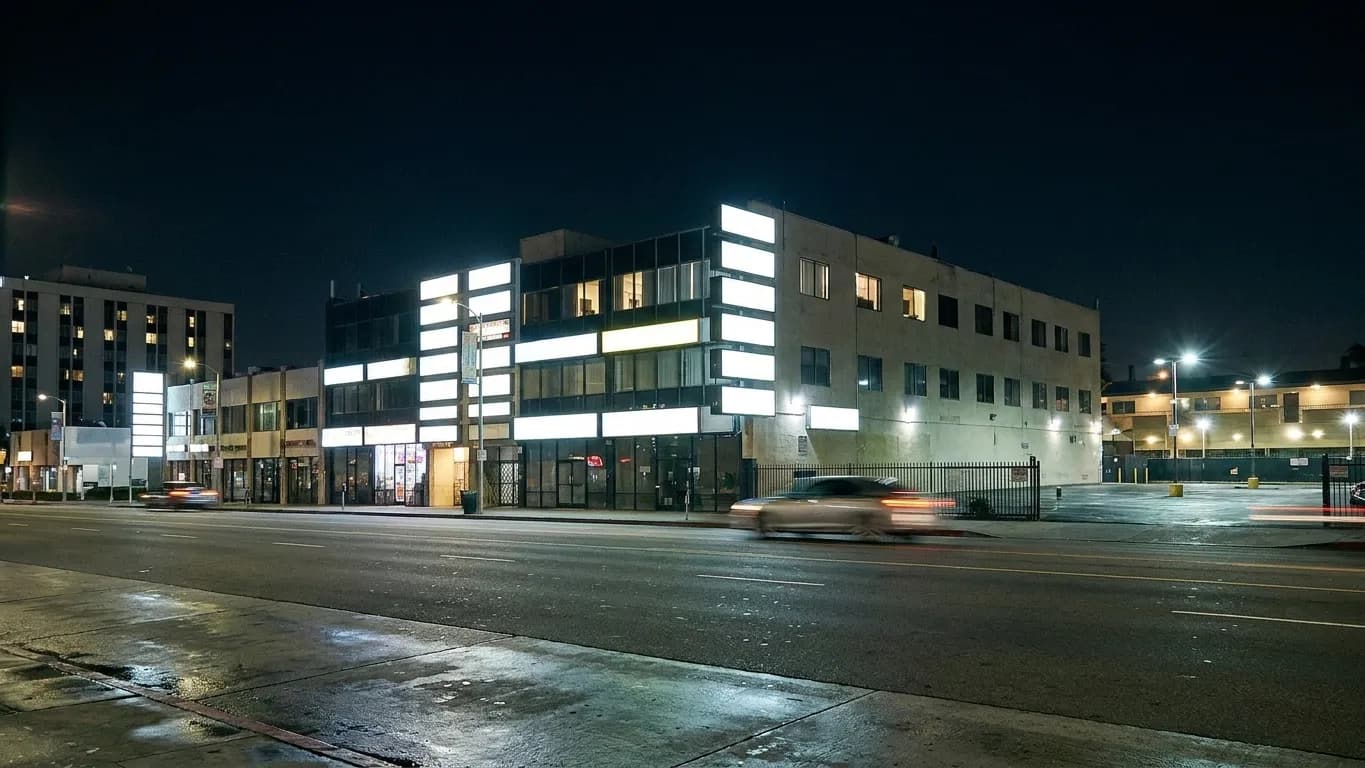
In most of Los Angeles, late-night food is a residual — whatever is left over after the city has closed. In Koreatown it is the main service. Kitchens here are staffed, stocked and busy at one in the morning because that is when a large part of the neighbourhood eats, not because they are stretching to catch stragglers. That difference in intent is why the food is better late here than almost anywhere else in the county.
Eating at one in the morning here is not a compromise, it is the neighbourhood operating normally, and the room you want depends on which part of the night you are in. Tell Karpo the hour and it will match it.
The night runs in three phases
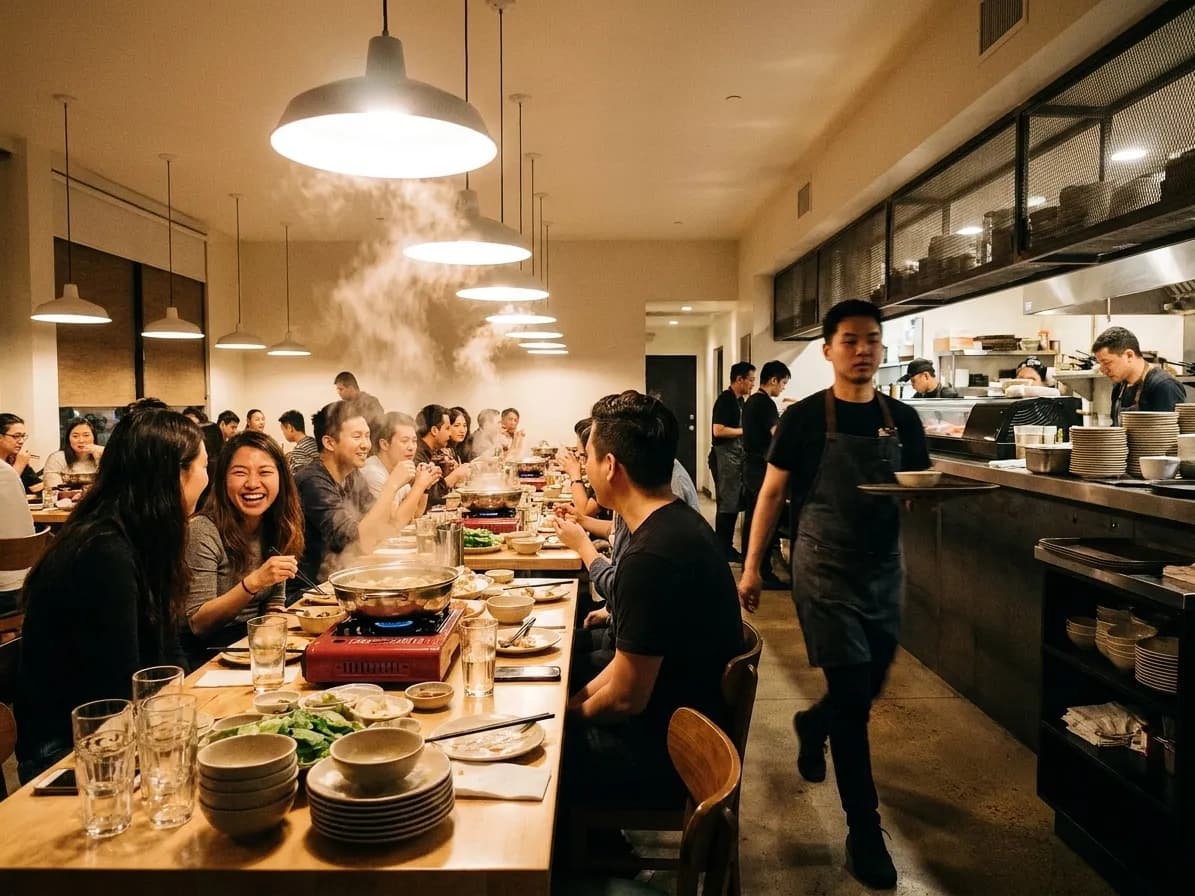
The neighbourhood's evening has a shape worth knowing. Roughly nine to eleven is dinner proper — families, groups, the grills going, the rooms at their fullest and loudest. Eleven to about one is the second wave: people arriving after work, after a bar, after a shift, ordering more food than drinks. After one it becomes a smaller, calmer service of soups, stews and the kind of eating people do when the night is ending.
Matching the room to the phase matters. Arriving at eleven for a quiet conversation is a mistake; so is arriving at two expecting a full grill service in a packed room. Each phase has its own kind of place, and the neighbourhood supports all three within a few blocks.
What holds up late, and what does not
The dishes that are best at this hour are the ones built for long cooking and shared eating: soups and stews that have been going all evening, braises, anything served in a pot at the table. They are consistent late because their quality does not depend on a line cook's precision at the end of a fourteen-hour day.
Grill service is the opposite. It is excellent at nine and increasingly variable at two, because it depends on staffing and on the meat being cut fresh. If you want a grill night, go earlier. If you are arriving after one, order the pot, the soup or the stew and you will eat considerably better.
Why the neighbourhood can do this
Two structural things make it work. The first is density — enough restaurants within a small area that late trade is spread across many kitchens rather than concentrated in one, so no single room is running a skeleton crew for a handful of tables. The second is a resident and working population that genuinely keeps these hours, which gives the kitchens a predictable late demand rather than an unpredictable one.
The consequence for you is reliability. A cluster of open kitchens means a closed shutter costs you a two-minute walk rather than the evening, which is not true anywhere else in Los Angeles at that hour. Choosing the neighbourhood first and the restaurant second is the right order of operations.
Practicalities that matter more after midnight
Parking gets easier as the night goes on, but the lots behind the plazas are the safe option rather than street parking, which is heavily signed and enforced early in the morning for street cleaning. Many of the busier rooms do not take reservations late and run a waiting list instead, which moves faster than it looks because turnover is high.
Groups are normal here and the rooms are built for them, but a party of eight arriving at 1am without warning will wait. Calling ahead, even fifteen minutes ahead, changes the reception considerably. Cash is still useful at some of the older rooms.
How to end up in the right room
Decide what phase of the night you are in before you decide what you want to eat. Early and social means a grill room with a big table. Late and hungry means a soup or stew kitchen with a counter. Very late and winding down means something small, hot and quiet. The neighbourhood has all three within walking distance of each other, which is the entire reason it is the default answer for late food in this city.
Hours here are longer than elsewhere but they still vary by day and change without notice, and the very late end of the range is the most volatile. Confirm before driving across town, and pick a block with several options.
Going alone at 1am
Much of this neighbourhood's late food is built around groups, which makes solo eating look harder than it is. The answer is the counter rather than the table: soup and stew kitchens, noodle rooms and the small storefront operations all seat single diners without ceremony, and several of them are at their best at exactly that hour.
Portion sizes are the thing to watch. A pot or a grill order assumes two or more people, while a single-serve soup or rice dish is designed for one and priced accordingly. Ordering within the format rather than around it is the difference between a good late meal and a table full of food you cannot finish.
Tags: #LosAngeles #LA #SoCal #HiddenGems #LocalFinds #OffTheBeatenPath #Koreatown #LateNight #LAEats #LAGuide #ExploreLA #LALocal #LAWeekend #LANights
Sources consulted: laist.com · eater.com · latimes.com
All trademarks are the property of their respective owners.
Ask Karpo first
Karpo is a proactive AI assistant that lives in iMessage. Tell it what time it is and it will find the right kind of late room.