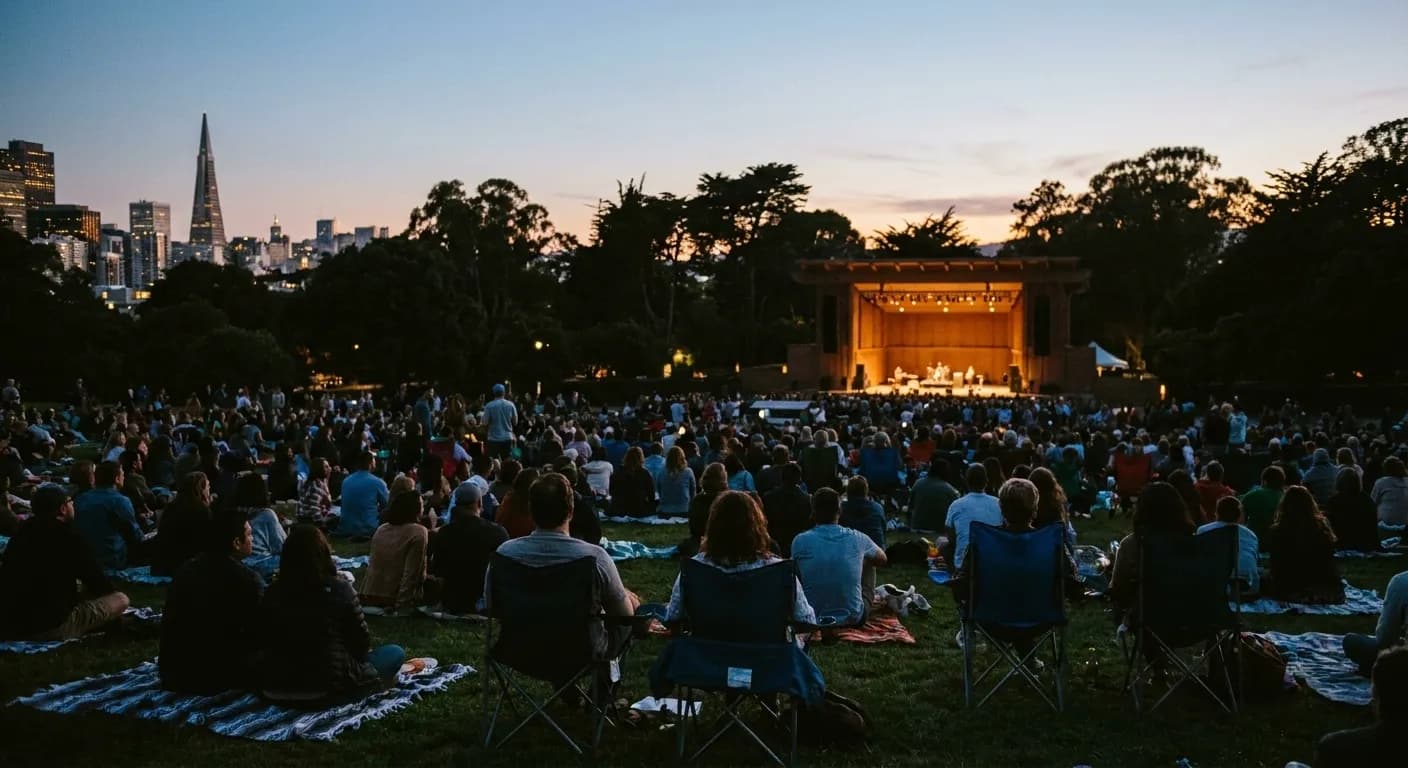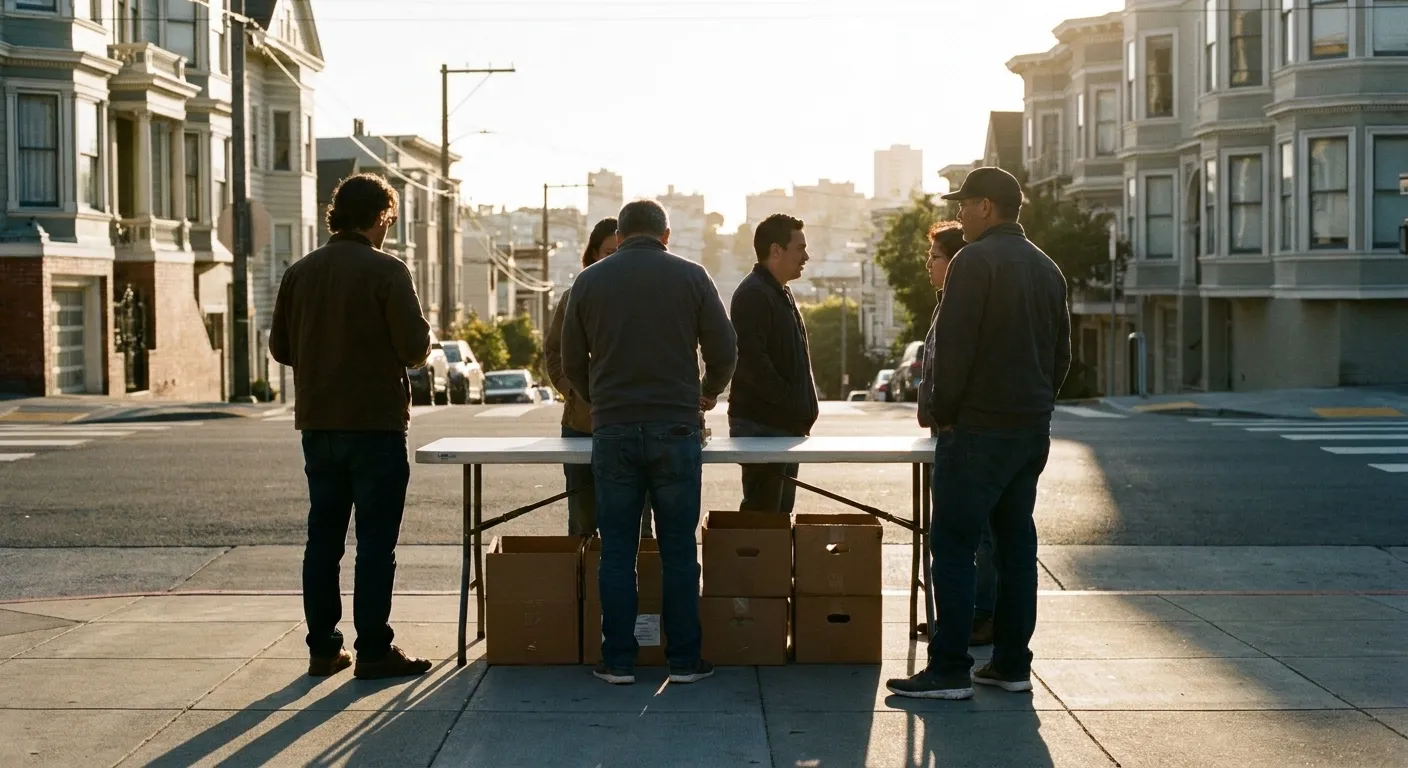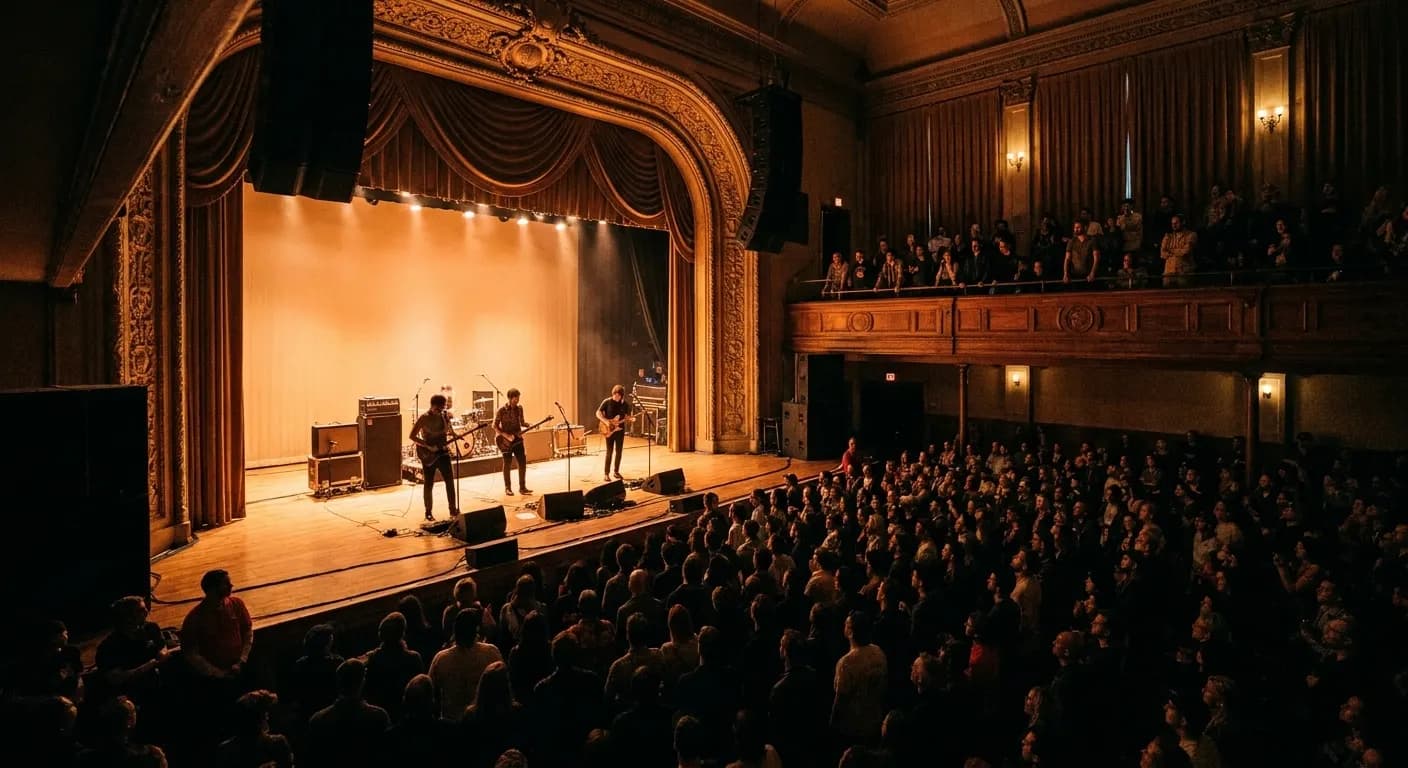
There is a version of this advice that says be patient and prices will fall, and it is roughly true but uselessly vague. The market for major events and tickets in San Francisco has a specific shape: resale inventory in this city is heavily concentrated among sellers who bought speculatively, and their tolerance for holding stock collapses at a predictable point. Knowing when that point is beats any amount of general patience.
Prices for the same seat move by the hour on the day itself. Ask Karpo what is on near you tonight and what the seats are actually going for.
The break usually comes on the day
For most non-sold-out events at mid-size and large rooms here, resale prices soften sharply somewhere between four hours and ninety minutes before doors. The mechanism is unglamorous: a seller holding a ticket that expires worthless will take almost anything late, and the platforms know this, which is why their own last-minute sections exist. The risk is obvious — you may end up with nothing — and the discount is real, frequently thirty to fifty per cent off the same listing that morning.
Sold-out shows behave in the opposite direction and it is important not to confuse the two. Genuine sell-outs get more expensive as the night approaches, because the remaining sellers know demand is captive. The signal to watch is whether the primary seller still has any inventory at all. If they do, wait. If they do not, waiting costs you money.
The platforms are not interchangeable
Fees vary enormously and are frequently hidden until checkout, which means the cheapest headline price is often not the cheapest ticket. The habit worth building is to carry two listings to the final screen before choosing, because a twelve per cent difference in the sticker can invert once fees land. This takes ninety seconds and is the highest-return ninety seconds in the process.
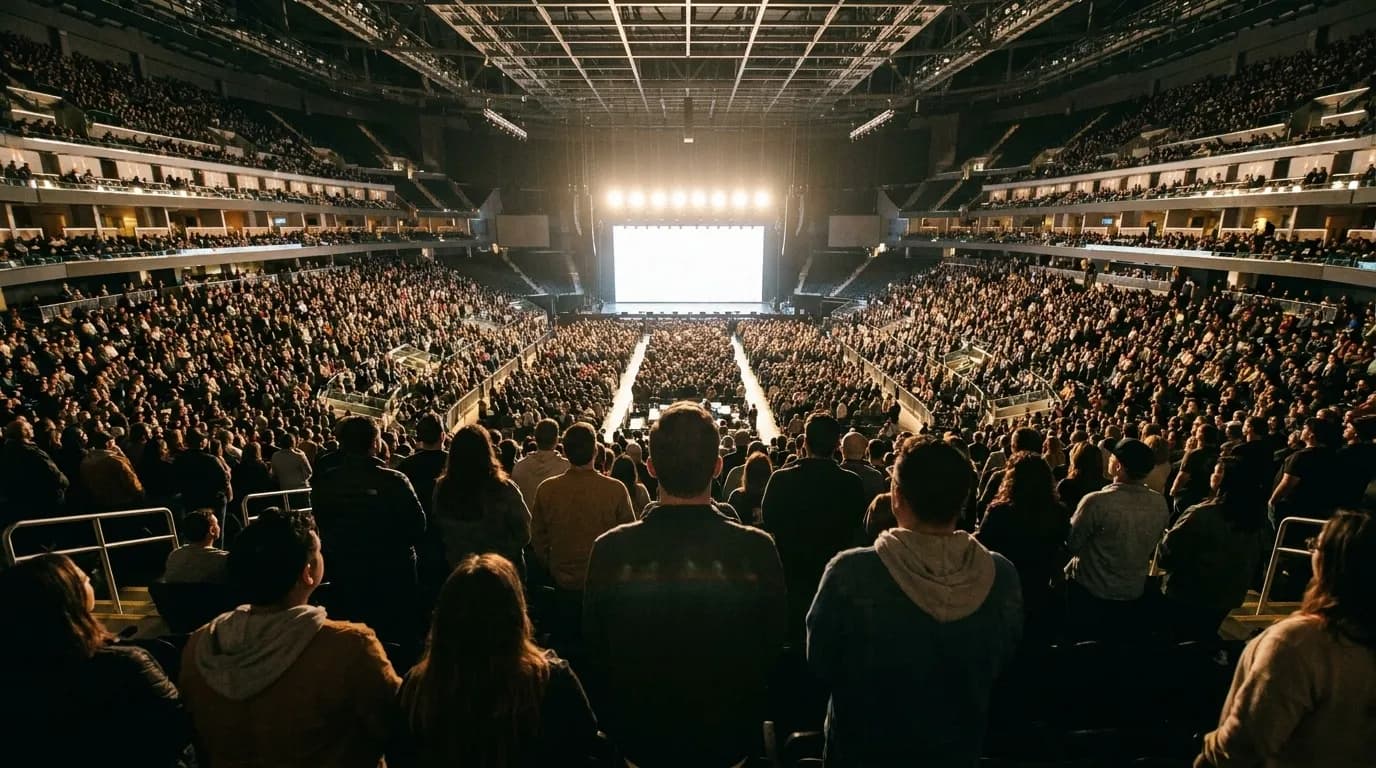
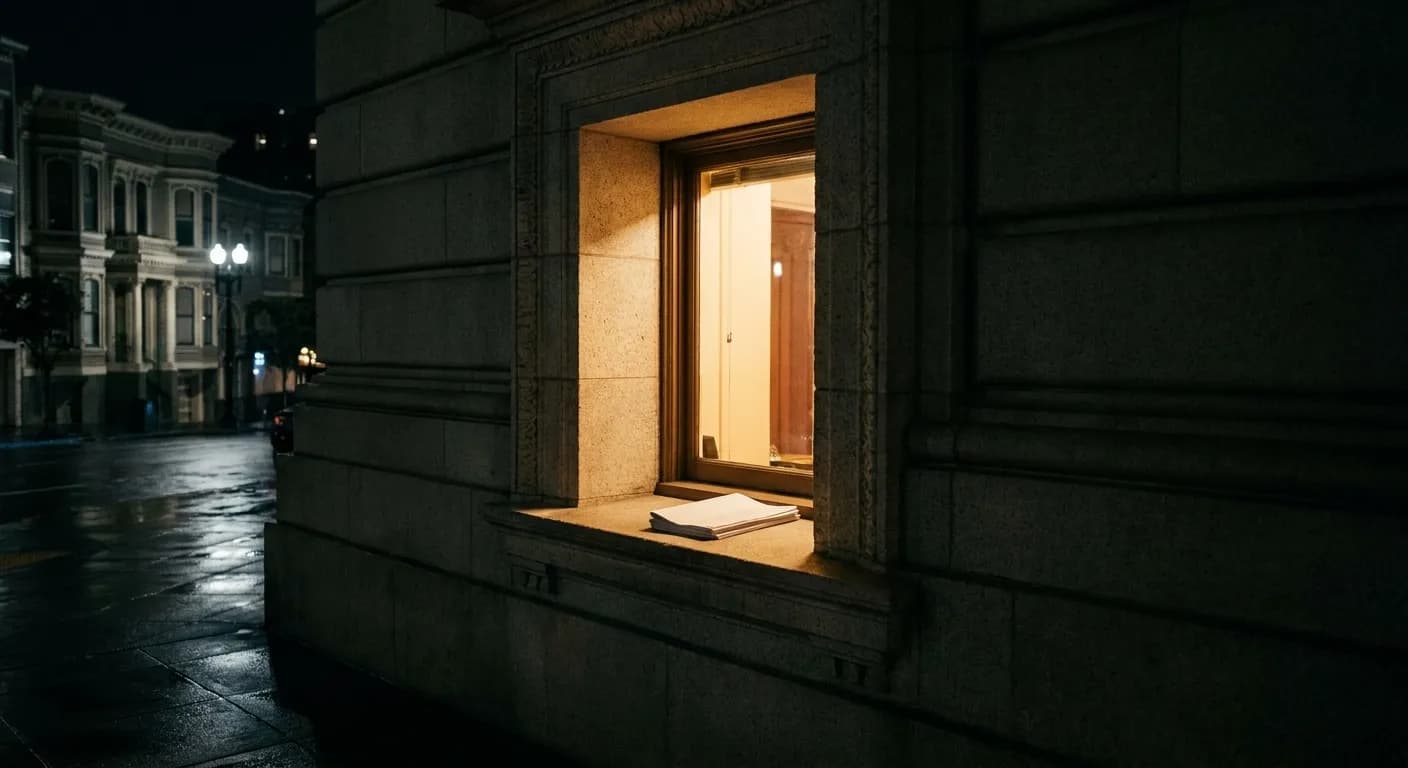
The second platform issue is inventory that never appears on the aggregators. Many venues in this city hold back a block for day-of sale through their own box office, at face value, and it does not surface in a search. A phone call or a visit to the venue's own site is the single most reliably underpriced route to a ticket here, and it is the one almost nobody takes.
The categories that discount and the ones that do not
Theatre, opera, ballet and symphony discount hard and openly. Rush tickets, standing room, under-thirty schemes and day-of lotteries are institutional policy at the big houses rather than a secret, and they routinely produce twenty-dollar seats in rooms where the face value is well over a hundred. This is the largest and most reliable source of cheap culture in San Francisco and it is chronically underused.
Touring stadium acts and playoff sport are the opposite. Those markets are efficient, heavily brokered, and the late discount either does not appear or appears for seats nobody wants. Treat any dramatic late drop on a marquee event with suspicion; it usually indicates an obstructed view or a restricted entry that the listing has not made obvious.
What to check before buying anything late
Three things, quickly. Whether the ticket is transferable — some are locked to the original purchaser and cannot legally be resold, which is the most common way people lose money late in the day. Whether the seat has a view restriction, which resale listings describe inconsistently. And whether doors have a hard cutoff, because a bargain ticket bought at the moment the room stops admitting people is not a bargain.
The other habit is checking the venue's own capacity behaviour. Several San Francisco rooms are general admission with a stated capacity that is rarely reached midweek, which means the door is a real option and the resale market for those nights is essentially theatre. Paying resale for a walk-up show is a common and entirely avoidable mistake.
Weeknights are the whole game
The cheapest version of nearly everything in this city happens on a Tuesday or a Wednesday. Touring acts play multiple nights, the midweek show sells slower, and the same production at the same venue can differ by half. If the specific date does not matter to you, filtering by night before filtering by price does more work than any negotiating tactic.
This is also where the city's own calendar helps. There is enough happening on any given weeknight that the correct posture is not to chase one event but to hold a shortlist of three and buy whichever one breaks first. That converts a frustrating search into a reliable one, and it is how most people who go out a lot here actually operate.
Membership and mailing lists beat the open market
A quietly important part of this city's ticketing works through channels that never touch a search result. Most of the larger institutions run a free mailing list that announces day-of releases before they are public, and several run low-cost membership schemes that pay for themselves in two visits. The economics are deliberate: institutions would rather fill a room at a discount through their own list than through a reseller who captures the margin.
The same is true of the smaller promoters. A dozen or so people book most of the interesting shows in this city, and following them directly gets you presale codes that materially change what is available. This is a fifteen-minute setup with a payoff measured in years, and it is the single largest gap between people who reliably get tickets here and people who do not.
Group bookings are the trap
Everything above is calibrated for one or two seats. Four or more together is a different market, because the late inventory that discounts is overwhelmingly singles and pairs — the leftovers of split blocks. Waiting for a price break with a group of six almost always ends in either paying full price late or splitting across the room.
If the group matters more than the seat, buy early and accept the price. If the event matters more than the group, buy late and tell people they are sitting apart. Trying to have both is the most common way people end up with neither, and it is worth settling before anyone starts refreshing a page.
Tags: #SanFrancisco #SFEvents #TicketsSF #LastMinuteTickets #LiveMusicSF #SFTheatre #RushTickets #BoxOffice #SFNightlife #ThingsToDoSF #WatchParty #BayArea #SFCulture
All trademarks are the property of their respective owners.
Ask Karpo first
Ask Karpo what is happening in San Francisco tonight, which of it still has tickets, and whether the box office is cheaper than the resale listing.