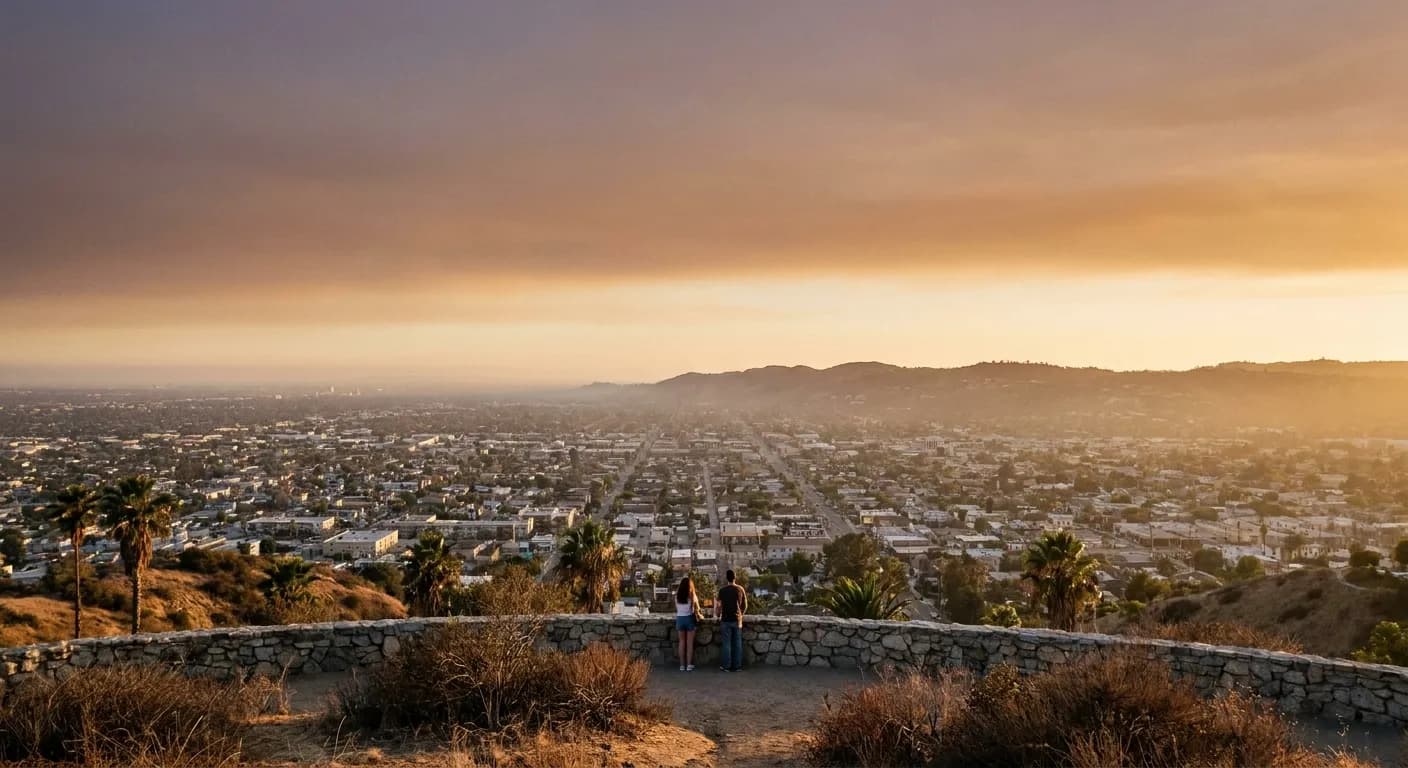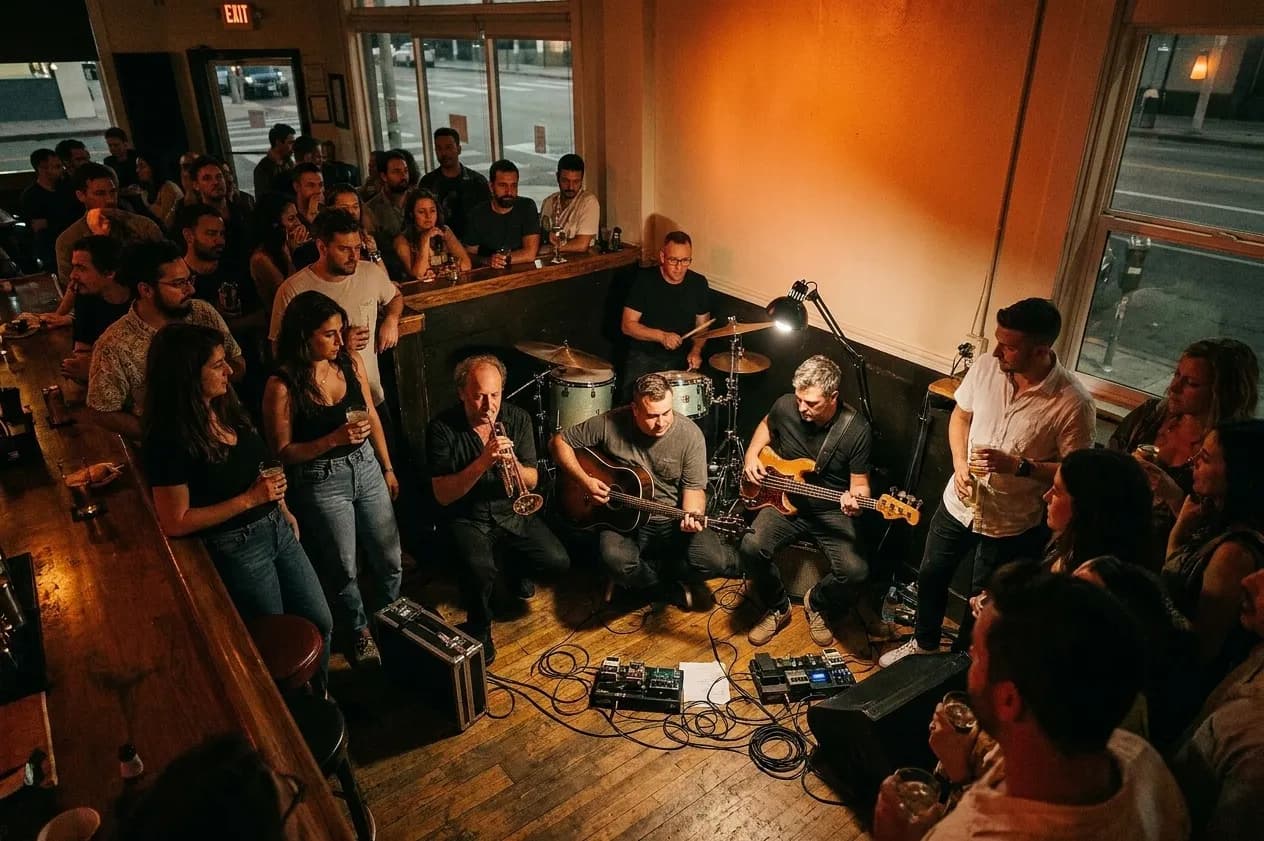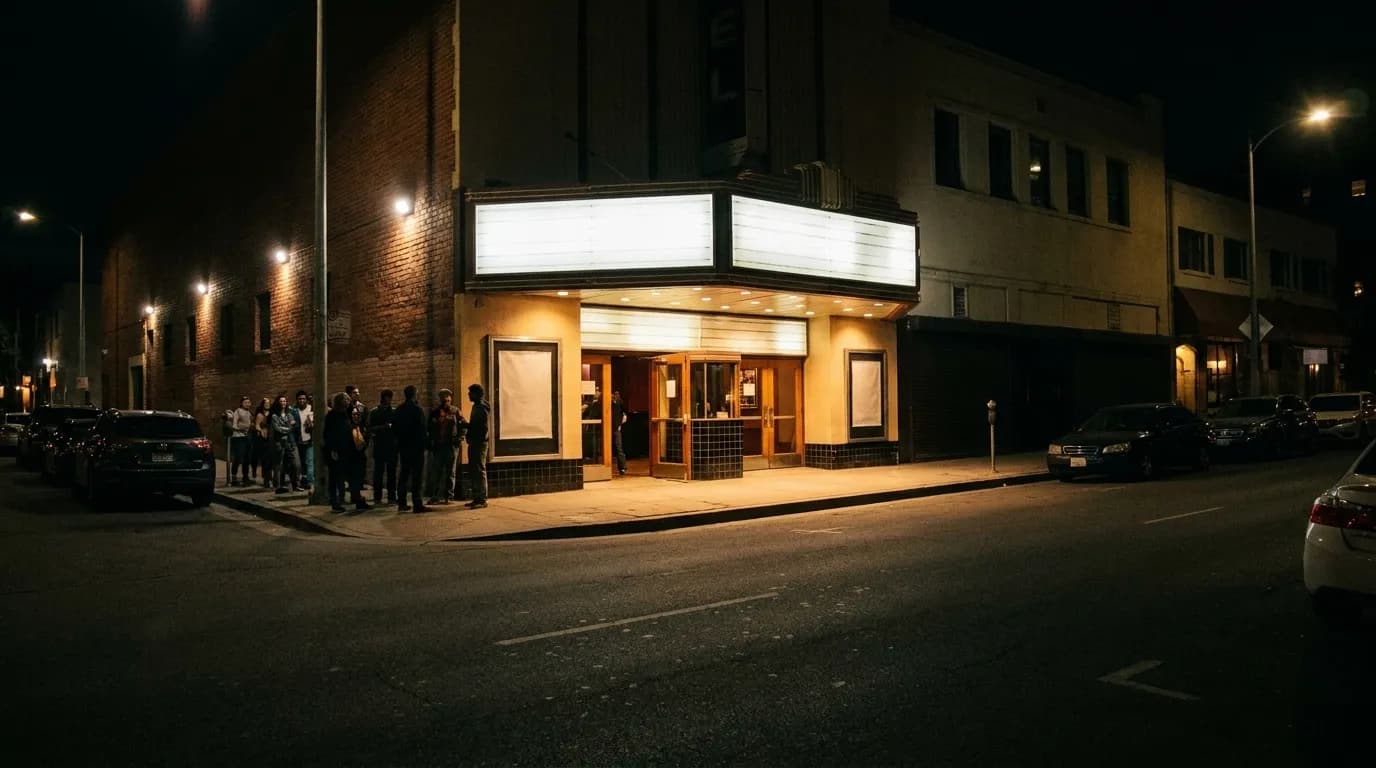
Almost everyone in Los Angeles has had the same experience: a show sells out within minutes, you give up, and then a friend posts from inside it. They did not know someone. They checked again on the day. The last-minute ticket market in this city is far larger than it appears, and most of it is invisible if you only ever look once.
Availability at this scale changes by the hour and resale prices lie about it. Ask Karpo what is on near you tonight and what still has face-value tickets.
Where late tickets come from
Every show holds back inventory that was never on sale in the first place. Production holds for sightlines and equipment that turn out not to be needed. Artist and management allocations that go unused. Guest list that does not get claimed. Promoter and sponsor seats. Those come back into general sale as the show approaches, typically in the final week and very often on the morning of the performance.
This is not a loophole; it is standard practice and the venues are not hiding it. The reason it feels like a secret is behavioural — people check once, see sold out, and mentally file the show as impossible. The entire trick is setting a reminder to look again three days out and again on the day.
Read resale prices sceptically
The most expensive mistake in this market is buying resale for a show that has face-value tickets available. Resale listings go up when the general sale closes and they do not automatically come down when the venue releases holds, so a show can simultaneously show four hundred dollars on a resale site and its normal price on the official page.
The order of operations is always the same: venue page first, official ticketer second, resale last and only if the show genuinely matters to you. On a mid-size room this takes under a minute, and it is the difference between paying forty dollars and paying two hundred for the same standing spot.
Which venues are worth checking
The mid-size tier has the best day-of odds, because a fixed number of holds is a much larger percentage of a small house than of an arena. The Bellwether, at 333 South Boylston Street with a capacity around 1,500, is the current benchmark room. The Teragram Ballroom on 7th Street holds roughly 600 standing. Lodge Room sits upstairs at 104 North Avenue 56 in Highland Park, and Zebulon is the smallest of the four.
There is a second reason to weight your search this way. At these capacities, the door is often still selling on the night, and the person on it can tell you in one sentence what a website cannot. Turning up at a 600-capacity room at nine o'clock and asking is a real strategy; turning up at an arena and asking is not.
There is one more category worth checking and it costs nothing: the standby line for free reservation-based events. Plenty of the city's free-but-ticketed programming releases unclaimed places at the door, and the queue for those is usually short because everyone assumes a reservation system means no walk-up. Turning up thirty minutes early and asking is frequently enough.
Sport works on a related but distinct cycle. Season tickets get resold individually by holders who cannot make a specific date, and that supply peaks in the last forty-eight hours before a game rather than at the on-sale. For a midweek fixture that nobody has built a weekend around, day-of prices in this city routinely fall below face value.
Theatre and comedy behave differently again. Both hold back house seats until close to curtain and both frequently run same-day rush pricing, often announced only at the box office or on a single social account. It is the least searchable corner of the market and the one with the widest gap between advertised and actual availability.
The habits that actually work
Three, in order. Set a calendar reminder for three days before any show you wanted and could not get — this alone will get you into a surprising number of them. Check the venue's own social accounts on the day, because that is where late releases get announced and it is faster than the ticketing page. And be willing to go alone or in twos, because single seats and pairs come back far more often than groups of four.
Two things not to do. Do not buy resale in the first forty-eight hours after a sale closes, when prices are at their most speculative and the holds have not moved yet. And do not assume a weeknight show behaves like a weekend one — midweek shows are easier at every stage, and a Tuesday version of the same touring act frequently never sells out at all.
It is also worth widening the definition of the thing you are trying to get into. If the specific show is gone, the same week almost always contains something comparable at one of those four rooms with tickets still on sale, and the weekly no-cover bar circuit costs nothing at all. The people who seem to always be out are usually not winning ticket races; they are simply less attached to one particular night.
Practical notes
Treat sold out as provisional. Re-check three days out and again on the morning of the show. Always check the venue page and the official ticketer before any resale site — listings there stay up at inflated prices after face value returns. Weight your search to the Bellwether, Teragram, Lodge Room and Zebulon, where holds are a bigger share of the house and the door still sells on the night. Go in ones or twos, and prefer midweek.
Tags: #LosAngeles #LATickets #LastMinute #LiveMusicLA #Bellwether #TeragramBallroom #LodgeRoom #Zebulon #LAEvents #DTLA #HighlandPark #GigsLA #DayOf #SeeAShow
All trademarks are the property of their respective owners.
Ask Karpo first
Missed the on-sale for something in Los Angeles? Ask Karpo whether the show has released holds, what the face value is versus resale, and what else is on the same night with tickets still available.