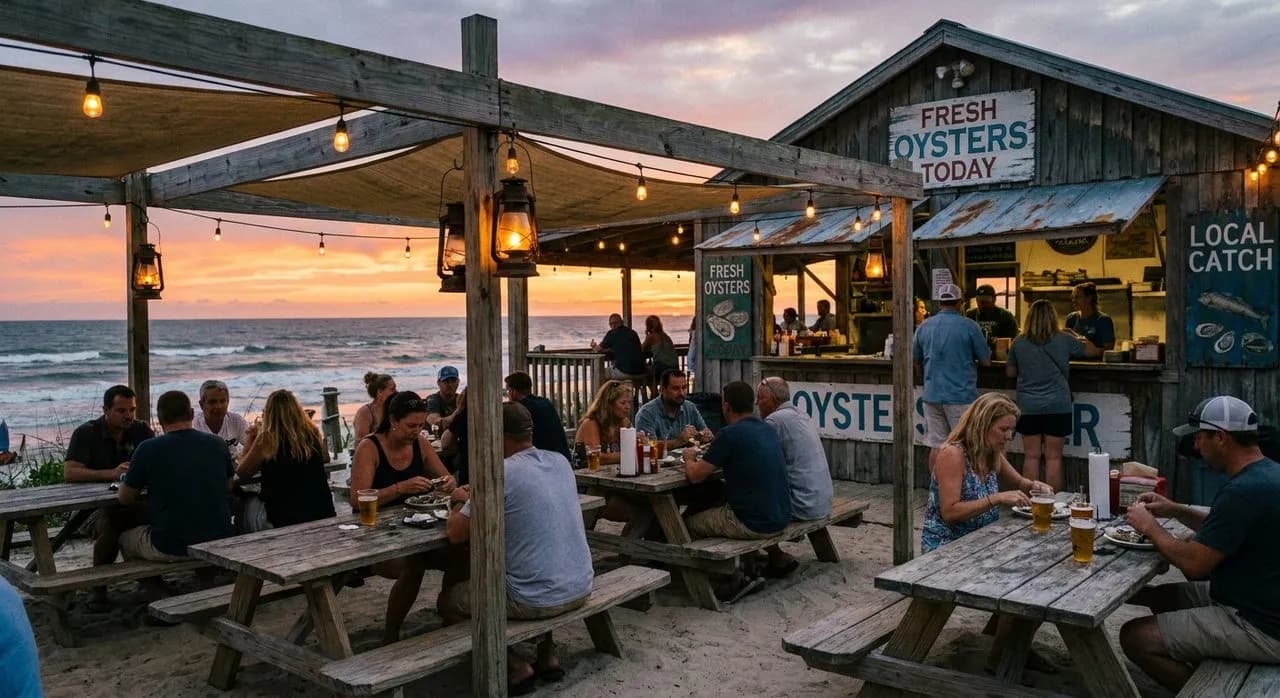
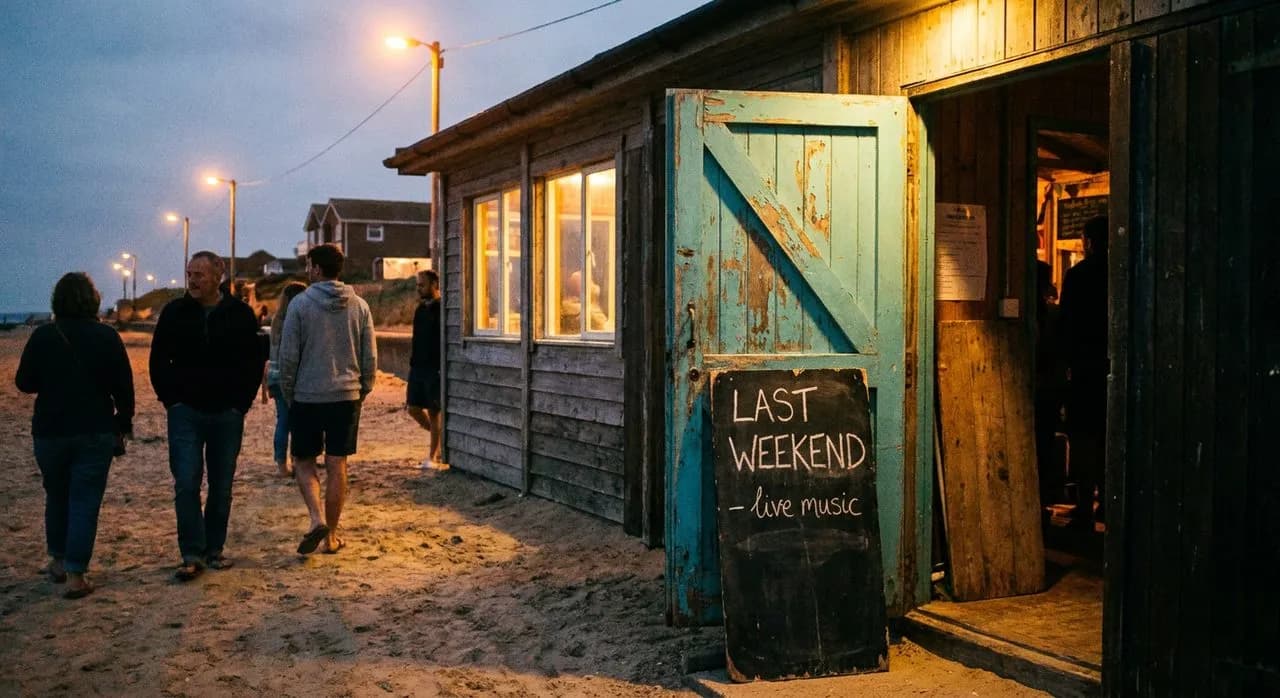
By late August, the regulars at the Rockaway Beach oyster shack already know. The chalkboard still lists the day's offerings—Blue Points, Wellfleets, whatever came in on the morning truck—but there's a different quality to the light now, a slant that says the season is winding down. The Tuesday after Labor Day weekend, the shack goes dark until next May. The grills get scrubbed, the picnic tables stacked, the oyster knives packed away. But before all that, there's one last weekend when the whole summer distills into three days of bivalves, cold wine, and the kind of sentimentality that only comes when you know something good is about to end.
The Rhythm of a Seasonal Closing
Seasonal closings have their own cadence in beach towns, and Rockaway Beach oysters follow a script that's part ritual, part practical necessity. The shack operates on the margins—literally and figuratively—perched close enough to the boardwalk that you can hear the waves between orders, far enough from the subway stop that only the intentional make the trip. When the temperatures drop and the crowds thin, the economics shift. Better to close well than limp through September with a skeleton crew and dwindling foot traffic.
The final weekend announcement goes up on social media in mid-August, a simple post that gets shared among the Rockaway faithful. No fanfare, just dates and a promise that they'll be back when the weather turns. It's the kind of transparency that builds loyalty. People plan around it now, blocking off the calendar, arranging beach house shares one last time, coordinating who's driving and who's taking the A train all the way out.
Dollar Oysters Around the Clock
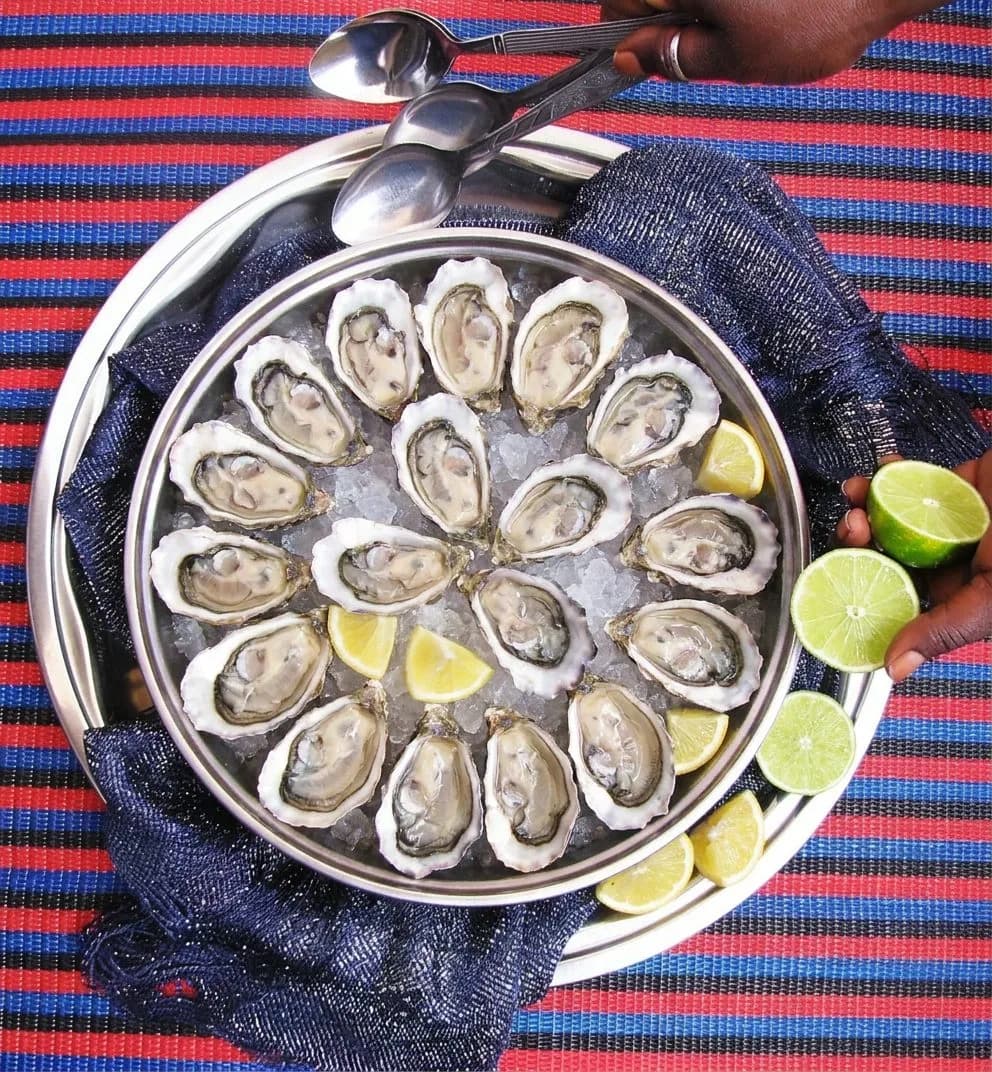
The deal that draws the weekend crowds is straightforward: Verify the closing-weekend oyster special and dates directly with the venue, a significant departure from the usual 3-6pm happy hour window. It's the shack's way of clearing inventory and saying thank you at the same time. By 11am Saturday, there's already a line forming, sunburned families mixing with Brooklyn transplants who made the pilgrimage specifically for this. The shuckers work in steady rhythm, knife tip finding the hinge, a quick twist, the top shell discarded into a growing pile that catches the light like a sculpture.
The extended window changes the vibe. Noon oysters hit different than evening ones—sharper, more bracing, the brine cutting through the salt air. By mid-afternoon the picnic tables are full, everyone drinking beer from plastic cups and debating whether the Kumamotos are worth the upcharge even at a dollar base. They're not on the discount, naturally. Some rules hold even during the farewell tour.
The Sunday Send-Off
Sunday is when the regulars show up with intention. The summer send-off starts at 4pm, and the draw is rosé marked down to eight dollars a glass instead of the usual fourteen, available until the cases run out. It's not the most elegant pour—this is still a shack with a liquor license, not a wine bar—but it's cold and dry and pairs well with the clams that come out in big communal bowls, garlic and white wine pooling at the bottom. By 4:30pm the crowd has that loose, golden-hour energy, everyone talking louder, laughing easier, already nostalgic for a summer that's still technically happening.
The Sunday ritual has become codified over the years, the kind of thing people mention when they're trying to convince friends to make the trip. It's not advertised beyond word of mouth and that one social post, which makes it feel exclusive even though anyone can come. The rosé runs out by seven, usually, sometimes earlier if it's a particularly hot day. After that it's back to beer and harder stuff, the mood shifting from wistful to celebratory as the sun drops behind the buildings on the inland side of the peninsula.
The Goodbye Dozen
On the final day of service—that Tuesday after the long weekend—the owner reserves a batch of Malpeques for the regulars who know to ask for 'the goodbye dozen.' It's not on any menu, not announced, just understood among the people who've been coming long enough to know the codes. The Malpeques are smaller, sweeter, with a cucumber finish that feels like the Platonic ideal of what an oyster should taste like. They're harder to source and the owner could charge more, but for the goodbye order they're priced the same as everything else that day.
You have to ask specifically, using those words. 'The goodbye dozen' triggers a nod from whoever's working the counter, and fifteen minutes later a server brings them out on a bed of ice, no mignonette, just lemon. It's a small thing, the kind of insider detail that makes regulars feel seen. By Tuesday afternoon the crowd is sparse—mostly locals, a few diehards who took the day off work. The energy is quieter, more intimate. People linger over their oysters, nobody rushing to the next thing because there is no next thing, not here, not until spring.
What Closing Season Means
The seasonal closing is baked into the Rockaway Beach identity now, part of the neighborhood's ongoing negotiation between summer playground and year-round community. When the shack shutters, it's a signal that the beach is returning to the locals, the rhythm slowing to something more sustainable. The same people who complain about summer crowds are the ones who show up that final weekend, unwilling to let it end without one last dozen.
There's a practicality to it, too. Oysters are at their best in cooler months—the old 'R month' rule still holds some truth—but the beach crowd thins too much to justify staying open. The shack could pivot to serving the neighborhood through fall, but that's not what it is. It's a summer place, and honoring that seasonality is part of the appeal. Scarcity builds desire. Absence makes the May reopening feel like an event.
Planning the Pilgrimage
If you're going to make the trip for closing weekend, plan accordingly. Saturday is the most crowded, Monday slightly more manageable. Sunday at 4pm is non-negotiable if you want the send-off experience, but arrive early if you want a table near the water. Bring cash—the card reader is temperamental and the ATM is three blocks away. Sunscreen, obviously, and a sweatshirt for when the wind picks up after sunset. The beach itself is free and gorgeous and worth the schlep even if the shack weren't there, so build in time to walk the boardwalk, watch the surfers, remember why people have been coming to Rockaway for generations.
Practical notes
The oyster shack is located on the Rockaway Beach boardwalk; verify the exact address and updated hours directly as seasonal operations can shift. Nearest subway: A train to Broad Channel, then the shuttle/connecting service or a longer walk to Rockaway Beach, then a walk toward the water. Limited street parking is available on surrounding blocks. The shack is outdoors with picnic-table seating; accessibility is boardwalk-level but surfaces are uneven. Closing weekend typically falls the Saturday through Tuesday after Labor Day; confirm dates via their social channels before traveling. Cash strongly recommended.
Tags: #RockawayBeach #OysterBar #SeasonalDining #NYC #LastCall #LaborDayWeekend #BeachEats #SummerSendOff #RockawayOysters #NYCFood #SeasonalClosing #Bivalves #BeachBoardwalk #RightOnTime #SummerFarewell
Please drink responsibly. Must be of legal drinking age.
Sources consulted: Rockaway Beach, Queens · Eastern Oyster · Rockaway Beach and Boardwalk · Oyster Bars in NYC · NY Times: New York
All trademarks are the property of their respective owners.