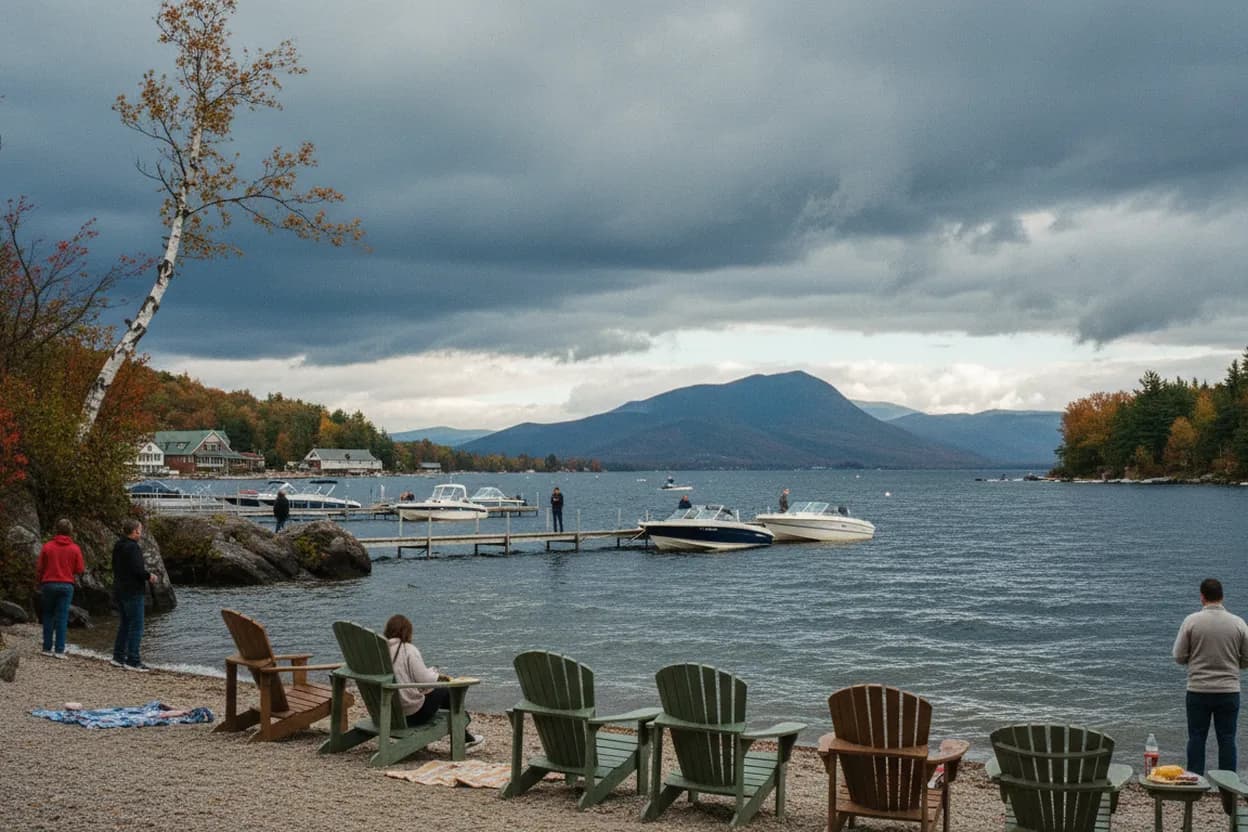
For New Yorkers seeking respite from the city's summer heat, Lake George remains a perennially popular destination, offering pristine waters and scenic vistas. However, a recent advisory from the New York State Department of Environmental Conservation (DEC) regarding potentially rabid beavers near Turtle Island serves as a timely reminder that even in seemingly tranquil natural settings, wildlife interactions require informed caution. This guide is designed for the discerning city dweller or visitor planning a trip to Lake George, shifting the focus from reacting to specific incidents to fostering a broader understanding of responsible engagement with the natural environment. It provides a structured approach to planning your aquatic adventures, ensuring both enjoyment and safety.
Want to craft a tailored Lake George itinerary with real-time updates and personalized recommendations for your trip? Text Karpo for a curated plan.
Understanding Current Advisories and Their Implications
The New York State Department of Environmental Conservation (DEC) issued a water safety advisory for Turtle Island on Lake George, specifically warning swimmers to avoid areas around campsites 1-5. This advisory, in effect through at least July 14, 2026, concerns the presence of one or more beavers that may be infected with rabies. While the immediate advisory may expire, its underlying message — the potential for unexpected wildlife encounters — remains relevant for all future visits.
For those planning to swim or boat in Lake George, understanding the specifics of any active advisories is paramount. The DEC continuously monitors wildlife activity and issues updates as necessary. It is crucial to check the most current information directly from the DEC or local park authorities before heading to any specific area within the Lake George Wild Forest, as conditions can change rapidly and local advisories may not always be widely publicized outside the immediate vicinity.
Recognizing Unusual Wildlife Behavior
A key aspect of responsible outdoor recreation is the ability to identify and respond to unusual animal behavior, particularly concerning rabies. The DEC emphasizes that the first sign of rabies is often a change in an animal's typical demeanor; affected animals may become unusually aggressive or tame, losing their natural fear of humans. This could manifest as a wild animal appearing unexpectedly friendly or, conversely, highly irritable and prone to attacking without provocation.
Beyond behavioral shifts, physical indicators of rabies can include frothing at the mouth, choking, convulsions, and the animal making unusual sounds. Should you encounter any animal exhibiting these signs, or any behavior that seems out of character for its species, it is imperative to maintain a safe distance and never attempt to approach or feed it. Promptly report such sightings to the appropriate authorities, such as the DEC at 518-623-1200.
Minimizing Conflict with Lake George's Wildlife
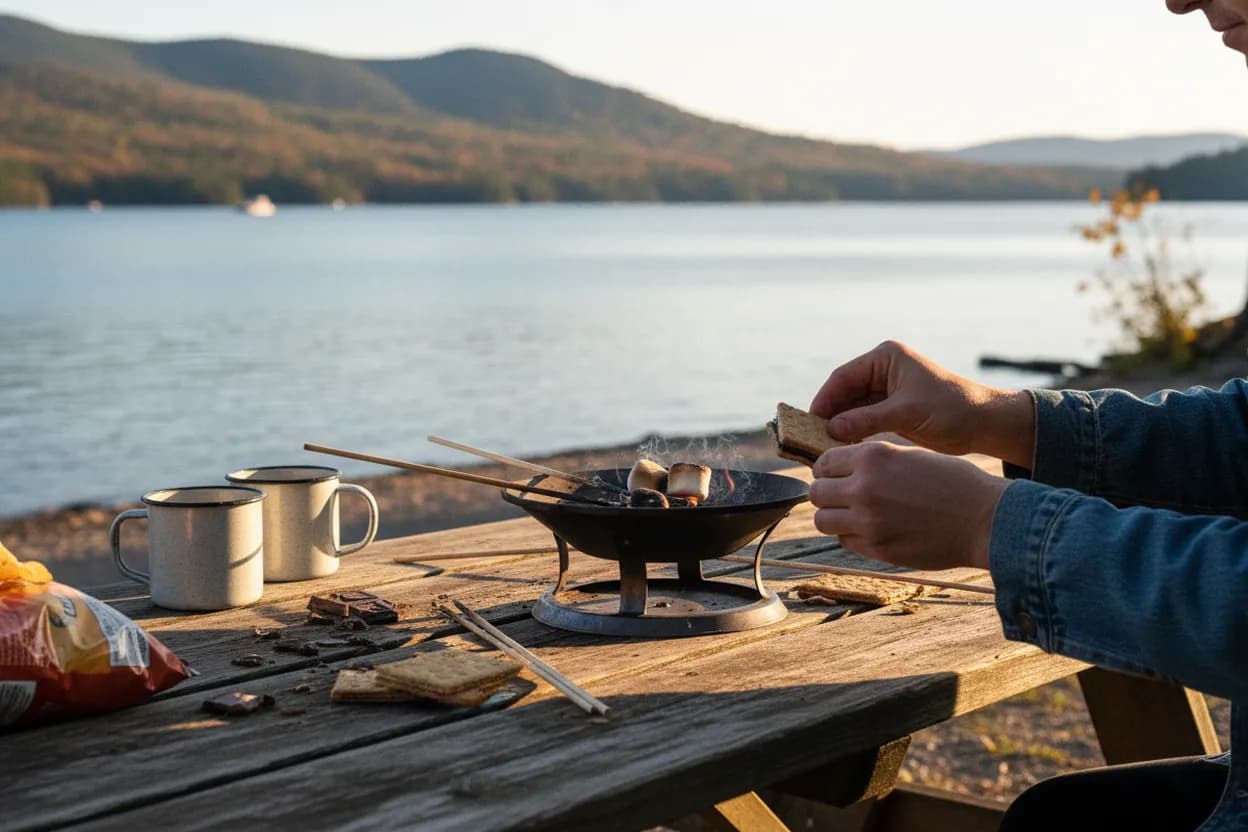
To minimize the potential for negative wildlife interactions, particularly with species like beavers, proactive measures are essential. This includes strictly adhering to the principle of never feeding wild animals, as this can habituate them to human presence and lead to aggressive behaviors when food is not provided. Properly securing all food items and disposing of waste in designated, animal-proof receptacles is also critical to prevent attracting wildlife to campsites and popular swimming areas.
When exploring natural areas around Lake George, such as Turtle Island, maintaining situational awareness is key. Be mindful of your surroundings, especially near shorelines, marshy areas, or dense vegetation where beavers and other semi-aquatic animals might reside. Giving wildlife ample space and avoiding any actions that could be perceived as a threat or provocation will significantly reduce the likelihood of an unwanted encounter.
Safe Swimming Practices Beyond Wildlife Concerns
While wildlife awareness is vital, comprehensive swimming safety at Lake George extends to other crucial considerations. Always swim in designated areas, ideally where lifeguards are present, and adhere to all posted rules and regulations. Even strong swimmers should consider swimming with a buddy, particularly in open water, and be aware of their own physical limits. Lake conditions, including water temperature and currents, can vary, and it is wise to assess these before entering the water.
Boaters and those engaging in water sports also share a responsibility for swimmer safety. Maintaining appropriate distances from swimming zones, operating vessels at safe speeds, and being vigilant for swimmers and other water users are non-negotiable. Furthermore, ensure all necessary safety equipment, such as life jackets, is on board and accessible, and that all individuals, especially children, wear them when appropriate for their activity.
Planning Your Lake George Aquatic Activities
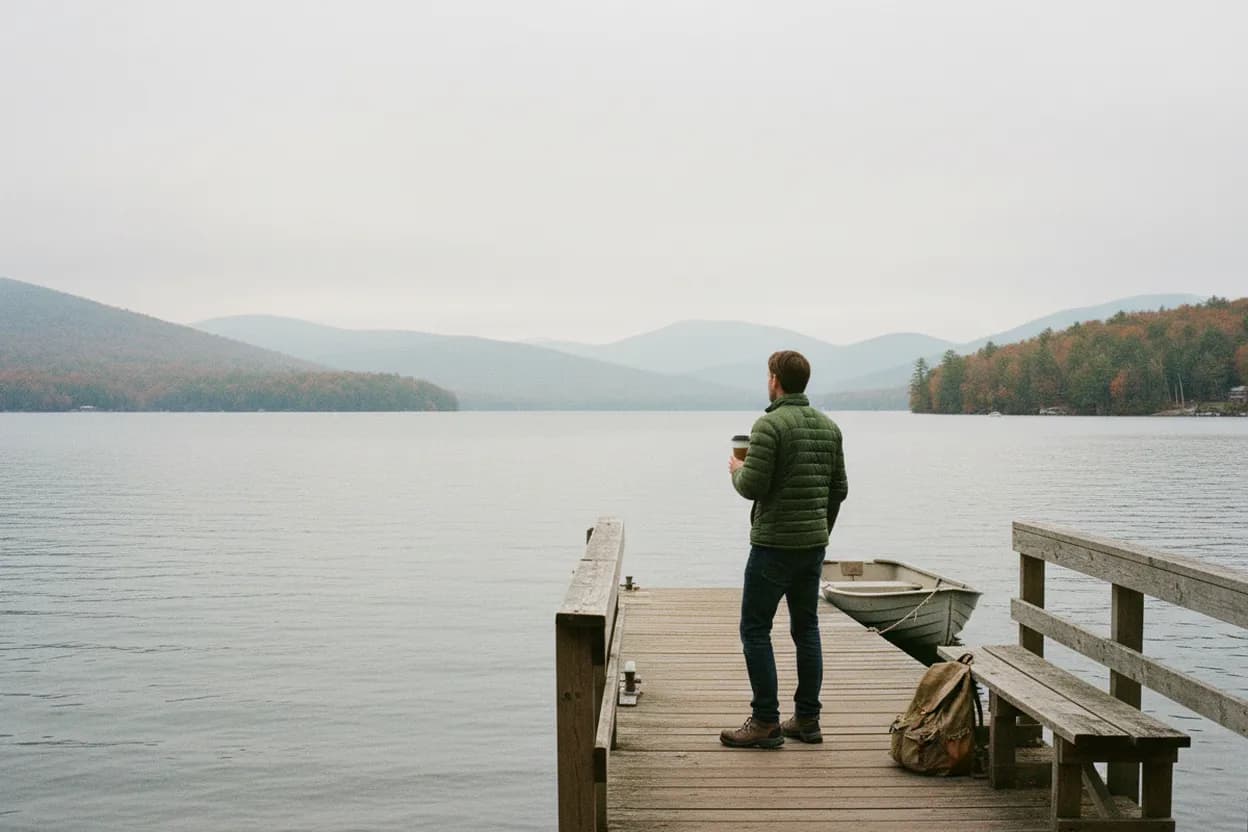
When planning your water activities at Lake George, consider the nature of your visit. If you're traveling with children, seek out family-friendly beaches that often have shallower entry points, more amenities, and potentially clearer water. For those interested in open-water swimming events, organizations like Lake George Open Water Swim host events, but these typically occur in August and require specific registration and adherence to their own safety protocols, which involve water safety personnel and motorboat pilots.
Beyond specific events, Lake George offers numerous opportunities for casual swimming, kayaking, and paddleboarding. Before launching, consult local regulations regarding personal watercraft and ensure you have all required permits or registrations. Be mindful that even popular spots can become crowded, especially during peak season, so consider visiting during off-peak hours or exploring less-trafficked areas if a more serene experience is desired, always prioritizing safety and official guidance.
Reporting and Emergency Protocols
Knowing how to report unusual animal behavior or an emergency is a critical component of any outdoor plan. For non-emergency wildlife concerns, such as a beaver displaying strange behavior, the DEC can be contacted at 518-623-1200. This number allows authorities to investigate and take appropriate action, potentially mitigating risks for other visitors.
In the event of a direct wildlife attack, suspected rabies exposure, or any other immediate danger, calling 911 for emergency services is the primary course of action. Additionally, the NYSDEC Dispatch can be reached at 518-897-1326 for emergencies specifically related to environmental conservation matters. Prompt reporting ensures that medical attention can be sought if needed and that wildlife management professionals can respond swiftly to protect public safety.
Essential Pre-Trip Verifications for NYC Visitors
Before departing NYC for Lake George, a few critical verifications will streamline your trip. Always check the official New York State Department of Environmental Conservation (DEC) website for the latest advisories specific to Lake George and the Lake George Wild Forest. These advisories are dynamic and can change based on ongoing monitoring and new incidents. Do not rely solely on past reports or general news; direct sources are best.
Additionally, if you plan to visit a specific beach, campsite, or recreational area, verify their operational status, hours, and any site-specific rules directly with the venue or park management. This includes checking for any localized closures due to water quality, staffing, or construction. Finally, while not always necessary, considering travel insurance for unexpected cancellations or emergencies is a prudent step for any extended weekend getaway.
Tags: #LakeGeorge #SwimmingSafety #WildlifeAwareness #DECAdvisory #RabiesPrevention #NYCWeekend #AdirondackAdventure #OutdoorSafety #TravelSmart #WaterSafety #NatureEtiquette #PlanAhead #AskKarpo #BeforeYouGo
Sources consulted: Source 1: hudsonvalleycountry.com · Source 2: newsbreak.com · Source 3: lakegeorgeswim.com · Source 4: adirondackexplorer.org
All trademarks are the property of their respective owners.
Ask Karpo first
Tell Karpo your date, group size, budget, and starting neighborhood. We’ll check current access, timing, transit, and the cleanest plan for Lake George before you head out.