 Burbank Film Memorabilia Collector Shop Walk: Studio Stash
Hidden Gems & Odd Finds
Feldmar Watch repair shop: Free Intake for Luxury Timepieces
Feldmar Watch Company at 9000 W Pico Blvd offers luxury watch repair in Los Angeles. Learn what to bring, ask, and expect before leaving a valuable timepiece.
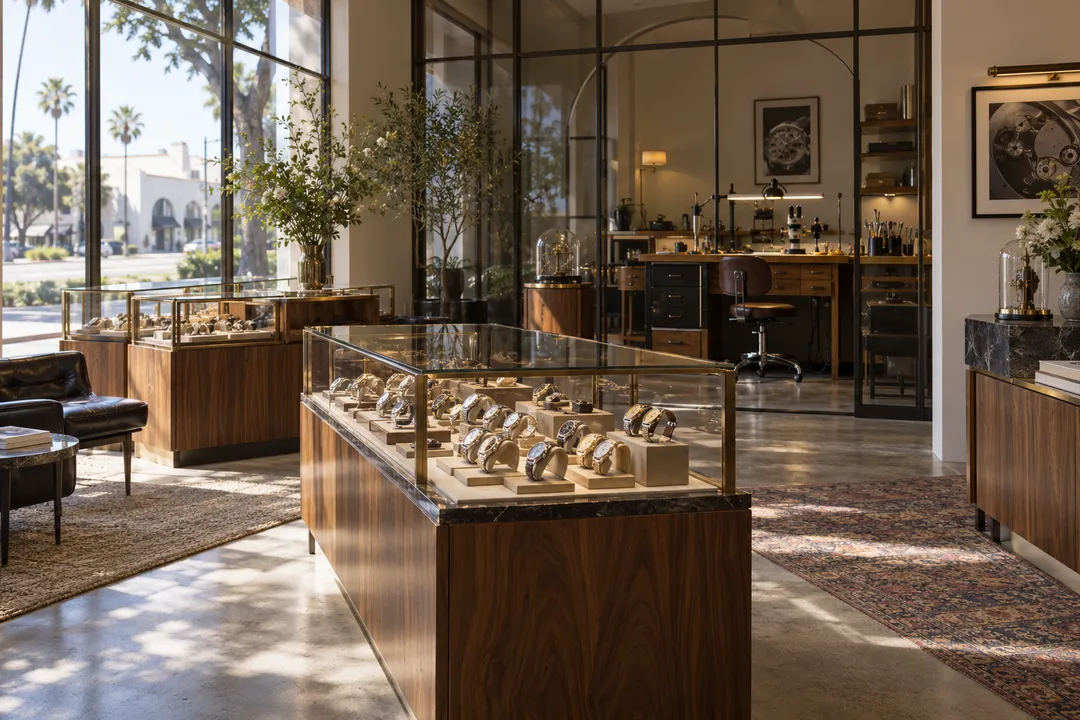
Feldmar Watch Company is at 9000 W Pico Blvd in Los Angeles, in the Pico-Robertson neighborhood. For a watch repair shop visit, the useful first move is to explain the symptom and the watch’s history rather than arrive with a vague request for a quick fix. Bring the watch, its papers, and enough time for a proper intake. The official site is feldmarwatch.com.
Begin With Condition
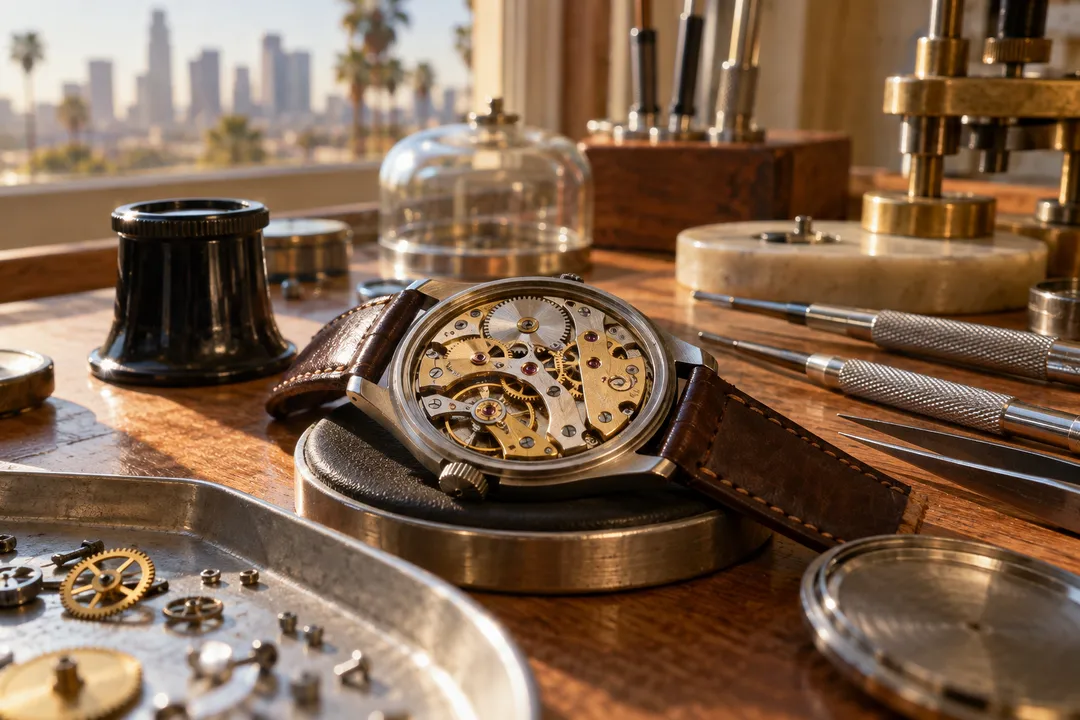
Before leaving home, photograph the dial, caseback, bracelet, and any existing marks. Note when the watch last kept time normally, whether the crown feels rough, and whether the date changes correctly. Those observations give the staff a baseline without pretending to diagnose the movement yourself. A small pouch is safer than a loose pocket, especially when the watch has a delicate crystal or an easily scratched clasp.
The most useful service conversation separates mechanical symptoms from appearance choices. Tell the staff whether the watch is daily wear, inherited, recently purchased, or part of a collection. If preserving the original surface matters, say that before anyone discusses polishing. For a vintage piece, the owner’s priorities can be as important as the fault itself: dependable running, historical originality, water resistance, or a cleaner presentation are different goals.
Questions Worth Asking
Ask what the inspection will cover and how the estimate will separate movement work, replacement parts, sealing, and cosmetic decisions. If the watch has stopped after water exposure, mention that immediately and do not keep winding it to test the result. If the symptom is intermittent, write down when it appears. A clear brief helps the watchmaker evaluate the actual problem instead of chasing the owner’s first theory.
Service timing depends on the watch and the scope, not on the label watch repair shop alone. A strap or simple battery matter can be very different from a mechanical overhaul, a chronograph issue, or a restoration question. Ask what happens after the first inspection, when the next contact will come, and whether approval is required before parts or extra labor are added. That process is more useful than an unsupported same-day promise.
Choose Preservation Over Guesswork
One honest judgment: do not approve polishing automatically just because the case looks tired. Original edges, bevels, hallmarks, and surface wear can carry information about a vintage watch. If the watch is valuable because it remains original, ask Feldmar to distinguish essential functional work from optional refinishing. Conversely, if the goal is reliable everyday use, say so plainly. The right scope depends on the owner’s intended use, not a universal idea of perfection.
A good intake also records what belongs with the watch. Bring loose links, the original buckle, warranty documents, and any previous receipt that identifies a service or parts change. Keep unrelated jewelry at home. If the watch includes a complicated clasp or precious-metal bracelet, ask that those pieces be described separately on the intake record. Written detail prevents a multi-part handoff from becoming a memory test later.
A Pico-Robertson Pause
Pico Boulevard gives you a practical buffer after drop-off. Plan a short neighborhood walk rather than waiting anxiously at the door: stay on the boulevard, take a coffee break, or use the time to write down the promised contact method and questions you forgot at the counter. The point is not to invent a tourist itinerary; it is to leave the service conversation with a calm record of what happens next. A short walk is also a useful reset after discussing an expensive repair. Write the exact phrase the staff used for the problem, the date of the promised update, and whether the estimate is preliminary or ready for approval. If someone else will collect the watch, ask what identification or receipt they should bring. These small logistics matter when a service takes longer than a coffee break and keep a careful owner from relying on memory. The neighborhood buffer can also help you notice what the repair conversation did not answer. Before you leave, confirm whether the shop will call, email, or expect you to follow up; write down the contact name if one is offered. If you are comparing a repair with a replacement watch, ask what evidence would change the recommendation. A movement symptom, a damaged case, and a tired bracelet are separate decisions. Keeping them separate prevents a repair estimate from becoming an accidental shopping conversation. If the watch belongs to someone else in the family, take a photograph of the intake paperwork so everyone hears the same scope. That is especially useful when the owner is traveling or when an heirloom will be worn by a different person after service.
If the visit is urgent, decide what would make you pause before approving work. Water inside the case, a loose crown, a cracked crystal, or a watch that stopped after impact deserves a careful explanation. If the issue is cosmetic only, you can usually take more time. A useful backup plan is to leave with the watch protected and the diagnosis pending rather than accept a package whose purpose you cannot explain.
Practical Notes
Use the official Feldmar Watch Company website before traveling, and keep the address as 9000 W Pico Blvd, Los Angeles, CA 90035 in your notes. The watch repair shop is a physical handoff, so call or contact the business if the job involves a valuable, fragile, or non-running watch. Do not assume a posted retail schedule answers a specialist-service question; ask how intake is handled for your particular piece.
At collection, test the functions discussed at intake: winding, setting, date change, chronograph operation if relevant, clasp security, and the feel of the crown. Compare the watch with the condition recorded at drop-off. Ask what care protects the work and save the receipt with the service history. A repair is easier to evaluate when the owner checks the agreed functions instead of relying on a quick glance under the showroom lights. If the watch comes back with a changed strap, clasp, crystal, or crown, compare those details with the intake note before leaving. Do not wait until the next day to report that a function feels different. Ask for the recommended winding or wearing routine, whether the watch should avoid magnets or water, and when the next check is sensible. A useful service history records not only the repair, but also how the repaired watch should be treated. Collection is a second intake, not a quick pickup. Give yourself enough time to inspect the watch in a calm place, ideally before crossing a busy street or returning to work. Confirm that the time-setting action, date change, winding feel, and bracelet or strap fit match the agreed work. If the watch was opened, ask whether the service included any water-resistance test and what that result means in ordinary wear. Do not infer that a test makes a vintage watch suitable for swimming. Ask what the technician recommends for showers, rain, magnets, and storage. Put the receipt, replaced parts, and any warranty note in the same folder as the original service history. A later watchmaker can work more intelligently when the record shows both the initial symptom and the completed repair.
Keep the Scope in Writing
For a collector, the written scope is part of the service. Ask whether the proposed work preserves original parts, whether removed components will be returned, and how an unexpected fault will be reported. For a daily wearer, ask which maintenance step protects reliability and what behavior could cause the same symptom again. Good questions do not make the visit difficult; they give the bench a more accurate target. A specialist visit also benefits from a simple before-and-after timeline. Write down the symptom in one sentence, the date it first appeared, and anything that happened immediately beforehand: a fall, magnet, swim, long storage period, or strap change. Do not exaggerate the story and do not omit an awkward detail because it seems unrelated. A watchmaker can decide which facts matter, but cannot recover a fact the owner never mentions. If the watch is running, avoid repeatedly stopping and restarting it to demonstrate the problem. A short video of an intermittent hand, date, or chronograph issue can be more useful than a long explanation, provided the video does not require opening the case. Keep the original file with the intake notes. When the estimate arrives, read each line against the symptom you described. If a part or cosmetic step appears that you do not understand, ask what failure it addresses and whether it is necessary now. You can request a staged plan: essential mechanical work first, optional appearance work later. That approach is especially sensible for inherited or collectible watches, where an irreversible cosmetic decision deserves more time than a routine functional repair.
Leave With a Next Step
Feldmar Watch Company is at 9000 W Pico Blvd, Los Angeles, CA 90035, and its official website is feldmarwatch.com. Bring the watch in a protected case, explain its history, and leave with a written scope and contact plan. Skip cosmetic work you cannot justify; a careful diagnosis is the better first decision for a valuable timepiece. For a first visit, the best outcome is clarity: the shop knows what happened, you know what is being proposed, and both sides know when the next decision occurs. That is more valuable than a rushed answer built around a headline price. If you need a fast answer, call before traveling; if you need a responsible answer, bring a precise story. That small distinction is the most useful practical lesson from a specialist repair visit.
Ask Karpo for more information.
Keep reading
- Burbank Film Memorabilia Collector Shop Walk: Studio Stash
 Pasadena Film Memorabilia Collector Shop Walk: Classic Route
 Silver Lake Film Memorabilia Collector Shop Walk: Indie Lore