 Burbank Film Memorabilia Collector Shop Walk: Studio Stash
Hidden Gems & Odd Finds
West Hollywood Vintage Clothing Market: Melrose Route
Explore vintage clothing market routes through West Hollywood, browsing iconic retro designer pieces, vibrant boulevard rows, and quiet shaded rest stops.
West Hollywood, a vibrant epicenter of fashion history, offers an unparalleled vintage market experience for the discerning sartorial explorer. This guide navigates the dynamic street corridors where history breathes through textiles, providing an immersive journey into the tactile and visual landscape of past eras. From rugged denim to delicate silk, each garment tells a story, waiting to be discovered by those with a keen eye and an appreciation for enduring style. Prepare for an urban exploration that transcends mere shopping, transforming into a deep dive into material culture and the artistry of bygone fashion.
Morning Transit and Architectural Flourish on Iconic Boulevards
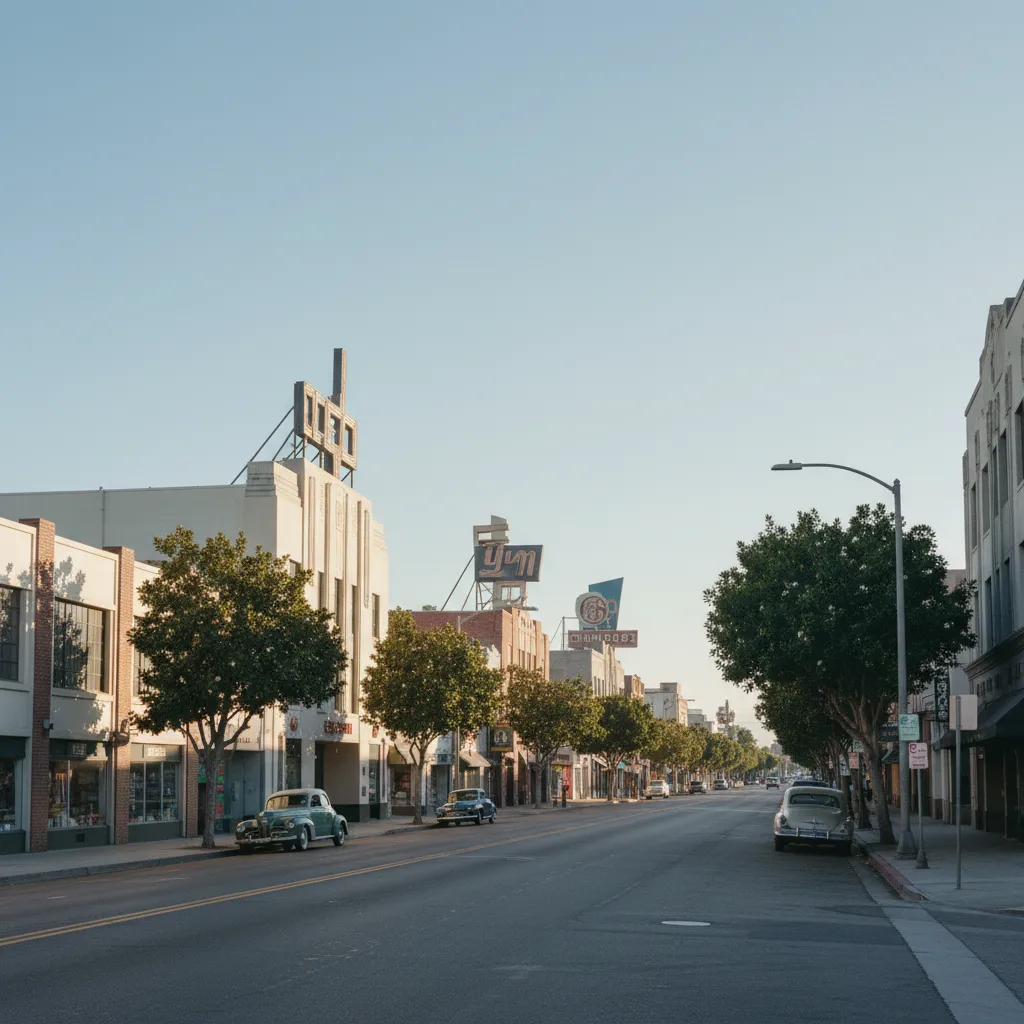
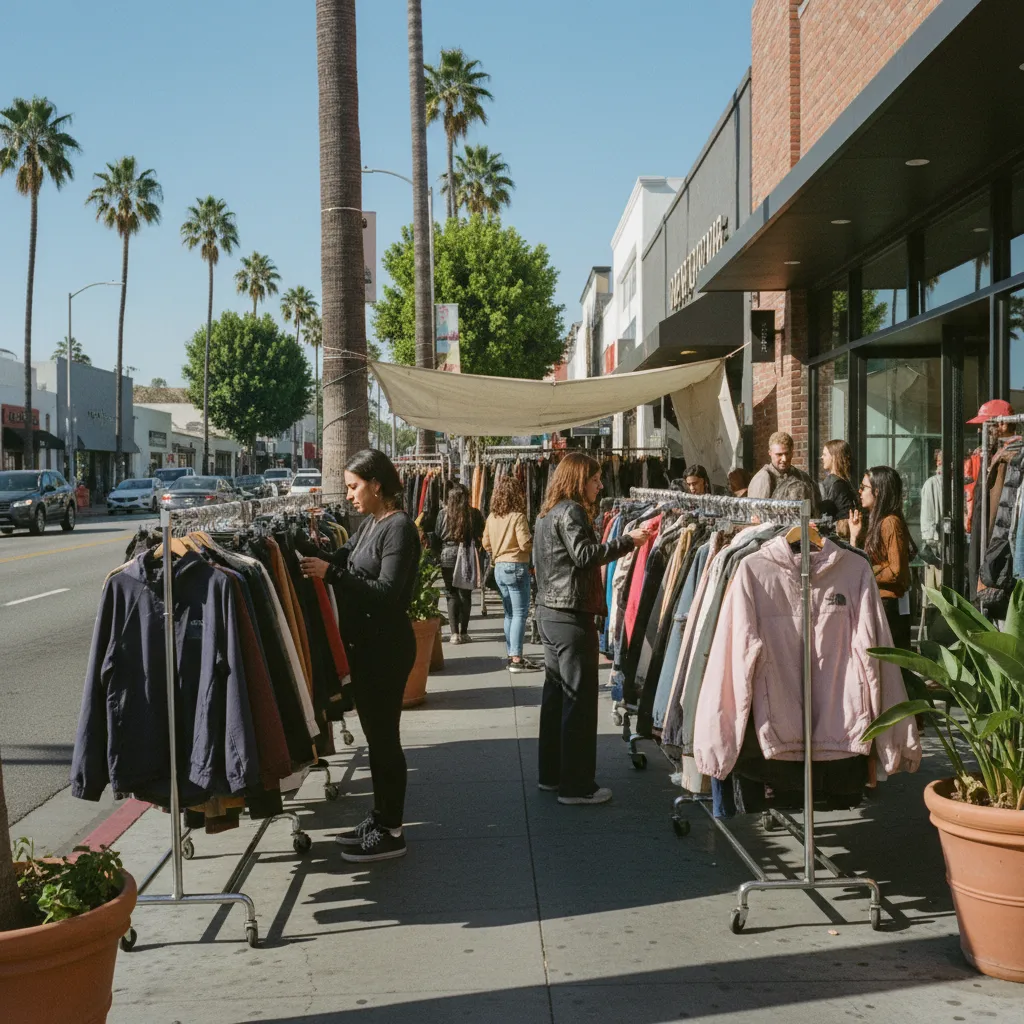
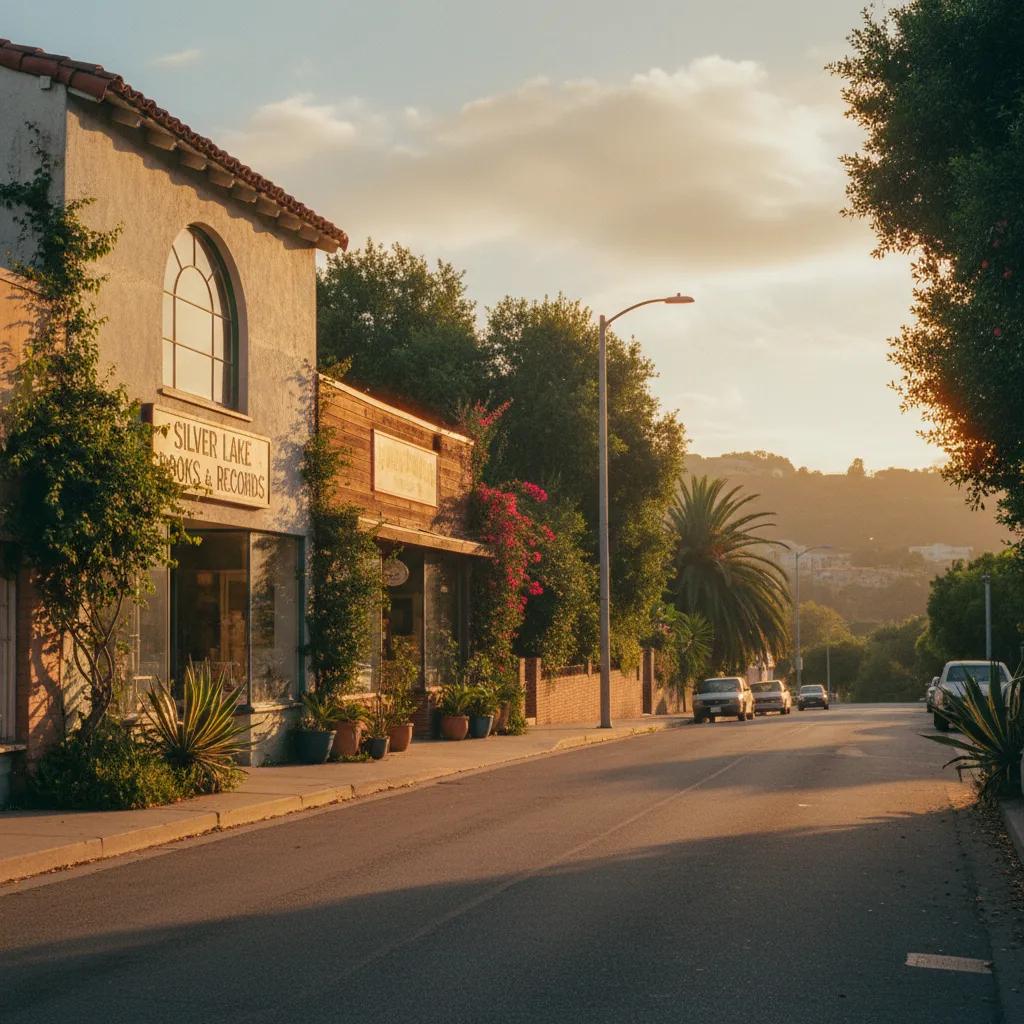
Our West Hollywood vintage journey commences with a strategic arrival via Metro Bus Route 4 or Route 105, depositing enthusiasts directly into the heart of the district's most fashion-forward arteries. Stepping off the bus, the air immediately hums with an energetic, yet manageable, morning pedestrian market foot traffic. The architectural setting along Melrose, Santa Monica, and San Vicente Boulevards captivates: vibrant storefronts, many adorned with climbing ivy, juxtaposed against the iconic silhouettes of swaying palm trees. This unique blend of lush greenery and sleek urban design creates a picturesque backdrop for a day of textile discovery, establishing an immediate sense of place and purpose.
Navigating these wide, sun-drenched boulevards requires a deliberate pace, allowing for comprehensive observation of every window display and sidewalk presentation. The morning light casts long shadows, highlighting the intricate details of vintage displays. Early hours provide a distinct advantage, as vendors arrange their collections and the atmosphere remains relatively serene before the afternoon's bustle. The rhythmic flow of pedestrians, many with intent gazes directed at apparel, underscores the area's reputation as a prime destination for unique finds. This initial immersion sets the tone for a day focused on quality inspection and historical appreciation.
Discerning Denim: Inspecting Vintage Workwear Integrity
The quest for exceptional vintage denim demands a meticulous in-hand physical garment inspection, focusing on critical indicators of authenticity and craftsmanship. Begin by examining the selvedge weave, typically found on the outseam of premium vintage jeans. This tightly woven edge, often featuring a distinct colored thread (redline being highly coveted), signifies shuttle loom production and superior durability. Note the consistency of the weave and any irregularities that denote its pre-mass-production origin. These subtle details are paramount in differentiating true vintage from modern reproductions, guiding a connoisseur's selection with precision.
Further scrutiny should extend to the hardware and construction techniques. Observe the copper rivets, particularly their patina and the method of attachment, older rivets often feature flatter, less domed heads. The presence of union tags, small woven labels typically found on inner pockets or waistbands, provides crucial dating information and manufacturer details from historical American workwear companies. Inspect the workwear canvas, noting its substantial weight and robust texture, indicative of garments built for endurance. Finally, observe the chainstitching on hems and waistbands, a hallmark of vintage manufacturing, identifiable by its distinctive looped pattern that unravels easily if cut.
Tactile Treasures: Vintage Knitwear, Silks, and Leather Patinas
Venturing into the realm of vintage knitwear, a tactile evaluation uncovers the luxurious qualities of bygone eras. Feel the weight and drape of retro cardigans, assessing the fiber content through touch, wools, cashmeres, and angoras from earlier decades often possess a richer, denser hand than contemporary equivalents. Inspect the integrity of the knit, noting any repairs or signs of excessive wear that might compromise its structure. The presence of original horn buttons, characterized by their unique variations in color and texture, often signals a garment of higher quality and age, adding to its collectible appeal. These small details convey significant historical value.
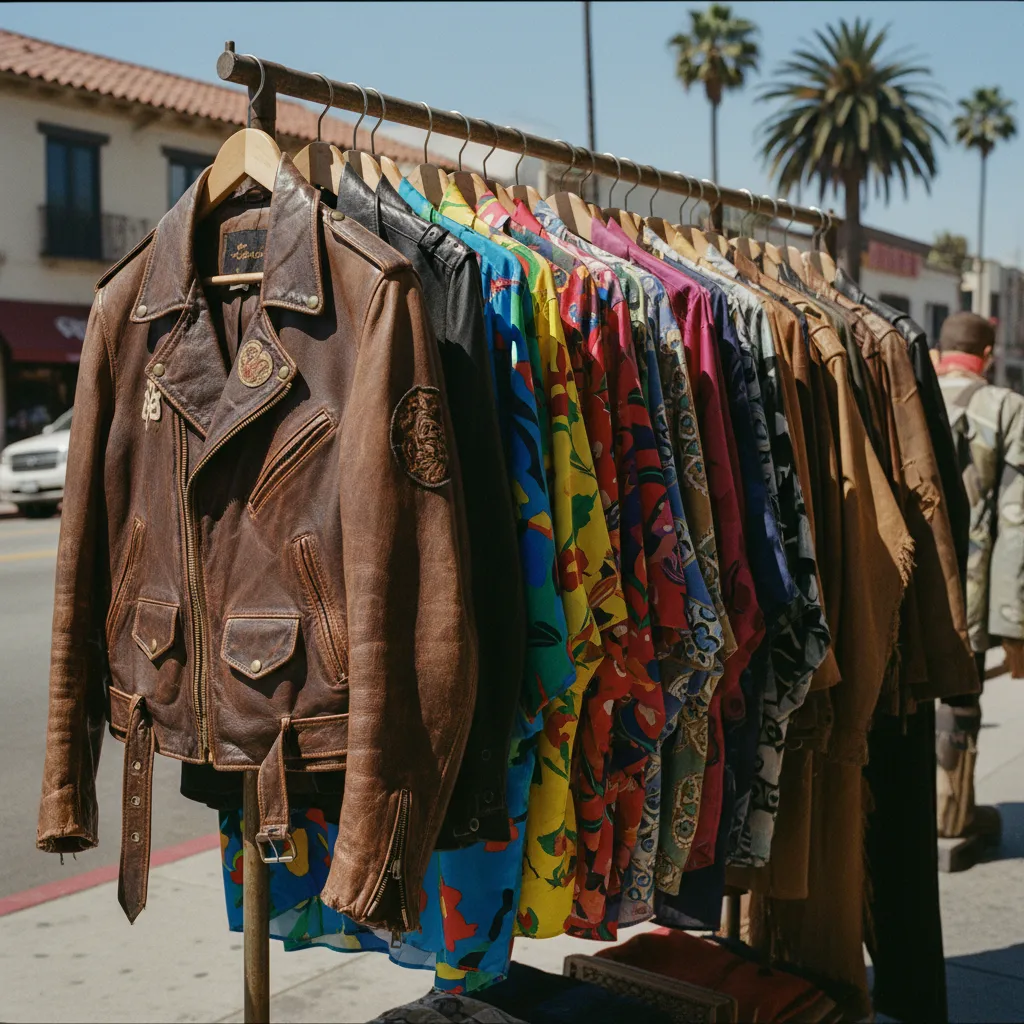
The exploration continues with the delicate allure of vintage silk scarves and the rugged elegance of supple leather jacket patinas. For silk scarves, assess the smoothness and sheen, looking for hand-rolled edges, which are a hallmark of artisanal craftsmanship and quality. Examine the prints for clarity and vibrancy, noting any fading or stains that might detract from its beauty. For leather jackets, run your hand over the surface, appreciating the soft, broken-in feel of a well-aged hide. The patina, a natural sheen and darkening that develops over time, is a highly desirable characteristic, telling a story of wear and life. Look for consistent distressing rather than artificial wear, which indicates genuine age.
Acoustic Reprieve at West Hollywood Park & Library Plaza
After the stimulating sensory experience of garment inspection, a purposeful pause at West Hollywood Park & Library Plaza offers a welcome acoustic respite from the surrounding urban hum. Locate a peaceful public park bench, strategically positioned to provide both comfort and a panoramic view of the park's serene landscaping. This tranquil setting allows for a mental reset, essential for avoiding decision fatigue during an extensive vintage market excursion. The soft murmur of distant city life recedes, replaced by the gentle rustle of leaves and the occasional distant bird call, facilitating a quiet contemplative moment amidst the day's activity.
This designated break serves as an ideal opportunity for reviewing morning finds and strategizing subsequent market forays. Unpack any collected garments or accessories, spreading them out for a fresh assessment in natural light. Enjoy a coffee, perhaps from a nearby café, enhancing the moment of calm reflection. This period of quiet review helps consolidate initial impressions and clarifies purchasing decisions, ensuring each acquisition is made with considered intent. The plaza's inviting atmosphere encourages mindful appreciation, transforming the shopping experience into a more reflective and enjoyable endeavor.
Dressing for LA's Climate: Adaptable Layers and Essential Tools
Dressing appropriately for Los Angeles weather is crucial for a comfortable and productive vintage market expedition, particularly with the city's microclimates. Adaptable layers are paramount, mornings can be cool, especially in shaded street corridors, while afternoons often bring abundant sunshine and warmth. Begin with a lightweight base layer, such as a breathable cotton t-shirt, and add a versatile outer layer like a denim jacket or a light cardigan that can be easily shed or donned as temperatures fluctuate. This strategic layering prevents overheating and ensures comfort throughout the day, accommodating both indoor browsing and outdoor walking. Prioritize mobility and ease of movement for extensive textile examination.
Equipping oneself with essential tools further enhances the vintage hunting experience. Comfortable walking shoes are non-negotiable, expect considerable pedestrian travel between diverse market sections. Opt for sneakers or well-cushioned flats that provide ample support for sustained walking on various urban terrains. Always carry a retractable measuring tape, a critical tool for assessing garment dimensions accurately, especially when original size tags are absent or unreliable. Finally, bring several reusable canvas tote bags, these sturdy carriers accommodate multiple finds without straining or damaging delicate vintage items, aligning with sustainable shopping practices and ensuring convenient transport of your curated collection.
Optimizing Navigation: Transit Connections and Digital Mapping
Efficient navigation through West Hollywood's vintage landscape is greatly enhanced by understanding transit connections and leveraging digital tools. Metro Bus Route 4 and Route 105 remain key arteries for connecting disparate segments of the vintage corridor, offering reliable passage along major boulevards and facilitating movement between distinct market clusters. Familiarize yourself with stops near major intersections to maximize access to diverse retail offerings. These public transit links form the backbone of a comprehensive self-guided tour, minimizing travel time and maximizing exploration time within the designated vintage zones. Observe the bus schedules, noting peak service intervals.
For a truly optimized experience, utilize self-guided digital navigation with a robust mapping application like Karpo. This app allows users to save favorite vintage spots, pinpointing exact locations of promising storefronts or market stalls for future reference. Moreover, it excels at mapping walking routes, providing precise turn-by-turn directions between destinations and estimating travel times. The ability to time neighborhood transit, incorporating real-time bus arrival information, seamlessly integrates public transport into your walking itinerary. This digital integration ensures a fluid and efficient exploration, allowing enthusiasts to focus on the discovery of unique garments rather than navigational challenges.
Ask Karpo for more information.
Keep reading
- Burbank Film Memorabilia Collector Shop Walk: Studio Stash
 Pasadena Film Memorabilia Collector Shop Walk: Classic Route
 Silver Lake Film Memorabilia Collector Shop Walk: Indie Lore