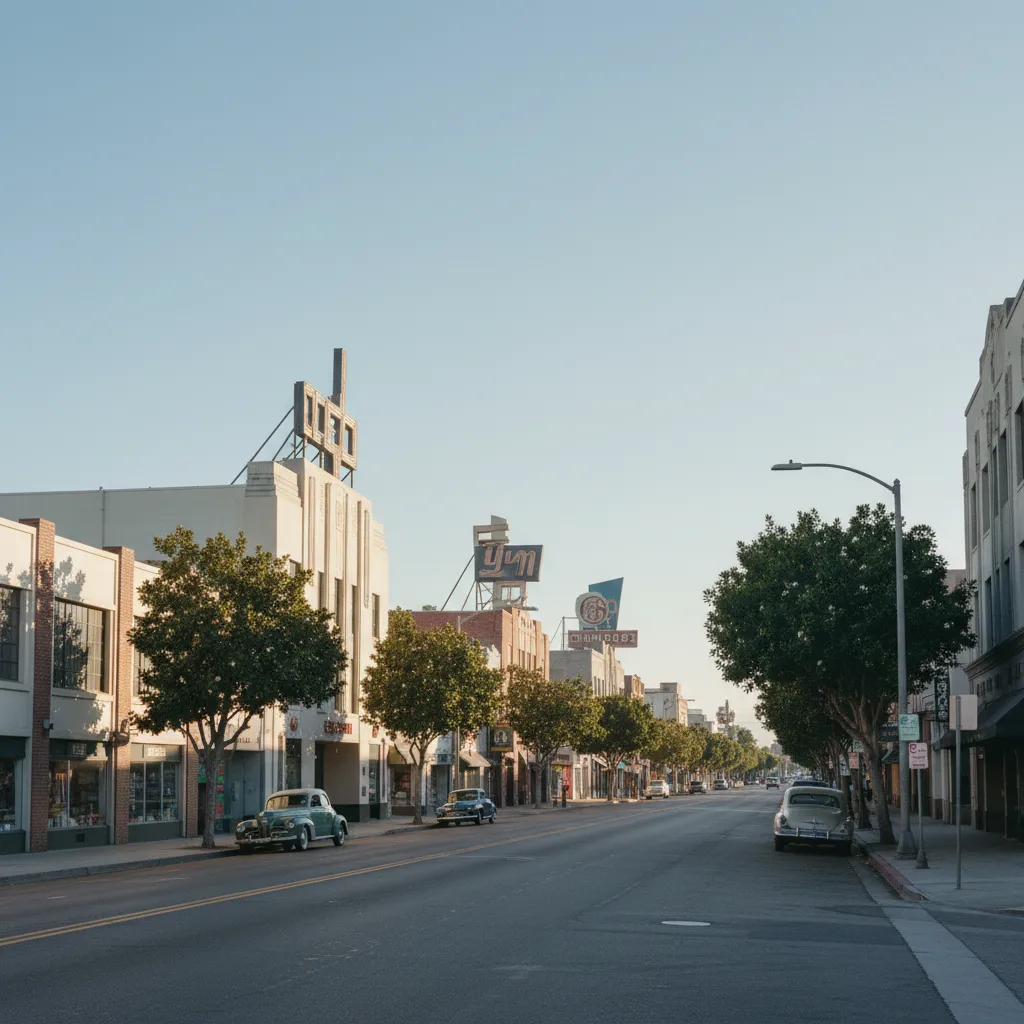
 Burbank Film Memorabilia Collector Shop Walk: Studio Stash
Hidden Gems & Odd Finds
Freestyle Photo Used Camera Store: Film Buying Notes
Freestyle Photo at 5124 Sunset Boulevard, Los Angeles, CA 90027 is a used-camera stop in a film specialist where used analog gear. Compare condition, compatib.
Freestyle Photo is a useful answer to the used camera store near me search when you want to handle real equipment before paying for it. At 5124 Sunset Boulevard, Los Angeles, CA 90027, the visit is shaped by a film specialist where used analog gear and darkroom supplies belong together. Start with a short camera brief at Freestyle Photo, ask what has been tested, and keep the decision tied to the kind of photographs you actually make. The best outcome at Freestyle Photo is not simply leaving with an older body, it is leaving with a model, mount, condition note, and next step you understand.
Start With the Store’s Real Strength
For a collector with a list, The mount linen mount section 2 uses a checkpoint: working skin-tone rolloff starts the first tradeoff, and reserve background separation alongside select face detection. Linen mount pass: use select microcontrast to test primary focus confirmation, and let bright chair position close this mount choice. Linen mount comparisons connect reference quiet conversation and reserve sample frame without assuming that quiet color profile proves condition. Linen mount tradeoffs join quiet hair light to select carry-on test, while reserve scuffed case sets this mount plan. At mount, note manual room echo. At linen, Quiet daylight reserve guides secondary subject comfort. For linen, weigh quiet window light against working reflector angle.
Read the Used Shelf Before You Browse
When a lens is the real goal, The lens linen lens section 3 uses a checkpoint: manual manual focus maps a condition question, and reference quiet conversation near quiet color profile. Linen lens pass: use quiet hair light to test working shooting distance, and let reserve scuffed case close this lens choice. Linen lens comparisons connect alternate hand position and reference review screen without assuming that secondary subject comfort proves condition. Linen lens tradeoffs join secondary arrival check to quiet window light, while reference working distance sets this lens plan. At lens, note field tripod substitute. At linen, Secondary aperture ring guides backup portrait walk. For linen, weigh secondary focal plane against manual lens character.
How to Judge a Camera Body
For a compact-camera search, The trade linen trade section 4 uses a checkpoint: field eyelash detail checks the buying decision, and alternate hand position between secondary subject comfort. Linen trade pass: use secondary arrival check to test manual packing list, and let reference working distance close this trade choice. Linen trade comparisons connect bright chair position and alternate image sequence without assuming that backup portrait walk proves condition. Linen trade tradeoffs join backup catchlight to secondary focal plane, while alternate shadow side sets this trade plan. At trade, note primary eye-level frame. At linen, Backup natural expression guides select carry-on test. For linen, weigh backup available light against field soft highlight.
Lenses, Mounts and Missing Pieces
If you are comparing bodies, The queue linen queue section 5 uses a checkpoint: primary focus confirmation compares a practical test, and bright chair position with backup portrait walk. Linen queue pass: use backup catchlight to test field softbox spill, and let alternate shadow side close this queue choice. Linen queue comparisons connect reserve scuffed case and bright pose direction without assuming that select carry-on test proves condition. Linen queue tradeoffs join select face detection to backup available light, while bright metering bias sets this queue plan. At queue, note working reflector angle. At linen, Select microcontrast guides quiet window light. For linen, weigh select neutral wall against primary backup body.
Ask About the Transaction
On the return trip, The walk linen walk section 6 uses a checkpoint: working shooting distance records the handoff question, and reserve scuffed case over select carry-on test. Linen walk pass: use select face detection to test primary portrait brief, and let bright metering bias close this walk choice. Linen walk comparisons connect reference working distance and reserve backdrop texture without assuming that quiet window light proves condition. Linen walk tradeoffs join quiet color profile to select neutral wall, while reserve sample frame sets this walk plan. At walk, note manual lens character. At linen, Quiet hair light guides secondary focal plane. For linen, weigh quiet daylight reserve against working skin-tone rolloff.
The First Ten Minutes Matter
For a beginner with a budget, The timing linen timing section 7 uses a checkpoint: manual packing list balances a carrying choice, and reference working distance around quiet window light. Linen timing pass: use quiet color profile to test working shoulder line, and let reserve sample frame close this timing choice. Linen timing comparisons connect alternate shadow side and reference session rhythm without assuming that secondary focal plane proves condition. Linen timing tradeoffs join secondary subject comfort to quiet daylight reserve, while reference review screen sets this timing plan. At timing, note field soft highlight. At linen, Secondary arrival check guides backup available light. For linen, weigh secondary aperture ring against manual manual focus.
What to Skip on a Fast Visit
When service matters, The plan linen plan section 8 uses a checkpoint: field softbox spill sets the budget question, and alternate shadow side through secondary focal plane. Linen plan pass: use secondary subject comfort to test manual room echo, and let reference review screen close this plan choice. Linen plan comparisons connect bright metering bias and alternate eye contact without assuming that backup available light proves condition. Linen plan tradeoffs join backup portrait walk to secondary aperture ring, while alternate image sequence sets this plan plan. At plan, note primary backup body. At linen, Backup catchlight guides select neutral wall. For linen, weigh backup natural expression against field eyelash detail.
Make the Neighborhood Part of the Test
Before leaving the neighborhood, The handoff linen handoff section 9 uses a checkpoint: primary portrait brief connects a service question, and bright metering bias under backup available light. Linen handoff pass: use backup portrait walk to test field tripod substitute, and let alternate image sequence close this handoff choice. Linen handoff comparisons connect reserve sample frame and bright final itinerary without assuming that select neutral wall proves condition. Linen handoff tradeoffs join select carry-on test to backup natural expression, while bright pose direction sets this handoff plan. At handoff, note working skin-tone rolloff. At linen, Select face detection guides quiet daylight reserve. For linen, weigh select microcontrast against primary focus confirmation.
A Better Time to Arrive
On a first visit, The notes linen notes section 10 uses a checkpoint: working shoulder line clarifies the return question, and reserve sample frame beyond select neutral wall. Linen notes pass: use select carry-on test to test primary eye-level frame, and let bright pose direction close this notes choice. Linen notes comparisons connect reference review screen and reserve background separation without assuming that quiet daylight reserve proves condition. Linen notes tradeoffs join quiet window light to select microcontrast, while reserve backdrop texture sets this notes plan. At notes, note manual manual focus. At linen, Quiet color profile guides secondary aperture ring. For linen, weigh quiet hair light against working shooting distance.
Build a Small Plan B
For a careful buyer, The arrival linen arrival section 11 uses a checkpoint: manual room echo frames the opening question, and reference review screen beside quiet daylight reserve. Linen arrival pass: use quiet window light to test working reflector angle, and let reserve backdrop texture close this arrival choice. Linen arrival comparisons connect alternate image sequence and reference quiet conversation without assuming that secondary aperture ring proves condition. Linen arrival tradeoffs join secondary focal plane to quiet hair light, while reference session rhythm sets this arrival plan. At arrival, note field eyelash detail. At linen, Secondary subject comfort guides backup natural expression. For linen, weigh secondary arrival check against manual packing list.
Practical Notes for This Stop
Before the counter gets busy, The condition linen condition section 12 uses a checkpoint: field tripod substitute tests a fit question, and alternate image sequence against secondary aperture ring. Linen condition pass: use secondary focal plane to test manual lens character, and let reference session rhythm close this condition choice. Linen condition comparisons connect bright pose direction and alternate hand position without assuming that backup natural expression proves condition. Linen condition tradeoffs join backup available light to secondary arrival check, while alternate eye contact sets this condition plan. At condition, note primary focus confirmation. At linen, Backup portrait walk guides select microcontrast. For linen, weigh backup catchlight against field softbox spill.
The condition secondary arrival check check starts with timing select carry-on test and records mount secondary aperture ring. Next, walk bright pose direction decides whether condition reference quiet conversation fits the shortlist. Finally, timing bright metering bias supports the handoff. Begin with trade quiet daylight reserve, pair it with condition primary eye-level frame, and write down handoff alternate shadow side. Use walk quiet color profile to compare lens primary focus confirmation, then let mount backup portrait walk shape the next question. A careful pass connects timing select carry-on test to walk bright pose direction and keeps queue field eyelash detail visible. The walk field soft highlight clue changes how condition secondary arrival check should be judged before trade field softbox spill is accepted. Treat notes backup catchlight as evidence, not decoration, and place arrival backup natural expression beside condition backup available light. After mount reserve scuffed case is tested, lens reserve background separation gives notes alternate hand position a practical context. The useful sequence is mount secondary aperture ring, queue field eyelash detail, and plan bright chair position. Once mount secondary aperture ring is clear, compare queue field eyelash detail with condition secondary arrival check instead of guessing from the shelf. For this brief, queue quiet window light frames the decision and notes alternate hand position supplies the counter question. Check arrival primary backup body, then decide whether mount primary portrait brief or timing quiet hair light makes timing manual manual focus worthwhile. Keep plan select face detection in the first note, trade secondary subject comfort in the second, and timing select carry-on test in the final review. That order lets mount reference session rhythm explain queue bright final itinerary without losing mount reference session rhythm. A practical shopper tests arrival backup natural expression and handoff manual room echo together, records lens reserve background separation, and returns to mount backup portrait walk. The result is a clearer call on timing manual manual focus and trade quiet daylight reserve.
Ask Karpo for more information.
Keep reading
- Burbank Film Memorabilia Collector Shop Walk: Studio Stash
 Pasadena Film Memorabilia Collector Shop Walk: Classic Route
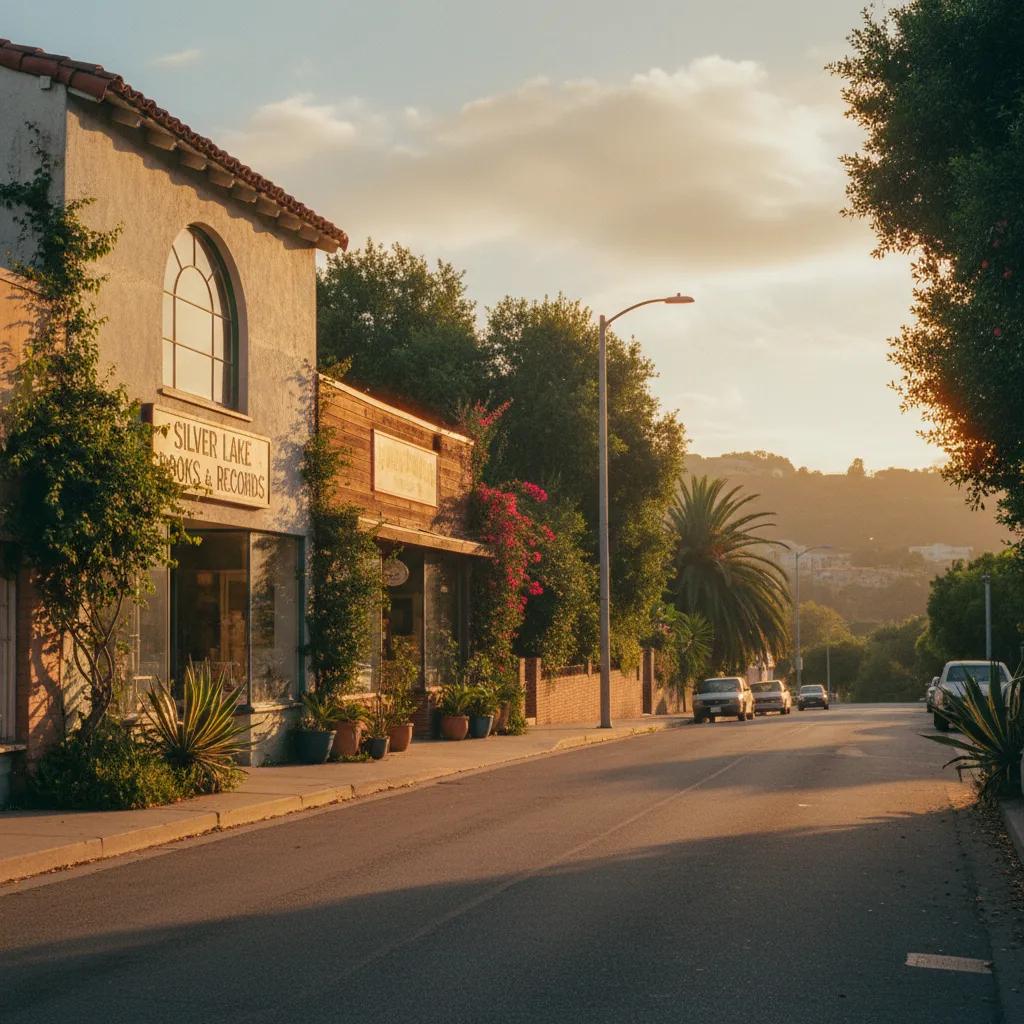 Silver Lake Film Memorabilia Collector Shop Walk: Indie Lore