 Burbank Film Memorabilia Collector Shop Walk: Studio Stash
Hidden Gems & Odd Finds
Used Bookstore Near Me in Downtown LA: The Last Bookstore Guide
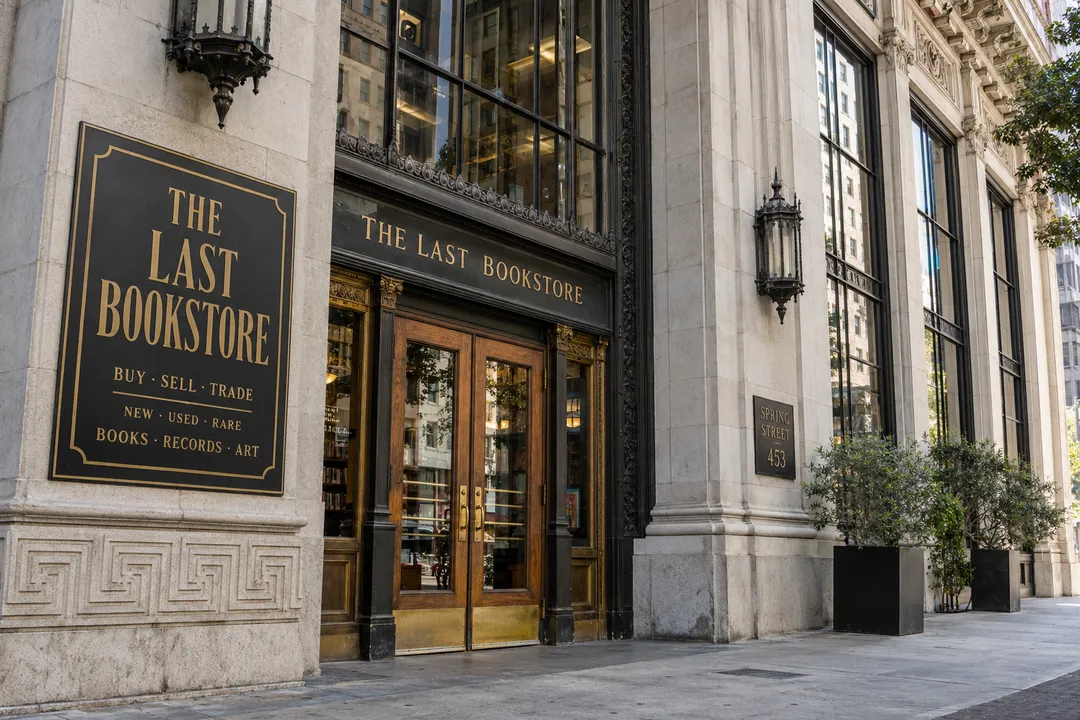
A complete guide to The Last Bookstore at 453 S Spring Street in Downtown Los Angeles, featuring the mezzanine book tunnel, $1 Labyrinth vault, and curated vinyl.
The Last Bookstore occupies the landmark 1914 Citizens National Bank building at 453 S Spring Street in Downtown Los Angeles, anchoring the historic core with California's largest independent collection of used and new literature. Founded in 2005 by Josh Spencer, this sprawling 22,000-square-foot bibliophile wonderland spans two immense levels filled with towering classical columns, marble accents, and over a quarter-million volumes, making it the most celebrated used bookstore near me for locals and visitors seeking vintage hardcovers, rare art editions, secondhand vinyl, and out-of-print paperbacks.
Historic Bank Vaults and Two Decades of Downtown Literary Resilience
Josh Spencer originally conceived the store as a modest online marketplace in 2005 before opening a small physical storefront in a Fourth Street loft. As downtown Los Angeles underwent revitalization over the ensuing decade, the shop relocated in 2011 to its grand Spring Arts Tower quarters, defiantly choosing its tongue-in-cheek name amid the rapid demise of corporate chain book retailers. The ground floor preserves the monumental scale of early twentieth-century banking halls, complete with soaring plaster ceilings, heavy brass accents, and wide aisles arranged beneath rows of warm hanging fixtures.
Stepping across the threshold from Spring Street reveals an immediate sensory immersion where the earthy vanilla aroma of aged paper mingles with the subtle hum of shoppers flipping through record crates. Floor-to-ceiling wooden bookcases hold tens of thousands of curated used fiction titles, organized cleanly from vintage mid-century pulps to contemporary translated novels. Unlike sterile modern warehouses, hand-lettered shelf markers guide readers through dense sections of California history, philosophy, investigative journalism, and performing arts.
The main banking chamber also houses a dedicated vinyl record annex, where collectors browse bins of classic jazz, 1970s funk, West Coast punk, and ambient electronica. Turntables stationed near the counter permit test listening, establishing a tactile environment that celebrates physical media in an increasingly ephemeral digital era. Staff recommendations appear throughout the floor on small handwritten index cards, detailing why a forgotten volume or classic reprint merits preservation on a personal library shelf.
Architectural enthusiasts will appreciate how the interior respects the original structure, leaving heavy bank vault doors standing ajar to reveal specialized genre nooks inside fortified steel rooms. The historic banking details serve not merely as decorative novelties but as functional reading enclosures, where visitors can sit quietly with oversized design monographs while morning light streams through Spring Street transom windows.
The Famous Second-Floor Labyrinth, Dollar Vault, and Curated Rarities
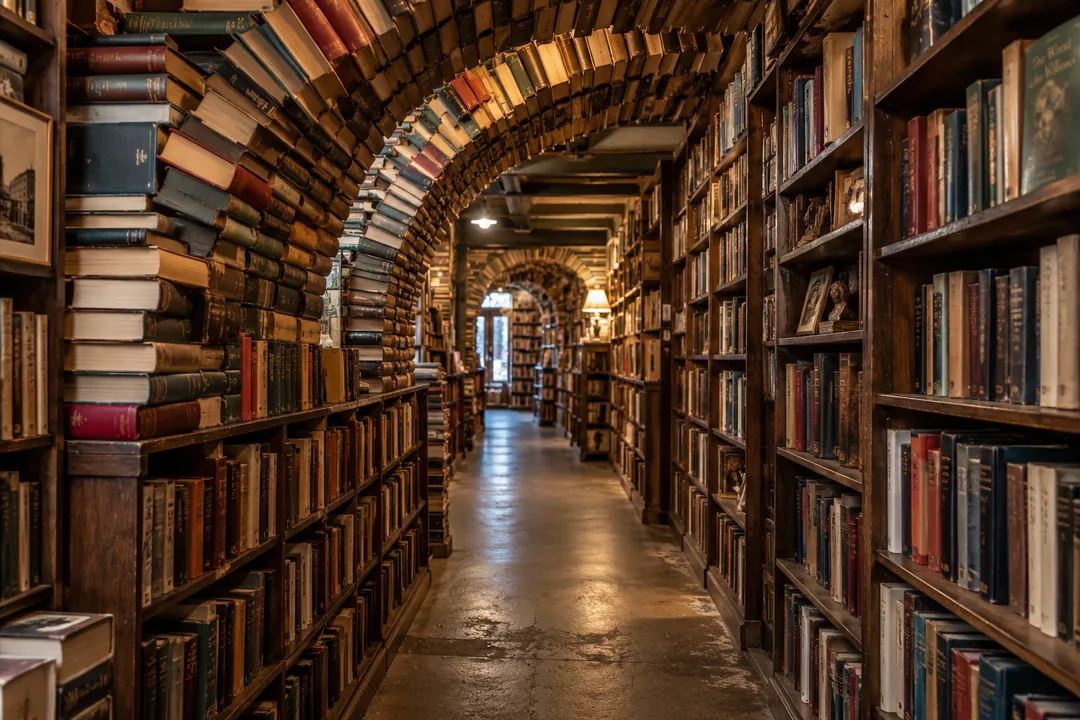
Ascending the broad central staircase brings visitors to the world-renowned second-floor Labyrinth, an intricate architectural installation constructed from tens of thousands of discarded and donated books. Sculptural book tunnels arch overhead, creating geometric tunnels and round viewing portals that frame views across the upper gallery. While social media travelers frequently photograph the famous book tunnel, the surrounding shelves contain an astonishing treasure trove of bargain reading material that rewards patient exploration.
At the heart of the Labyrinth lies the legendary back vault room, where approximately 100,000 used books are priced at a flat rate of $1.00 each. This massive clearance archive includes discarded library volumes, mass-market mysteries, vintage textbooks, and historical biographies, offering students and budget-conscious readers an unmatched opportunity to build extensive home libraries for pocket change.
Beyond the budget room, standard used trade paperbacks throughout the upper mezzanine generally sell between $5.00 and $6.00, providing steep discounts compared to standard new retail prices. Vintage literature enthusiasts will find sturdy clothbound editions from early twentieth-century publishers cataloged in the $6.00 range, while clean secondhand vinyl albums in the record section typically price around $8.00.
For serious bibliophiles and antiquarian collectors, the separate Rare Book Annex on the mezzanine level secures scarce first editions, signed literary copies, and historic photography monographs under glass vitrines. Entry into this specialized room reveals museum-grade items starting at $25.00 and extending up to $45.00 and beyond for authenticated mid-century rarities, each accompanied by precise condition notes prepared by experienced evaluators.
Browsing Rules, Trade-In Counter Policies, and Weekend Crowd Strategies
Given its widespread popularity, navigating The Last Bookstore requires a thoughtful approach to timing and store customs. The shop operates daily from 11:00 AM to 8:00 PM, with peak visitor density occurring on Saturday and Sunday afternoons between 1:00 PM and 5:00 PM. Those seeking quiet study time, uncrowded aisles, and uninterrupted browsing should schedule their visits on weekday mornings right at opening, when the mezzanine remains serene and natural light fills the Spring Street windows.
Store policy strictly prohibits large backpacks, oversized luggage, and unsealed food or open beverage cups within the shopping aisles. Visitors carrying large travel packs are asked to leave them at the front security desk before wandering the narrow second-floor corridors. While casual smartphone snapshots of the whimsical book tunnel are permitted, staged commercial photoshoots, tripods, and lighting umbrellas are strictly prohibited to prevent aisle congestion.
If you intend to sell or trade volumes, the book buying counter maintains distinct operational hours and submission criteria that differ from general retail times. The intake buyers accept clean, gently handled used books, vinyl records, and graphic novels in exchange for cash or heightened store credit. Water-damaged books, broken spines, marked textbooks, and moldy items are consistently declined, so inspecting your boxes before carrying them downtown saves substantial effort.
Patience is essential at the checkout counter during bustling holiday periods and downtown gallery nights. Multiple registers operate on the ground floor near the main entrance, accepting all major credit cards, debit cards, and Apple Pay alongside traditional cash payments. Staff package delicate antiquarian finds and vinyl sleeves with protective paper wraps upon request.
Historic Core Architecture, Grand Central Market, and Downtown Strolls
A trip to The Last Bookstore anchors a rewarding pedestrian exploration through the Historic Core and Broadway theater corridor. Exiting onto Spring Street places you steps away from stunning Beaux-Arts and Art Deco facades that characterized Los Angeles during the financial boom of the 1920s. A three-minute stroll north leads directly to the Bradbury Building at 304 S Broadway, famous for its ironwork atrium and cinematic history.
Directly opposite the Bradbury Building stands Grand Central Market at 317 S Broadway, Los Angeles's oldest continuously operating public food hall. After spending hours hunting for books, stop by historic food stalls like Tacos Tumbras a Tomas for carnitas tacos priced at $4.50 each, or grab an espresso from G&B Coffee before continuing your downtown walk toward the iconic Angels Flight Railway.
Greenery and open seating await just two blocks south at Spring Street Park, a compact neighborhood park equipped with shaded benches and native plantings. Readers frequently carry fresh paperback acquisitions here to read in the California sunshine while listening to city street sounds echo off historic brick lofts.
For an extended cultural afternoon, continue four blocks west to the Central Library at 5th and Flower Streets, an architectural masterpiece completed in 1926 featuring rotunda murals by Dean Cornwell. Combining the historic collections of the public library system with an afternoon haul from The Last Bookstore provides the ultimate literary itinerary in Southern California.
Transit Stops, Nearby Parking Garages, and Store Details
Reaching The Last Bookstore via public transportation is exceptionally straightforward, eliminating downtown driving and parking hassles. The store sits three blocks from the Pershing Square Metro Station, served by both the B Line (Red) and D Line (Purple) subway routes. Passengers exiting at 5th and Hill Streets can walk east two short blocks to Spring Street and turn north directly to the entrance.
Those choosing to drive will find multiple paid commercial parking facilities within immediate walking distance. While metered street parking along Spring Street and Main Street operates via ParkMobile kiosks, spaces turn over slowly. Reliable covered parking is available at the adjacent Spring Arts Garage at 433 S Spring Street and the Joe's Auto Parks lot at 416 S Spring Street, where daily rates typically range between $10.00 and $15.00 depending on arrival time.
The bookstore is fully accessible on the ground level, with a dedicated passenger elevator available to transport guests with strollers or mobility devices up to the second-floor Labyrinth and artist studios. Restrooms located on the mezzanine level are reserved for paying patrons, with access keys available at the main service desk.
The Last Bookstore remains open seven days a week from 11:00 AM to 8:00 PM, maintaining its vital role as the beating literary heart of historic downtown Los Angeles.
Ask Karpo for more information.
Keep reading
- Burbank Film Memorabilia Collector Shop Walk: Studio Stash
 Pasadena Film Memorabilia Collector Shop Walk: Classic Route
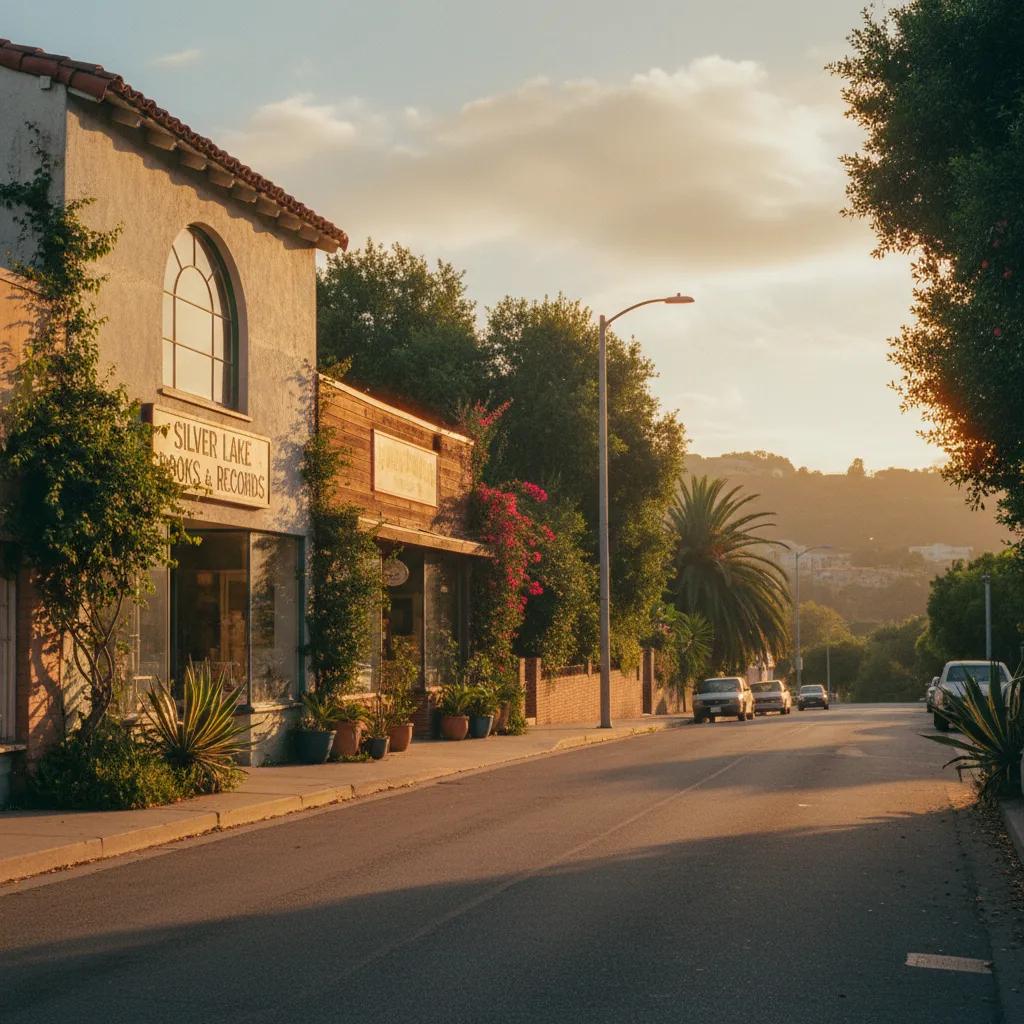 Silver Lake Film Memorabilia Collector Shop Walk: Indie Lore