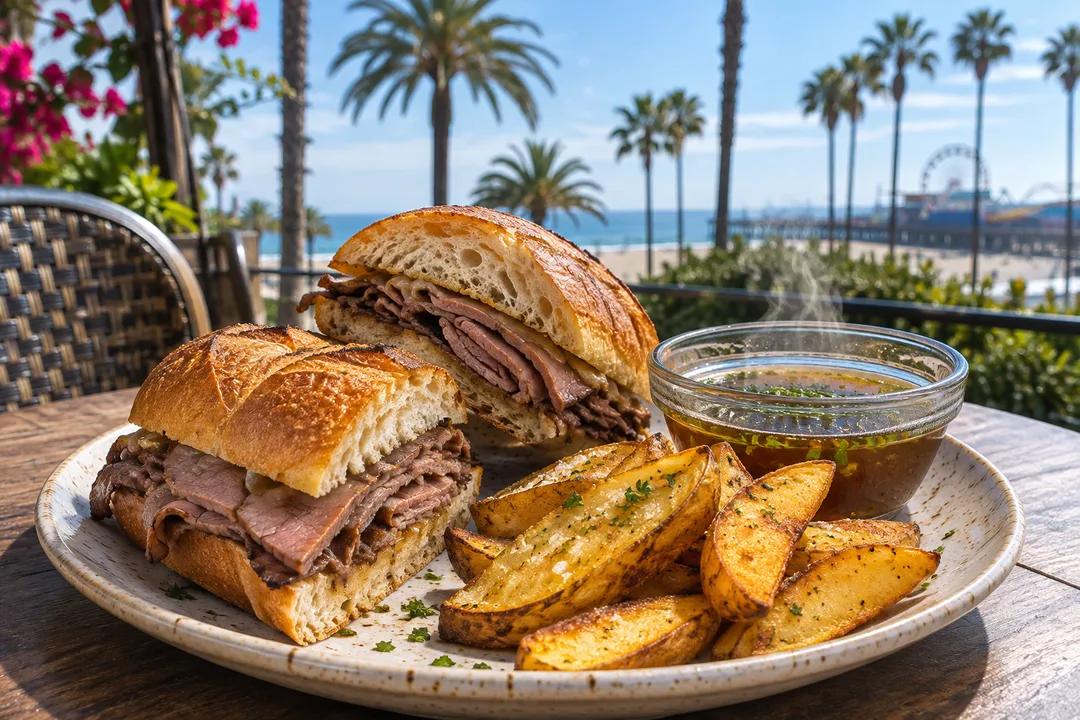
 Santa Monica French Dip Sandwich Lunch Picker by Ocean
Restaurants
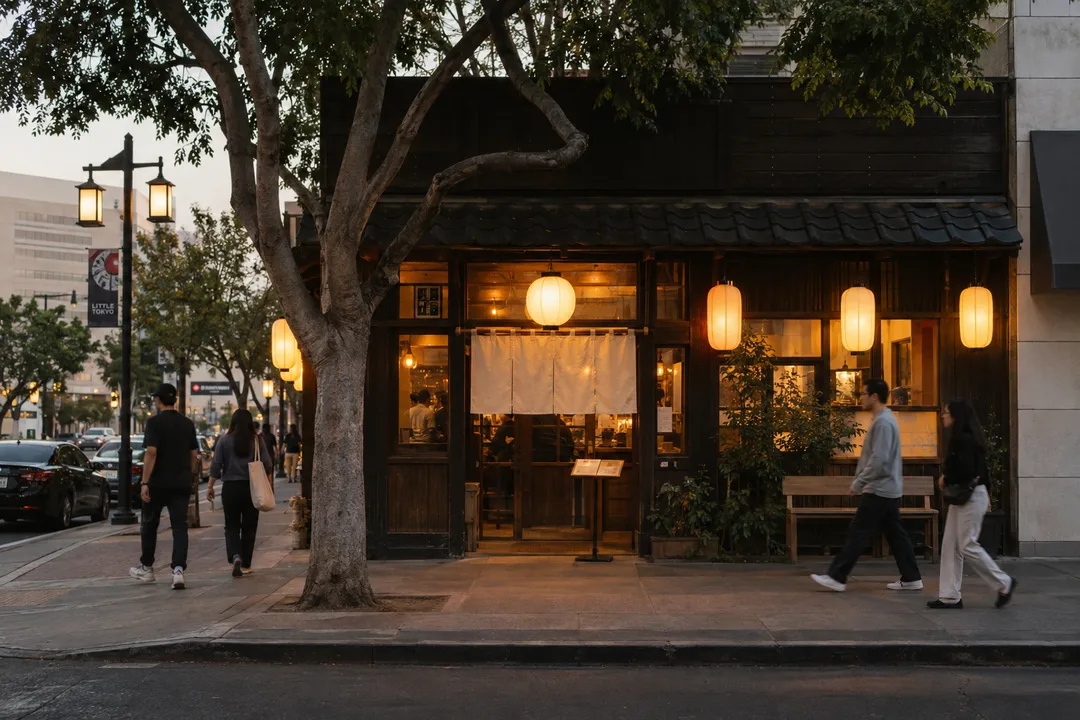
Udon Near Me in Little Tokyo: Marugame Monzo on 1st Street
A Little Tokyo guide to Marugame Monzo at 329 East 1st Street, with handmade noodles, cold dipping bowls, prices, wait strategy, and a downtown Los Angeles walk.
Marugame Monzo is the Little Tokyo answer to an udon near me search when you want handmade noodles and a sit-down meal with real neighborhood character. The restaurant is at 329 East 1st Street, close to the Japanese American cultural institutions and the dense restaurant cluster that makes this part of downtown Los Angeles easy to spend an afternoon in. The signature move is to choose a bowl that lets the noodles stay springy, then add one carefully selected side.
The address is walkable from the Little Tokyo/Arts District station, and the surrounding blocks are much easier to explore on foot than by car. Parking garages are available, but street parking can turn a simple meal into a long search. Arrive a little before the table you want, especially on weekend evenings, and use the time to browse the nearby shops rather than standing directly in the doorway.
Monzo has the feel of a focused neighborhood restaurant: warm wood, visible kitchen movement, close tables, and a menu that gives both hot soup and cold dipping preparations room to matter. The house etiquette is to treat the noodles as the main event. Do not bury them under every available garnish, and do not let a shared tempura plate occupy the entire table before the bowls arrive.
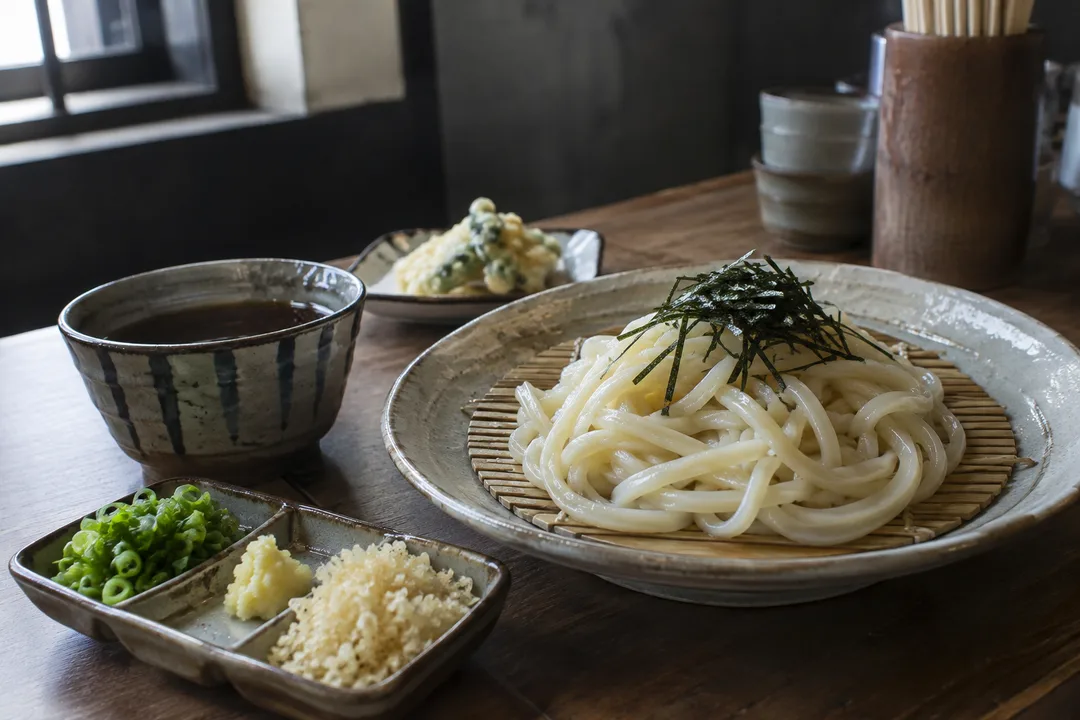
The chilled bukkake udon is $13 and is the cleanest first order on a warm Los Angeles day. The noodles arrive glossy and cool with a concentrated sauce, scallions, grated ginger, and a texture that rewards quick eating. Mix gently rather than stirring aggressively. The goal is to coat the strands, not break their shape. A small side of grated daikon at $2 adds brightness without changing the bowl's identity.
Kitsune udon is $14 and brings sweet fried tofu into a warm dashi broth. It is softer and more comforting than the cold bowl, but the noodles still have enough resistance to stay interesting. This is the choice for a first-time visitor who wants a familiar format. Add a side of chicken karaage at $9 if the table wants something crisp, but avoid ordering several fried plates before tasting the soup.
The curry udon costs $16 and is the richest noodle option. The curry has enough body to cling to the noodles, while sliced beef or vegetables give the bowl substance. Because Los Angeles afternoons can be warm even in October, it is worth choosing curry when you actually want a heavier meal rather than treating it as the default. A cold green tea at $4 makes the finish cleaner.
Tempura shrimp is $5 each, and a vegetable tempura piece is $3. These are ideal for sharing because one or two pieces add texture without turning the bowl into a mixed platter. Eat the shrimp on its own first, then dip it into the broth if you like. The kitchen's strength is contrast: smooth noodles, crisp batter, and a sauce that can be tasted in more than one way.
The wait is usually shaped by weekend dining and the compact dining room, not by a huge outdoor queue. Early dinner and weekday lunch are the most comfortable windows. If the host gives you a time, stay close because Little Tokyo has enough shops to distract you. Keep the party complete at the table, and tell the team at arrival if someone needs a quieter seat or extra space.
Reservations are helpful for larger parties, while solo diners have a better chance at the counter. The restaurant is a poor fit for a rushed downtown errand because the noodle texture and hot broth are best eaten immediately. Takeout can solve a workday meal, but the cold bowls are more delicate in transit. Sit down if you have come specifically to understand why Monzo has a loyal following.
Marugame Monzo's story is tied to the way Little Tokyo keeps Japanese noodle craft visible in a changing downtown. The restaurant is not just a generic noodle shop placed near museums; it belongs to a neighborhood where food, books, community history, and small retail spaces are close together. That context gives the meal a stronger sense of place. You can taste the noodles, then step outside into a district with its own memory.
Make a walking loop through Japanese Village Plaza, the Japanese American National Museum area, and the Arts District galleries across Alameda Street. Before dinner, browse stationery and ceramics; afterward, walk toward the historic theaters or the river-facing side streets. The route works in both directions because Monzo is central to Little Tokyo rather than isolated at the edge of downtown.
Practical notes: Marugame Monzo is at 329 East 1st Street, and a garage or transit is easier than relying on curb parking. The menu contains wheat, soy, sesame, egg, and seafood, so explain allergies before ordering. The room is casual but close, and low shoes make the downtown walking route more comfortable. If you are carrying museum bags, ask where to place them so the aisle stays open.
Choose Monzo when you want the neighborhood around the bowl to matter. The $13 bukkake is the best warm-weather introduction, the $14 kitsune is the gentle classic, and the $16 curry is the hearty choice. Add one $5 shrimp tempura rather than an entire fried menu. Then leave time for Little Tokyo itself, because the most memorable part of the visit continues after the check.
A first visit is easier when the table agrees on one cold and one hot direction before ordering. The $13 bukkake shows the noodle texture clearly, while the $14 kitsune explains how the same noodles behave in dashi. One $5 shrimp tempura adds a crisp counterpoint without burying the table in fried food. That small spread is enough to make the meal feel exploratory, and it leaves room for the neighborhood afterward. Little Tokyo is one of the rare downtown districts where a bowl can lead naturally into a museum, a bookstore, a plaza, or a second cup of tea, so the restaurant does not need to carry the entire afternoon by itself.
Ask Karpo for more information.
Keep reading
- Santa Monica French Dip Sandwich Lunch Picker by Ocean
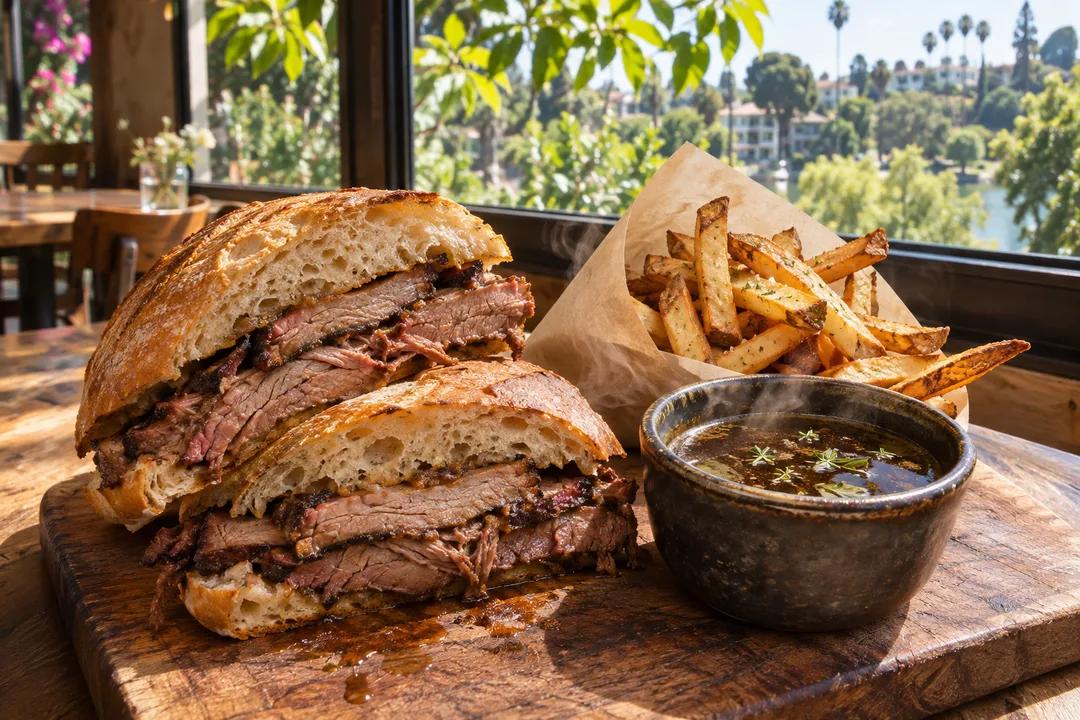 Echo Park French Dip Sandwich Lunch Picker Around Noon
 Silver Lake French Dip Sandwich Lunch Picker on Hillsides