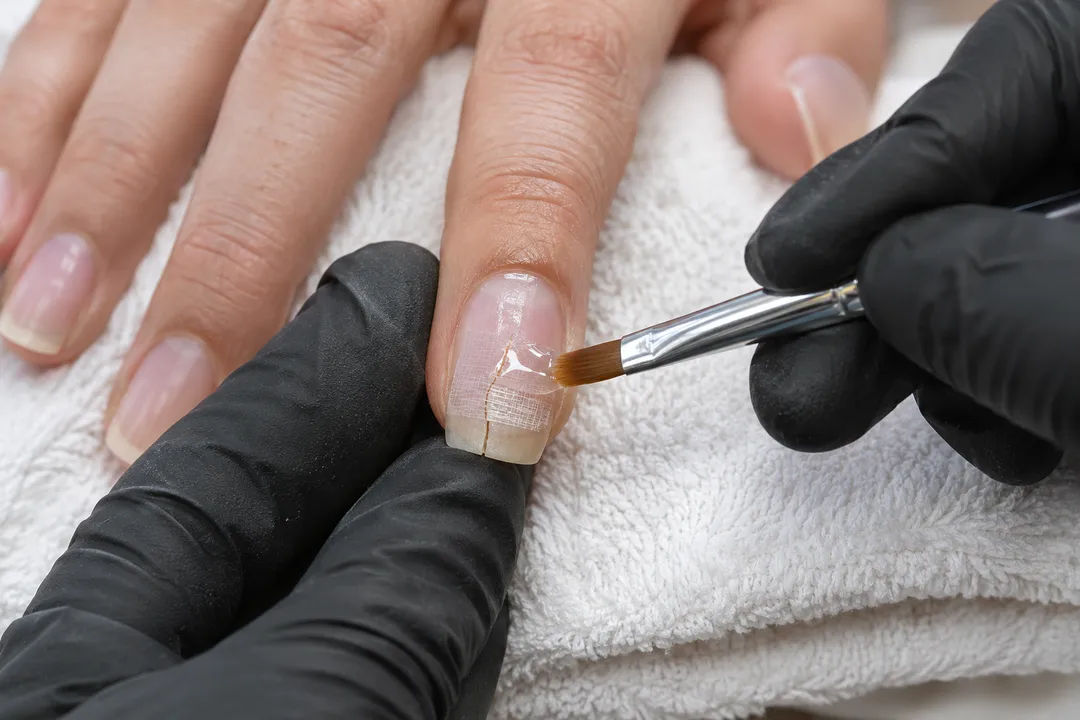
 Los Feliz Nail Salon Walk In Finder for Broken Nail Repair
Neighborhood Guides

LA Transit Station Pitstop Finder: Beach Supply Run
Route a water and sun-supply pause at Downtown Santa Monica in Karpo APP, using a short E Line window, a carry-light plan, and a beach-bound fallback.
The transition from Downtown Santa Monica's E Line terminus toward the beach is a useful time to notice what you are carrying. Water, a sun layer, and a small snack can matter more than an extra shopping stop. Use a transit station pitstop finder in the Karpo APP to organize a compact supply pause around your beach plans, companions, and walking pace. The aim is to leave the station with the essentials you actually need, without letting a simple purchase become a long detour before the shore.
Inventory the bag before searching
Begin with what you already have. A half-full water bottle, a hat in the bottom of a tote, or a snack brought from home may eliminate a stop entirely. Tell Karpo which essentials are missing rather than asking for beach supplies in general. That keeps the shortlist focused and avoids duplicating items you must then carry for the rest of the day. A supply plan should reduce friction, including the weight and volume of unnecessary purchases.
Separate essentials from nice additions. You might require drinking water and a sun-protection item but only prefer a coffee or another snack. Put that order into the request. If one stop can satisfy the essentials along the direction you want to walk, it may be enough even when it does not offer the most interesting extras. You are preparing for a beach visit, so reserve your attention and spending decisions for that visit rather than expanding the station transition into a shopping route.
Choose a beach-bound stopping pattern
This task differs from a train connection because you may not need to return immediately to the station. Say whether the next leg is toward the beach, toward a meeting place, or back onto transit. A one-way supply stop can make sense when it lies along your chosen path, while a loop makes more sense when someone is waiting at the terminal. Karpo needs that direction to compare options usefully; “near Downtown Santa Monica” alone leaves the movement problem unresolved.
Try: “I am leaving the E Line at Downtown Santa Monica with a child and a light beach bag. We need water and a compact sun-protection item before walking onward. I want one simple purchase stop, no browsing, and a shorter option if either of us is tired.” Add your planned time allowance and whether stairs or long crossings are difficult. This prompt puts the party's needs ahead of individual shop names and makes the desired number of stops explicit.
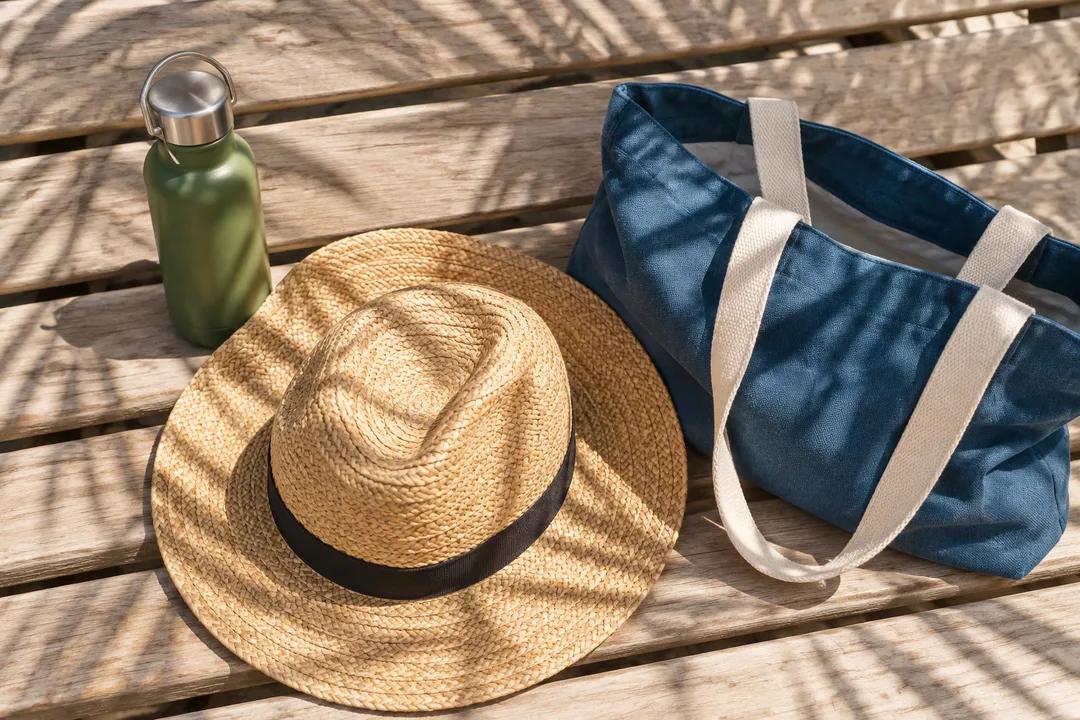
AI-generated beach-supply still life showing a compact carry, rather than products or stock at a named shop.
Treat hydration as part of the walk
Water is not merely an item to locate after the route has been chosen. It changes how comfortable the walk feels and how much you want to carry. Describe whether you have a refillable bottle, want a sealed drink, or need enough water for more than one person. Do not assume a refill point exists because it would suit the plan. Ask the app to distinguish proposed options from established amenities and choose according to what you can actually use.
For a group, agree on who is carrying the shared supplies. Several separate drinks and shopping bags can become awkward when combined with towels, toys, or mobility equipment. A compact purchase that fits the existing bag can be more useful than a larger selection. If you need a hand free for a child or a rail, make that a requirement. The right stop supports the whole transition, including the moment after payment when everyone has to start walking again.
Use a short list with a hard finish
A useful supply shortlist may contain one primary approach and one simpler alternative. Ask for the items each approach could help you seek and how it relates to your onward direction. Avoid requesting a catalogue of stores, cafes, and viewpoints at the same time. Each additional destination creates another comparison and another opportunity to drift away from the beach-bound route. The best recommendation for this scenario could be the least eventful purchase of the day.
Give yourself a finish condition, such as leaving once the essentials are obtained or abandoning the optional snack after a set amount of browsing. Your personal budget might be ten minutes for supplies plus an untouched walking reserve, but those figures are examples rather than local service measurements. If you find yourself comparing several versions of an item you did not need at the station, return to the original list. The point is preparation, not optimizing an entire beach kit.
Do not infer product availability
A planning suggestion cannot establish that a shelf holds your preferred sunscreen, a particular drink is cold, or a shop can process an order immediately. Karpo can narrow the type of stop to consider using the requirements you provide. It does not offer a live inventory guarantee or automatically buy the items. Keep a substitution rule in mind: a compact equivalent may be acceptable for a preference, while an essential health or allergy requirement remains non-negotiable.
This matters especially when traveling with children or someone who needs a specific product. Say whether substitutions are allowed before asking for alternatives. If an essential cannot be obtained conveniently, adjust the beach plan itself rather than pretending the requirement disappeared. A shorter outing, a rest, or a different onward destination can be more sensible than beginning an uncomfortable walk because the original itinerary seemed settled. The app can help compare those revised choices from the facts you give it.
Build comfort into the transition
Sun exposure, carrying weight, and walking stamina are personal constraints. Describe them in ordinary terms: you want breaks from direct sun, need fewer crossings, or cannot manage a long walk with bags. Do not equate a route suggestion with verified shade or safe conditions along every segment. Ask for a sequence that is easy to shorten and includes a clear place to reconsider the next leg. Your observation on arrival remains central to the decision.
A travel companion may have a different idea of the pause. One person wants coffee while another needs water and a rest. Resolve that priority before splitting up or ordering. You can ask Karpo for a shared plan with a firm rule that essentials come first and refreshments remain optional. This avoids spending the entire allowance coordinating two purchases that were individually described as quick. A single agreed action is usually easier to carry forward than several simultaneous errands.
Practical notes for the beach handoff
Keep the initial message focused on missing supplies, group size, the intended walking direction, and the amount of time you want to spend before continuing. Use the station or a visible reference you recognize to anchor the request. Ask for an option that involves no shopping if your existing bag already meets the needs. Karpo APP can organize and compare those choices, but it is not monitoring the weather, product stock, pedestrian conditions, or your pace along the route.
Before walking onward, make sure the purchase is packed, the group is ready, and you agree on the next destination. If the supply stop has used more energy than expected, revise the plan now rather than compensating by walking faster. A good Downtown Santa Monica transition ends with fewer loose ends: enough water for your own plan, a manageable bag, and a route decision that leaves room to enjoy arriving at the beach.
Ask Karpo for more information.
Keep reading
- Los Feliz Nail Salon Walk In Finder for Broken Nail Repair
 Highland Park Nail Salon Walk In Finder for Retro Manicures
 Koreatown Nail Salon Walk In Finder for K-Beauty Nail Looks