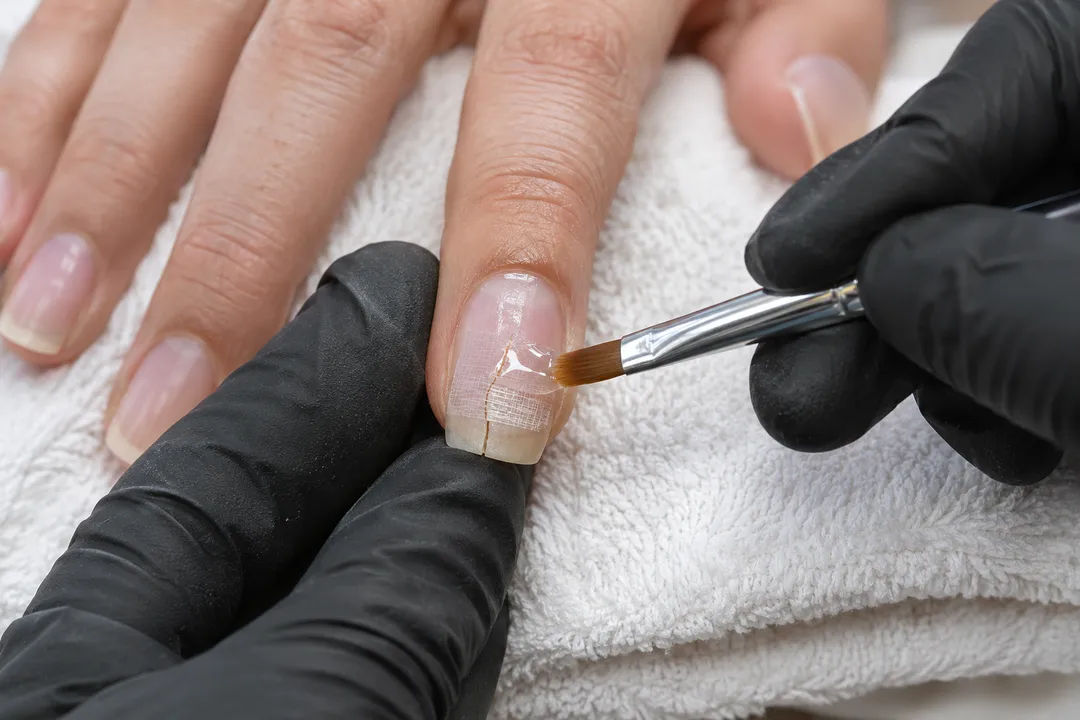
 Los Feliz Nail Salon Walk In Finder for Broken Nail Repair
Neighborhood Guides
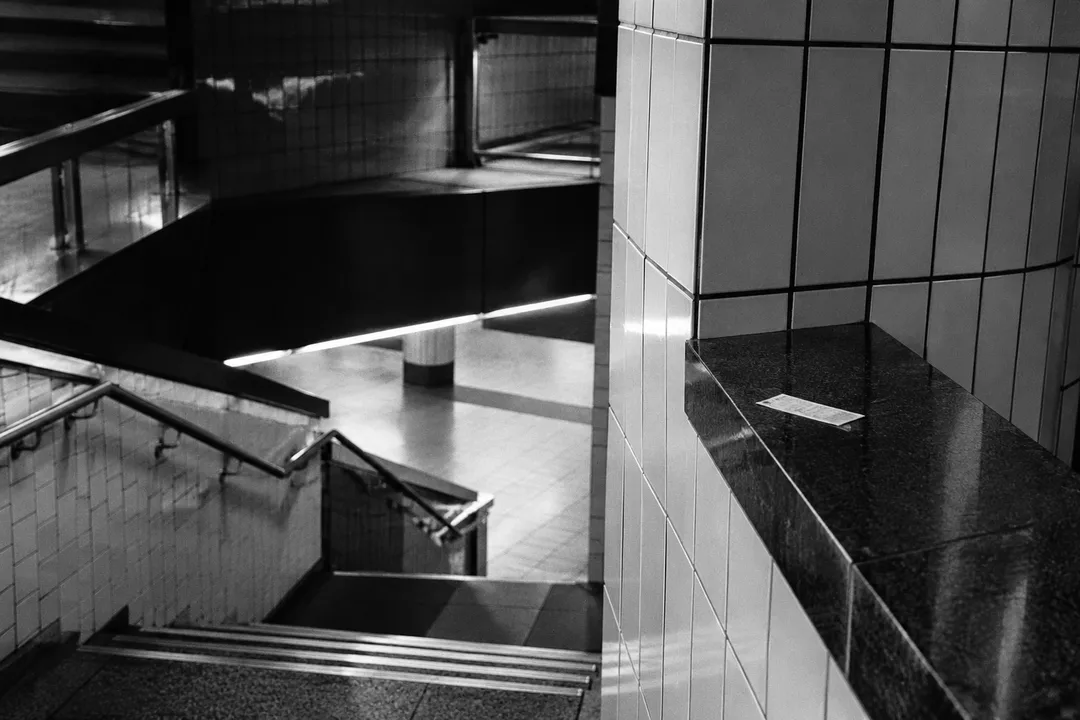
LA Transit Pitstop Planner: Koreatown Snacks Before a Ride
Plan a Koreatown night transfer around a clear return route and a carryable snack. Keep your group together and leave the queue when your cutoff arrives.
Evening traffic changes the shape of a short transfer. A station exit can be clear at one moment and packed after a train arrives. Tell Karpo APP where you begin, where you need to end, and how much time remains before the next ride. Ask it to keep the stop on the natural corridor, then treat the answer as a route choice rather than a promise that a counter is ready.
Start Before the Evening Crowd
Put orientation ahead of appetite. If you are unfamiliar with the area, a bright, direct path may be more valuable than a slightly closer shop hidden behind a busy block. Include a no-backtracking rule and say whether you need stairs avoided. The planner can then prefer a simple handoff and preserve enough margin for finding the correct platform.
A late food option outside the paid zone can be a trap. Exiting may require another tap, a street crossing, and a second search for the entrance. Ask the app to distinguish the controlled side from the public side. If the answer cannot establish that boundary, finish the transfer and make the meal decision after arrival.
Set a Realistic Cutoff

Carry a compact order that fits the evening. A closed cup or wrapped snack can move through a crowd; a wide tray cannot. Choose one item, keep your hands available, and skip modifications that lengthen the interaction. The tool can help you state those preferences, but it cannot guarantee a preparation time, so the clock must remain the deciding factor.
Watch for the queue that forms after work. A counter may look calm until a full train unloads, and a short line can still hide a slow pickup shelf. Define your leave rule before you step in: a crowd blocking the exit, no clear place to wait, or a cutoff that leaves too little platform margin. Follow the rule without negotiating with yourself.
Check Access Before Ordering
A group trip through Koreatown needs a meeting plan. Ask for a single stopping point on the same side of the gates and avoid sending one person ahead to order while others cross the street. Keeping the group together may mean skipping the purchase. That choice is especially reasonable when anyone has mobility, visibility, or language constraints.
Use a second message to remove one uncertainty at a time. “Takeaway only, bright route, no street crossing, and leave four minutes for the train” is actionable. If you want a snack rather than coffee, say so. A precise follow-up produces a shorter decision tree than asking the app to show every late-night possibility.
Keep the Carry Simple
The planner is not a live operations display. It cannot know whether a corridor is blocked, a lift is working, or a queue has just doubled. Keep your own observation in charge. If the scene differs from the answer, choose the safer visible route and let the purchase go. The value is the prepared fallback, not perfect prediction.
After pickup, do not add a second stop because the evening still feels open. The next platform, bus bay, or meeting point is the task. Keep the item closed, avoid eating on stairs, and walk directly toward the connection. A quiet, uneventful finish is the sign that the pitstop was well chosen.
Read the Queue and Leave Early
For a first-time visitor, name the landmark that helps you orient without turning it into a detour. Ask for the nearest recognizable entrance and a direct continuation. If the landmark sits beyond another gate, discard it. A good evening plan is easy to repeat when the lights, crowds, and station geometry feel unfamiliar.
If the temperature drops, include a short indoor pause rather than a long outdoor walk. Cold hands make lids, tickets, and bags harder to manage. The planner can compare an indoor counter with a no-purchase route, but you decide whether the extra minute is worth the comfort. Protecting dexterity is part of a transit plan.
Coordinate the Group
End the scenario with a clear handoff. Note the final corridor, your leave time, and where the group will reunite after the ride. Save that structure in Karpo APP for the next evening trip and change only the line or cutoff. A repeatable plan makes a crowded transfer feel like a sequence, not a scramble.
Evening planning benefits from an explicit “done” moment. Once the group reaches the correct corridor with the item secured, stop evaluating other options. That boundary prevents bright signs, late cravings, and a second queue from stretching the journey. A small rule can be more reliable than another recommendation when the neighborhood is active. Crowd comfort is personal, so name the part that changes your decision: noise, lighting, a narrow staircase, or a crowded pickup shelf. The planner can then explain why a simpler branch is better for this particular evening. The evening answer can be shorter than the question. One clear route, one cutoff, and one fallback are enough when the neighborhood is moving around you.
Refine the Request
Save the final route with the reason it worked: clear lighting, one shared meeting point, or a short return to the platform. The detail helps future Koreatown requests stay specific while allowing the time and line to change. This small agreement keeps the late transfer from becoming a series of fresh decisions at every junction. It also gives a companion a simple phrase to repeat when a bright storefront or a new queue appears. The route can stay short even when the evening keeps offering alternatives.
Koreatown evenings benefit from a firm end point. Once the item is secure and the correct corridor is visible, stop scanning storefronts. Save that choice with the scenario so a later night can change the line or weather without reopening every decision. A finished route is more useful than another tempting possibility. This final rule keeps the evening route practical when a platform sign or entrance changes.
Ask Karpo for more information.
Keep reading
- Los Feliz Nail Salon Walk In Finder for Broken Nail Repair
 Highland Park Nail Salon Walk In Finder for Retro Manicures
 Koreatown Nail Salon Walk In Finder for K-Beauty Nail Looks