 Burbank Film Memorabilia Collector Shop Walk: Studio Stash
Hidden Gems & Odd Finds
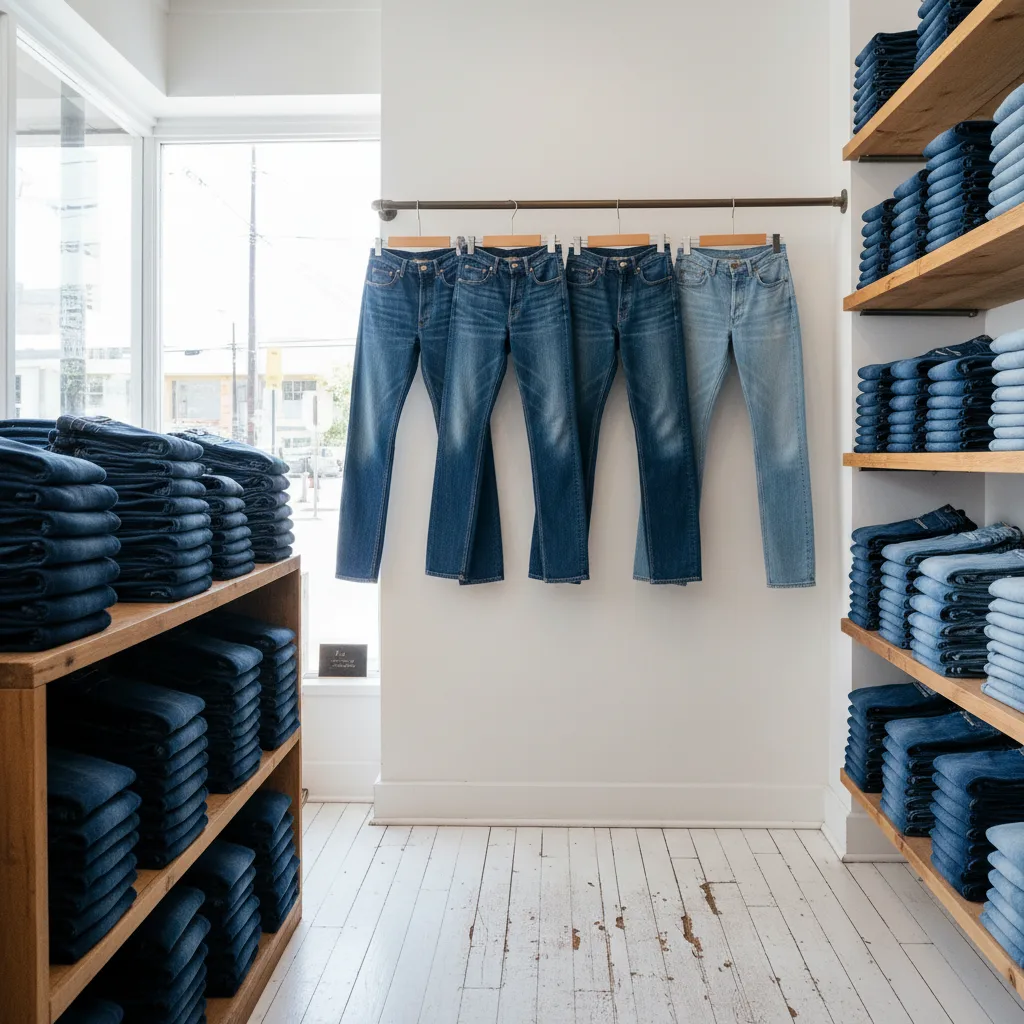
Sawtelle Thrift Store Crawl Planner: Find Your Denim Fit
Plan a Sawtelle thrift crawl for used denim: know your rise and inseam, dig racks for selvedge and good fades, check the crotch, then refuel with noodles.
Sawtelle Boulevard in West Los Angeles grew from a community of Japanese American gardeners and nurseries into one of the city's liveliest strips for ramen, boba and small streetwear and resale shops. That mix of Japanese influence and LA style shows up in the racks, where heavy denim and carefully worn jeans tend to turn up. This thrift store crawl planner is for anyone who has given up on finding jeans that fit, with a plan for learning your measurements, reading used denim and taking a noodle break between stops.
Why Sawtelle Is a Good Place to Hunt Denim
Japanese makers have shaped how the world thinks about denim, from heavy selvedge fabric to careful indigo dyeing, and Sawtelle's long ties to Japanese American families and businesses make it a natural place for that culture to show up. Resale and vintage shops along the strip and nearby blocks often stock jeans that someone wore for years and broke in by hand, alongside streetwear, workwear and plenty of ordinary pairs.
Used denim has a big advantage over new. The fabric has already shrunk, softened and shaped itself, and the fades show how it will age. Instead of guessing how a stiff new pair will feel after a year, you can try a pair that already lived that year and see the result in the mirror.
Learn Your Numbers Before You Go
Size tags on used jeans can be misleading, because denim shrinks and stretches over time and brands size differently. Before the crawl, lay your best fitting pair flat at home and measure four things: the waist straight across the top, the rise from the crotch seam to the top of the waistband, the inseam from crotch to hem and the leg opening at the bottom. Save those numbers in your phone.
Bring a soft tape measure to the shops. Measuring a pair on the hanger takes seconds and saves time in the fitting room line. Wear a fitted top and shoes you usually pair with jeans, so you can judge the length and break of the hem properly in the mirror.
First Stop: Sorting Racks by Rise and Cut
Start at shops with a big denim section and work through the racks by cut rather than size. Pull out a few straight, slim, tapered and wide pairs, and look at the rise first. A high rise sits near the belly button, a mid rise sits a little lower and a low rise sits near the hips. Your rise number from home tells you which ones are worth trying.
Look at the back pockets and seat too. Pockets that sit high and close together tend to flatter, while wide, low pockets can make jeans look baggy from behind. Hold each pair up to your waist and check the thigh width against your own. If it looks too narrow on the hanger, it will feel even tighter on your legs.
Second Stop: Reading Selvedge and Fades
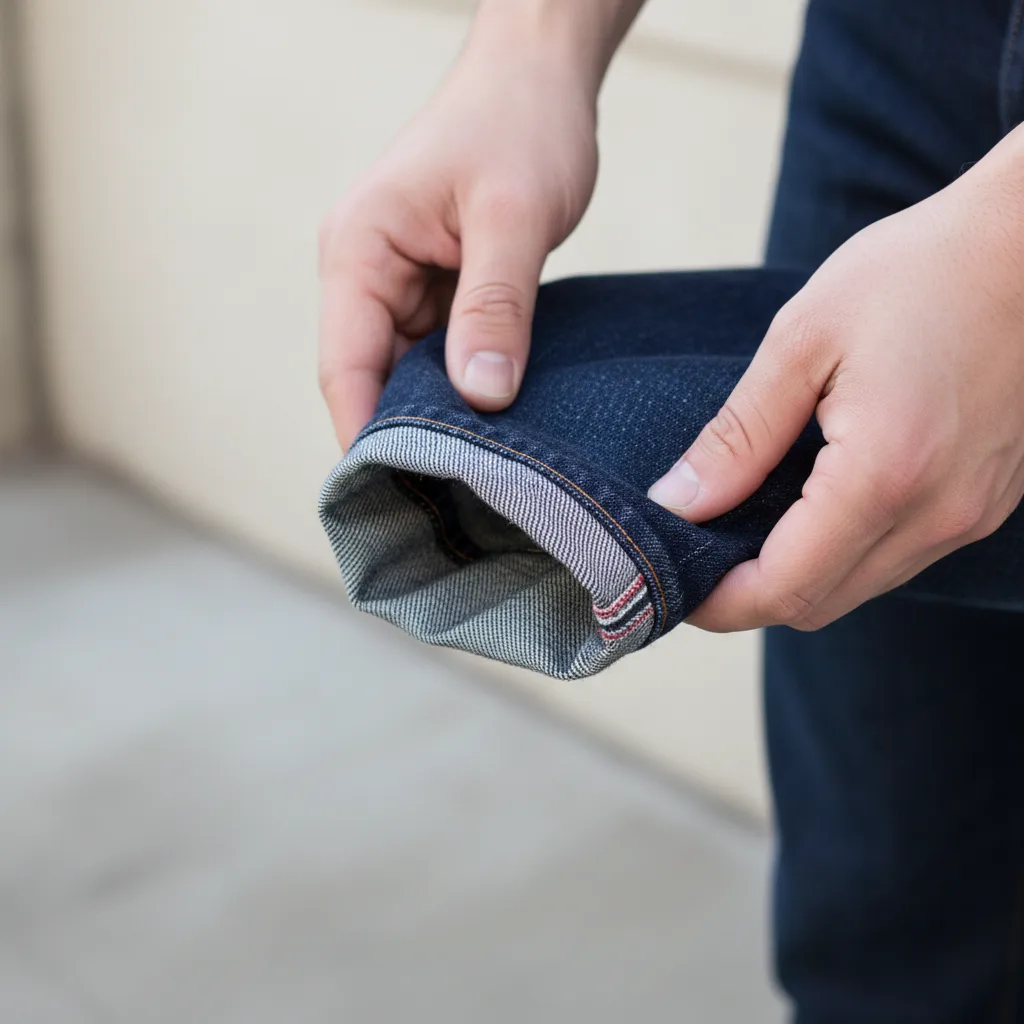
Selvedge denim is woven on older narrow looms, which leave a neat finished edge along the outer seam, often with a thin colored line. Turn up a cuff to look for it. It does not guarantee a great pair, but it often points to heavier, more carefully made fabric. Feel the weight in your hands, since thick denim holds shape and fades with more contrast.
Then look at the fades. Natural wear leaves lighter streaks at the hips, honeycombs behind the knees and lines along the seams. Real fades look uneven and soft, while factory distressing often looks too regular. A pair someone wore for a long time can show beautiful patterns that only develop with years of daily use.
Third Stop: Checking Wear and Repairs
The crotch and inner thighs are where jeans fail first. Hold each pair up to a light and look for thinning fabric in that area, which tends to tear soon after. Check the belt loops, the corners of the back pockets and the hem for fraying. A little fraying adds character, but holes near the seat are a warning sign.
Repairs are not always bad. Neat darning, patches on the inside and reinforced pockets can mean the previous owner cared about the jeans. Test the zipper or button fly a few times, and look for missing rivets. Small hardware problems are easy to fix, while big tears at stress points usually are not worth the trouble.
Take a Noodle Break on Sawtelle
Denim hunting is surprisingly tiring, so plan a break halfway through. Sawtelle is famous for its noodle shops, and a bowl of ramen or udon between stops is part of the fun of the crawl. Find a seat, set your bag down and look over the pairs you are considering, either in your bag or in photos on your phone.
Use the break to compare notes. Which pair matched your measurements best? Which one felt right in the mirror? It is easy to buy three pairs in the excitement of a good find, but one great pair often gets worn more than three almost-right ones. If you are with friends, ask for honest opinions while you eat.
Hemming, Washing and Breaking In
Once you find the right pair, think about the hem. Many used jeans are a little long, and a simple hem or a chain stitch hem from a tailor can make them look custom. Some people like to keep the original hem for its fades and have it reattached. Ask a local tailor which option suits the denim, and give them the shoes you plan to wear for the fitting.
Wash used jeans inside out in cold water and hang them to dry. Hot water and dryers shrink denim and fade it faster. After the first wash, wear them often so they settle to your body. Over months, the fades will start to reflect how you sit, walk and carry things, turning someone else's jeans into yours.
Build a Small Denim Rotation
Once you have one pair that fits, it becomes easier to find others. Note the measurements of your new favorite and use them on your next crawl. Many denim fans keep a small rotation, like a dark pair for nicer occasions, a faded pair for weekends and a loose pair for work or travel. Thrifting lets you build that rotation without spending as much as buying new.
Be patient with the process. Good jeans rarely appear on demand, and the joy of thrifting denim is in the hunt. A pair you found after several visits often becomes the one you wear most. Keep your numbers handy, check the racks whenever you are nearby and let the right pair find you.
Find More Denim Spots With Karpo
For your next hunt, open the Karpo APP and ask for vintage denim shops, resale stores or tailors around Sawtelle, West LA and Santa Monica. Karpo can suggest places that match the cut and style you are looking for, so your next crawl starts with a short, focused route.
Finding the right jeans is easier when you know your numbers, read the fabric and take time between stops. Measure at home, check rise and cut first, look for real fades, test the stress points and refuel with noodles on Sawtelle. The pair you bring home may already have years of stories in it, with many more ahead.
Ask Karpo for more information.
Keep reading
- Burbank Film Memorabilia Collector Shop Walk: Studio Stash
 Pasadena Film Memorabilia Collector Shop Walk: Classic Route
 Silver Lake Film Memorabilia Collector Shop Walk: Indie Lore