 Burbank Film Memorabilia Collector Shop Walk: Studio Stash
Hidden Gems & Odd Finds

Atwater Village Thrift Store Crawl Planner: Garden Finds
Plan an Atwater Village thrift crawl for your garden: hunt clay pots, sturdy old tools and patio chairs, test them for outdoor life, then walk the LA River.
Atwater Village is a small, leafy neighborhood tucked between the LA River and the Glendale border, with a main street of cafes, small shops and bungalows behind neat front gardens. People here take their yards, porches and balconies seriously, and the river path on the edge of town reminds everyone how much life the outdoors adds to a city day. This thrift store crawl planner is for anyone who wants a greener outdoor space without buying everything new, with a route for pots, tools, furniture and textiles, ending with a walk by the river.
Why Garden Thrifting Makes Sense
Outdoor gear is some of the best value on the secondhand market. Clay pots, cast iron tools and solid wood chairs were built to sit in sun and rain, and many older pieces are tougher than the light versions sold new today. Weathering is part of the charm, because a pot with a soft white bloom or a chair with sun-bleached slats already looks at home among plants.
Atwater Village is a natural place to start. The neighborhood's love of front gardens and patios means that when people move or redesign, good outdoor pieces tend to come up in nearby resale shops, vintage stores and yard sales. Combine that with Glendale Boulevard's cafes and the river path nearby, and you have an easy half-day route.
Map Your Space Before You Shop
Start at home with a quick sketch of your patio, balcony or yard. Measure the floor area, note where the sun falls through the day and mark any spots that get wind or heavy shade. Write down what you already have and what is missing, such as a place to sit, a small table, more pots or a shade cloth.
Think about weight as well. Balconies have limits, and heavy pots full of wet soil add up fast. If you rent, choose pieces you can move when you leave. Bring your measurements, a soft tape and a list of plants you hope to grow, so you can match pots to roots instead of buying on looks alone.
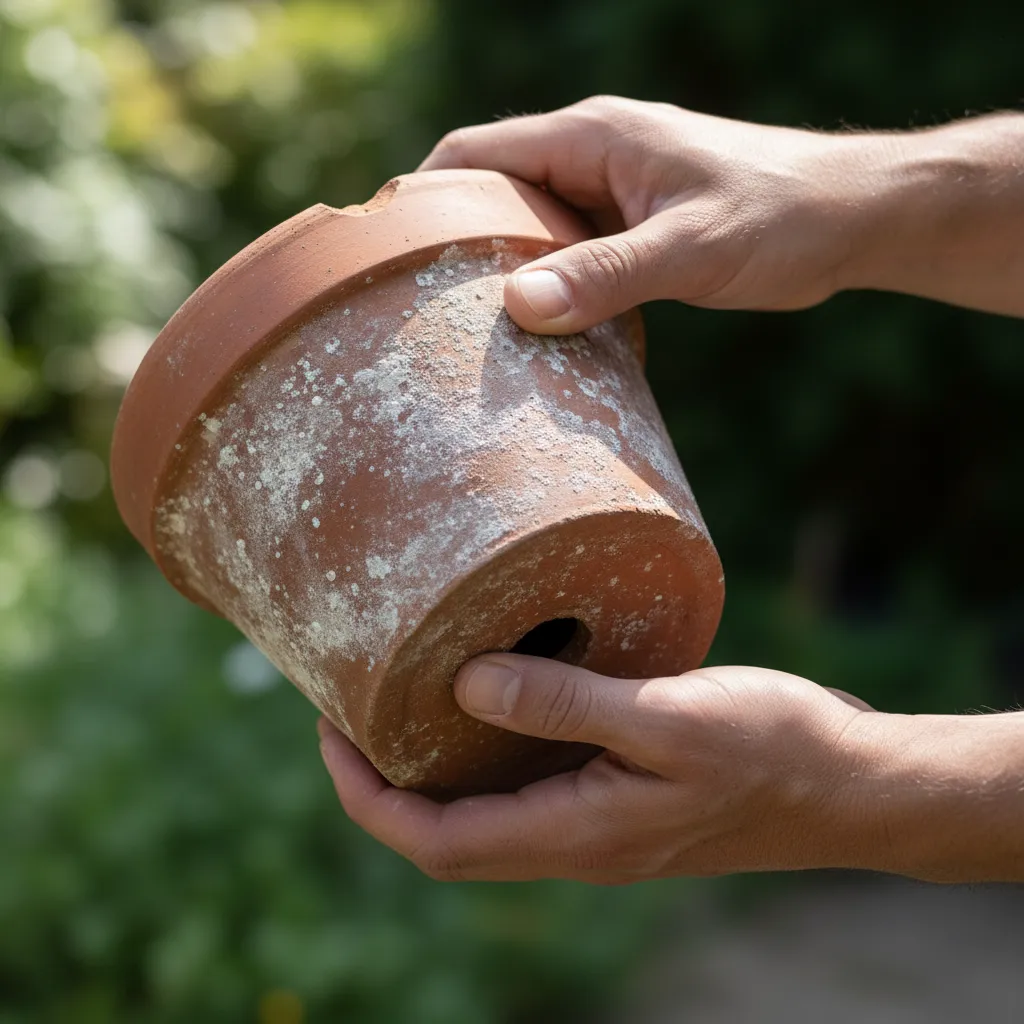
First Stop: Pots and Planters
Begin with pots, since they shape the whole space. Unglazed terracotta breathes and suits plants that like to dry out, such as succulents, rosemary and lavender. Glazed ceramic holds moisture longer and works well for ferns or herbs that like steady water. Tap each pot gently with a knuckle. A clear ring means it is sound, while a dull thud can mean a hidden crack.
Turn every pot over and check for a drainage hole. Without one, roots can rot quickly. A good shop find without a hole can still work as a cover pot, with a plastic nursery pot sitting inside. Look for groups of pots in similar colors or materials, since a cluster of mismatched terracotta in different sizes looks charming and natural on a step.
Second Stop: Old Tools That Still Work
Next, look for hand tools. Older trowels, forks, shears and watering cans often have thicker metal and sturdy wooden handles. Check that handles are tight and free of deep cracks. A little surface rust is easy to clean with a wire brush and some oil, but metal that flakes or bends easily is past saving.
Open and close shears and pruners a few times. They should move smoothly and meet cleanly at the tip. Dull blades can be sharpened, but a bent pivot or a loose spring is harder to fix. Metal watering cans should be checked for leaks along the seams by holding them up to the light, since even small pinholes will drip on your feet.
Third Stop: Chairs, Tables and Benches
Outdoor furniture is where thrifting really pays off. Look for solid wood, metal or wicker pieces with good bones. Sit in every chair and shift your weight side to side. If it wobbles, check whether a loose screw can be tightened or whether the joint is split. Rock a table gently to see whether the legs are level.
For wood, press a thumbnail into the feet and the lower legs, where moisture causes rot first. Soft or crumbly wood is a warning sign. Metal pieces should be checked for rust at welds and joints. Painted furniture with peeling layers may need stripping, and older paint can contain lead, so sand outdoors with a mask or choose pieces with bare finishes when you are not sure.
Fourth Stop: Outdoor Textiles and Lighting
Textiles make a patio feel finished. Look for outdoor cushions, heavy cotton or canvas fabrics, woven rugs and old blankets that can live on a covered porch. Smell cushions closely, since a musty smell usually means mold inside the foam, which rarely goes away. Canvas and cotton can be washed and treated with a water repellent spray at home.
Lanterns, candle holders and string light hooks are also easy finds. Check that glass is not chipped and that metal frames still close properly. Soft light in the evening changes how a small outdoor space feels, turning it from a storage corner into a place to sit with friends after dark.
Take a Coffee Break on Glendale Boulevard
Plan a break midway. Glendale Boulevard runs through the heart of Atwater Village with cafes, bakeries and small spots to sit. It is a good moment to lay out your list and photos, compare finds and decide whether that heavy pot or that wobbly bench is really worth carrying home.
If you are shopping with a partner or roommate, use the break to agree on a color story. Earthy terracotta, weathered wood and soft green fabrics fit most outdoor spaces. Picking a palette now keeps you from coming home with a pile of things that do not go together.
Walk the LA River Path
Finish the crawl along the LA River. The path on the Atwater side runs beside a softer stretch of the river where willows, reeds and birds have moved back in. Watching herons fish among the rocks is a good reminder of how much nature can return to a small space with a little care.
The walk can also inspire your own garden. Notice which native plants grow along the banks and how they handle sun and dry spells. Many of them are well suited to Los Angeles yards and balconies, and they attract birds and bees. Take photos of anything you like and look for similar plants at a local nursery.
Bringing Your Finds Home
Clean everything before it goes outside. Scrub pots with warm water and a little vinegar to remove old soil and white mineral deposits. Wash fabrics and let them dry in the sun. Tighten screws on furniture, oil wooden surfaces and treat bare metal with a rust-resistant finish so your pieces last through winter rain.
Arrange the space slowly. Place the largest pieces first, then add pots and textiles, and live with the setup for a few days before moving things around. Small changes like shifting a chair toward the morning sun can make a big difference. The best outdoor spaces grow over time, one good find at a time.
Plan Your Next Garden Crawl With Karpo
When you are ready for another round, open the Karpo APP and ask for resale shops, vintage stores, garden centers or plant nurseries around Atwater Village, Glendale and Silver Lake. Karpo can suggest places that fit the style and space you are working with, so your next trip is short and focused.
A beautiful outdoor space does not need to come from a catalog. Measure your space, choose pots by plant, test old tools, sit in every chair, check textiles for mold and take a coffee break before the river walk. With patience and a few lucky finds, your patio or balcony can become a favorite room of your home.
Ask Karpo for more information.
Keep reading
- Burbank Film Memorabilia Collector Shop Walk: Studio Stash
 Pasadena Film Memorabilia Collector Shop Walk: Classic Route
 Silver Lake Film Memorabilia Collector Shop Walk: Indie Lore