 Lincoln Heights Champurrado Winter Cafe Picker: Two Routes
Coffee & Dessert
Sawtelle Tea Room Afternoon Picker for Family History Talks
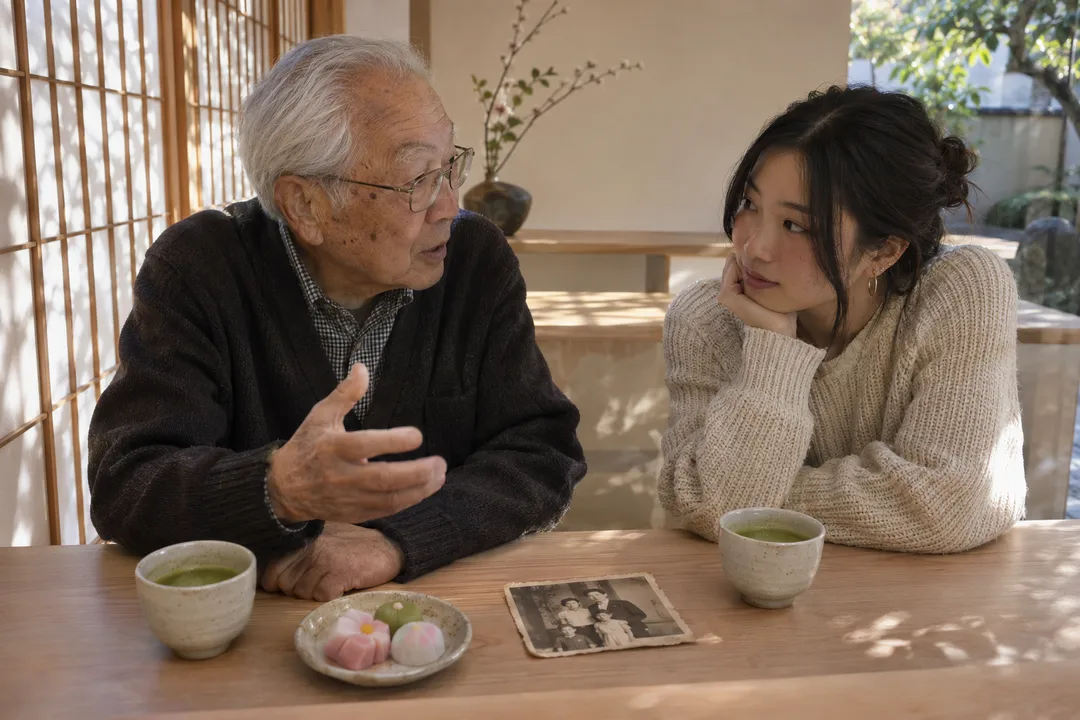
Taking a grandparent back to Sawtelle? Pick a calm Japanese tea room, order sencha and soft sweets, and let the old garden-nursery street bring out stories.
Sawtelle is famous today for ramen queues and boba lines, but for many Japanese American families it is something quieter: the street where a grandparent grew up, where relatives ran gardening businesses and where the community rebuilt after the war. If you have a grandparent with roots here, an afternoon at a calm tea room is one of the best ways to hear those stories. This guide helps you pick a room where an older person feels at ease, the tea is gentle and the conversation can wander back in time.
The Street Behind the Ramen Lines
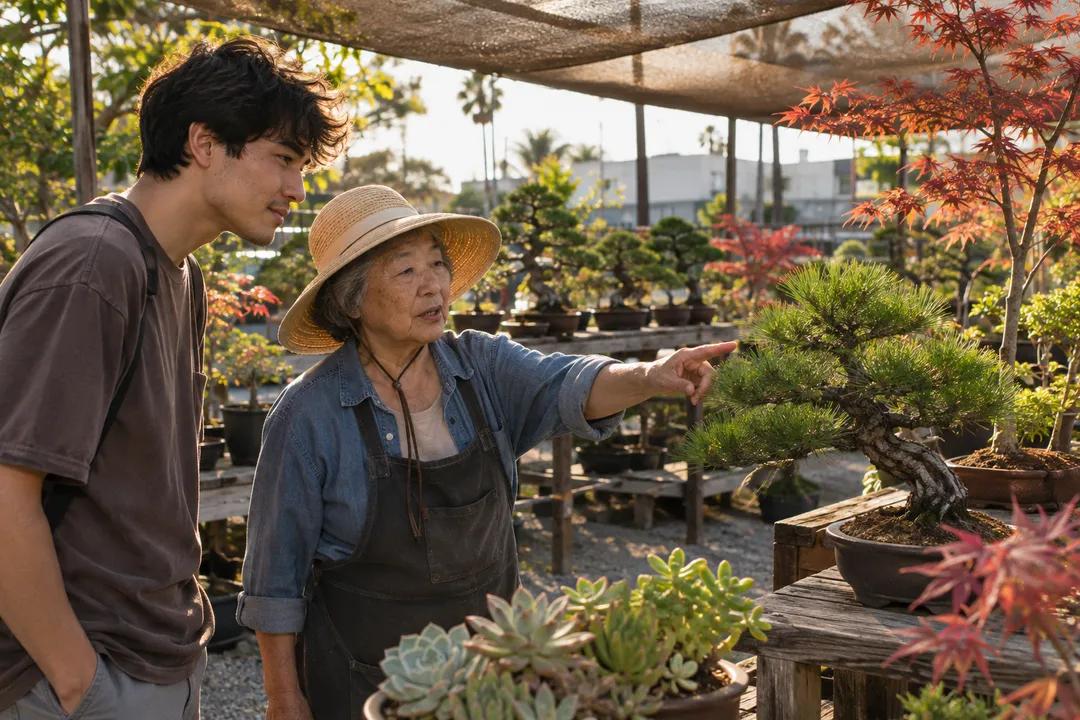
Long before the food crowds arrived, Sawtelle was a working neighborhood for Japanese American families in West Los Angeles. Many of them made their living as gardeners, tending lawns across the Westside, and plant nurseries lined the street to supply them. A few nurseries still sit between the restaurants today, rows of bonsai and potted maples behind shade cloth, and they are often the first thing an older relative will point to when you arrive.
That history includes painful chapters. Families were forced to leave during the wartime incarceration of Japanese Americans, and many returned afterward to start again with very little. Your grandparent may talk about this freely, or they may not want to at all. Let them set the pace. A tea room afternoon is not an interview. It is a chance to sit together in a familiar place and see which memories surface on their own.
Choosing a Tea Room an Elder Will Enjoy
The trendy side of Sawtelle is loud, busy and young. Bubble tea shops pump music, queues spill onto the sidewalk and tables turn over fast. That is fun with friends, but it is not where a grandparent will open up. When you search on Karpo APP, look for places that focus on brewed Japanese tea, with simple wooden interiors, chairs with backs and a counter or table where you can sit side by side rather than shouting across a gap.
Comfort matters more than décor. Check whether seating is low cushions or regular chairs, because floor seating can be hard on older knees. A table near the window gives natural light for looking at old photos. Quiet music and a staff that does not hurry you are worth more than an impressive menu. You want a room where nobody will mind if you stay a long time over a single pot.
What to Order When the Talk Matters
Keep the order simple and familiar. A pot of sencha is clean and grassy, the everyday green tea many Japanese American households knew well. Hojicha, roasted until it turns brown, is mellow and low in caffeine, a good choice for a late afternoon. Genmaicha, green tea with toasted rice, has a nutty warmth that often reminds older people of home. Let your grandparent choose. Their pick may tell you something about the kitchen they grew up in.
Pair the tea with wagashi, the soft Japanese sweets made from rice flour and sweet bean paste. Mochi, dorayaki or a simple slice of yokan are easy to eat and gentle on the stomach. Ask whether your grandparent remembers a particular sweet from childhood, maybe something made for New Year or bought on special visits. That small question can unlock a whole afternoon of stories about holidays, aunties and family gatherings.
Bring a Photo or Two to the Table
One of the easiest ways to start a family history conversation is to bring a single old photograph. A wedding portrait, a picture of the family business or a snapshot of a street that looks nothing like it does today will draw out names and dates far better than direct questions. Keep it in a sleeve so it does not get tea on it, and lay it flat on the table between your cups.
Ask open questions and then wait. Who is standing at the back? Where was this taken? What happened to that truck? Older people often need a moment to gather a memory, and the quiet rhythm of pouring and sipping gives them that time. If you want to keep notes, ask permission first and use a small notebook rather than a phone, which can make the conversation feel like a recording.
Walking the Nurseries After Tea
When the pot is empty, take a slow walk along the street and stop at one of the old garden nurseries. For a grandparent whose family worked as gardeners, the smell of damp soil and the rows of pines, junipers and maples can bring back a flood of memories. Many will start explaining how a tree should be pruned or which plants their father favored, and you may learn more in ten minutes here than over the whole tea.
Keep the walk short and flat, and take breaks in the shade. The side streets off the main strip are calmer, with small houses and gardens that hint at the neighborhood's older character. If your grandparent tires, sit on a bench and simply watch the street. Watching a young crowd line up for ramen where they once played as children can lead to some very funny comparisons between then and now.
Timing the Visit Around the Crowds
Sawtelle gets very busy in the evenings and on weekends, when diners from across the city arrive for dinner. Plan your tea for a weekday afternoon if you can, when the street is calmer, parking is less stressful and tea rooms have spare tables. Arriving after the lunch rush gives you a gentle window before the dinner crowds start building, which is ideal for an older guest who dislikes noise.
Think about the drive too. Westside traffic can be tiring, so a grandparent may appreciate being dropped near the door while someone else parks. Bring a light jacket, since ocean breezes can cool the late afternoon quickly, even in warm months. Small comforts like these keep the focus on the conversation rather than on the logistics of getting there and back.
Keeping the Stories After You Leave
On the drive home, while the afternoon is fresh, jot down the names, places and small details you heard. A grandparent's memory of a corner store or a neighbor's dog may seem minor today, but these details become precious later. Share a short note with siblings or cousins, and ask whether they know more. Family history often grows when several people add their own pieces to the story.
If the afternoon goes well, make it a regular outing. Karpo APP can suggest other quiet Japanese tea rooms around West Los Angeles, so you can rotate between them and keep the visits feeling new. Each time, bring a different photograph or ask about a different decade. Over a year of afternoons, you may end up with a family story that no one had ever written down before.
Ask Karpo for more information.
Keep reading
- Lincoln Heights Champurrado Winter Cafe Picker: Two Routes
 Pico-Union Champurrado Winter Cafe Picker: Two Easy Ways
 Highland Park Champurrado Winter Cafe Picker: Two Avenues