 Lincoln Heights Champurrado Winter Cafe Picker: Two Routes
Coffee & Dessert
Culver City Tea Room Afternoon Picker for Screenwriters
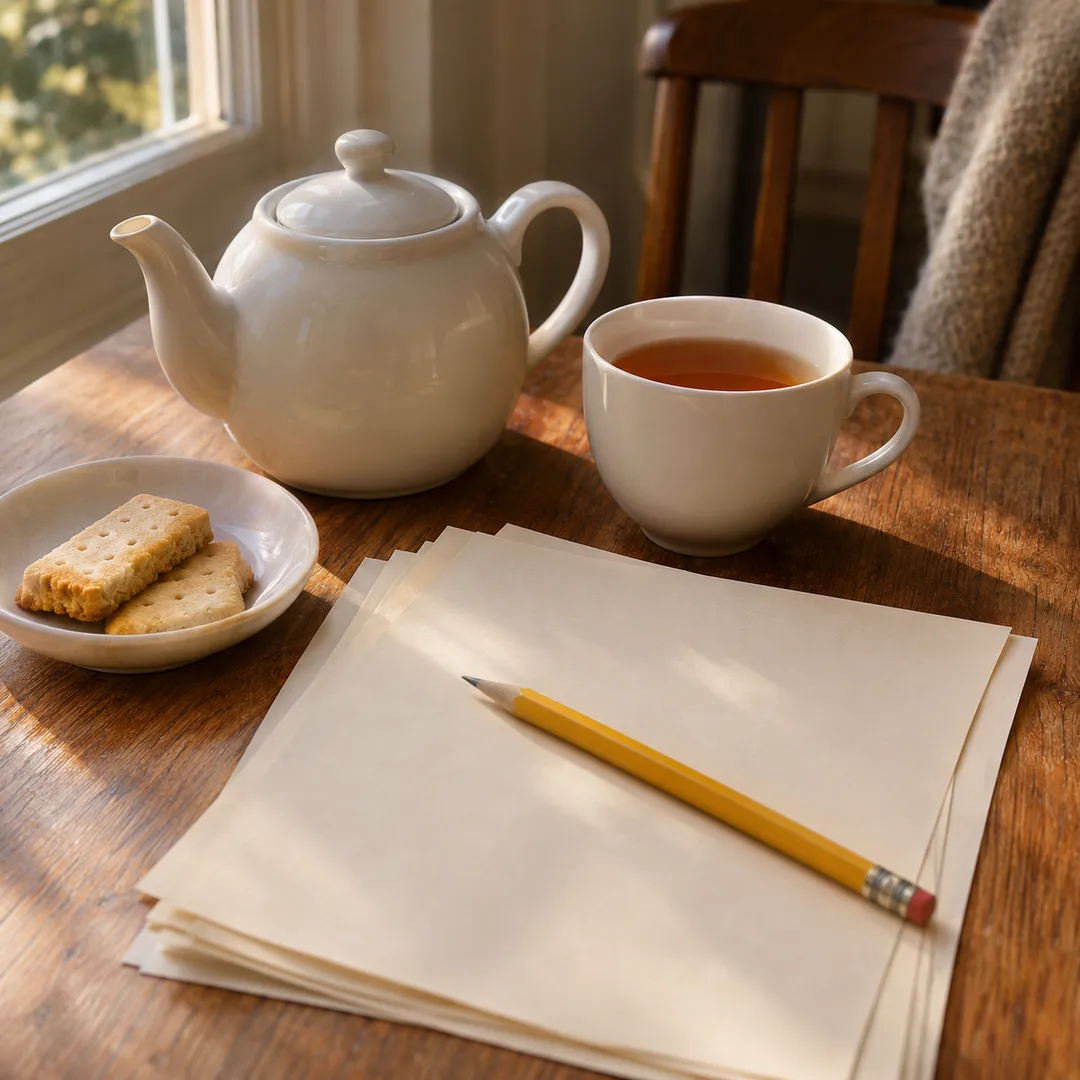
A Culver City tea room afternoon picker for screenwriters: pick a quiet table, pace pots to your pages, hold a table read with a friend, then walk it off.
Culver City has been a working town for storytellers for about a century, and on any weekday afternoon you will see laptops, notebooks and printed pages spread across its café tables. A tea room is a quieter choice than a busy coffee bar. Pots last longer than cups, the room tends to be calmer, and the ritual of pouring gives your brain a natural pause between scenes. This tea room afternoon picker is built for screenwriters and anyone with pages due: how to choose the table, how to pace the pots, and how to finish the day on your feet.
Why Tea Suits a Writing Session
Coffee is a sprint. Tea, especially a full pot of something mellow, is closer to a long take. The caffeine arrives gently, the warmth keeps your hands busy while you think, and topping up your cup gives you a reason to look up from the screen every fifteen minutes or so. Many writers find that this rhythm matches the beat of drafting a scene, stopping, and reading it back.
There is also a social signal. A teapot on the table tells the staff and the people around you that you plan to stay a while and that you are comfortable at a slower pace. It changes the mood of the afternoon from a quick errand into a session, which is exactly what a stubborn second act needs.
Choosing the Right Table
Walk the room before you sit. Look for a table near a wall rather than in the middle of the floor, where chairs scrape and people pass behind you. A spot with natural light is worth a lot on a long afternoon, but avoid direct sun on your screen. If there is a window counter, it can be ideal for solo drafting, while a small round table works better if a writing partner will join you later.
Notice the sound. Some tea rooms play soft music and have a low murmur of conversation, which many writers like as background. Others are nearly silent, which is perfect for focus but makes phone calls rude. Decide before you settle in whether this is a heads-down drafting day or a day for talking through story problems, and choose the room to match.
Pacing the Pots to Your Pages
A useful habit is to tie each pot to a writing goal. Order the first pot when you sit down and promise yourself a set number of pages before the next one. A light green or white tea is a good opener because it rewards slow sipping. When the first pot is gone and the pages are done, a second, stronger tea such as an Assam or a roasted oolong can carry you through rewrites.
Do not let a pot go cold and ignored. If you notice you have stopped pouring, that is often a sign you have stopped writing too. Use the moment to stand, stretch and reread the last page aloud under your breath. Then ask for hot water to refresh the leaves if the room offers it, and dive back in.

What to Order to Keep Your Head Clear
Heavy cakes and rich sandwiches can make the late afternoon feel sleepy. If the menu offers a full tiered service, save it for a celebration. On a working day, pick one small savoury item and one simple sweet, such as a scone or a plain biscuit, and spread them across the session. Something salty midway through helps when your focus starts to drift.
Caffeine is worth planning too. If you tend to write late into the evening, switch to a caffeine-free infusion such as rooibos, chamomile or a fruit blend for the last pot. You get the same comforting ritual without lying awake at midnight replaying dialogue in your head.
Holding a Table Read Over Tea
Tea rooms are surprisingly good places for a small table read with one or two friends. Print a few short scenes rather than the whole script, give each person a role, and read in a low, conversational voice. The cups and the pauses for pouring keep the reading relaxed, and you will hear clunky lines much more clearly than when you read alone.
Be considerate of the room. Pick a corner, keep the volume down, and avoid big emotional scenes that involve shouting. Afterwards, let each reader name one moment that worked and one that confused them. Write the notes straight onto the pages while the tea is still warm and the memory is fresh.
Etiquette for Staying a While
If you plan to stay for several hours, order steadily rather than nursing one pot all afternoon. A second pot or a small plate halfway through is a fair exchange for the table. If the room fills up and people are waiting, it is good manners to pack up or offer to share a larger table.
Keep your setup compact. One laptop, one notebook and your pages should fit within your own space without spilling into the next table. Use headphones for any audio, and take calls outside. Small courtesies like these are what make staff happy to see you return for your next draft.
Breaking the Block With a Walk
When a scene refuses to work, leave it on the table for a few minutes and walk around the block. Culver City has wide, walkable downtown streets and plenty of shade from street trees. Look at how people move and talk; overheard fragments have rescued many stuck scenes. A loop of ten to fifteen minutes is usually enough to reset.
For a longer break at the end of the day, the Ballona Creek path is a flat place to walk or bike while you think through structure. Moving in a straight line along the water seems to help many writers untangle plot problems. Bring a notebook, because ideas often arrive in the middle of the walk.
Matching the Tea Room to Your Draft
Different stages of writing suit different rooms. Outlining and brainstorming work well in a lively, bright space where you can sketch on paper and talk aloud. First drafts like a calm, steady room with good light and little foot traffic. Polishing and proofreading need quiet above all, so look for the stillest corner you can find.
If you write with a partner, choose a room with tables wide enough for two laptops facing each other. Solo writers can be happy at a narrow counter. Over time you will build a small rotation of favourite spots, each one matched to a particular kind of work.
Who This Afternoon Suits
This plan is shaped around screenwriters, but it works for anyone with focused creative work to do: novelists, podcast producers writing episode outlines, students working on a thesis, or people writing personal letters and journals. It also suits people working on a script for the first time who want a ritual to make the habit stick.
It is less suited to large writers' rooms or loud brainstorming groups, which need a private space. If you are more than three people, a meeting room or a home table is a better match. Keep the tea room for small, focused sessions where conversation stays soft.
Seasons and Weather
Los Angeles weather rarely gets in the way, but it does change the mood of the afternoon. On warm days an iced tea or a cold-brewed oolong can keep you refreshed without the heaviness of a sugary drink. On cooler winter afternoons, and during the occasional rainy week, a steaming pot of black tea and a window seat make writing feel cosy.
Late afternoon light in autumn is especially beautiful, and it fades quickly. If you like working by daylight, start your session earlier in the cooler months so that your best writing hours fall before sunset.
Finding a Writing-Friendly Tea Room With Karpo
Every writer has different needs, from a silent corner to a gently buzzing room with long tables. Tell Karpo what kind of session you are planning, how long you want to stay and whether a partner will join you, and it can point you toward tea rooms around Culver City that fit the mood.
Karpo can also help you shape the whole afternoon, from the first pot to a walk along the creek afterwards. Treat it like a production assistant for your writing day, so all you have to bring are the pages and a pencil.
Ask Karpo for more information.
Keep reading
- Lincoln Heights Champurrado Winter Cafe Picker: Two Routes
 Pico-Union Champurrado Winter Cafe Picker: Two Easy Ways
 Highland Park Champurrado Winter Cafe Picker: Two Avenues