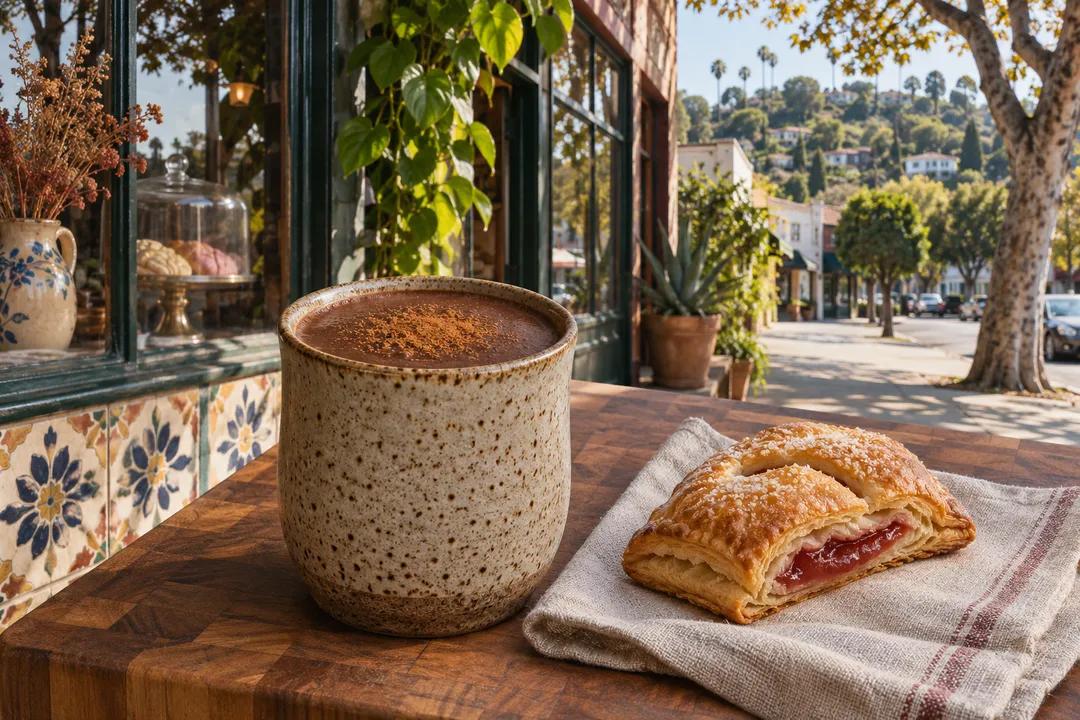
 Lincoln Heights Champurrado Winter Cafe Picker: Two Routes
Coffee & Dessert
Niko-an Teahouse Pasadena Storrier Stearns Japanese Tea House Ceremony and Garden Guide
A Pasadena guide to Niko-an Teahouse at Storrier Stearns Japanese Garden, featuring authentic Chanoyu matcha ceremonies, tatami seating, and strolling ponds.
The Niko-an Teahouse, nestled within the Storrier Stearns Japanese Garden in Pasadena, provides one of the most historically significant and serene settings for traditional Japanese tea culture in California. Built between 1935 and 1940 by master landscape designer Kinzuchi Fujii, this authentic pre-World War II hill-and-pond stroll garden is listed on the National Register of Historic Places. At its tranquil heart stands Niko-an, a master-crafted tea house constructed using traditional joinery and natural cedar, dedicated to the art of Chanoyu.
The name Niko-an translates poetically as Abode of Two Aromas, referencing the dual fragrances of green tea and garden pine blossoms that mingle within its cedar walls. Originally conceived as a cultural retreat for Charles and Ellamae Storrier Stearns, the teahouse was painstakingly restored by the garden's preservation trust following decades of careful research. Today, it serves as a living cultural bridge, welcoming visitors into the disciplined, meditative world of the Japanese Way of Tea.
Approaching Niko-an is an intentional ritual in itself, designed according to classic Japanese tea garden aesthetics. Guests follow a winding flagstone path, or roji, designed to foster a mental transition away from worldly anxieties and toward inner stillness. Along the path, visitors pass mossy granite stone lanterns, a bamboo water basin for ritual hand purification, and a tranquil pond filled with colorful koi fish gliding beneath arching Japanese maples.
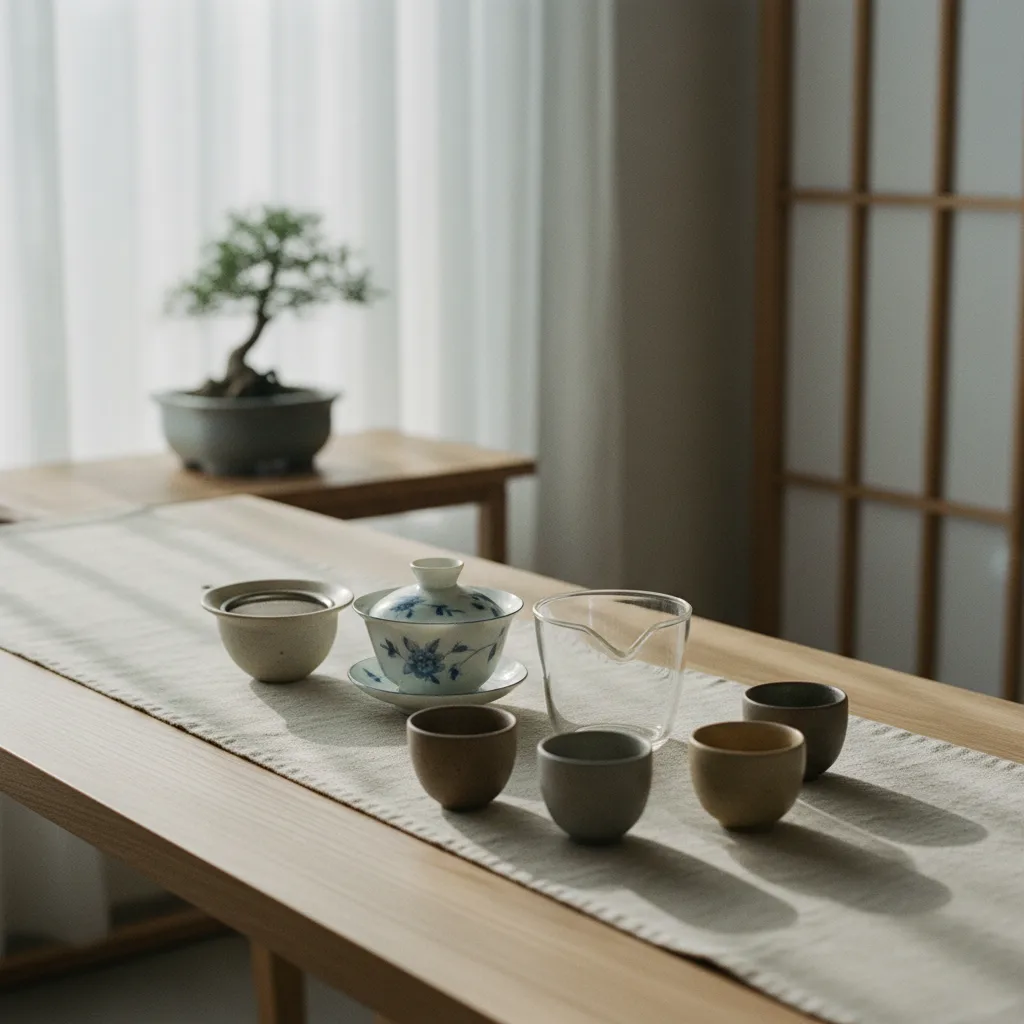
Inside Niko-an, the interior conforms strictly to classical tea architecture, featuring tatami straw floor mats, sliding shoji paper screens, and a seasonal tokonoma scroll alcove. The alcove displays a carefully selected seasonal calligraphy scroll alongside an austere seasonal flower arrangement, or chabana, reflecting the philosophical principle of ichigo ichie—cherishing this single, unrepeatable moment in time.
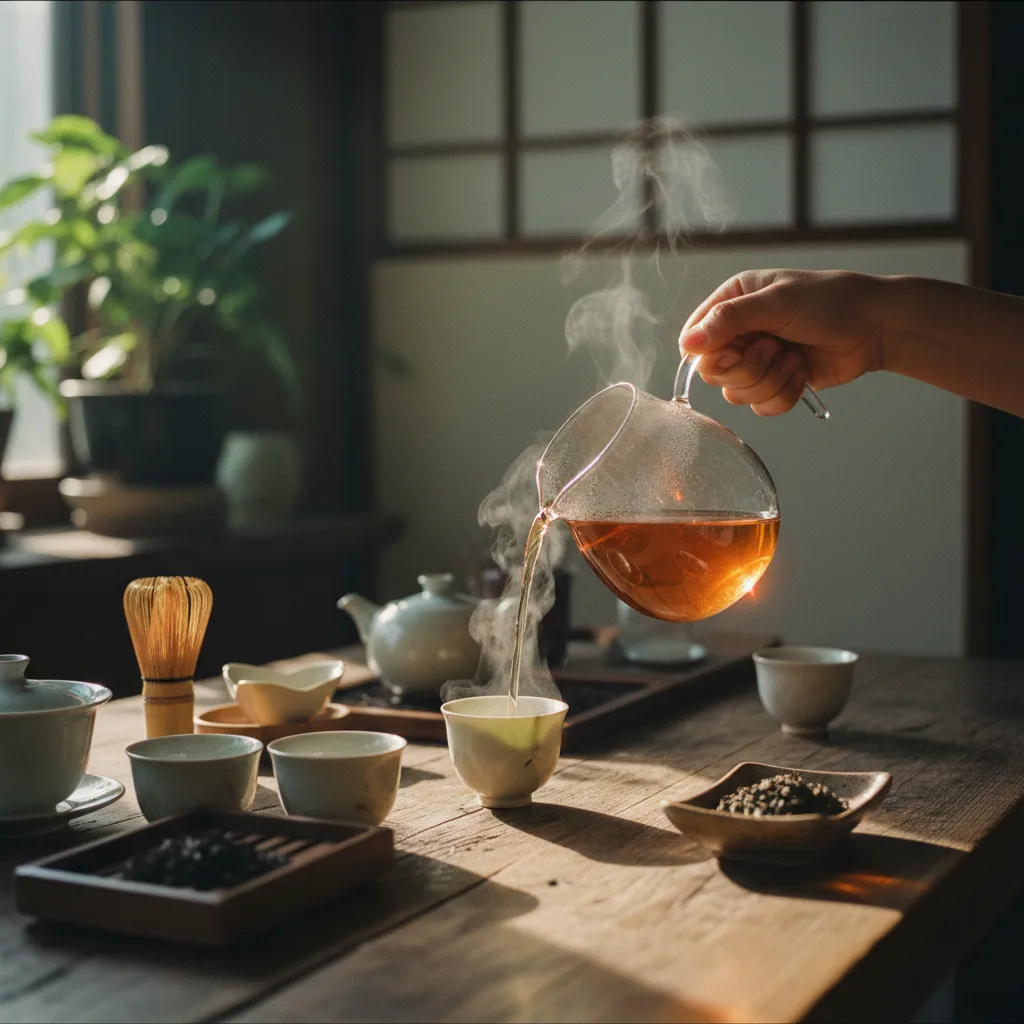
Public tea ceremony demonstrations are conducted by licensed tea masters from the prestigious Urasenke and Mushanokoji Senke schools of tea. Guests observe the graceful choreography of the tea practitioner as water is ladled from an iron kettle, ceremonial matcha powder is scooped from a lacquer caddy, and hot water is vigorously whisked into a jade froth using a carved bamboo chasen. Every movement is performed with deliberate grace, embodying harmony, respect, purity, and tranquility.
Each participant in the ceremony is served a seasonal Japanese sweet, or wagashi, crafted from sweet azuki bean paste or rice flour, designed to balance the intense herbal bitterness of ceremonial matcha. Guests are gently instructed in traditional tea room etiquette, learning how to rotate the ceramic tea bowl to admire its craftsmanship, express gratitude to the host, and savor the rich, umami-laden green tea liquor.
The annual calendar at Storrier Stearns Japanese Garden features special cultural milestones, most notably the celebrated Pasadena Festival of Tea held every spring. During this signature event, attendees sample tea varietals from diverse global traditions—including Japanese, Taiwanese, Chinese, and Indian teas—while enjoying educational lectures, koto musical performances, and intimate tea ceremonies within Niko-an.
The surrounding stroll garden provides an extraordinary botanical backdrop, featuring century-old camellia shrubs, weeping willows, sculpted black pines, and two interconnected cascading ponds crossed by stone bridges. After participating in a tea demonstration, visitors are encouraged to wander the perimeter pathways, listening to the soothing murmur of the garden waterfalls and admiring the shifting seasonal foliage.
Located in an elegant residential pocket of southwestern Pasadena on Arlington Drive, the garden feels remarkably secluded despite its proximity to the 110 Freeway and Old Pasadena. Parking is readily available along Arlington Drive and adjacent neighborhood streets, and advance online ticket reservations are required for admission and tea ceremony participation to preserve the garden's peaceful ambiance.
Private docent-led garden tours and intimate corporate retreat packages can be arranged, offering deeper historical context on Kinzuchi Fujii's architectural legacy and the heroic community preservation efforts that saved the garden from commercial subdivision. These programs allow small groups to experience the quiet splendor of Niko-an in a contemplative, private setting.
The preservation society works closely with cultural educators and Japanese American civic groups to maintain authentic gardening techniques, including hand-pruning of specimen pines and natural algae control in the ponds. Supporting garden admissions and teahouse events directly contributes to the ongoing maintenance of this irreplaceable cultural treasure for future generations.
For photographers, historians, and cultural enthusiasts, visiting Niko-an offers a rare glimpse of authentic Japanese craftsmanship that survived wartime upheaval and modern urban development. The cedar timbers, aged bamboo ceilings, and earthen plaster walls possess a timeless wabi-sabi beauty that honors natural imperfection and quiet historic dignity.
Guests frequently describe their time at Niko-an as a deeply centering spiritual respite, noting how the combination of flowing water, ceremonial matcha, and ancient garden design restores a profound sense of inner equilibrium. It provides a sanctuary where centuries-old mindfulness rituals offer solace from the stresses of modern Southern California life.
Ultimately, the Niko-an Teahouse at Storrier Stearns Japanese Garden stands as one of the most authentic and sublime tea destinations in North America. By preserving the timeless rituals of Chanoyu within an exquisite historic garden setting, this Pasadena landmark provides an unforgettable cultural sanctuary for all who step across its threshold.
The seasonal rhythm of the Storrier Stearns Japanese Garden directly informs the aesthetic choices within the Niko-an Teahouse throughout the changing year. In winter, the charcoal brazier is moved closer to guests to impart physical and emotional warmth, while in summer, an open water vessel is utilized to evoke cooling breezes and sparkling garden ponds. This seasonal mindfulness attunes visitors to the subtle shifts in nature that often go unnoticed in urban Southern California.
The preservation society actively collaborates with local school districts and universities, organizing educational field trips that introduce students to the philosophical tenets of the Way of Tea. By teaching young people the fundamentals of mindful presence, reciprocal bowing, and aesthetic reverence, the garden ensures that Fujii's historic vision of cross-cultural harmony continues to educate and inspire future generations.
Ask Karpo for more information.
Keep reading
- Lincoln Heights Champurrado Winter Cafe Picker: Two Routes
 Pico-Union Champurrado Winter Cafe Picker: Two Easy Ways
 Highland Park Champurrado Winter Cafe Picker: Two Avenues