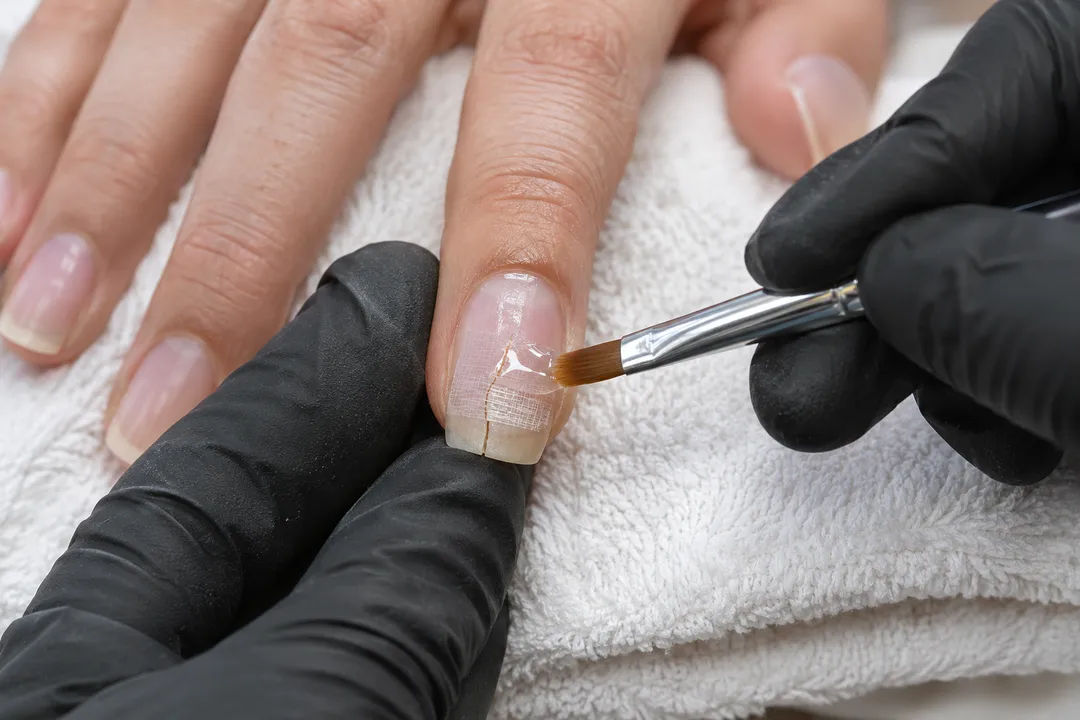
 Los Feliz Nail Salon Walk In Finder for Broken Nail Repair
Neighborhood Guides
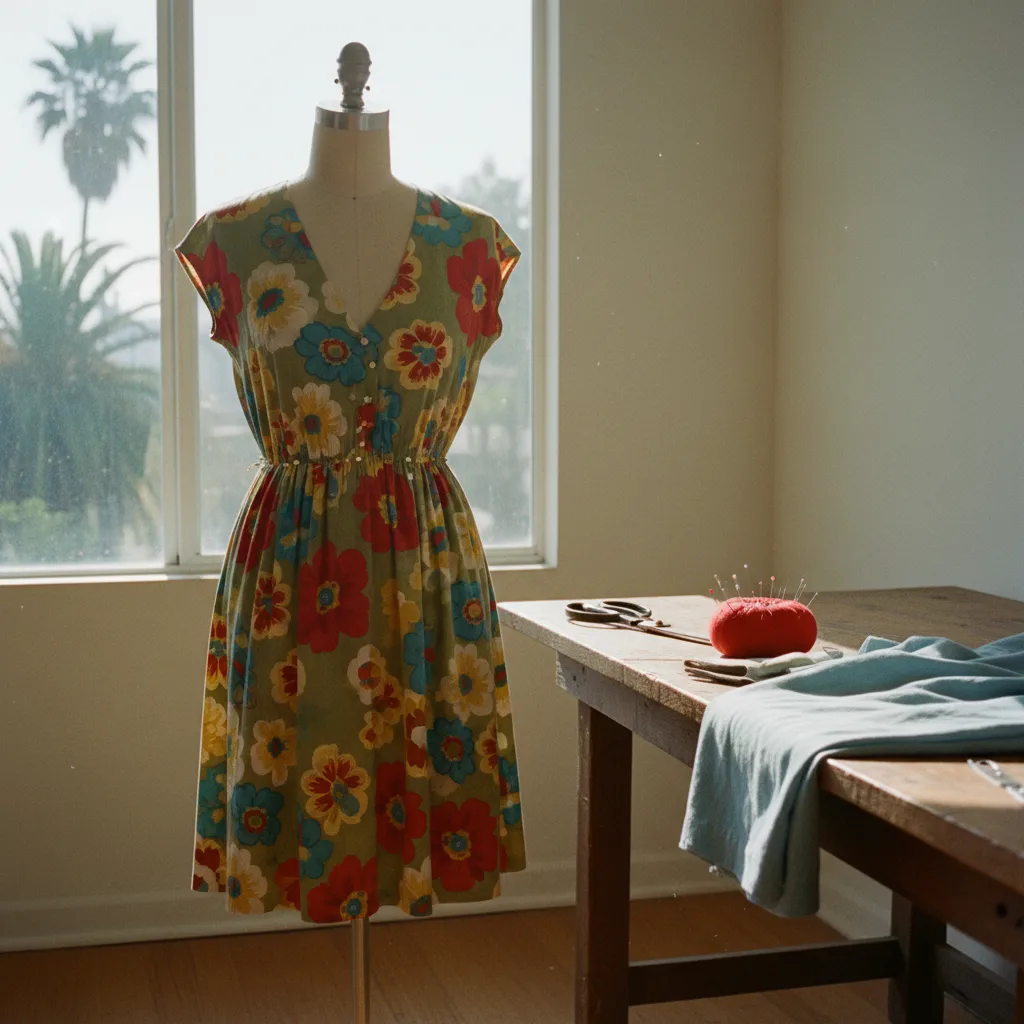
Silver Lake Tailor Alteration Shop Finder: Vintage Fit Fixes
Use this Silver Lake tailor alteration shop finder to fit vintage buys: which seams can move, how to explain the look you want, and a reservoir loop after.
In Silver Lake, the closet is often older than the person wearing it. The neighborhood has long drawn musicians, set designers and vintage collectors, and the racks along Sunset Junction and the side streets are full of dresses, blazers and trousers cut for bodies from another era. This tailor alteration shop finder is for anyone who has fallen for a vintage piece that almost fits, with a plan for picking the right alteration shop, explaining the look you want and knowing which changes are worth paying for.
Why Vintage Needs a Tailor More Than New Clothes
Older garments were sized differently. A vintage dress marked as a medium may run small through the shoulders and long in the waist, and a men's jacket from decades ago may have a fuller chest and a lower button stance than anything on a new rack. Even a perfect color or fabric can look like a costume if the proportions sit wrong on your frame.
The good news is that many vintage pieces were built to be adjusted. Older clothes often have generous seam allowances, hand-finished hems and sturdy fabrics like wool gabardine, rayon crepe and heavy cotton. A skilled tailor can let out a seam, lift a shoulder or reshape a waist in ways that a modern fast-fashion piece simply cannot handle.
What a Silver Lake Alteration Shop Can Change
The easiest jobs are hems, waist adjustments, taking in side seams and shortening sleeves from the cuff. These are everyday work at a neighborhood alteration counter and rarely change the character of a garment. Replacing a broken zipper, restitching a loose lining and moving buttons also fall in this group, and they can make a tired thrift find feel new.
Harder jobs include narrowing shoulders, changing a lapel, raising a waist seam on a dress or reshaping a full skirt. These need a tailor who is comfortable taking a piece apart and rebuilding it. Ask directly whether the shop handles vintage and delicate fabrics, and look around the counter for older pieces waiting for pickup. That tells you more than any sign.
What to Leave Alone
Some vintage pieces are better worn as they are, or passed to someone who fits them. Shoulders that are much too wide, a jacket that needs to grow two sizes or a dress with no seam allowance left are hard to fix without losing the original look. Beaded, sequined and very fragile silk pieces can also be risky, because every stitch through old fabric can tear it.
An honest tailor will tell you when a job is not worth it. Listen when they say so. It is better to walk away with a clear answer than to pay for an alteration that changes the line of a garment you loved for its line. If you hear that advice once, try a second shop, but if two tailors agree, trust them.

How to Explain the Look You Want
Wear the piece to the fitting along with the shoes and the underlayers you plan to wear with it. A dress hem looks completely different in flats and heels, and a jacket fits differently over a thin tee than over a knit. Bring a photo of the silhouette you have in mind, whether it is from a film, an old catalog page or a friend's outfit.
Use simple words. Say where it feels tight, where it gaps and where you want it to fall. Let the tailor pin the garment while you stand naturally, then move around, sit down and lift your arms. Silver Lake life involves stairs, hills and sitting on patios, so test the fit the way you will actually live in it.
Picking the Right Shop for the Job
Silver Lake and the neighboring blocks toward Echo Park and Los Feliz have a mix of small alteration counters, dry cleaners with a tailor in the back and independent sewists who work by appointment. Each has strengths. A busy counter is great for hems and zippers, while a sewist who works on costumes or bridal pieces may be the better choice for reshaping a dress.
Before you hand anything over, ask how they would approach the job and how many fittings it needs. A careful tailor will talk about the fabric, the seams and the risk before giving you a pickup date. If they glance at a delicate piece and say no problem without looking inside it, take that as a sign to keep shopping.
Plan the Week Around Fittings
Vintage alterations can take longer than a quick hem, especially if the piece needs a second fitting. Drop clothes off early in the week, when counters tend to be calmer, and plan the pickup around something else you want to do in the neighborhood. If you need the piece for a wedding, a show or a holiday party, leave plenty of buffer.
Group your jobs. If you have three thrift finds waiting, bring them together so the tailor can see the whole picture and you only make one trip. Keep a note on your phone with what you asked for on each piece, so the pickup conversation is quick and you can check every change before you leave.
A Reservoir Loop Between Drop-Off and Pickup
Once your clothes are in good hands, walk up to the Silver Lake Reservoir. The path around the water is one of the neighborhood's favorite loops, with joggers, dog walkers and neighbors catching up while they walk. The meadow on the east side is a calm place to sit for a few minutes and think about how you want the piece to look when it comes back.
On the way back, pass through the shops near Sunset Junction and look at how other people wear vintage. Notice the hem lengths, the way jackets are cut and how pieces are layered. It is free research for your next alteration, and you may spot another find that just needs a nip at the waist to become a favorite.
Checking the Work at Pickup
Try every piece on before you pay, even if you are in a hurry. Look at the hem in a full-length mirror and from the side. Check that the seams lie flat, that the lining does not pull and that the zipper runs smoothly. On a jacket, raise your arms and reach forward to see whether the shoulders and sleeves still move with you.
If something feels off, say so kindly and right away. Most alteration shops would rather adjust a pin line on the spot than have you leave unhappy. Small tweaks like moving a button or shortening a hem by a little more are normal, and a good tailor expects a bit of back and forth on older garments.
Caring for Altered Vintage
Fresh alterations deserve gentle care. Hand wash or spot clean rayon and silk, and take wool pieces to a cleaner who handles older fabrics. Store dresses on padded hangers and fold heavy knits instead of hanging them. Keep any fabric the tailor trimmed off, since it can patch a future tear or replace a lost belt loop.
Vintage changes with you. If your shape changes or your style shifts, the same tailor who altered a piece can often adjust it again, as long as seam allowance remains. Ask them to leave as much original fabric inside the seams as possible, so the garment keeps its options open for the next owner, too.
Use Karpo to Map Your Next Fitting
When a new find needs work, open the Karpo APP and ask for alteration shops, tailors or sewists around Silver Lake, Echo Park and Los Feliz that handle vintage. Karpo can point you to options near your route, so you can pair the drop-off with a coffee, a reservoir walk or another round of browsing.
A vintage piece is a small piece of someone else's story, and a good tailor helps it become part of yours. Wear it to the fitting, explain the look in plain words, accept honest advice about what to leave alone and check the work before you pay. The next time someone asks where you found it, you will have the whole story.
Ask Karpo for more information.
Keep reading
- Los Feliz Nail Salon Walk In Finder for Broken Nail Repair
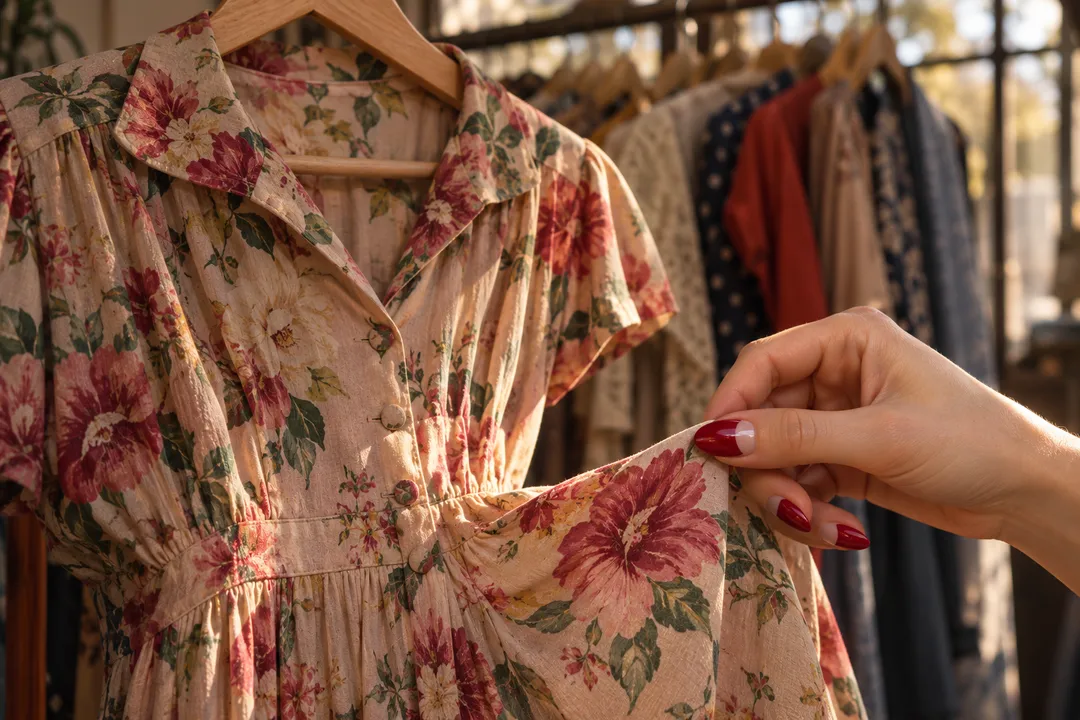 Highland Park Nail Salon Walk In Finder for Retro Manicures
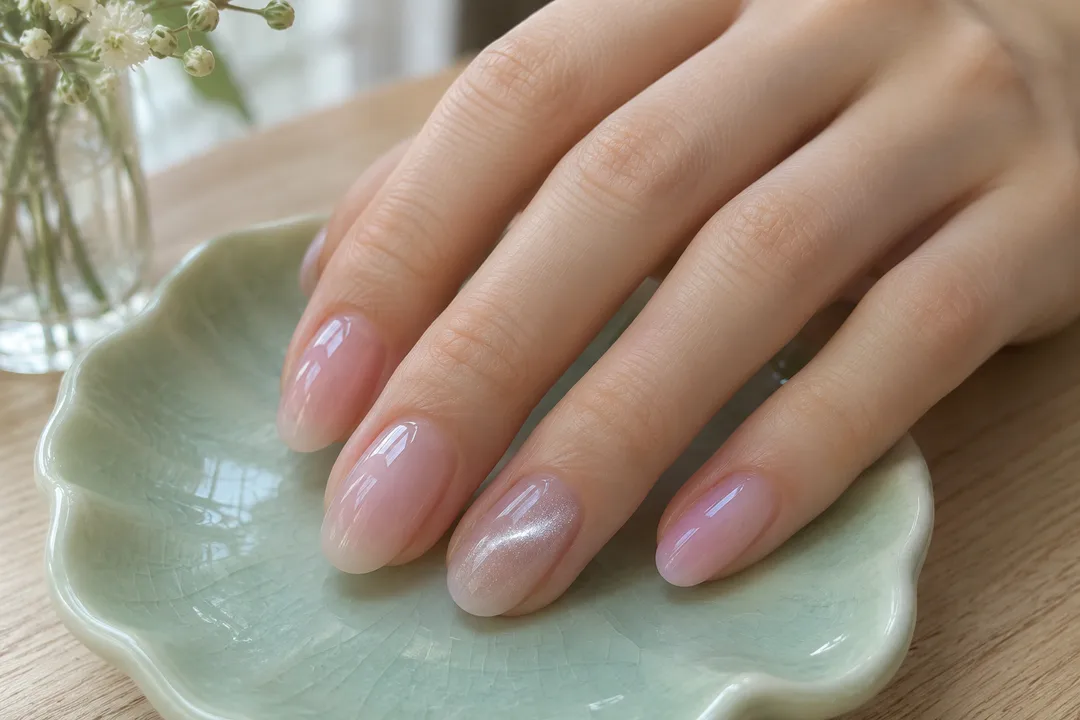 Koreatown Nail Salon Walk In Finder for K-Beauty Nail Looks