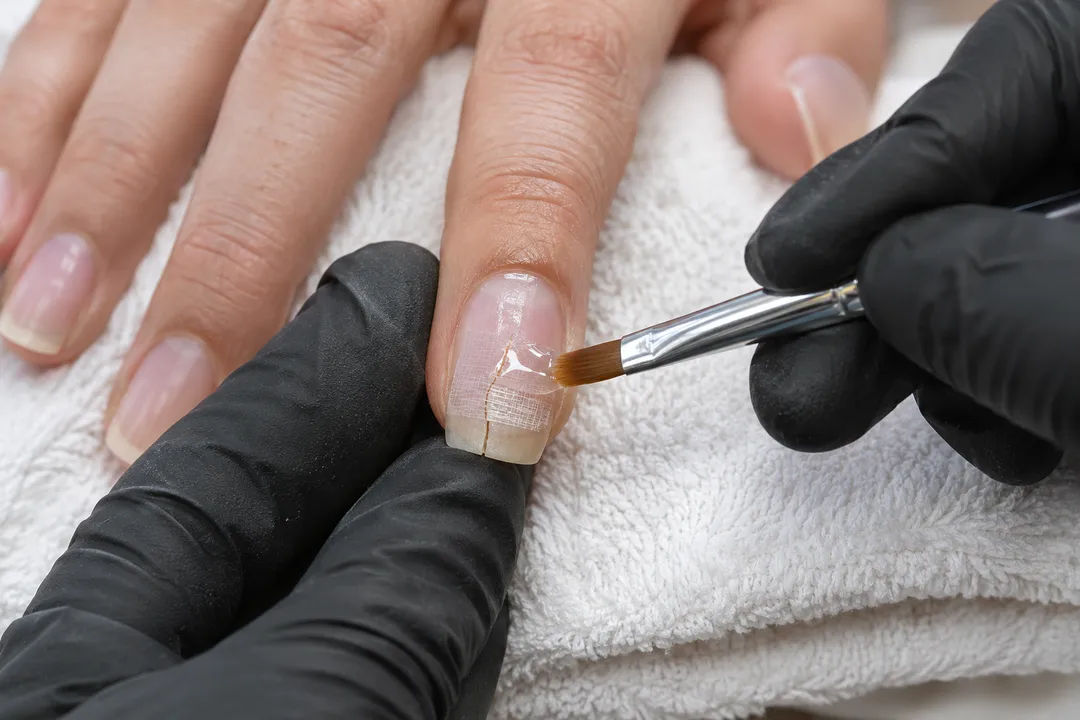
 Los Feliz Nail Salon Walk In Finder for Broken Nail Repair
Neighborhood Guides
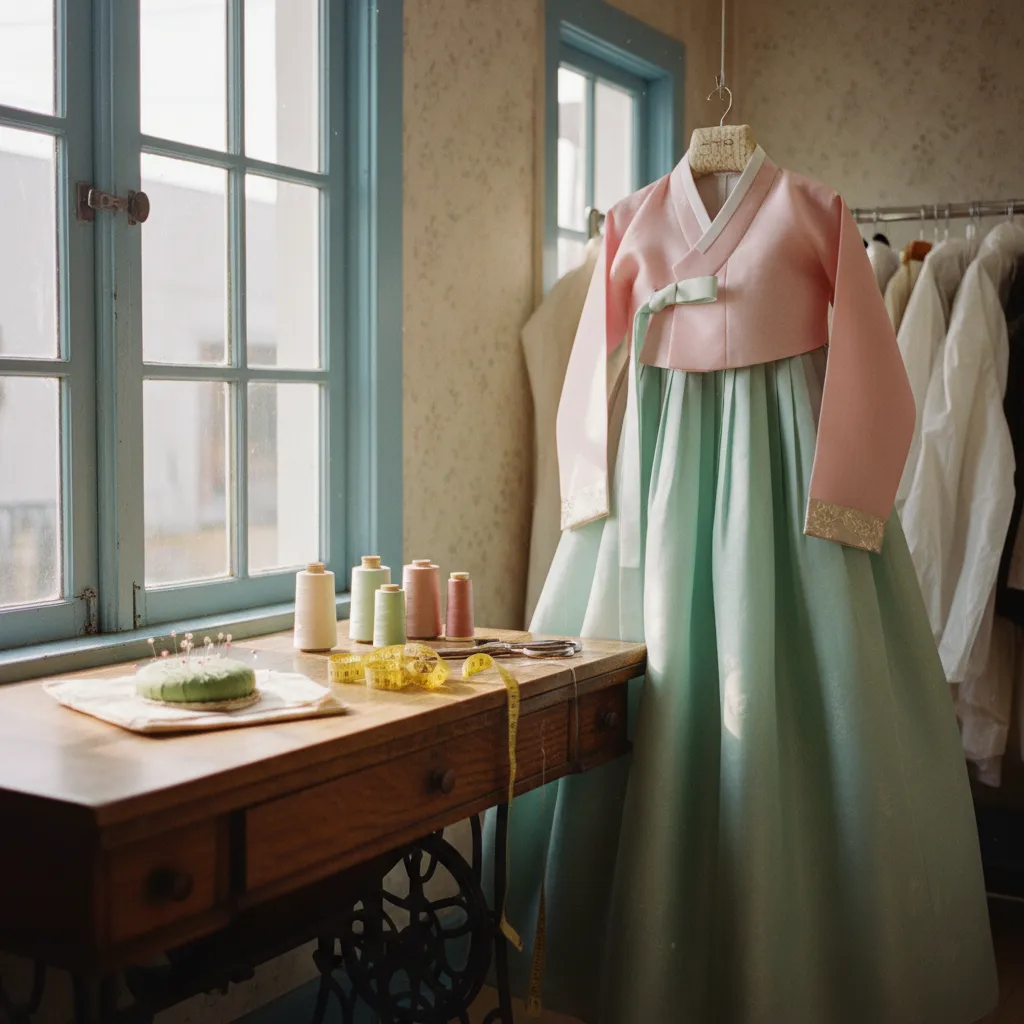
Koreatown Tailor Alteration Shop Finder for Hanbok Fittings
Use this Koreatown tailor alteration shop finder to fit a hanbok or event suit: what can change, when to start, what to bring and how to walk Wilshire after.
Koreatown is one of the busiest neighborhoods in Los Angeles, packed with office towers, family restaurants, churches, spas and small shops tucked inside strip malls along Wilshire, Western and Olympic. It is also a neighborhood of big family moments, from weddings and first birthday parties to graduations and holiday visits with grandparents. Those days often call for a hanbok, a sharp suit or a dress that needs to fit just right. This tailor alteration shop finder walks you through getting event clothes ready in Koreatown, from the first fitting to the last stitch.
Why Koreatown Is Full of Event Tailoring
Koreatown grew as a home for Korean immigrant families, and with them came a whole economy built around celebration. Hanbok makers, bridal shops, photo studios, florists and banquet halls cluster close together, and so do the seamstresses and tailors who keep those outfits fitting well. Many of these small shops sit on the second floor of a plaza or in a narrow unit beside a bakery, easy to miss if you are only looking at the street.
The neighborhood today is also home to large Latino communities, young professionals and students, which means the same alteration counters handle quinceañera dresses, interview suits and work uniforms. That mix keeps skills sharp. A tailor who can shorten a stiff silk hanbok skirt one afternoon may be tapering a wool suit the next morning.
What a Hanbok Fitting Can Change
A hanbok is made of two main parts, a short jacket called a jeogori and either a full wrap skirt called a chima or loose trousers called baji. The skirt ties high on the chest, so the length is measured from that line to the floor, not from the waist. A seamstress can usually shorten the chima, adjust the ties, take in or let out the jacket at the sides and shorten the sleeves.
The collar and the long ribbon tie on the jacket, called the goreum, are the details people notice in photos. Ask whether the collar lies flat against your neck and whether the goreum hangs evenly. Small adjustments here make a big difference. If you inherited a hanbok from a mother or aunt, bring it in early, because older silk may need gentle handling and extra time.
Suits and Dresses for the Rest of the Family
Family events are rarely about just one outfit. Fathers and brothers may need suit trousers hemmed and jacket sleeves shortened. Grandparents might want a looser fit through the shoulders for comfort. Children grow fast, so their hanbok or dress clothes may need to be let down or taken in a few weeks before the day.
Bring as many family pieces as you can in one visit. A tailor who sees the whole group can suggest matching hem lengths and sleeve breaks, so the family photo looks balanced. It also saves everyone separate trips across a neighborhood where parking can test anyone's patience.

Timing Fittings Around a Dol or a Wedding
A first birthday party, called a dol or doljanchi, is one of the biggest celebrations in many Korean families, and weddings often include both a Western ceremony and a traditional pyebaek. Each may need a different outfit. Start alterations well ahead, ideally several weeks before the event, so there is room for a second fitting and a last small fix.
Remember that busy seasons fill up fast. Spring and autumn weddings, graduation weeks and holidays like Chuseok and Lunar New Year bring a rush of family outfits to Koreatown counters. If your date falls near one of those, drop clothes off earlier than you think you need to.
What to Bring to the First Fitting
For a hanbok, bring the slip or underskirt you plan to wear, since it shapes how the chima falls. Wear the shoes you will wear on the day, whether that is soft flats or heels. For a suit, bring the dress shirt and shoes. For a dress, bring the right undergarments. Each layer changes how the fabric drapes.
If you have photos of how you want the outfit to look, show them on your phone. Point to the length, the sleeve and the fit you like. Many Koreatown seamstresses work in Korean, Spanish and English, and a picture helps everyone understand the goal, whatever language you share at the counter.
Talking Through the Details
Stand naturally while the seamstress pins the outfit, then sit down, bow and lift your arms. A pyebaek includes deep bows, and a dol party often means carrying a child or reaching across a table, so movement matters. Tell the tailor what you will be doing on the day, not just how you want to look in the mirror.
Ask how they plan to make each change and whether the original fabric will show any marks. Silk can hold needle holes and pressing marks, so a careful tailor will explain where they will sew and how they will finish the seams. Clear answers at this stage mean fewer surprises at pickup.
A Wilshire Walk Between Visits
While your clothes are being worked on, take a walk along Wilshire Boulevard and look up. Koreatown's stretch of Wilshire holds some of the most striking older buildings in Los Angeles, with Art Deco towers, grand churches and former movie palaces turned into concert halls and event spaces. It is a reminder that this neighborhood has dressed up for big nights for a very long time.
Duck into a plaza for a coffee or a snack, or stop at a bakery for something sweet to bring home. Koreatown's food scene runs from tofu soup and barbecue to dessert cafes and noodle shops, so a fitting day can easily turn into a long, happy afternoon of eating and walking.
Checking the Work Before the Big Day
At pickup, try on every piece, including the children's outfits if you can bring them along. Look at the hem from the front, the side and the back. On a hanbok, check that the chima sits evenly all the way around and does not drag when you walk. On a suit, look at the sleeves with your arms relaxed and see that the trousers break cleanly over your shoes.
Do a full rehearsal at home a few days before the event. Bow, sit, stand, pick up a child and walk across the room. If anything pulls, ripples or feels too tight, take it back right away. Leaving a little time for one last fix is the best way to avoid stress the night before.
Caring for Event Clothes Afterward
After the celebration, have silk pieces cleaned by someone who handles delicate fabrics, and store them flat or on padded hangers away from sunlight. Many families keep a child's first hanbok as a memory, and some pass it down to a younger cousin. A seamstress can often let it out or shorten it again for the next child.
Suits and dresses last longer when they are aired out after wearing and brushed instead of washed too often. Keep a note on your phone of the tailor who did the work and what they changed. The next time the family has a big day, you will know exactly where to start.
Find Koreatown Alteration Shops With Karpo
When you need a fitting, open the Karpo APP and ask for tailors, seamstresses or hanbok alteration shops around Koreatown, Mid-Wilshire and nearby neighborhoods. Karpo can suggest options that match the kind of outfit you are bringing in, from traditional silk to wool suits.
A family celebration is full of moments you will look back on in photos for years. Start fittings early, bring every layer, show the tailor how you will move and walk Wilshire while you wait. With a good Koreatown seamstress on your side, everyone can focus on the day itself instead of a loose hem.
Ask Karpo for more information.
Keep reading
- Los Feliz Nail Salon Walk In Finder for Broken Nail Repair
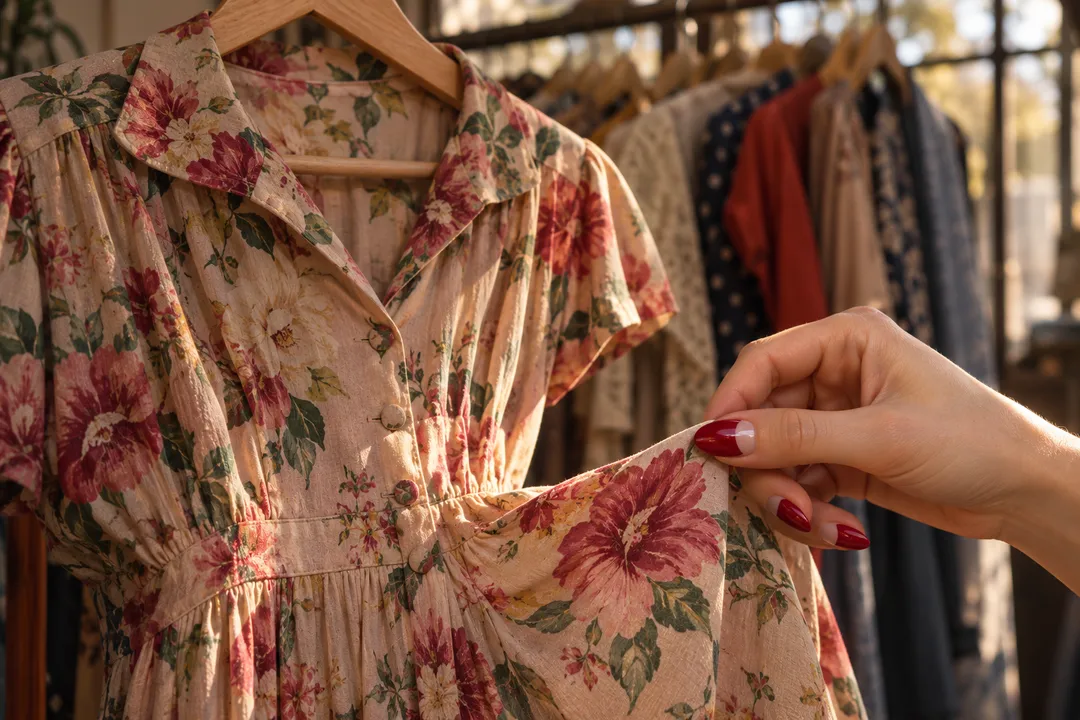 Highland Park Nail Salon Walk In Finder for Retro Manicures
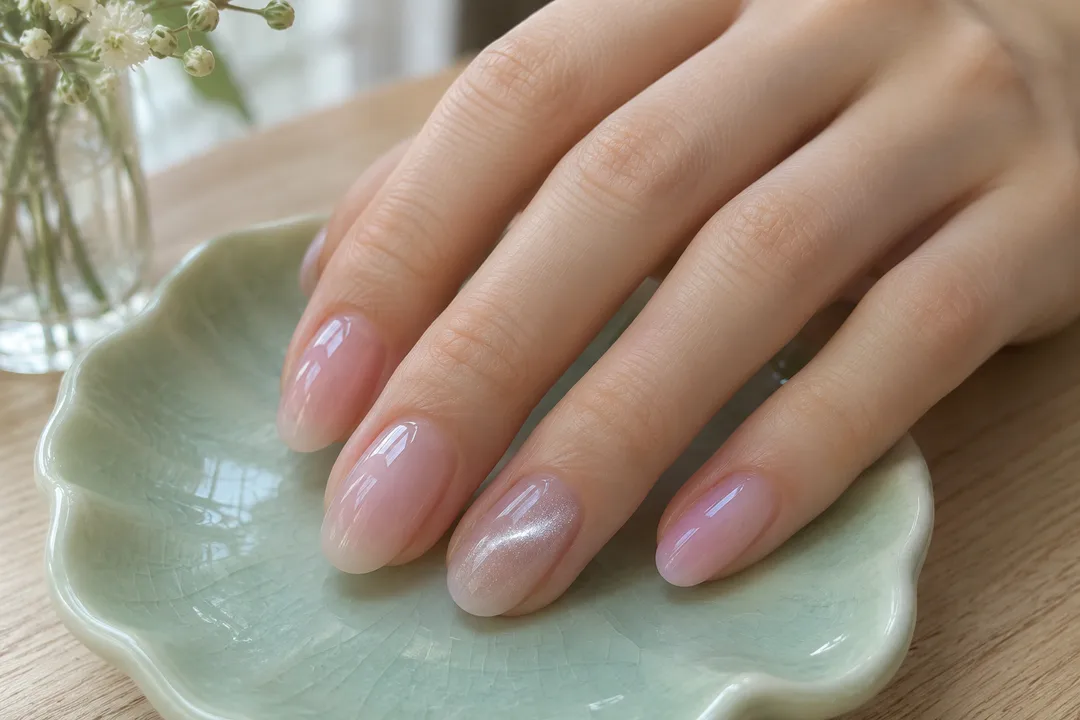 Koreatown Nail Salon Walk In Finder for K-Beauty Nail Looks