 Los Feliz Nail Salon Walk In Finder for Broken Nail Repair
Neighborhood Guides
Echo Park Tailor Alteration Shop Finder for Stage Clothes
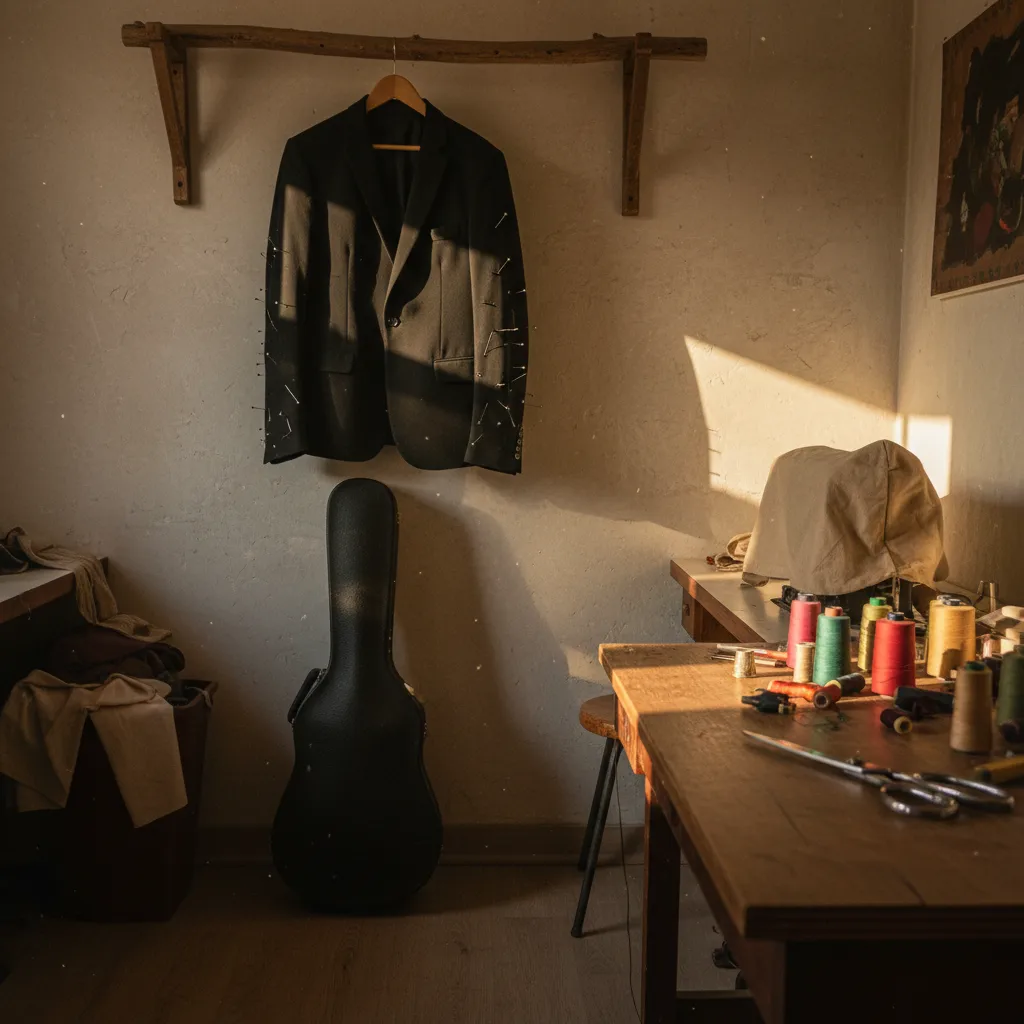
Use this Echo Park tailor alteration shop finder to fit stage clothes for playing: test moves at the fitting, reinforce stress seams, then loop the lake.
Echo Park has been home to bands, songwriters and small venues for a long time, and plenty of people on its hills keep a separate rail of clothes just for the stage. A jacket that looks sharp in the mirror can bind across the back the moment you strap on a bass, and trousers that seem fine at home can split on a high kick. This tailor alteration shop finder is for performers who need clothes that move, with a plan for testing fit like a show, choosing the right fixes and spending the wait by the lake.
Stage Clothes Fail in Different Places
Everyday clothes are cut for walking, sitting and standing still. Stage clothes have to handle reaching across a keyboard, lifting a guitar neck, dropping into a crouch and sweating under warm lights. The weak spots are almost always the same: the back of the armhole, the seat and inner thigh seams, the crotch of slim trousers and the buttons on a fitted shirt.
That is why a stage alteration starts with the movement, not the mirror. A shop that mostly shortens office trousers may pin a perfect hem without asking what you do on stage. Before you hand over a piece, tell the tailor exactly what you play and how you move. A drummer, a singer and a guitarist need very different things from the same jacket.
Bring Your Instrument or Your Moves
If you can, bring the instrument to the fitting, or at least the strap. Put the guitar on while the tailor pins the jacket, and play a few chords so they can see where the fabric pulls. Keyboard players can mime reaching to the far end of the keys, and drummers can sit on a stool and swing their arms forward.
Singers should do whatever they actually do on stage. Raise the mic hand high, lean into the front row, kneel or jump. It may feel silly in a quiet alteration shop, but tailors in this part of town have seen it before, and it is the only way to find out where a piece will fail. Wear the shoes you perform in, too.
The Fixes That Matter Most
For jackets, ask about adding a little room through the back, either by letting out the center seam or adding a hidden gusset under the arm. Shortening sleeves slightly keeps cuffs out of the way of strings and keys. A tailor can also swap flimsy buttons for sturdier ones and sew them with a shank so they do not pop off mid-song.
For trousers, the key upgrades are reinforcing the crotch seam, adding a gusset for full movement and hemming so the cuff does not catch on pedals or monitor cables. Stretch fabric helps, but even stretch seams can burst under pressure. Double stitching at stress points is a small job that can save you from a quick wardrobe change between sets.
Thinking About Sweat, Light and Washing
Stage lights are hot, and small rooms get warm fast. Ask your tailor about adding underarm shields to jackets you cannot wash often, or a removable lining that can go in the machine. Heavy linings may look great but trap heat, so swapping one for a lighter cotton or mesh lining can make a long set much more comfortable.
Think about how the piece looks under light, too. Shiny fabrics show every pucker and wrinkle, while matte fabrics forgive more. If a tailor suggests a pressing change or a different interfacing to keep a lapel crisp under warm lights, take the advice. Small details read clearly from the back of a room once the lights come up.

Leather, Denim and Thrifted Stage Pieces
Echo Park performers often build stage wardrobes from vintage shops and flea markets: leather jackets, western shirts, worn denim and old suits. These pieces have character, but they also have quirks. Leather needs a tailor with the right needles and experience, and many general shops will send it out. Ask before assuming they can do it in house.
Denim and heavy cotton are easier and take well to reinforcement. Western shirts with snaps can be adjusted at the sides and sleeves, and snaps can be replaced if they no longer hold. With old suits, focus on the shoulders. If they fit, almost everything else can be adjusted. If they do not, keep looking for a different jacket.
Timing Alterations Around Gigs and Tours
Never schedule a major alteration for the week of a big show. Give the tailor time for at least two fittings, and plan for one more adjustment after you test the piece at a rehearsal. A local gig is a great trial run before something larger, like a residency, a recording session with video or a tour where you will wear the same outfit every night.
If you play often, build a relationship with one shop. Bring them a rail of pieces in a quieter week, and let them get to know how you move. Over time, a tailor who knows your style will spot problems before you do and suggest small changes that make every new stage piece easier to wear.
Rehearsal Test Before the Show
After pickup, wear the altered piece at a full rehearsal, not just around the house. Play the whole set, including the songs where you move the most. Notice where you feel any pulling, whether a cuff catches on anything and how the fabric feels after an hour of sweat. Take a quick photo or video from the front to see how it reads.
If something is still off, go back to the tailor with specific notes. Tell them which song, which move and where it pulled. That gives them clear information to work with. Most shops would rather make one more adjustment than see you struggle on stage, and a short note from a rehearsal is easier to fix than a vague complaint.
A Lake Loop Before Soundcheck
Echo Park Lake is the neighborhood's living room. While you wait on a pickup, walk the loop around the water, past the lotus beds, the paddle boats and the view of the downtown towers behind the palms. It is a good place to run through lyrics in your head or loosen up before a show without getting stuck in traffic.
On the way, pass along Sunset Boulevard and the streets around the lake to see how other performers dress. Record shops, vintage stores and small venues share these blocks, and you may spot a piece that would work on stage after a quick alteration. Keep an eye out for jackets with good shoulders and trousers with extra seam allowance.
Caring for a Stage Wardrobe
Hang stage clothes to air out after every show, and never stuff them in a bag damp. Store jackets on wide hangers that support the shoulders, and keep a small kit in your gig bag with safety pins, a needle, black and white thread and a few spare buttons. A quick fix backstage can buy you time until you see your tailor again.
Every few months, look over your stage pieces for loose seams, thinning fabric and stretched buttonholes. Bring them in for maintenance before they fail. A tailor who catches a weak seam early saves you from a split on stage, and regular care keeps a favorite stage jacket going for many more shows.
Let Karpo Point You to Performer-Friendly Shops
When you have stage clothes that need work, open the Karpo APP and ask for alteration shops or tailors around Echo Park, Silver Lake and Chinatown that handle leather, denim or stage wear. Karpo can help you find options close to your rehearsal space, so a drop-off fits into a busy week of practice and shows.
Good stage clothes let you forget what you are wearing and focus on the music. Test the fit like a show, reinforce the seams that take the most stress, plan alterations around rehearsals and take a walk around the lake while you wait. When the lights come up, you will be able to move exactly the way you want.
Ask Karpo for more information.
Keep reading
- Los Feliz Nail Salon Walk In Finder for Broken Nail Repair
 Highland Park Nail Salon Walk In Finder for Retro Manicures
 Koreatown Nail Salon Walk In Finder for K-Beauty Nail Looks