 Sawtelle Bowling Group Night Planner for a College Reunion
Sports Social

LA Strength Conditioning Gym for Hikers: Legs Before Trails
Los Angeles hikers can climb stronger and descend with less knee strain by adding two strength conditioning gym sessions a week built on step-ups and carries.
Los Angeles is surrounded by trails. On any weekend, the paths of Griffith Park, the canyons of the Santa Monica Mountains and the climbs in the San Gabriels fill with hikers. Many of them never lift weights, yet a little time in a strength conditioning gym makes those climbs feel easier and the descents kinder on the knees. Two focused sessions a week, built around the movements hiking actually demands, can change how you feel at the top of a steep trail.
What Hiking Asks of Your Body
Hiking is a long series of step-ups and step-downs, often with a pack, on uneven ground. Climbing loads your quads, glutes and calves, while descending forces those muscles to brake your body weight with every step. That braking work is what often leaves hikers with sore knees and shaky legs on the way down. Strength training that prepares muscles for both directions helps far more than simply hiking more often.
Balance and ankle stability matter too. Loose rocks and narrow sections test small stabilizing muscles that rarely get trained on flat city streets.
Step-Ups Are Your Main Lift
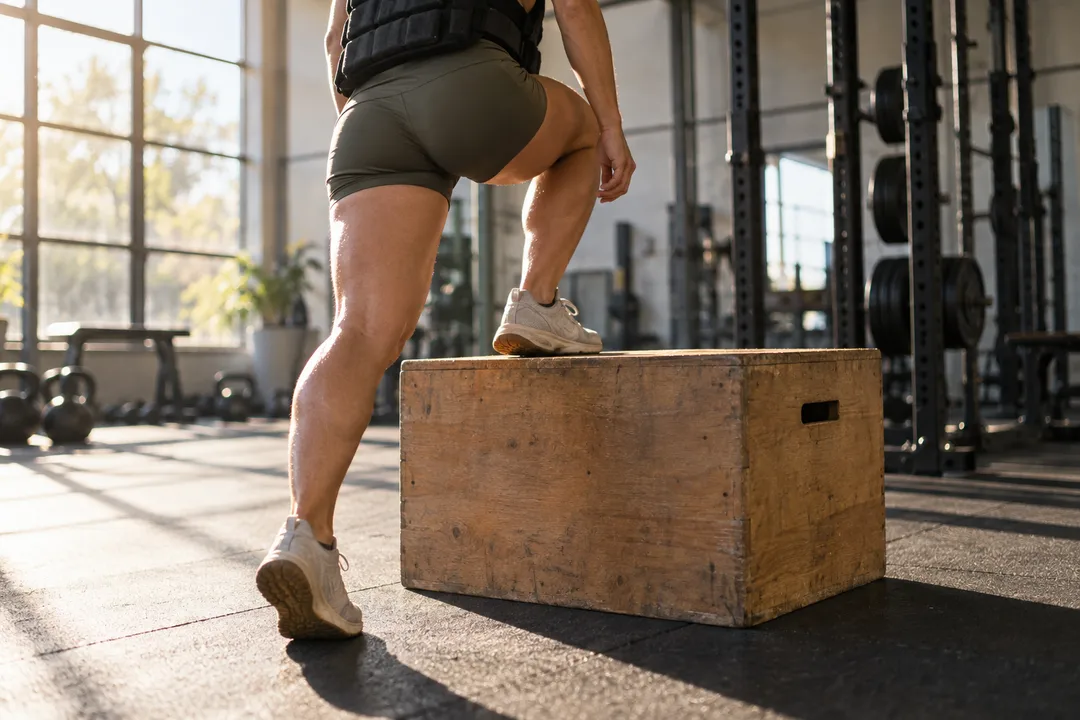
If you only do one exercise, make it the step-up. Use a box or bench around knee height, hold dumbbells or wear a weight vest, and step up slowly, driving through the front foot. The real value comes from lowering yourself back down under control, which trains the same braking strength descents require. Three or four sets of eight to ten steps per leg, twice a week, build strength that carries directly onto the trail.
The Rest of the Session
Pair step-ups with a hinge, such as a Romanian deadlift or trap bar deadlift, to strengthen your hamstrings and lower back for carrying a pack. Add split squats or reverse lunges for single-leg strength. Finish with calf raises and loaded carries, holding dumbbells or kettlebells at your sides and walking for distance. Carries build grip, core stability and the posture you need under a loaded backpack on long ascents.
Keep each session under an hour. Hikers do not need complicated programs, just consistent work on a handful of movements.
Train the Descent
Lowering movements deserve special attention. Slow eccentric step-downs, where you take three or four seconds to lower from a box, build tolerance for long descents. Downhill hiking is where many people feel knee pain, and stronger quads that can control the lowering phase help spread that load. Start with body weight and add load gradually, since these exercises create plenty of soreness at first.
Conditioning for Long Climbs
Hiking fitness is mostly aerobic, so steady conditioning works better than short intense intervals. Incline treadmill walking, stair machines and steady rowing for twenty to thirty minutes build the engine you need for long climbs. Add one session of this kind to your week, or tack it onto the end of a strength session when you feel fresh. On weekends, the trail itself becomes your conditioning.
Planning Around Trail Days
Most hikers hit the trails on weekends, so schedule gym sessions early in the week. A Monday and Wednesday or Tuesday and Thursday strength schedule leaves legs fresh by Saturday. Avoid heavy lower-body work the day before a big hike. If you hike on weekdays, slide the gym days accordingly and keep at least one easy day before any long outing.
Heat, Elevation and Gear
Los Angeles trails can be very hot in summer and exposed with little shade. Train early, carry plenty of water and wear sun protection. For higher mountain hikes, extra strength helps you cope with the added effort of thinner air and steeper grades. Practice in the gym with the shoes you hike in occasionally, so your feet and ankles are used to them under load.
Choosing a Gym as a Hiker
Look for a gym with sturdy plyo boxes, a range of dumbbells and kettlebells, a trap bar and open floor for carries. A stair machine or incline treadmill is a bonus for midweek conditioning. A location near home or close to your favorite trailheads makes the routine easier, whether that means the east side near Griffith Park or the Westside near the Santa Monica Mountains.
Progress You Can Feel
After six to eight weeks of steady training, most hikers notice the difference on familiar trails. Climbs that used to require stops become continuous, legs feel steadier on the way down and recovery after long days improves. Keep a simple log of your step-up weight and carry distance so you can see the gym progress that matches what you feel on the trail.
A Sample Hiker's Week
Here is one way to lay it out. On Tuesday, do weighted step-ups, Romanian deadlifts, calf raises and farmer's carries for three to four sets each. On Thursday, do reverse lunges, trap bar deadlifts, slow step-downs and suitcase carries, then twenty minutes on an incline treadmill. On Saturday, hike your favorite trail. Sunday is a rest day with an easy walk. Repeat for six weeks, adding a little weight to the step-ups each week while keeping the movements smooth and controlled.
After that block, take a lighter week before building again, especially if you have a bigger mountain hike planned.
Getting Ready for a Big Objective
If you have a long day hike or a peak on your calendar, plan backward from it. Build strength steadily for six to eight weeks, increase the length of your weekend hikes gradually, and practice with the pack you will carry. In the final week before the big day, cut gym volume in half and keep weights moderate. Arriving fresh matters more than one extra hard session, and your legs will thank you on the final descent.
Pack Weight and Progression
Learn your typical pack weight for day hikes, then train slightly above it in the gym. If you usually carry a light daypack with water and snacks, holding dumbbells or wearing a vest that weighs a little more during step-ups and carries prepares you comfortably. On trail days, your normal pack will feel lighter than expected, and the final climbs will feel far more manageable.
Practical Notes
Bring a weight vest or loaded backpack to the gym occasionally to practice under the load you carry on trails. Keep the lifting moderate in the week before a big hike. Stretch calves and hips after long weekend climbs. The Karpo APP can help you shortlist strength gyms near your favorite Los Angeles trailheads, so training before a hike fits naturally into your week.
Ask Karpo for more information.
Keep reading
- Sawtelle Bowling Group Night Planner for a College Reunion
 Larchmont Bowling Group Night Planner for Carpool Parents
 Boyle Heights Bowling Group Night Planner for a Quince Court