 Sawtelle Bowling Group Night Planner for a College Reunion
Sports Social
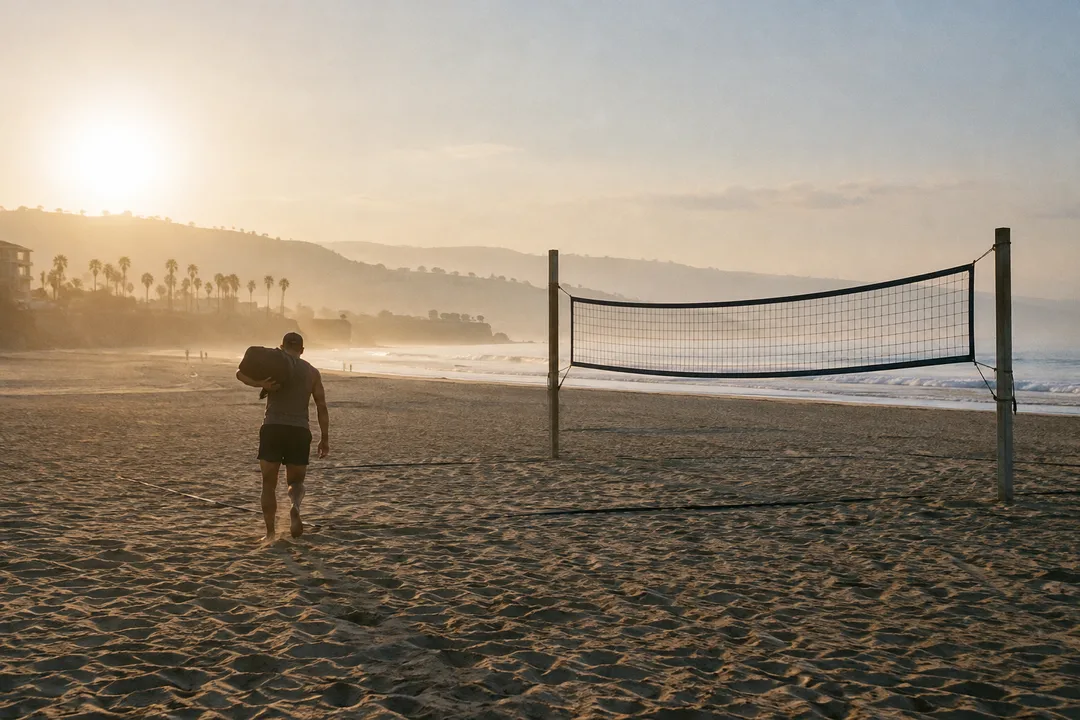
LA Strength Conditioning Gym and Sand Days: A Split Week
In Los Angeles, split your week between two strength conditioning gym sessions for heavy lifts and one beach sand session for conditioning near the coast.
Few cities offer what Los Angeles has along its coast: miles of soft sand that turn simple movements into serious conditioning. Sprinting, carrying and crawling on sand works your legs, lungs and stabilizing muscles far harder than the same effort on a gym floor. Combine that with two indoor sessions at a strength conditioning gym for heavy lifting, and you get a training week that covers strength and fitness while spending one morning by the ocean.
Why Sand Works So Well
Sand shifts under every step, so your feet, ankles, calves and hips work constantly to keep you stable. That instability raises the effort of even easy movements, which makes sand excellent for conditioning without heavy loads. It is also gentler on joints than pavement, because the surface absorbs impact. A short session on soft sand can leave you more tired than a long run on the boardwalk.
The tradeoff is that sand is not great for building maximal strength. You cannot load a heavy barbell safely on a shifting surface. That is exactly why pairing sand days with gym days makes sense.
The Indoor Days
Use your two gym sessions for the lifts that need stable ground and heavy weight. Day one can cover a squat, a bench press and some rows. Day two can cover a deadlift, an overhead press and pull-ups. Keep the indoor conditioning short or skip it entirely, since the sand day will handle most of that work. Aim to finish each gym session in about an hour so the routine stays sustainable around work.
Space the gym days apart from the sand day. A Monday and Thursday gym schedule with a Saturday beach session gives each kind of work time to recover.

The Sand Session
Start with ten minutes of easy walking and jogging on firmer sand near the water. Then move to soft sand for short efforts: sprints of fifteen to twenty meters, bear crawls, lateral shuffles and walking lunges. Carry a sandbag or a heavy water jug for loaded walks if you have one. Work in rounds with plenty of rest, because soft sand tires you quickly and form tends to slip as fatigue builds.
Keep the first few sessions short, around thirty minutes. Calves and Achilles tendons in particular need time to adapt to the extra work sand demands.
Choosing a Beach
Los Angeles has plenty of options, from Santa Monica and Venice to Manhattan Beach and Hermosa Beach further south. Choose a stretch that is easy to reach, has parking you can rely on and offers wide soft sand away from crowds. Early mornings are quieter on weekends and cooler in summer. Many beach towns also have outdoor fitness equipment and volleyball courts that can add variety to a sand session.
Be mindful of others. Keep sprints away from sunbathers and children, and give lifeguard stations and volleyball games plenty of space.
Barefoot or Shoes
Training barefoot on sand strengthens your feet and ankles, but it can be hard on unprepared feet. Start with short sessions barefoot and build up gradually, or wear lightweight shoes at first. Watch for shells, glass and other debris before sprinting. In summer, dry sand can get very hot by mid-morning, which is another reason early sessions work best.
Sun, Salt and Recovery
Southern California sun is strong even on hazy mornings. Wear sunscreen, a hat and sunglasses, and bring more water than you think you need. Rinse off afterward, since sand and salt left on skin can irritate during the drive home. Eat a proper meal after the session and give your legs a full day before the next heavy lower-body gym day.
Adjusting Through the Seasons
Winter brings cooler, quieter beaches and sometimes rough surf, while summer brings heat and crowds. In the cooler months, the sand day can be longer and more intense. In the hottest weeks, shorten it, train early and focus on technique. On rainy days, swap the sand session for a sled or rower circuit at your gym so the conditioning work still gets done.
Choosing a Gym to Pair With the Beach
A gym close to the coast makes the split week easy, since you can lift on weekdays and reach the sand quickly on weekends. Westside neighborhoods and the South Bay have many strength-focused spaces with racks, platforms and dumbbells. If you live further inland, pick a gym near home or work and treat the beach day as a weekend outing worth the drive.
A Sample Split Week
To make it concrete, try this. On Monday, back squat for five sets of five, bench press for four sets of six and finish with dumbbell rows. On Thursday, deadlift for a few heavy sets of three to five, overhead press, pull-ups and a short core circuit. On Saturday morning, drive to the beach for thirty to forty minutes of sand sprints, crawls and sandbag carries, then enjoy the rest of the day by the water. Rest or walk on the other days, and you have a complete week.
After a month, add a round to the sand session or a little weight to the gym lifts, but not both in the same week.
Bring a Training Partner
Sand sessions are more enjoyable with company. Partner drills like sprint races, sandbag passes and resisted runs with a band make the effort feel like play. A friend also helps keep you honest on rest periods and safe if the heat builds faster than expected. Many people who struggle to stay consistent at the gym find that a standing weekend beach session with a friend becomes the anchor of their week.
Sand Versus Turf
Many gyms now have turf lanes for sled pushes and sprints, which raises a fair question about whether the beach is worth the drive. Turf is consistent and easy to measure, which makes it ideal for tracking progress. Sand is unpredictable, softer and more demanding on stabilizers, and it comes with an ocean view. Using both across a season, turf on weekdays and sand on weekends, gives you the benefits of each.
Practical Notes
Pack a towel, sunscreen, water and a change of clothes for sand days, plus a bag to keep sand out of the car. Start with short sessions and build up over several weeks. Keep heavy leg work at the gym at least a day away from the beach session. The Karpo APP can help you compare strength gyms near the coast so your lifting days and sand days stay easy to reach.
Ask Karpo for more information.
Keep reading
- Sawtelle Bowling Group Night Planner for a College Reunion
 Larchmont Bowling Group Night Planner for Carpool Parents
 Boyle Heights Bowling Group Night Planner for a Quince Court