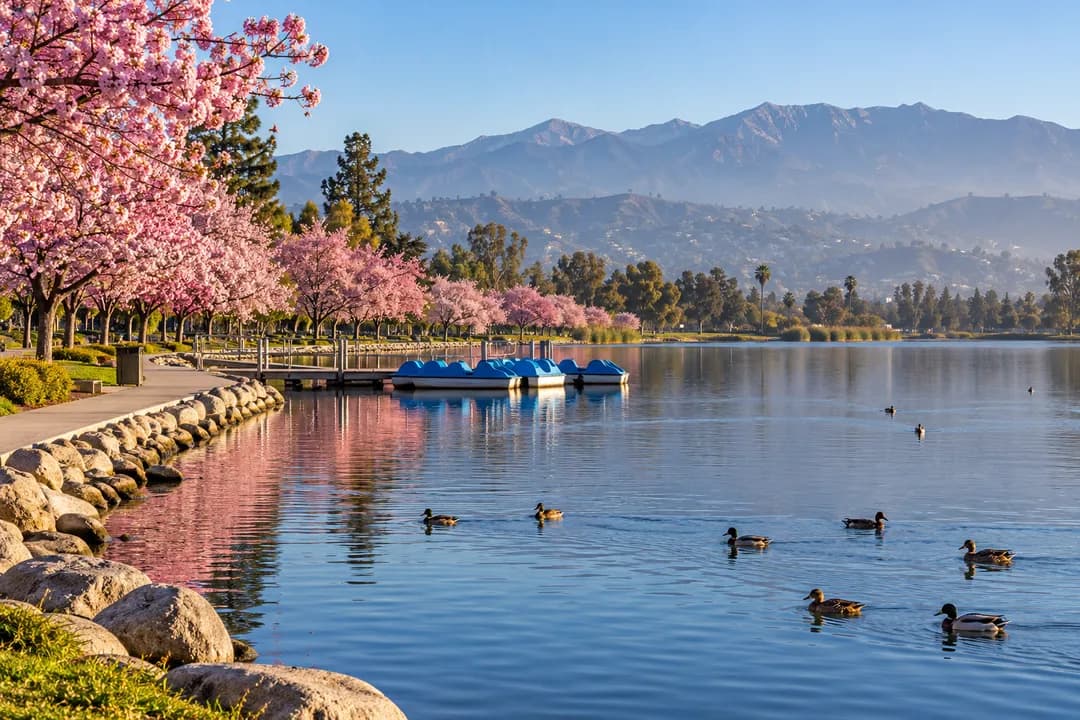
 Waterfront Park Near Me: Swan Boats and Cherry Trees at Lake Balboa
Free Things to Do
Street Art Near Me in Melrose Arts District
A free Melrose Avenue street-art walk with mural-map context, timing tips, storefront etiquette, and nearby shopping and food stops.
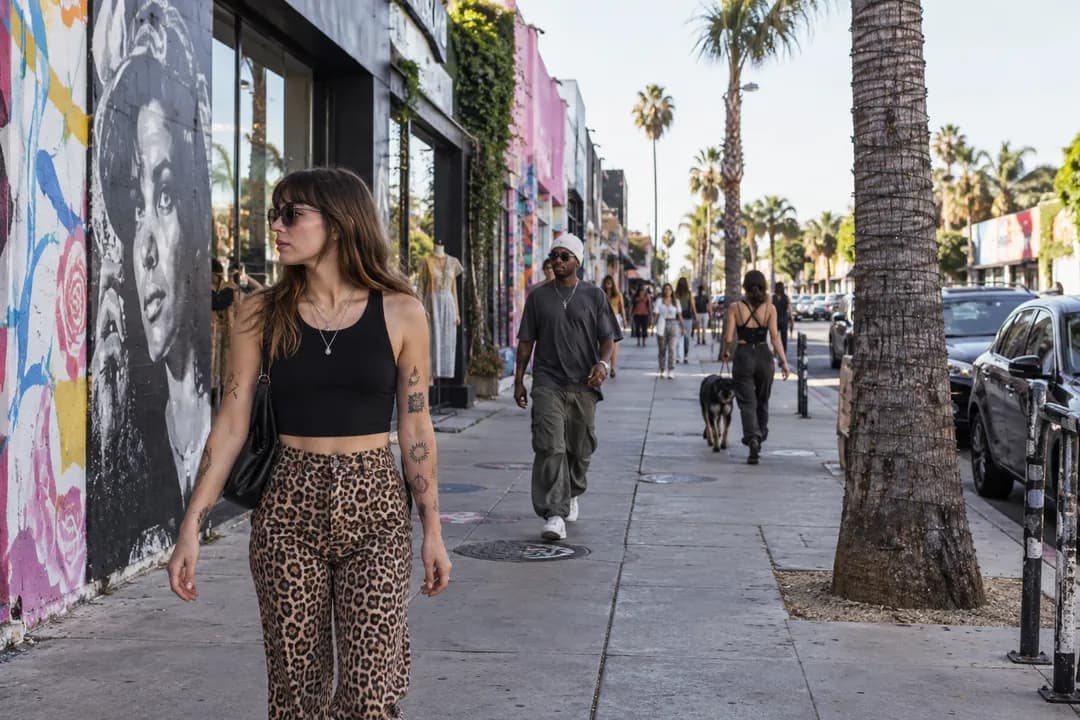
A search for street art near me in central Los Angeles often lands on Melrose Avenue, where murals share space with fashion, vintage stores, cafes, and constantly changing storefronts. The Melrose Arts District is easy to approach, easy to photograph, and easy to misunderstand if you treat it only as a backdrop. Because Melrose storefront churn explains why a favorite wall can disappear quickly, Melrose Arts District gives the opening choice a local anchor, and Los Angeles feels easier to read from there.
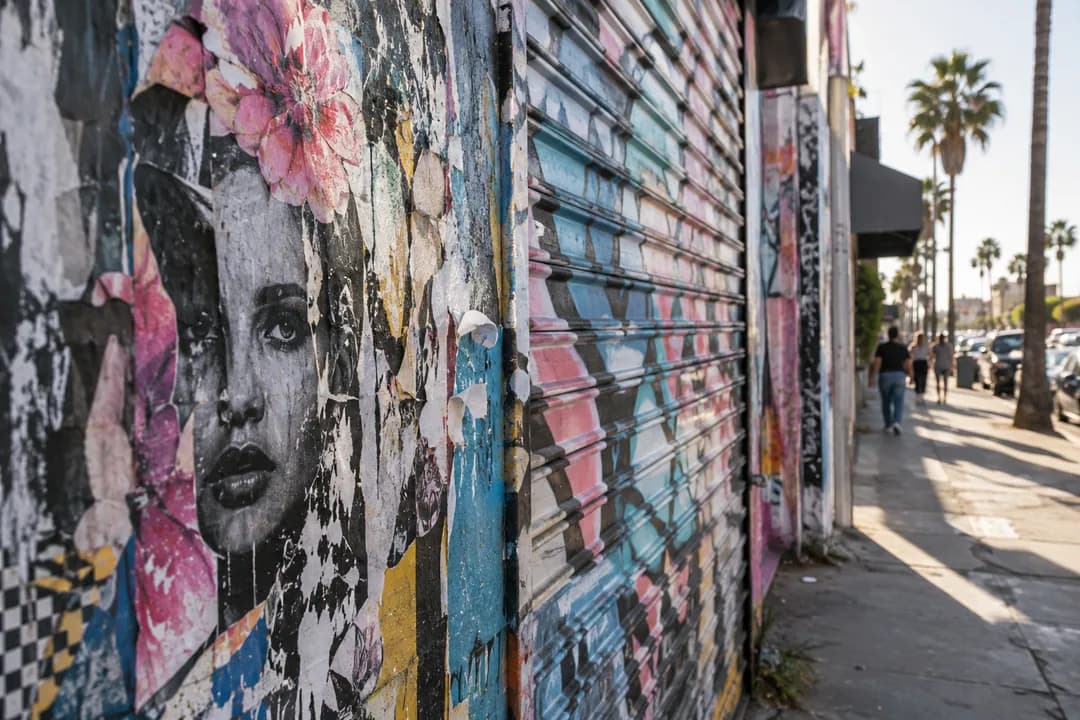
Melrose has long mixed pop culture, retail experimentation, music, style, and graphic wall work. Its street art grew alongside small businesses and visual trends, which means the district changes quickly. A beloved piece may disappear when a tenant changes, while a roll-up gate or alley wall may suddenly become the day's best find. Around Melrose Arts District, the detail to notice is that roll-up gate art may depend on whether a shop is open or closed; it keeps the stop from becoming a generic wall on a map.
Choose your starting point based on your other plans. Fairfax works well if you want food and shopping nearby, while Highland can make sense for a different stretch. Trying to photograph every listed wall usually turns the walk into a chore. Pick a focused segment, then let storefronts and side streets guide detours. Use this route cue near Melrose Arts District: Fairfax and Highland give different starting moods for the same avenue. That Melrose Arts District cue helps visitors decide when to pause and when to move.
Expect celebrity homages, cartoon-like characters, graphic lettering, sticker layers, alley pieces, brand-adjacent murals, and gates that only reveal their art when businesses are closed. The mix can be flashy, funny, polished, or temporary. Melrose's visual identity comes from that churn, not from a single coherent curatorial idea. At Melrose Arts District, notice that vintage stores and coffee counters make useful pauses between murals. That Melrose Arts District texture matters when the block is busy, shaded, or changing by the minute.
Storefront etiquette is especially important here. Do not pose in doorways, block shoppers, lean on windows, or hold up sidewalk traffic for repeated shots. If a mural sits on a roll-up gate, it may not be visible during business hours. If the shop is open, the entrance matters more than the photo. For timing at Melrose Arts District, remember that celebrity homages share space with stickers, alleys, and retail signage. Around Melrose Arts District, light, traffic, and comfort can change the pace of looking.
Earlier in the day is calmer for walking, especially before the sidewalks fill with shopping groups. Late afternoon brings better people-watching and a livelier street, but also more blocked angles. Some gate art appears only after closing, so the best time depends on whether you want open stores or shuttered surfaces. Etiquette feels clearer at Melrose Arts District when you remember that sidewalk posing needs restraint because entrances stay busy. The art at Melrose Arts District still sits inside a working Los Angeles neighborhood.
Vintage stores, sneaker shops, cafes, and Fairfax food options make easy pauses. Build the walk like an afternoon out rather than a scavenger hunt. Melrose works best when you alternate between looking at walls, browsing, grabbing coffee, and noticing how each business uses color and image to compete for attention. Planning stays flexible at Melrose Arts District when meter timing can decide how relaxed the whole walk feels is treated as useful context, not a promise that every visit will match.
The walls can feel made for photos, but look beyond the obvious poses. Small stickers, layered tags, weathered corners, and repainted sections often tell a more interesting story than the most famous mural. The street's impermanence is visible if you pay attention to edges, paintovers, and mismatched surfaces. A smaller loop around Melrose Arts District works well because morning light helps before the shopping corridor gets crowded can pull attention away from the obvious wall.
Parking meters and side-street restrictions can complicate an otherwise simple outing. Read signs carefully, especially near residential blocks. If you are taking rideshare, set your drop-off near the stretch you actually plan to walk. Starting too far away can drain energy before you reach the densest visual sections. Nearby, Melrose storefront churn explains why a favorite wall can disappear quickly can reset the day, giving Melrose Arts District a second rhythm after the first sweep of color.
Melrose is also a lesson in how street art intersects with commerce. Some walls are independent, some are commissioned, and some work as brand magnets. That does not make them unworthy of attention, but it does change how you read them. Ask whether a piece feels like public expression, store identity, or both. Let the frame include the fact that roll-up gate art may depend on whether a shop is open or closed at Melrose Arts District; real street life often explains scale better than an empty shot.
Side streets can be rewarding. Alleys and parking areas may hold less polished pieces, while main-road murals usually get more foot traffic. Stay on public paths and do not wander into private lots for a better angle. A wall being visible from the sidewalk does not automatically make the surrounding property public. Look for how Fairfax and Highland give different starting moods for the same avenue changes the surface, because Melrose Arts District carries weather, repair, and neighborhood use together.
If you are traveling with friends, agree on a loose endpoint. Melrose encourages stopping, browsing, and splitting attention, which can turn a short walk into a long afternoon. Fairfax, coffee counters, or a specific shop can work as a meeting point. The district is social, and the route should allow for that. As of October 2026, vintage stores and coffee counters make useful pauses between murals is the sort of current detail worth checking before crossing Los Angeles.
Practical Notes: viewing is free, but meters, crowds, shopping hours, and changing walls make flexibility essential. Wear comfortable shoes, carry water on hot days, and do not plan around one mural unless you have checked recent images. The street changes too fast for absolute certainty. Celebrity homages share space with stickers, alleys, and retail signage keeps this street art near me result specific to Melrose Arts District, not interchangeable with another mural district.
The best photos often come when you include the retail setting: a painted wall beside a clothing rack, a bright facade under utility lines, or a gate framed by sidewalk shadows. Keep people out of close shots unless they agree. Melrose is public, but respectful distance still matters. Practical planning improves when sidewalk posing needs restraint because entrances stay busy is handled before arrival, leaving more attention for the free outdoor art.
Leave with the understanding that this is not a museum district trying to preserve a fixed collection. Melrose is a commercial street with art woven through its attention economy. That energy can be messy, bright, fleeting, and fun. Walk lightly, shop or eat if you want, and enjoy the walls while they are there. For the last pass, meter timing can decide how relaxed the whole walk feels gives Melrose Arts District a memory beyond the search phrase and the first photograph.
Ask Karpo for more information.
Keep reading
- Waterfront Park Near Me: Swan Boats and Cherry Trees at Lake Balboa
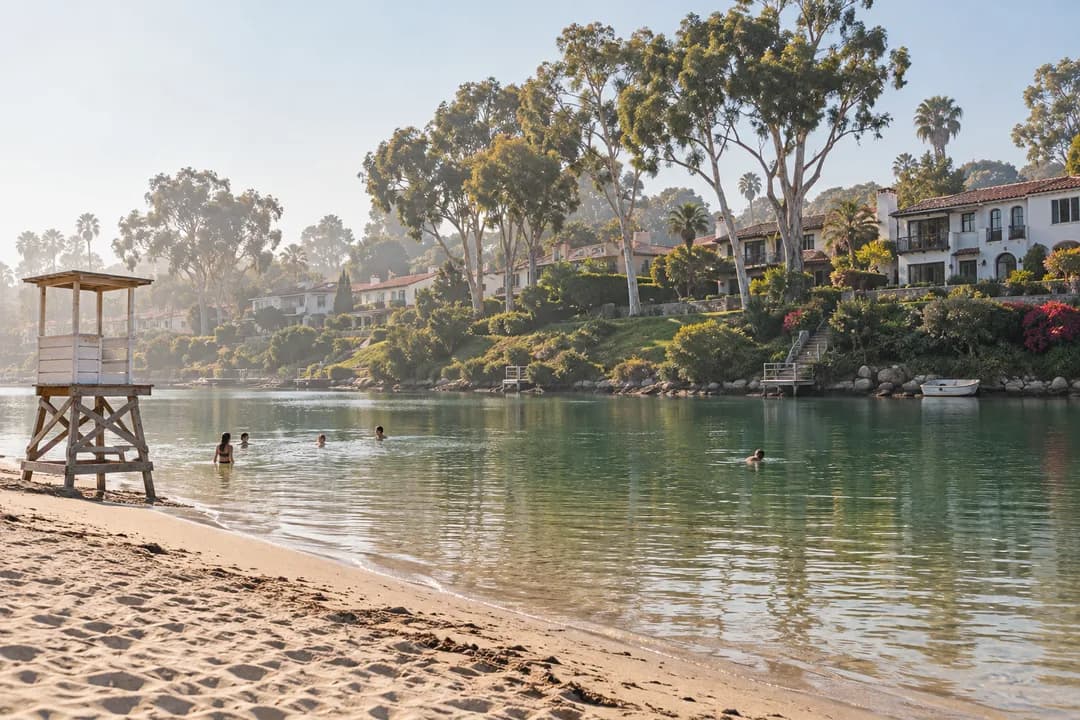 Waterfront Park Near Me: Tidal Swimming Beach at Long Beach's Colorado Lagoon
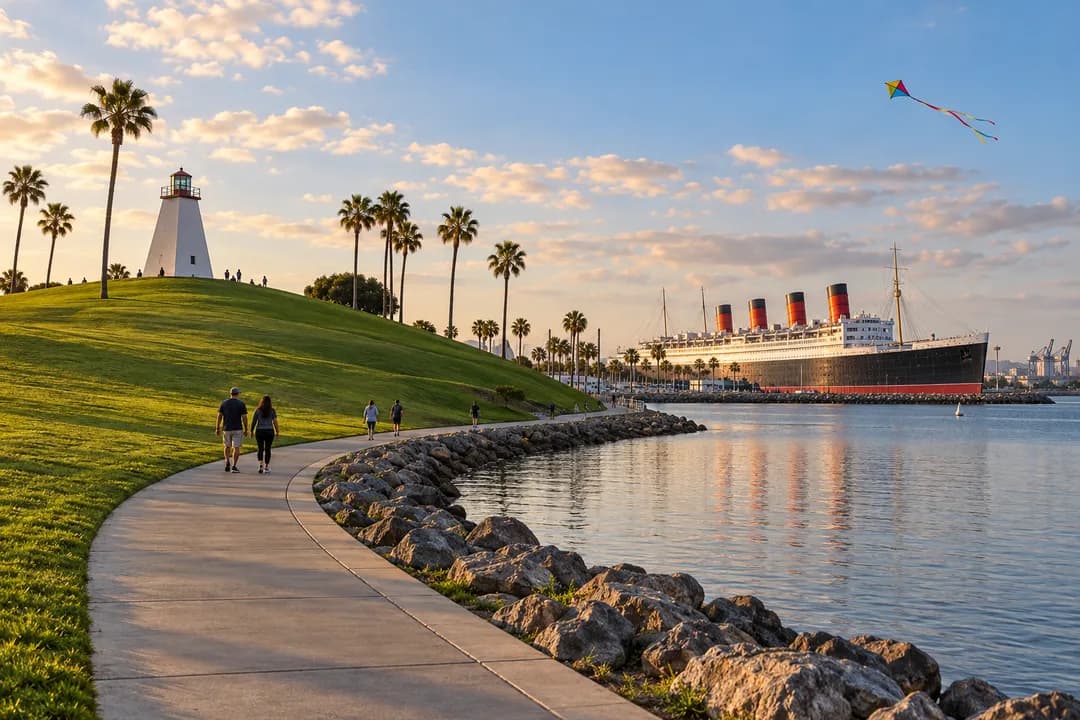 Waterfront Park Near Me: Lighthouse Hill at Shoreline Aquatic Park