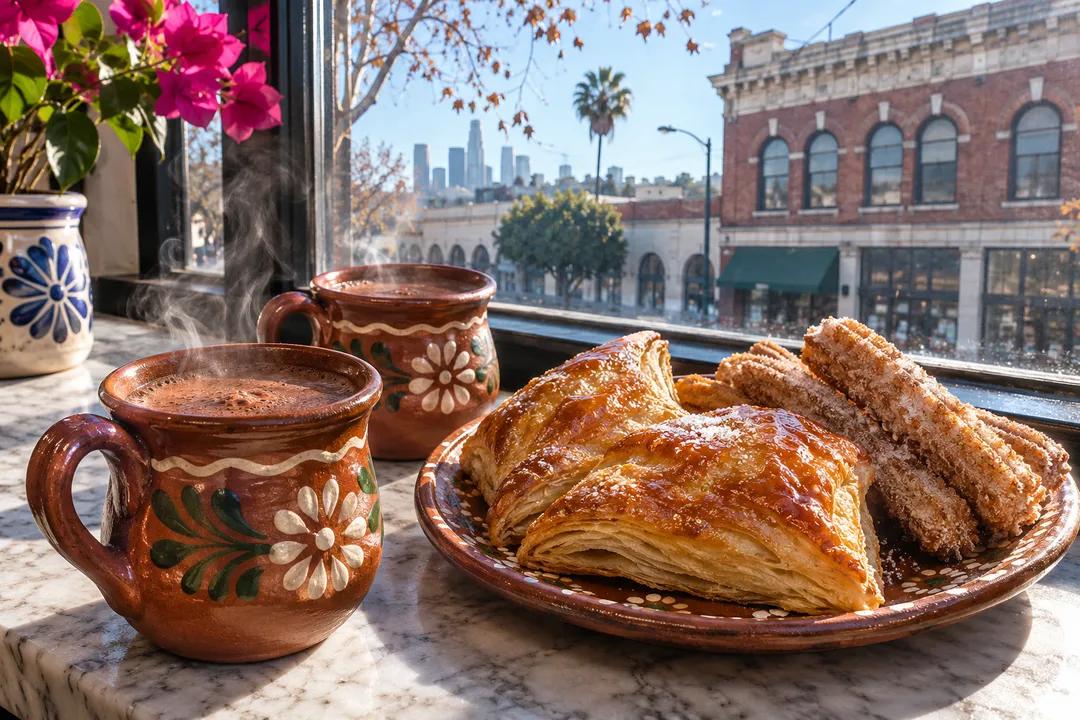
 Lincoln Heights Champurrado Winter Cafe Picker: Two Routes
Coffee & Dessert
West Hollywood Specialty Coffee Bean Roaster Cold Brew Guide
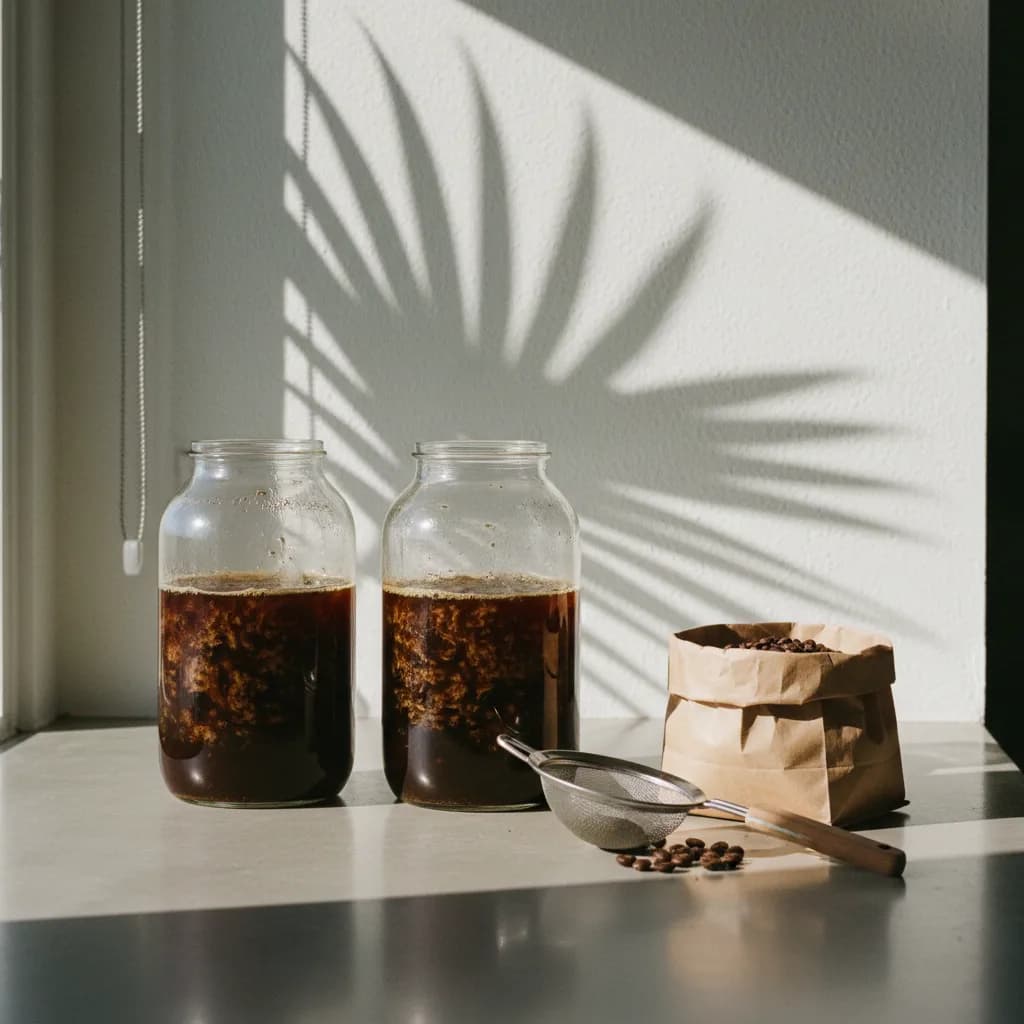
Make a week of smooth cold brew at home: choose the right whole beans in West Hollywood, grind them coarse, steep overnight and keep the batch tasting fresh.
Cold brew is the unofficial drink of a Los Angeles afternoon. It is smooth, low in bitterness and refreshing when the sun bounces off the pavement along Santa Monica Boulevard. Buying it by the cup adds up quickly, though, and many store-bought bottles taste flat or oddly sour. Making it at home is easy once you start with the right beans. West Hollywood, with its walkable stretches of Santa Monica Boulevard, Melrose Avenue and the design-focused blocks near Robertson, has several specialty coffee bars where you can buy whole beans and ask how they make their own cold brew. Here is how to turn that conversation into a fridge full of excellent coffee.
Why Bean Choice Changes Cold Brew
Cold brew steeps coffee in cool water for many hours instead of extracting it with heat. That slow process mutes bright acidity and pulls forward sweetness, body and chocolate or nutty flavors. Coffees that taste lively and citrusy as a hot pour-over can turn surprisingly mellow in cold brew, while coffees with natural sweetness and body often shine.
For a first batch, many baristas recommend a medium roast with notes of chocolate, caramel or stone fruit. Coffees from Brazil, Colombia, Guatemala or Peru are common choices. If you like a little fruit in your glass, a natural-process Ethiopian can make a gorgeous cold brew with notes of blueberry or strawberry. Darker roasts work too, but very dark beans can taste smoky or ashy once concentrated.
What to Ask at a WeHo Coffee Bar
Order the shop's own cold brew first if they make it. Taste it black, then decide whether you like that profile. Ask which bean they use, whether it is available as whole beans, and what ratio and steep time they follow. Many shops are happy to share a general method. Also ask about the roast date on the bags. Beans one to three weeks off roast are a good window for cold brew, since a little resting time helps the coffee taste rounder.
If the shop offers grinding, cold brew is the one time you might accept, as long as you plan to brew within a day or two. Ask for a very coarse grind, roughly like raw sugar or breadcrumbs. Otherwise, take the beans whole and grind them at home right before you start the batch.
A Walking Loop With Errands
West Hollywood is friendly to people on foot, especially along Santa Monica Boulevard, where coffee bars sit between gyms, boutiques and brunch spots. A bean run fits neatly into a Saturday morning. Start with a coffee and a pastry, pick up your beans, then walk off the caffeine at West Hollywood Park or browse the shops along Melrose. If your plans run toward the Sunset Strip later, keep the beans out of a hot car. Heat is a fast way to stale good coffee.
Buy only what you will brew in the next week or two. A typical home batch uses about a quarter to half a pound of beans, depending on how strong you like it and how many people share the fridge.
The Overnight Steep
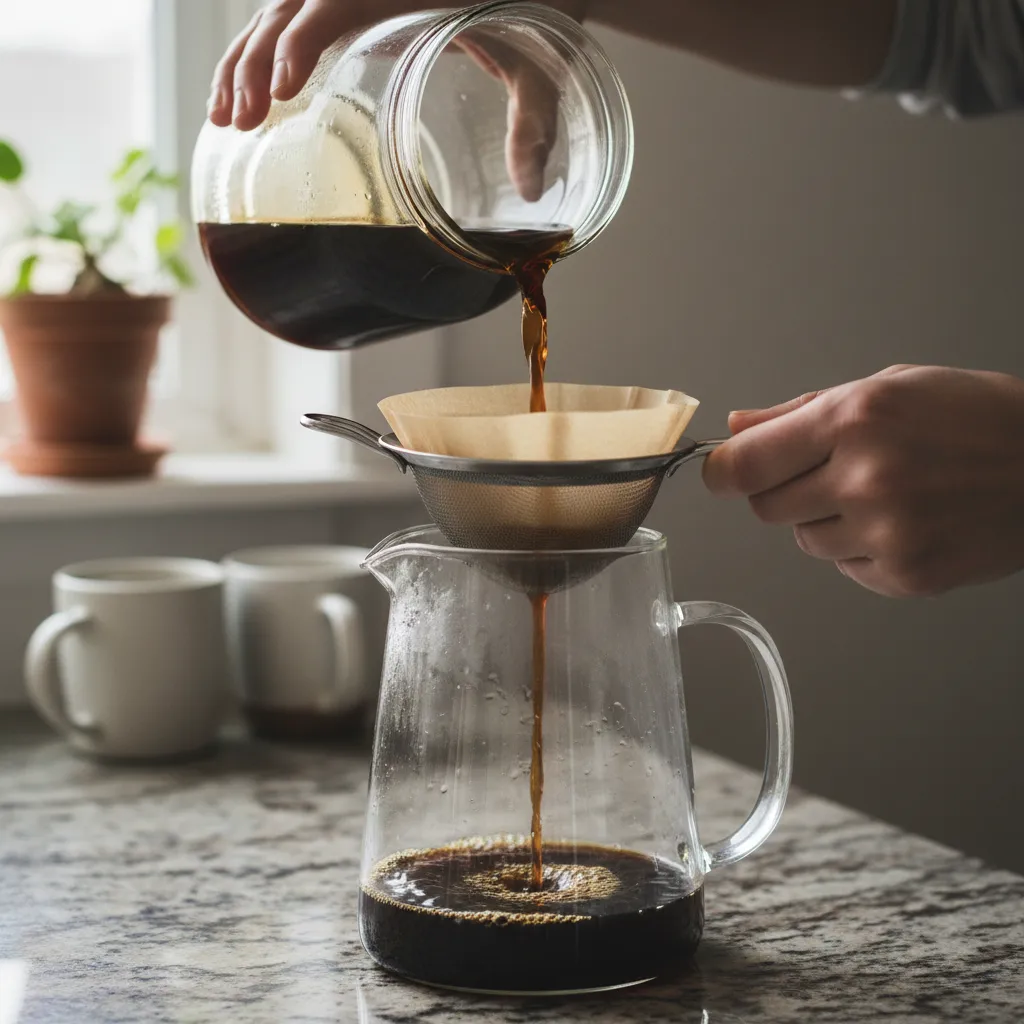
A dependable home ratio for a cold brew concentrate is about one part coffee to five parts water by weight. For a ready-to-drink cold brew, try closer to one part coffee to eight parts water. Combine the coarse grounds and filtered water in a large jar or pitcher, stir gently until all the grounds are wet, cover, and leave it on the counter or in the fridge for twelve to eighteen hours. Steeping at room temperature tends to extract faster, while the fridge gives a slightly softer result.
When the time is up, strain it through a fine mesh sieve lined with a paper filter or a clean cloth. Be patient here. Pressing the grounds forces through fine particles and bitterness. Let gravity do the work, then pour the finished cold brew into a clean, sealed bottle.
Tasting and Adjusting
Taste the first glass over ice, black. If it tastes weak, use more coffee next time or steep a few hours longer. If it tastes harsh or bitter, shorten the steep or grind coarser. If it tastes muddy, improve your filtering. Write down your ratio and timing on a strip of tape on the jar. After two or three batches, you will have a recipe that tastes like your favorite café's version, or better.
Concentrate gives you more flexibility. Dilute it with water, milk or oat milk to taste. Add a splash of tonic and an orange peel for a bright afternoon drink, or pour it over coffee ice cubes so your glass does not water down as it melts.
Keeping a Batch Fresh
Homemade cold brew usually tastes best in the first week. Keep it sealed in the fridge, away from strong-smelling foods. Coffee picks up odors easily. If you notice the flavor turning dull or slightly sour, it is time for a new batch. Starting a fresh jar every Sunday night is a simple habit that keeps the fridge stocked for the workweek.
Store unused beans the same way you would for hot coffee: in an airtight container, away from heat and light, at room temperature. Avoid freezing and thawing a bag repeatedly. If you buy a larger bag, split it into small sealed portions and freeze only what you will not use soon.
Rotating Beans Through the Seasons
Once your method is steady, start experimenting. Try the same recipe with a different origin each week and notice how the glass changes. A Colombian might taste like milk chocolate and cherry, while a natural Ethiopian could taste like berry jam. Roasters often bring in new harvest coffees at different points in the year, so asking what is fresh can lead to excellent cold brew discoveries.
Planning the Saturday loop is easier with a starting point: message Karpo that you want cold brew beans in West Hollywood and you will get a few places to compare, saved in the conversation and ready to open on a map. Keep a running note of which origin made the smoothest jar. Shops rotate their beans with the seasons, so expect the shelf to look a little different each visit.
Great cold brew is mostly about patience and good beans. With one thoughtful stop at a West Hollywood roaster, a coarse grind and an overnight steep, you can have smooth, café-quality coffee waiting in your fridge all week long.
Ask Karpo for more information.
Keep reading
- Lincoln Heights Champurrado Winter Cafe Picker: Two Routes
 Pico-Union Champurrado Winter Cafe Picker: Two Easy Ways
 Highland Park Champurrado Winter Cafe Picker: Two Avenues