 Lincoln Heights Champurrado Winter Cafe Picker: Two Routes
Coffee & Dessert
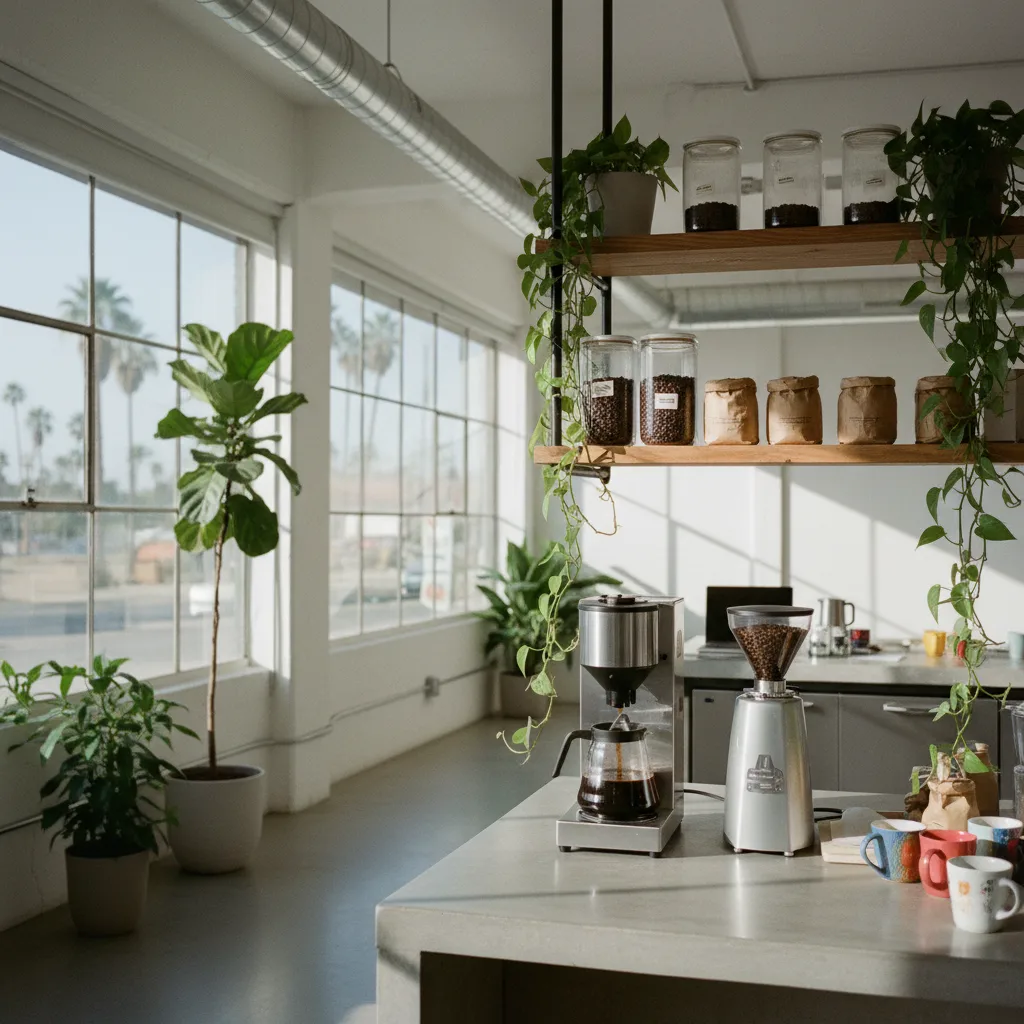
Culver City Specialty Coffee Bean Roaster for Small Offices
Running coffee for a small Culver City studio? Learn how to pick a local roaster, size a standing order and set up a brew station your team will actually use.
In plenty of small companies, office coffee is nobody's job until suddenly it is yours. Someone complains about the stale tub of pre-ground, someone else brings a fancy bag from home, and before long you are the unofficial coffee manager for a team of eight or fifteen people. Culver City is a good place to solve that problem well. The area is packed with production companies, creative agencies and tech teams, and the specialty coffee scene around downtown Culver City and the Hayden Tract has grown up alongside them. A little planning turns the office kitchen from a complaint generator into a small daily perk.
Start by Counting Cups
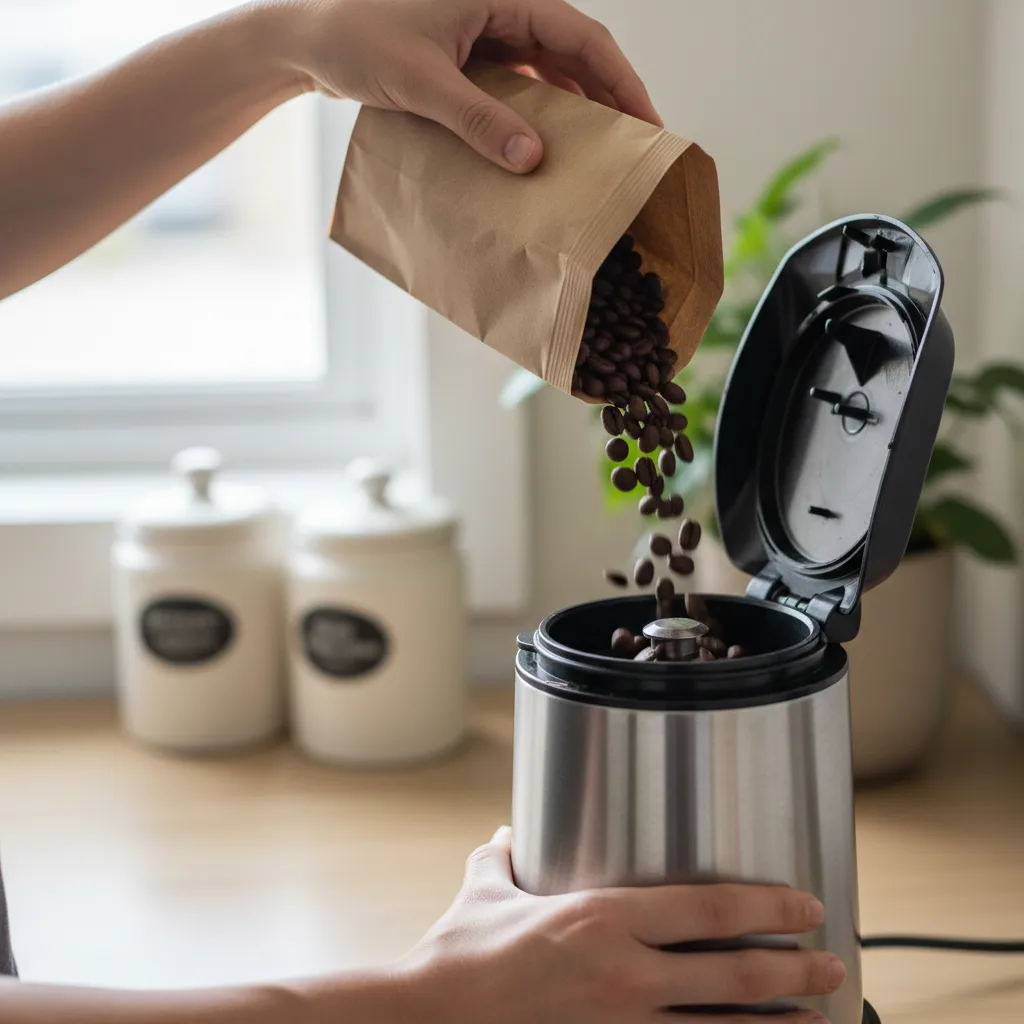
Before you talk to any roaster, figure out how much coffee your team really drinks. Spend one week counting. How many people drink coffee most days? How many cups each? Do afternoons spike before deadlines? A rough rule is that one pound of whole beans makes somewhere around thirty to forty standard cups, depending on strength. A team of ten people averaging two cups a day can easily go through two or three pounds a week.
That number matters because fresh beans are the whole point. Ordering a huge sack once a month saves effort but leaves your team drinking flat, papery coffee by week three. A smaller weekly or biweekly order keeps every pot tasting the way the roaster intended, and most specialty roasters are used to that kind of rhythm with local businesses.
What to Ask a Local Roaster
When you visit a Culver City coffee bar that roasts or sells its own beans, explain the situation plainly. Tell them how many people you are serving, what equipment you have, and what your team tends to like. Ask whether they offer wholesale or office accounts, whether they deliver locally or expect pickup, and how they handle roast dates on recurring orders. Many roasters will happily suggest one or two coffees that taste good from a batch brewer, which is a different challenge from a carefully made pour-over.
Taste before you commit. Ask for a cup of the coffee they would recommend for an office, and if possible taste it black and with milk, since your team will probably do both. You are looking for something forgiving: balanced, sweet and not too sharp, so it stays pleasant when someone brews it a little strong or lets it sit on the warmer.
Picking One Crowd-Pleaser and One Wild Card
A smart setup for most teams is two coffees. The first is a dependable house coffee, often a medium-roast blend or a chocolate-forward single origin from Brazil or Colombia, that most people will enjoy every day. The second is a rotating wild card, perhaps a bright Ethiopian or an unusual natural-process lot, that changes every few weeks. The wild card gives coffee lovers something to talk about without forcing everyone to drink fruity coffee before their first meeting.
Label the containers clearly with the coffee's origin and roast date. That small step does a lot. It signals that someone cares, it helps people notice what they like, and it starts conversations. Teams that see a roast date tend to treat the coffee with more respect, which usually means fewer half-full pots abandoned at four o'clock.
Setting Up the Brew Station
The best beans in Los Angeles will still taste mediocre if they are ground days ahead and brewed in a neglected machine. A decent burr grinder is the most important purchase you can make for an office coffee program. Grind just before brewing, set the grinder to the coarseness your brewer prefers, and post a simple card with the recipe beside the machine: how many grams of coffee for a full batch, and how much water.
Clean the brewer and carafe regularly, and descale on the schedule the manufacturer recommends. Store open beans in airtight canisters away from the window and away from the dishwasher's steam. These are boring details, but they decide whether people say the coffee is good or just fine.
A Weekly Rhythm That Works
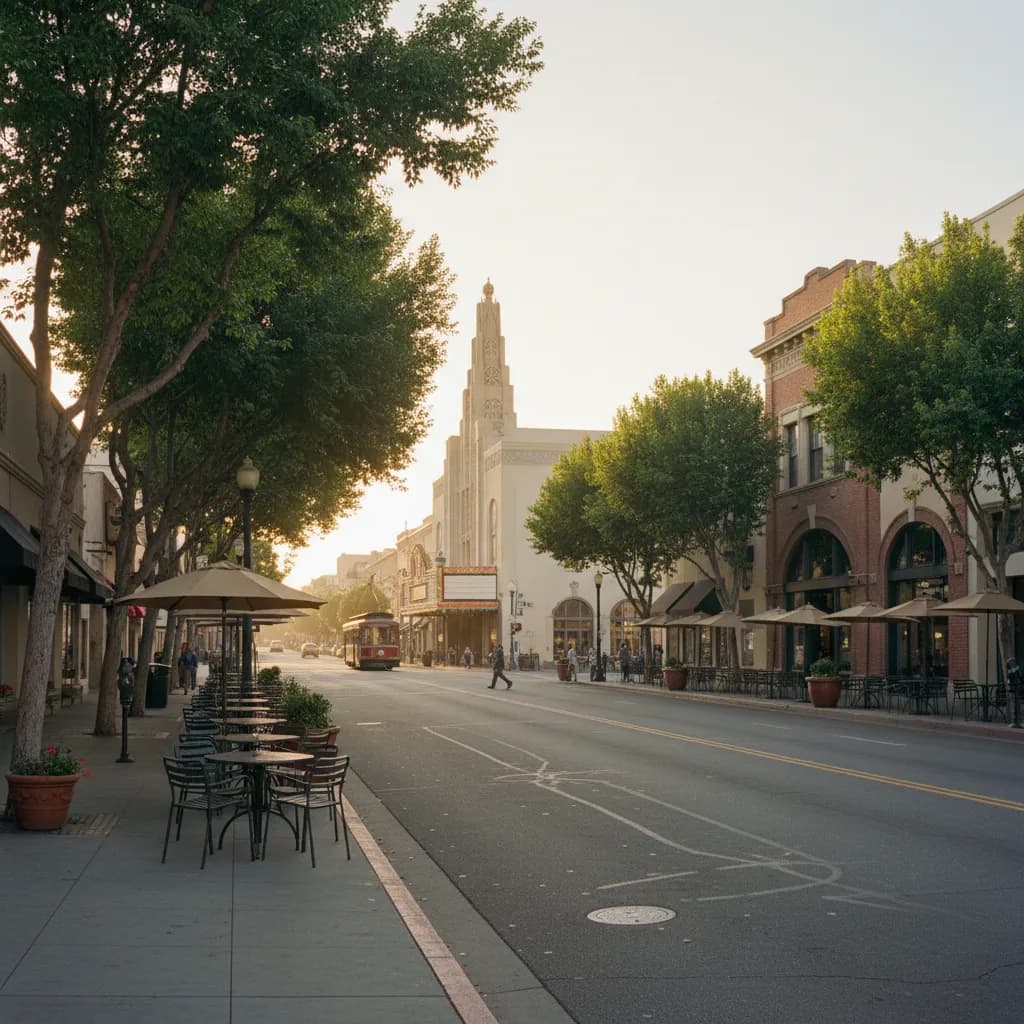
Once the system is in place, keep the routine light. Choose one day of the week to restock and pick up beans, ideally from a roaster near your route to the office. Culver City's compact downtown, around the Culver Steps and the old movie palace blocks, makes a morning stop easy, and the Metro E Line's Culver City station helps if part of the team commutes by train. Pair the pickup with a coffee for yourself. You earned it.
Every month or so, ask the team for quick feedback. Which wild card was a hit? Was the house coffee too dark or too light? Share that with the roaster on your next visit. Good roasters love specific feedback, and over time they will learn what your office enjoys and point you toward new arrivals before anyone else notices.
Budgeting Without Surprises
Specialty beans cost more than supermarket coffee, so set expectations early. Work out your weekly volume, ask the roaster for their office or wholesale terms, and compare that against what people currently spend buying drinks on the way in. Many teams discover that a good shared coffee program costs less per person than one café drink a week, especially once people stop leaving the office for a midmorning run.
If budget is tight, keep the house coffee steady and make the wild card smaller or less frequent. You can also ask whether the roaster sells larger bags for a better rate, as long as your team can finish them while they are still fresh.
Keeping the Program Alive
The hardest part of any office coffee plan is continuity when the person in charge is busy or on vacation. Write the essentials in one shared note: which roaster, which coffees, pickup or delivery day, grinder setting, brew recipe and a backup contact. Then the system survives a crunch week.
For the first pickup, describe your team size and brewer to Karpo and it can suggest a handful of Culver City spots selling whole beans, kept in your chat with map links for the drive or train ride. Once the team has voted on a few coffees, log the winners next to that list so reordering takes a minute. Wholesale terms and delivery are set by each roaster, so ask them.
Good office coffee is one of the cheapest ways to make a workplace feel cared for. With a local roaster, a reliable grinder and a simple weekly rhythm, the coffee corner in your Culver City office can become the small daily ritual your team looks forward to.
Ask Karpo for more information.
Keep reading
- Lincoln Heights Champurrado Winter Cafe Picker: Two Routes
 Pico-Union Champurrado Winter Cafe Picker: Two Easy Ways
 Highland Park Champurrado Winter Cafe Picker: Two Avenues