 Burbank Film Memorabilia Collector Shop Walk: Studio Stash
Hidden Gems & Odd Finds
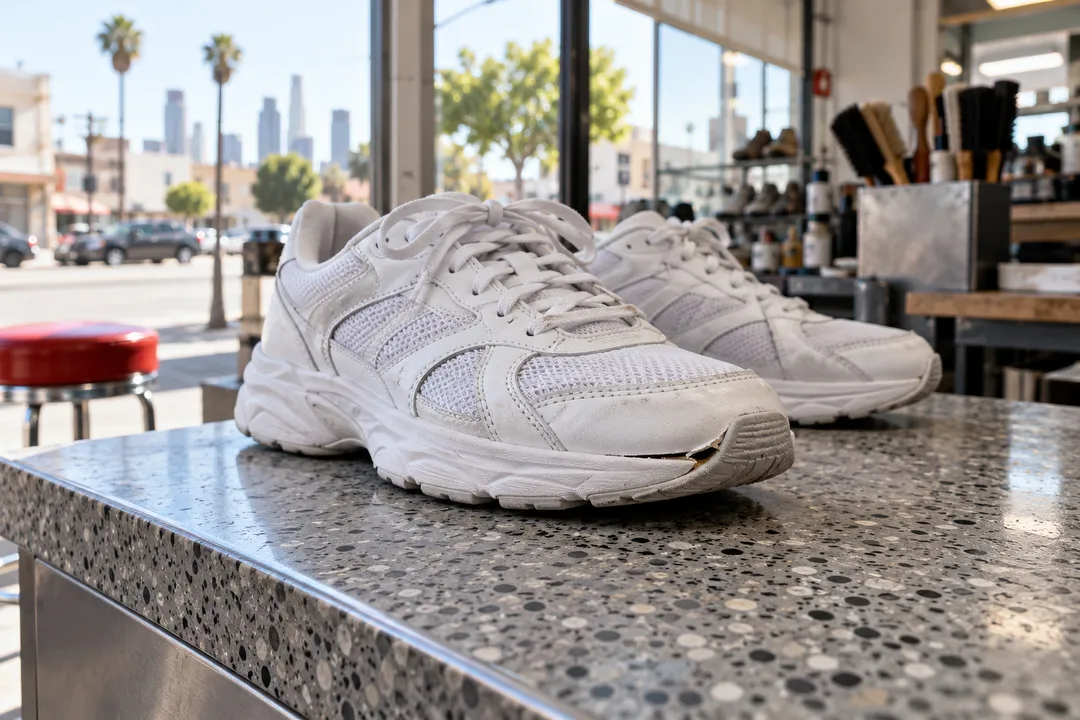
LA Shoe Repair Shop: 5 Checks for Sneaker Soles
Find a Los Angeles shoe repair shop for sneaker sole issues with five focused checks. Compare assessments, proposed work and your intended use of the pair.
A sneaker sole coming away from the upper needs a focused assessment, not an automatic promise of reglueing. For a Los Angeles shoe repair shop search, use five checks: name the separation, describe the material information you have, disclose earlier fixes, define your intended use and compare the proposed scope. Put those details into a Karpo APP conversation to organize candidates and questions. The next step is a repairer's assessment of the pair, followed by your decision about the work they actually offer.
Check one: show where the separation begins
Locate the gap without pulling it wider. Is it at the toe edge, along one side or around the heel? Does the same area look different on the other shoe? Write down the location and whether you noticed it during wear or while taking the pair out of storage. These observations make a better request than “the sole is broken,” which can describe several problems. Avoid testing the shoe with another long outing just to produce a more detailed account of the failure.
Distinguish an edge lifting away from a section that has already detached. Describe loose pieces you still have and bring them with the pair if the repairer requests an assessment. Do not remove more material for presentation. A search brief should reflect the shoes as they are, including dirt, past repairs and any changes you have noticed. It should not imply that an online conversation has already determined the cause or selected a suitable adhesive. That decision requires an assessment beyond the wording of a search.
Check two: keep the model information accurate
Look for a model name, label or original purchase record and copy the information you can identify. If you know only the brand, keep the rest unknown. Sneakers that look alike can still raise different repair questions, so a visual resemblance is a weak basis for a confident material claim. Tell candidates which parts appear to be coming apart and ask whether they assess that type of job. Their response should address your pair rather than only restating a broad promise of footwear restoration.
Here is a request you can adapt: “Help me compare sneaker repair options in Los Angeles near my weekday route. The sole edge is separating at the toe on this model. I want an assessment before deciding on work, and I can make two visits.” Add your neighborhood and transport method. Asking Karpo to organize the search does not establish service availability at a particular counter. Use the resulting leads as a starting point for direct questions and keep source information with each candidate.
Check three: disclose the repair history
List any earlier repair, even if it was a small home fix. If you used a product, give its actual name when known and describe where you applied it. If someone else repaired the sneakers and you do not know the process, say that. This is useful context to offer the next repairer, not a reason to improvise more work before the visit. Avoid scraping, soaking or heating the shoes to make an old attempt disappear from the account.
Also explain how the problem changed after the previous intervention. You might have seen the edge stay together briefly, or a new gap appear elsewhere. State the sequence without drawing conclusions about why it happened. Ask the counter whether its proposed work addresses the same area or a broader concern it has identified. Record any part of the assessment you do not understand and ask for a plain explanation. A clear scope matters more than collecting technical terms that you cannot connect to your pair.
Check four: explain what the sneakers are for
A casual pair for occasional wear and a pair you depend on for sport should not be described with the same brief. Explain your intended use before you agree to work. Ask the repairer what use they are assessing the proposed repair for, and do not treat a cosmetic improvement as a performance certification. This page offers a way to organize that conversation. It cannot establish that a repaired sneaker is suitable for demanding activity or that its original performance has been restored.
If you need the shoes for a specific event or trip, separate that date from your general wish to keep them. Ask what handover the provider proposes and compare it with your own collection window. Keep another pair available if the proposed plan is unsuitable. Skip an unassessed repair sold mainly on urgency when you still do not understand the scope. A quick promise is not a substitute for a clear explanation of what the counter will do and what it is willing to stand behind.
Check five: read the proposal as a whole
Once you receive an assessment, write down the included work, the charge quoted to you and the collection arrangement. Ask how the counter handles additional findings before work expands. Keep any care or follow-up terms in their exact wording. These are details from a particular conversation, not standard conditions shared by all shops. If you compare two proposals, make sure they describe equivalent work before treating the lower number as a better offer. Different scopes can make a price-only comparison misleading.
You can return to the Karpo APP with those replies and ask for help organizing the decision. For example: “One counter proposes work at the toe only, and another suggests a broader repair. Help me list the questions I need answered before choosing.” Include the proposals accurately and leave out personal payment details. The useful next step may be another question rather than a winner. A planning conversation should make uncertainty visible, especially when two providers are describing different jobs for the same sneakers.
Practical Notes: from assessment to collection
Bring the pair together in an easy-to-carry bag and keep any loose part separate so you can show it without losing it. Allow time for the counter to explain its assessment before adding another appointment to the route. If the job is declined, ask for the reason in ordinary language. That reason can improve your next search, whether it concerns the construction, the condition or the service the counter offers. It is useful information, even when no work is agreed that day.
At collection, compare what was done with the accepted proposal and ask about any instructions for use afterward. Examine the area discussed at intake and raise unresolved concerns while the staff can explain the job. Keep the record of the work with the receipt. The five checks have a practical purpose: they turn a vague search for a nearby repair into a sequence of decisions about one pair. You can then choose a next step with a clearer understanding of the proposal and its limits.
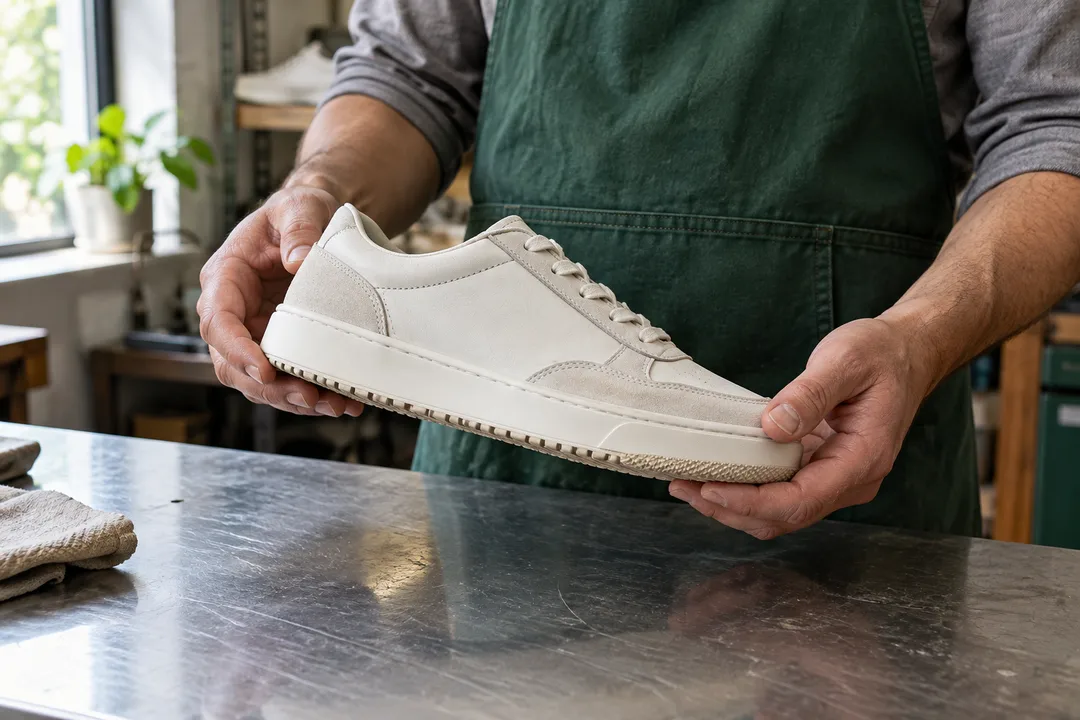
These AI-generated sneaker scenes illustrate a sole-assessment request and represent no specific shop or completed repair.
Ask Karpo for more information.
Keep reading
- Burbank Film Memorabilia Collector Shop Walk: Studio Stash
 Pasadena Film Memorabilia Collector Shop Walk: Classic Route
 Silver Lake Film Memorabilia Collector Shop Walk: Indie Lore