 Burbank Film Memorabilia Collector Shop Walk: Studio Stash
Hidden Gems & Odd Finds
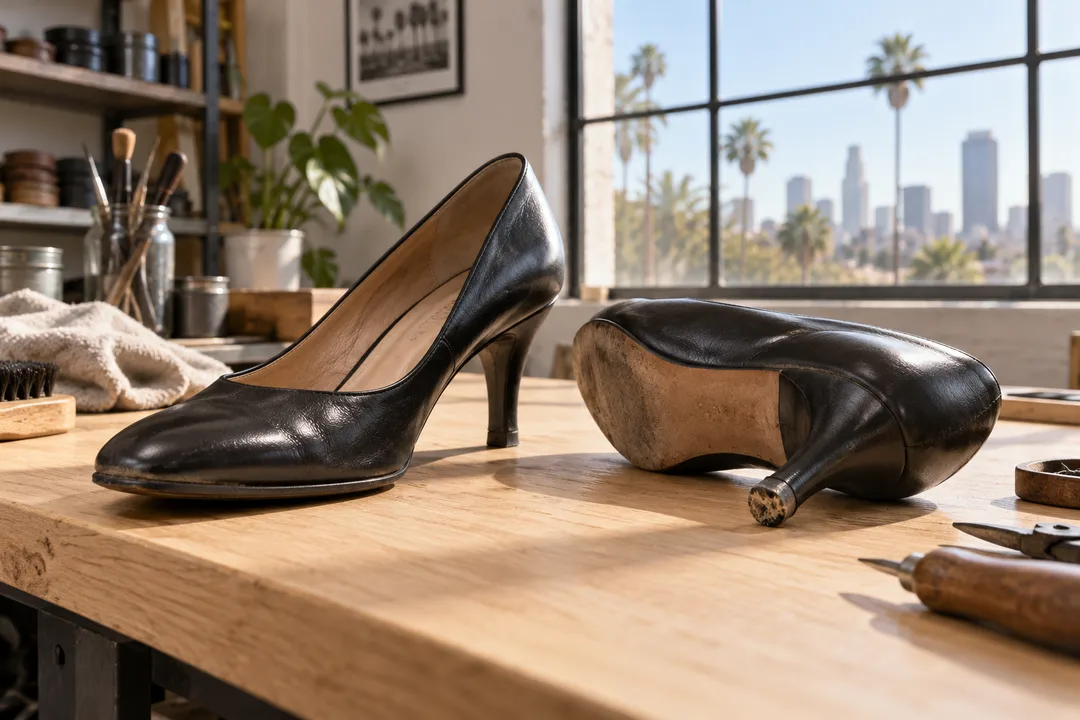
LA Shoe Repair Shop: 5 Questions Before Heel Repairs
Find a Los Angeles shoe repair shop for heel work by defining the damage, travel limits and deadline. Build a shortlist and prepare five useful questions.
A Los Angeles shoe repair shop shortlist becomes more useful when you describe the heel problem before choosing a neighborhood. A missing tip, a loose heel and a change in how the shoe feels are different questions. In the Karpo APP, start with the pair you own, where you can travel and the date you need it back. Use the conversation to organize candidates and your questions, then let the repairer assess the actual shoes before you authorize work.
1. Describe what changed under your heel
Begin with an observation rather than a diagnosis. Write that the right shoe clicks on hard flooring, that the heel feels loose when you stand, or that the outer corner looks more worn than the inner edge. Those descriptions give a repair counter something concrete to investigate. Calling every problem a heel replacement can narrow the conversation too soon. You want a shortlist for the condition you can see and feel, with the final repair decision left to someone examining the pair.
Keep the two shoes together while you prepare the request. Look at them from behind and note any difference in height, shape or wear. Describe the material as it appears on the label or original product listing, if you have one. Do not pull a loose piece farther away to make the damage more visible. Your aim is a clear account of the present condition, including whether the shoes are still comfortable, rather than an improvised test that changes it.
2. Give Karpo a useful travel boundary
Try this request: “Help me compare shoe repair options around Mid-City for a pair of leather pumps with a worn heel tip. I can drop them off during lunch and return on another weekday. Prioritize a manageable trip and give me questions to ask about the repair.” This is a planning prompt, not a quoted result or a promise that any particular shop accepts that job. Replace Mid-City with the neighborhood that fits your actual day and say whether you drive, walk or use transit.
A repair involves more than reaching a counter once. You may also need an assessment visit and a later collection. Tell Karpo where those trips begin, especially if you work across town from home. A candidate beside your office might make sense for lunch drop-off but be awkward for a weekend return. Compare the entire errand rather than the shortest first journey. If your plans are flexible, ask for a second neighborhood to consider without treating all of Los Angeles as one small search area.
3. Ask what work the estimate includes
Your third question belongs at the counter: “What exactly would you replace or secure, and what would remain original?” Keep the explanation alongside the estimate. A proposed heel-tip job and a proposal involving the heel structure are not interchangeable simply because both concern the back of the shoe. Ask the repairer to identify the part involved in their own words. If you cannot explain the scope afterward, ask for a clearer description before agreeing to the work or leaving the pair.
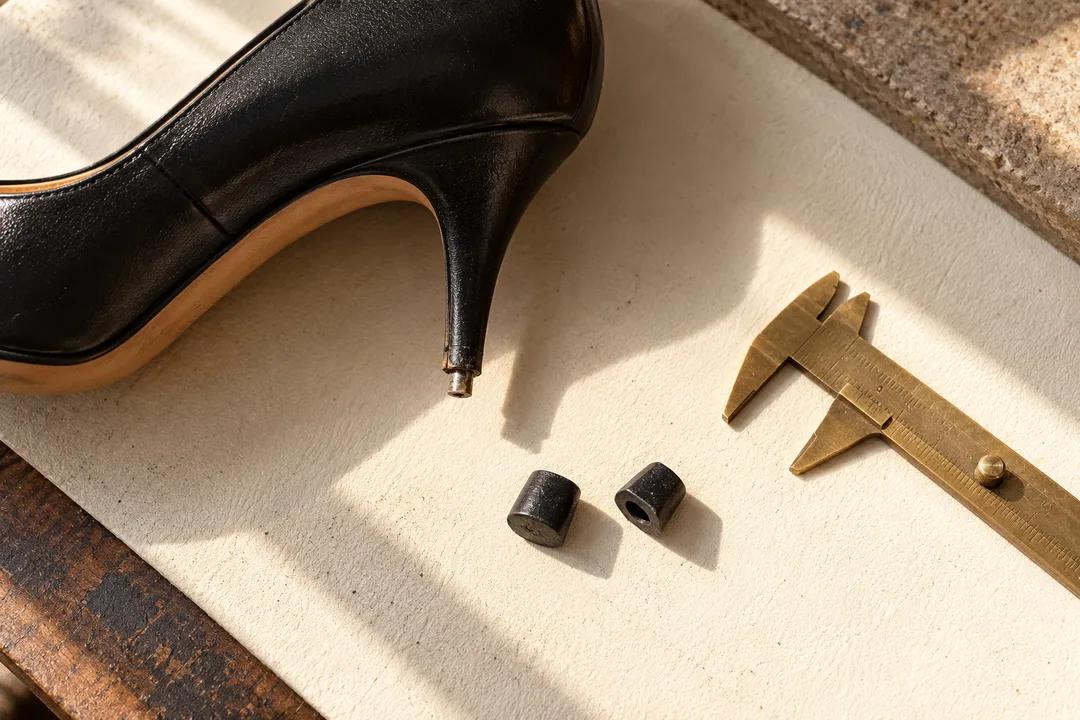
Bring up appearance as well as function. You might care about preserving a slim silhouette, matching the existing color or keeping both shoes visually consistent. These are preferences to discuss, not outcomes an article can guarantee. State which matters most to you and ask what compromises the proposed repair involves. For an especially valued pair, a visible sample or explanation from the repairer is more useful than a broad online assurance that every repair will look invisible.
4. Separate your event date from collection
If the shoes are for a ceremony, performance or interview, give the actual event date and explain when you can collect them. A completion date that leaves no time for collection or a fitting is a fragile plan. Ask the shop for its own proposed handover date and record it on the ticket. Karpo can help you organize the sequence of your errands, while the shop must agree to its work schedule. A suggested itinerary does not reserve time on a repair bench.
Choose your backup before the deadline becomes urgent. If the repairer cannot offer a suitable handover, use another pair for the event and arrange the work for a less pressured week. Skip a cross-city trip based only on an assumed same-day service. That assumption can turn a small repair into two wasted journeys. Your decision is whether this specific repair, with an agreed collection plan, fits your needs. It is not whether a generic search result uses the word fast.
5. Decide how you will inspect the result
The fifth question is simple: “What should I look at and try when I collect these?” Ask it when agreeing to the work so that pickup has a clear purpose. At collection, compare the pair, look at the repaired area and try the shoes where the staff permit. Describe any remaining concern before leaving. This is your opportunity to understand what was done and what the repairer recommends next, rather than discovering an unanswered question after another drive home.
Keep the receipt, agreed scope and any care instructions together. If the repairer offers an aftercare period or a policy for follow-up concerns, record their exact terms instead of assuming a standard guarantee. A useful note says which pair was left, which job was approved and when it was collected. For shoes that look similar in your wardrobe, include a distinguishing detail. These small records make a later conversation much clearer than relying on the approximate day you visited.
Practical Notes: turn the shortlist into one decision
Once you have a few candidates, compare them on service fit, travel burden and the response to your specific question. A shop's popularity does not by itself establish that it accepts your construction or preferred finish. Ask for a short comparison in the Karpo APP using the information you have gathered. Include unanswered items as unanswered. The useful output is a manageable next step, such as contacting one counter with your description, rather than a ranking that hides missing information.
Build any coffee stop or neighborhood walk around the drop-off, with enough flexibility to leave after the assessment. Keep the shoes safely packed and avoid adding a second distant errand before you know whether you will leave them. If the counter declines the job, take the explanation back into your search: “This shop does not handle this heel construction; help me revise my request.” That turns a refusal into a better brief. You finish with a clearer repair question and a route that suits your day.
AI-generated illustrations show a worn pump heel and detached heel tips as visual examples for the five-question repair brief.
Ask Karpo for more information.
Keep reading
- Burbank Film Memorabilia Collector Shop Walk: Studio Stash
 Pasadena Film Memorabilia Collector Shop Walk: Classic Route
 Silver Lake Film Memorabilia Collector Shop Walk: Indie Lore