 Burbank Film Memorabilia Collector Shop Walk: Studio Stash
Hidden Gems & Odd Finds
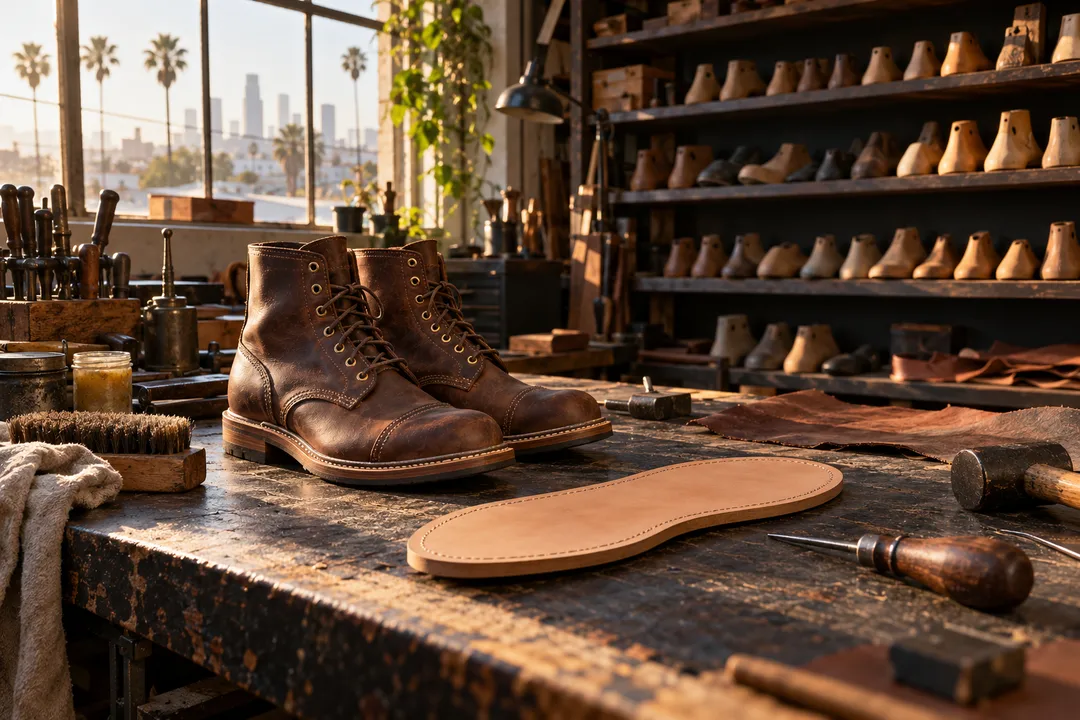
LA Shoe Repair Shop: 4 Choices Before Boot Resoling
Find a Los Angeles shoe repair shop for boot resoling by comparing preservation, changes, scope and travel. Prepare a clear brief before an assessment.
Boot resoling starts with four choices: what you want to preserve, what you want to change, what the repairer says is possible and whether the whole errand is worthwhile. Use the Karpo APP to organize a Los Angeles shoe repair shop search around those choices. Name the boots and your travel area in the request, then gather a few candidates for an assessment. A shortlist can help you decide whom to approach; the boots themselves determine which work a repairer can offer.
Keep the character or change the job
First, decide why you want these boots back in use. Perhaps the uppers fit comfortably, the shape works with your clothes, or the pair carries a history you value. Write down the feature you would regret losing. That priority belongs in the conversation before anyone discusses replacement parts. “Keep the profile close to the original” communicates a different goal from “I want a sole suitable for a different routine.” Neither request establishes that a particular conversion is feasible.
Think through how the boots will be worn after repair. Describe your ordinary surfaces and activities without prescribing a technical solution yourself. A person walking between transit stops may have different preferences from someone wearing the boots mainly indoors. Explain whether weight, appearance, flexibility or grip is your main concern. You are supplying a use case for the repairer to consider. Avoid treating a named sole material as a universal upgrade simply because you have seen it recommended for another model online.
Choice one: preserve the original outline
For a preservation-led search, ask Karpo to help you find repair candidates in your part of Los Angeles and prepare a brief about retaining the boots' shape. Include the brand and model if known, a description of the existing outsole, and any previous repairs you remember. Ask for source links that you can read when available. This is an example of a request to make, not evidence that a specialist has already agreed to work on your pair or match an original component.
At the assessment, ask which visible parts would change and which would stay. Discuss edge color, sole thickness and the appearance of the stitching if those details matter to you. The counter may explain a limit you had not considered. Record that explanation with the proposed scope. Preservation is a preference to weigh against the condition of the boots, not a reason to insist on a result the repairer does not offer. A clear refusal can be useful information for the next decision.
Choice two: ask about a different feel
If you want a different sole, describe the problem with the present setup first. You might dislike the weight or feel that the current profile is too bulky for your wardrobe. Keep your observation separate from the remedy. Ask the repairer which changes they can assess for this construction and what tradeoffs they expect. Avoid a shopping list of parts selected without that discussion. The goal is an informed proposal for these boots, rather than copying a transformation shown on a different pair.
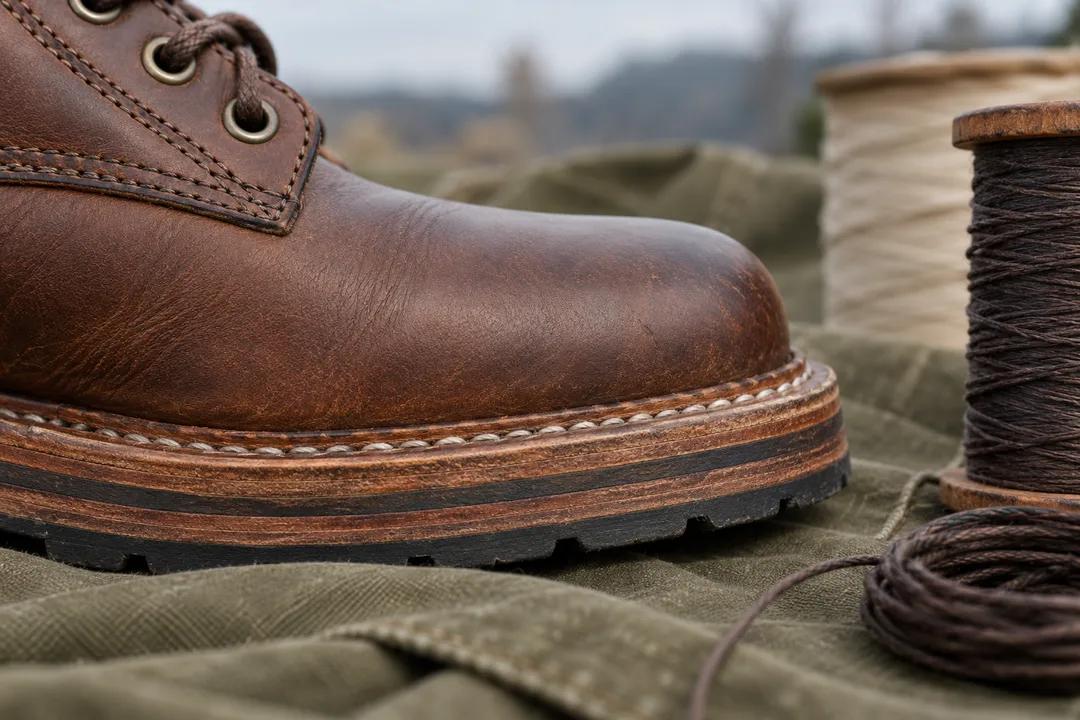
Give yourself room to decline a change. A lighter appearance might matter less once you understand what would be removed, and a major conversion may not fit your budget or priorities. Ask for the explanation in ordinary language, including whether the proposed work changes the original silhouette. You do not need to approve immediately to make the visit productive. Taking the boots away with a written proposal can be a reasonable outcome when the decision involves details you want to consider carefully.
Choice three: define the repair boundary
A resole request should also establish the boundary of the job. Ask what the repairer has observed elsewhere on the pair and whether any additional work is included in the estimate. Separate agreed work from optional suggestions. “Replace the outsole” and “restore the boots” can mean very different scopes. Before leaving the pair, you should be able to describe the authorized work without guessing. If another issue is discovered later, state how you want the shop to seek your agreement before expanding the job.
Be candid about earlier interventions. Tell the counter if the boots have already been resoled, repaired at home or altered for fit, to the extent that you know. Bring any original details you have kept, but do not disassemble anything for the visit. The repairer can explain which information is relevant after seeing the pair. An honest account that includes unknowns is more useful than inventing a construction history. Your planning conversation should preserve those unknowns rather than filling them with confident assumptions.
Choice four: compare the complete commitment
The fourth choice concerns the whole commitment: the agreed work, the quoted charge, the proposed handover and both journeys. Ask Karpo to help organize the information you have received into a short comparison. State your starting neighborhood and how often you can return. A shop close to an existing weekly errand may be easier to use than one that looks marginally closer on a citywide map. Do not turn that convenience into a claim about workmanship; it is one practical factor in your decision.
For a deadline, leave space between collection and the first occasion you need the boots. Discuss the schedule directly with the repairer and write down their proposal. If that schedule conflicts with your plans, keep a second pair available or defer the work. An itinerary in a conversation is a planning aid, not a workshop booking. Do not pay for a rushed decision merely to preserve a date you invented before receiving an assessment. Timing should follow the accepted job and your realistic ability to collect it.
Practical Notes: make the assessment useful
Pack both boots in a bag that is easy to open at the counter. Bring your brief, your priorities and the questions left unresolved by the service information you have read. Ask where the work takes place if knowing that influences your choice, and record the answer without assuming every counter operates the same way. Keep your ticket accessible until collection. A useful assessment ends with a defined proposal, a reason for declining the work, or a specific next question to take elsewhere.
At pickup, compare the result with the scope you approved. Look at the silhouette and finish, ask what was replaced and follow the repairer's instructions for trying and caring for the boots. Keep those instructions with your record of the work. If you combine collection with a walk or another local errand, plan around carrying the boots rather than wearing them immediately. You have made four separate decisions deliberately, which gives you a stronger basis for the repair than choosing a counter from a broad search alone.
The boot and sole-edge scenes are AI-generated illustrations accompanying the four decisions about a resoling assessment.
Ask Karpo for more information.
Keep reading
- Burbank Film Memorabilia Collector Shop Walk: Studio Stash
 Pasadena Film Memorabilia Collector Shop Walk: Classic Route
 Silver Lake Film Memorabilia Collector Shop Walk: Indie Lore