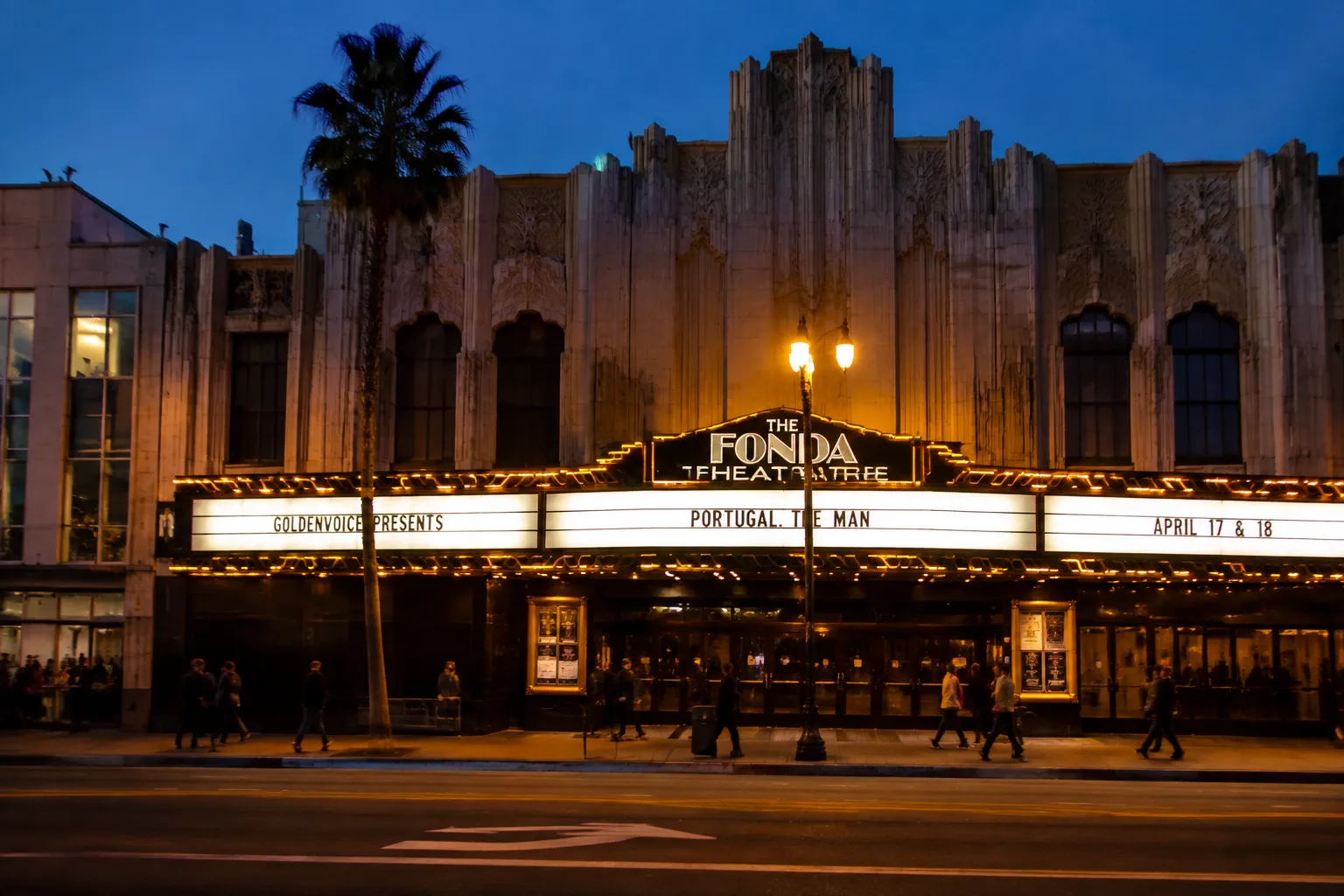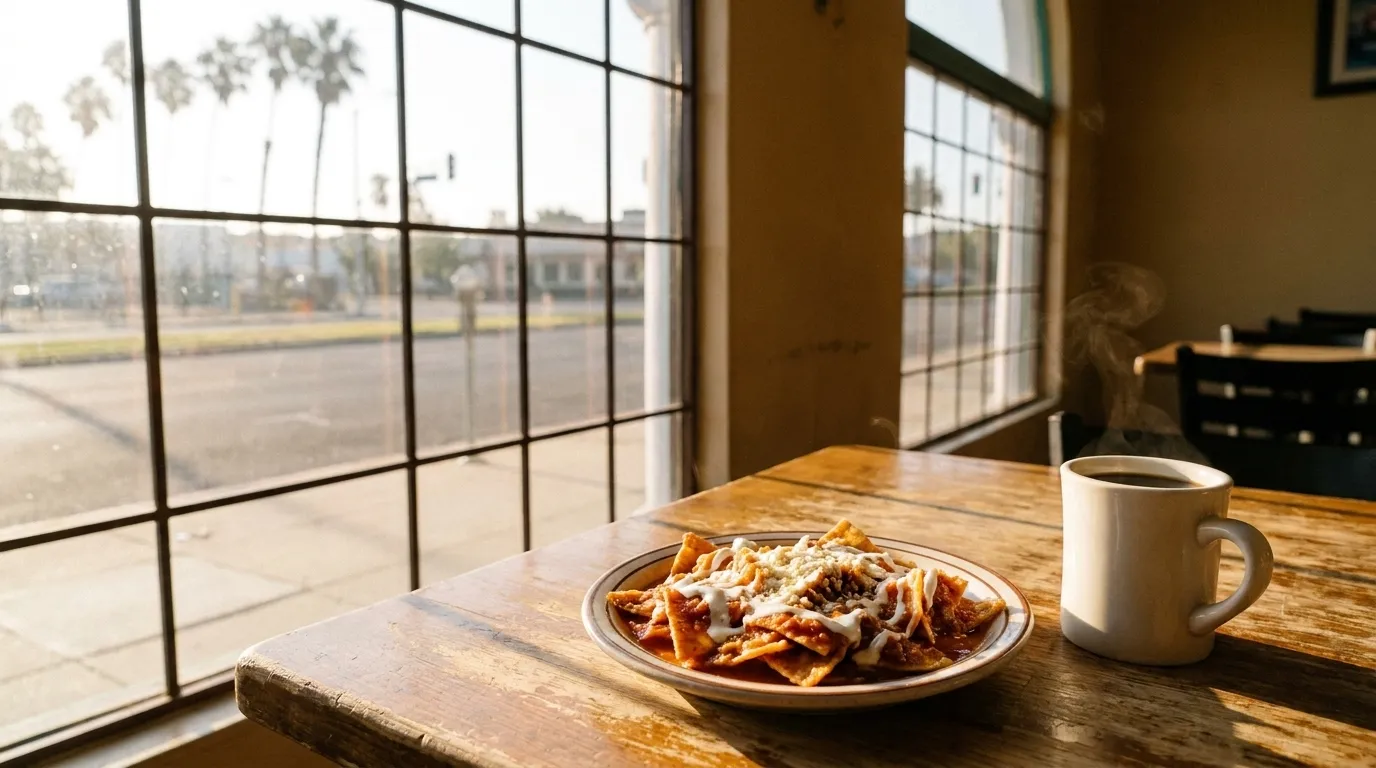
Sunday afternoon in late May carries a particular electricity in certain corners of Los Angeles. The jacarandas are shedding their last purple blooms, the marine layer burns off by noon, and a dozen television screens flicker to life with the promise of ninety minutes that will be dissected in barbershops and produce aisles for weeks to come. This weekend, the Cruz Azul versus Pumas fixture kicks off at 1 p.m., and if you know where to look—or more precisely, where to listen—you'll find rooms full of people who've arranged their Sundays around it.
The neighborhood rhythm
East LA, Boyle Heights, and Pico-Union have long been the backbone of the city's soccer-watching culture. On match days, the usual weekend hum—children weaving between sidewalk vendors, the sizzle of al pastor on vertical spits—sharpens into something more focused. By 12:30 p.m., parking spots evaporate. Families stake out tables near wall-mounted flatscreens. Someone's tía arrives with a Tupperware of napkins because she doesn't trust the venue to have enough.
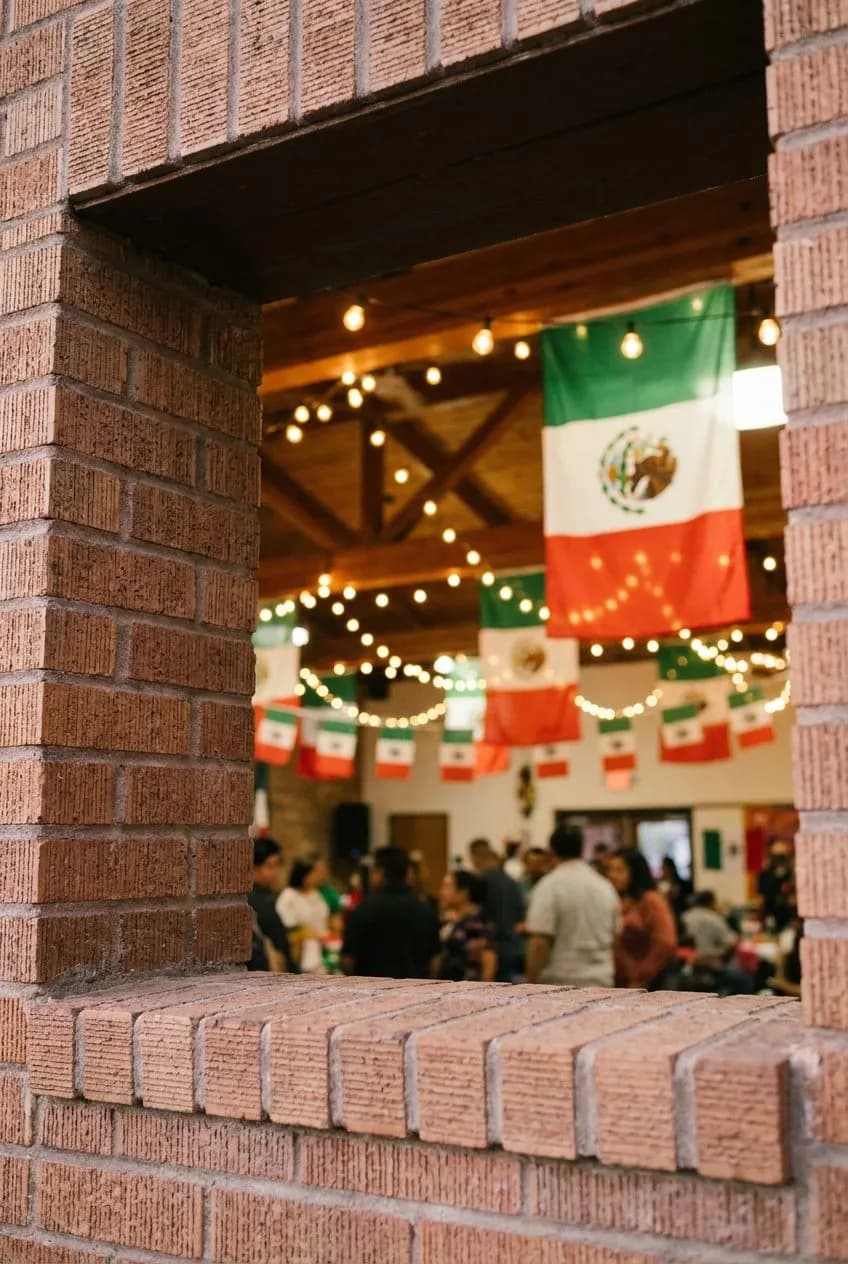
The venues themselves range from long-established sports bars with jerseys pinned to wood paneling to community centers that double as weekend gathering spots. What unites them is full Spanish-language commentary piped through sound systems that range from pristine to charmingly blown-out. You're not here for hi-fi. You're here because the crowd gasps in unison when a header skims the crossbar, and because the person two tables over is providing better color analysis than the broadcast booth.
What to expect at the door
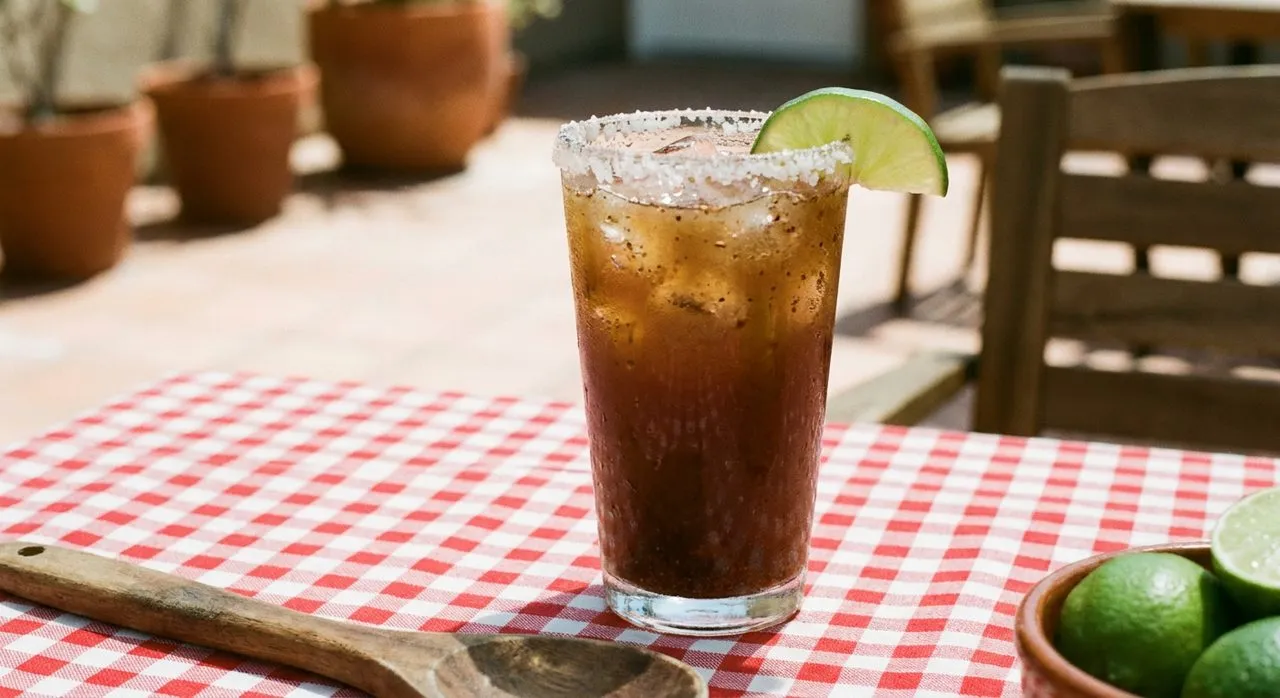
Most spots showing the match charge a modest cover—five to ten dollars—to offset streaming licensing costs. A few waive the fee but enforce a one-drink minimum, which is code for "order a michelada and we'll call it even." The vibe is family-friendly in the truest sense: toddlers in miniature jerseys, grandparents claiming the best sight lines an hour early, teenagers half-watching while scrolling their phones until a goal attempt snaps their attention back.
Arrive thirty minutes before kickoff if you want a seat with an unobstructed view. Closer to game time, you'll be watching from a standing-room perimeter or craning around a support beam. The late-May heat makes the choice of an outdoor patio appealing, though you trade shade for the possibility that someone's car alarm will drown out the most crucial three seconds of the match.
The food and drink choreography
Plates of carne asada, rice, and beans circulate between tables with a timing that suggests the kitchen knows exactly when the match will hit a lull. First half, light snacks. Halftime, the serious eating begins. By the seventy-minute mark, someone's ordered a second round of micheladas with extra chamoy, and the air smells like lime, Tajín, and fryer oil.
Some venues offer a prix-fixe deal: cover charge plus a combo plate. Others operate on an à la carte honor system—you order what you want, and the server's mental tally is flawless. The michelada is the de facto drink of record, though you'll see Modelos, Pacíficos, and the occasional Coke in a glass bottle sweating onto paper coasters. If you're driving, the horchata is excellent and no one will judge you for it.
The unwritten etiquette
Wear neutral colors unless you're committed to defending your allegiance for two hours. A cruz azul jersey will earn you friends and adversaries in equal measure, sometimes at the same table. When a goal is scored, expect noise—the kind that briefly drowns out the commentary and sends every head swiveling toward the screen to confirm what just happened via replay.
Phones come out for key moments, but the general contract is to stay present. You're part of a collective experience that doesn't translate well to a solo stream at home. The groan when a penalty is awarded, the sharp intake of breath during a breakaway, the post-match autopsies that begin before anyone's stood up to leave—these are the reasons you came.
Beyond the scoreline
What makes these watch parties matter isn't just the result—though the result will be argued over, eulogized, or celebrated depending on which side of the room you occupy. It's the fact that for ninety minutes, plus stoppage time, the room holds a shared attention span that feels increasingly rare. No one's checking work email. The group chat can wait. Even the kids seem to understand that right now, this screen is the only one that counts.
By the final whistle, win or lose, someone will have made plans for the next big match. The same spot, same time, same unspoken agreement that this is how Sundays are meant to be spent when the stakes are high and the commentary is in the language your grandmother taught you to count in.
Practical notes
Concentrate your search along Cesar Chavez Avenue in Boyle Heights, Whittier Boulevard through East LA, and the blocks surrounding the intersection of Pico and Alvarado in Pico-Union—each corridor hosts multiple sports bars and community gathering spots known for streaming Liga MX matches with Spanish audio. Street parking is tight; aim to arrive by 12:30 p.m. or budget for a paid lot within a few blocks. Metro's Gold Line (Boyle Heights, Mariachi Plaza, Soto stations) and the B and D lines (Pico-Union / Westlake station) bring you close, though expect a ten-minute walk. Covers typically run five to ten dollars; cash is safer than assuming card readers are working. Venues are ground-level accessible, though restroom access varies—verify directly if that's a concern. Bring patience, a willingness to share tables, and an appetite.
Tags: #LARightOnTime #CruzAzulVsPumas #LigaMXInLA #EastLA #BoyleHeights #PicoUnion #SoccerSunday #LosAngelesSoccer #MicheladaSeason #WatchPartyLA #LateSpring2026 #LANeighborhoods #CommunityViewing #FamilyFriendlyLA #LAFutbol
Sources consulted: Cruz Azul · Pumas UNAM · Liga MX Official Site · Time Out Los Angeles · Boyle Heights
All trademarks are the property of their respective owners.