 Burbank Film Memorabilia Collector Shop Walk: Studio Stash
Hidden Gems & Odd Finds
Valley Village Record Player Repair: The Audio Specialist
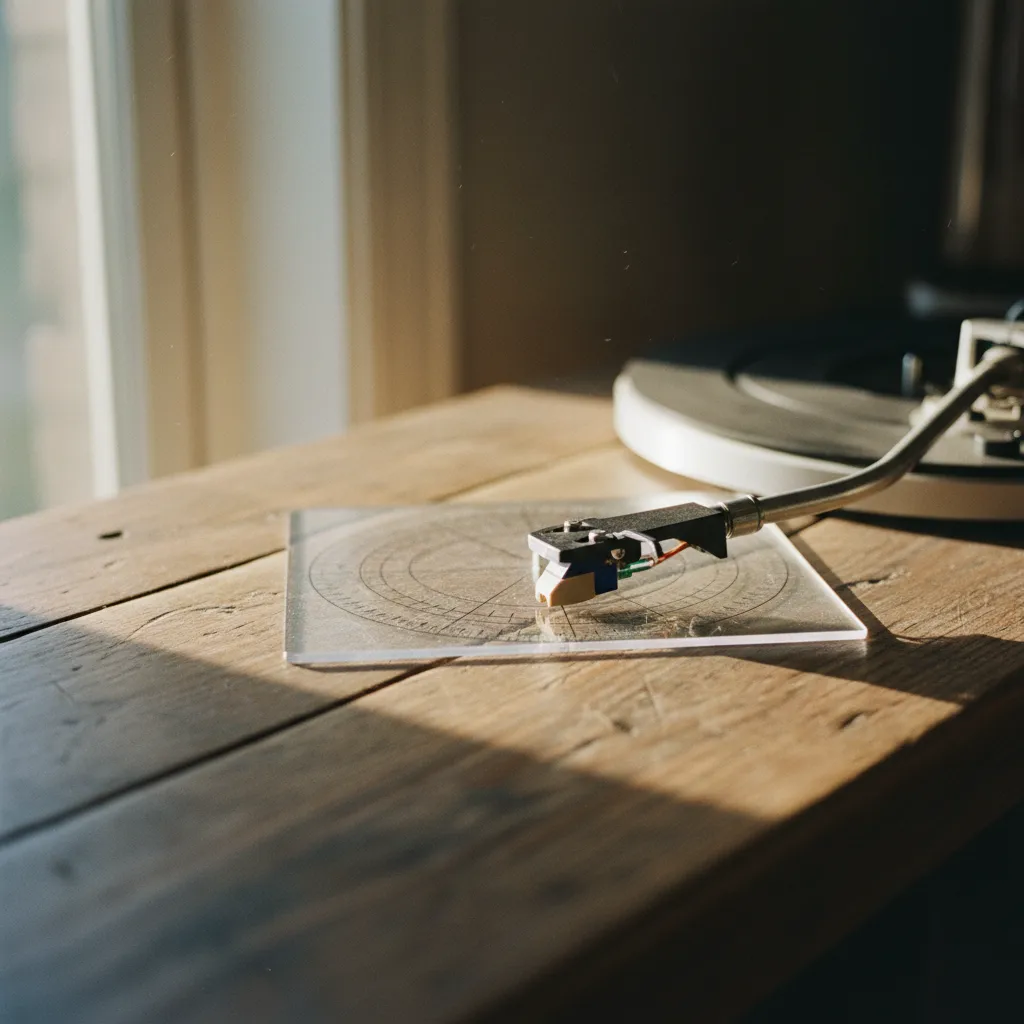
Bring vintage turntables to The Audio Specialist in Valley Village for precision belt swaps, cartridge calibration, and tonearm restorations.
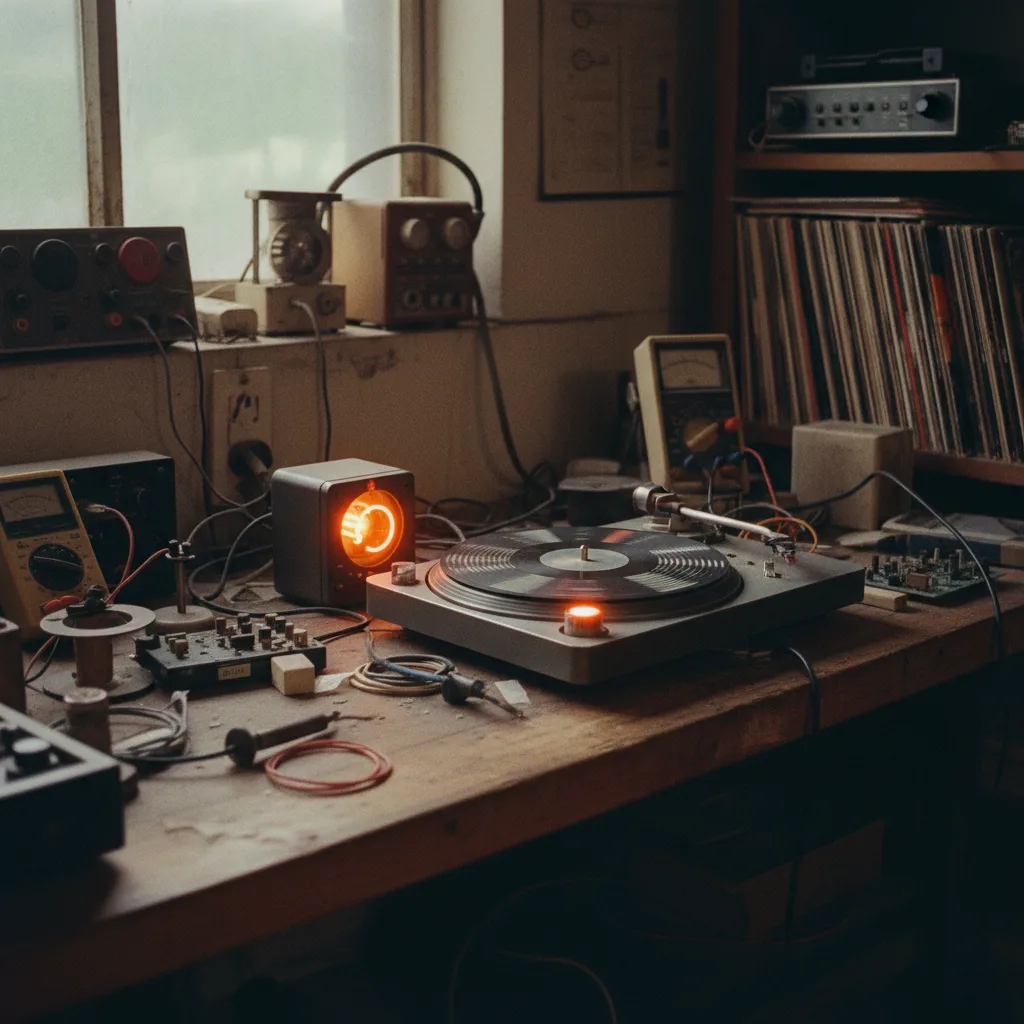
At 5232 1/2 Laurel Canyon Blvd, The Audio Specialist operates as one of the San Fernando Valley's most venerable independent electronics workshops, dedicated to preserving vintage turntables, tube preamplifiers, and analog audio engineering. Founded in 1957 when Sigmund Bardach relocated from New York to head the West Coast warranty department for Harman Kardon after working with audio pioneers David Bogen and Sidney Harman, the workbench has anchored Valley Village for decades. Today, certified electronic technician Howard Bardach oversees diagnostic evaluations and component-level repairs on classic belt-driven and direct-drive record players. Whether you have inherited a delicate 1970s Marantz turntable, a precision German Thorens deck, or an early acoustic phonograph changer, the bench provides meticulous mechanical and electrical overhaul. Entering the storefront brings you into a genuine repair haven stacked with vintage stereos, specialized oscilloscopes, and testing benches where analog sound restoration remains a dedicated lifelong discipline.
Diagnostic Intake and Vintage Turntable Mechanics
Analog vinyl playback relies on microscopic electro-mechanical interactions where physical groove modulations translate into delicate electrical impulses. Over years of storage or continuous playback in Southern California living rooms, turntable mechanisms inevitably develop mechanical fatigue. The most frequent mechanical failures involve hardened rubber drive belts that slip or snap, dry motor bearings that cause acoustic rumble, and dried factory grease that seizes automatic cueing cycles. Technicians at the workshop inspect every sub-assembly, disassembling seized cam wheels, soaking linkages in degreasing solvents, and applying fresh synthetic lubricants calibrated for silent platter rotation.
For direct-drive models from Technics, Pioneer, and Sony, bench service focuses on servo-control circuitry, quartz crystal oscillator stability, and pitch fader calibration. Technicians utilize strobe pattern discs and precision optical tachometers to verify steady 33.3 and 45 revolutions per minute under varying dynamic load. Dirty potentiometers and oxidized pitch trim controls are flushed with specialized contact cleaners to eliminate the annoying speed drift and pitch flutter that degrade sustained musical passages.
Idler-wheel drive turntables, including vintage Dual and Garrard record changers, present unique mechanical puzzles requiring precision rubber resurfacing and motor isolation mount renewals. When vintage rubber mounts perish, motor vibration transfers directly into the cast chassis, producing audible low-frequency hum during quiet quiet vinyl intros. The shop replaces hardened motor grommets, cleans inner platter rims with pure isopropyl alcohol, and verifies that drive pulleys align perfectly with the motor step spindle.
Tonearm Re-Wiring and Phono Cartridge Geometry
Achieving immaculate sound quality from vinyl requires flawless tonearm balance and diamond stylus tracking geometry. A cartridge misaligned by even half a millimeter can create harsh high-frequency distortion, channel imbalance, and irreversible record groove wear. The technical bench balances delicate tonearms using mirrored alignment protractors, digital downforce scales, and azimuth test records. Technicians adjust vertical tracking angle, overhang, and anti-skate magnetic bias to keep the diamond stylus centered precisely between stereo groove walls.
Internal tonearm wiring represents another vulnerable point in vintage turntables. Over decades, original thin copper leads oxidize, break at solder pins, or develop loose grounds that generate persistent sixty-cycle hum through home stereo speakers. The workshop meticulously re-wires delicate tonearms using four-strand pure oxygen-free copper or silver Litz wire. Each miniature lead is hand-soldered to gold-plated headshell clips and connected to modern shielded phono output cables, restoring clean signal transmission without background buzz.
Stylus inspection is performed under high-magnification optical microscopes to evaluate diamond tip wear, cantilever suspension compliance, and bonded tip integrity. Patrons can replace worn needles or upgrade to modern moving magnet and moving coil cartridges from trusted analog manufacturers like Ortofon, Audio-Technica, and Shure. The staff provides clear advice regarding optimal tracking force windows and capacitive loading parameters tailored to your home preamplifier.
Visiting Hours and Drop-Off Recommendations
The Audio Specialist welcomes walk-in customers and equipment drop-offs along Laurel Canyon Boulevard just north of Magnolia Boulevard. The shop operates Monday through Thursday from 9:00am to 6:00pm, and Friday from 9:00am to 2:00pm. The workshop remains closed on Saturday and Sunday. Weekday morning visits between 10:00am and 12:00pm provide an ideal window for speaking directly with technical staff, enabling you to explain specific playback issues before the afternoon equipment intake rush.
When transporting a record player to Valley Village, proper packing safeguards sensitive components from costly transit damage. Always remove the heavy metal platter if it lifts off freely to prevent bending the central bearing spindle during sudden stops. Secure the tonearm firmly to its rest clip using a soft twist tie, unscrew the removable headshell, and pack the counterweight separately in a padded pouch. Leaving delicate dust covers loose risks cracked hinges, so wrap covers in bubble wrap or transport them unlatched on a soft blanket.
Following diagnostic intake, technician evaluations assess motor health, power supply capacitors, and tonearm bearings before providing a comprehensive repair quote. Customers are contacted with an itemized service plan, ensuring full transparency before specialized replacement parts are ordered or extensive circuit restorations commence.
Valley Village Strolls and Laurel Canyon Cafes
Leaving your audio equipment on Laurel Canyon Boulevard places you in the heart of Valley Village, a quiet residential and commercial pocket known for mid-century apartment buildings and leafy side streets. A short stroll north toward Chandler Boulevard brings you along the pedestrian path parallel to the dedicated transit busway. Shaded benches and neighborhood pocket parks offer a tranquil space to relax while taking a break from city driving.
The surrounding stretch of Magnolia Boulevard features cozy neighborhood bakeries, independent coffee shops, and vintage clothing boutiques. Enjoying a hot pour-over coffee or grabbing an artisanal pastry allows you to savor the quiet rhythm of the East Valley. Just south toward Studio City, historic antique collectives and record bins invite vinyl enthusiasts to browse classic pressings while their home stereo gear undergoes testing.
San Fernando Valley Transit and Driving Access
Reaching 5232 1/2 Laurel Canyon Blvd is straightforward from across greater Los Angeles via the nearby Ventura Freeway (US-101) and Hollywood Freeway (CA-170). Ample street parking is available along Laurel Canyon Boulevard and adjacent residential side streets. Public transit riders can take LA Metro Bus Line 230, which stops steps from the workshop door, or connect via Metro Bus Line 155 along Riverside Drive.
Commuters traveling on the Metro G Line (Orange Busway) can disembark at the Laurel Canyon Station and walk nine minutes south along Laurel Canyon Boulevard. For those connecting from downtown Los Angeles or Hollywood, the Metro B Line (Red Line) subway connects smoothly at the North Hollywood Station to local westbound buses. Combining historic family electronics heritage with patient craftsmanship, The Audio Specialist remains an essential destination for record player restoration across Los Angeles.
Ask Karpo for more information.
Keep reading
- Burbank Film Memorabilia Collector Shop Walk: Studio Stash
 Pasadena Film Memorabilia Collector Shop Walk: Classic Route
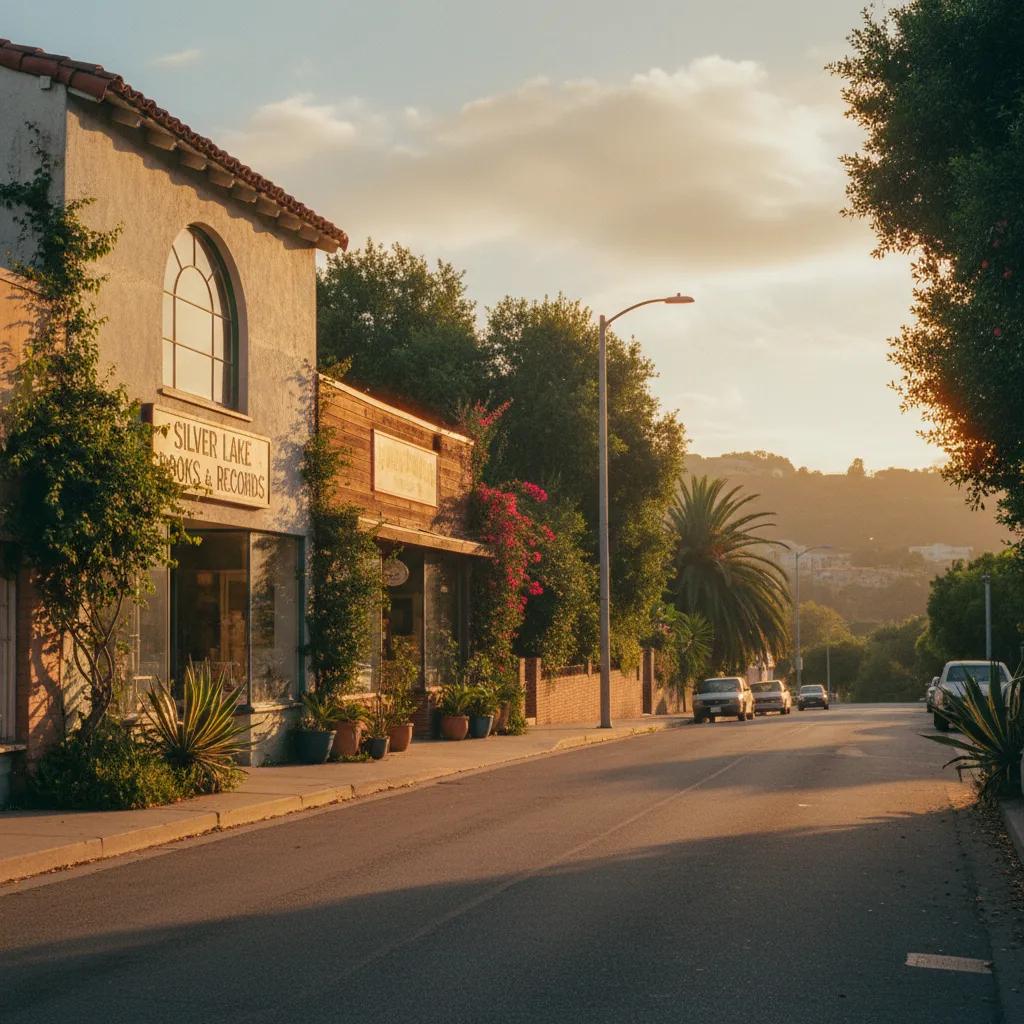 Silver Lake Film Memorabilia Collector Shop Walk: Indie Lore