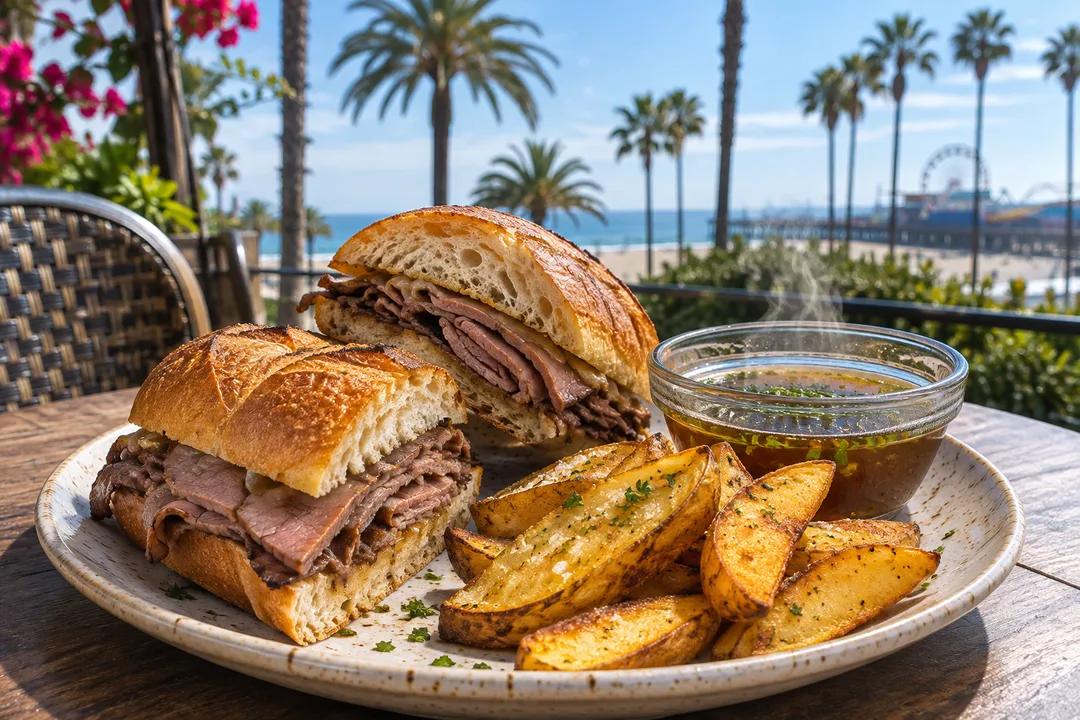
 Santa Monica French Dip Sandwich Lunch Picker by Ocean
Restaurants
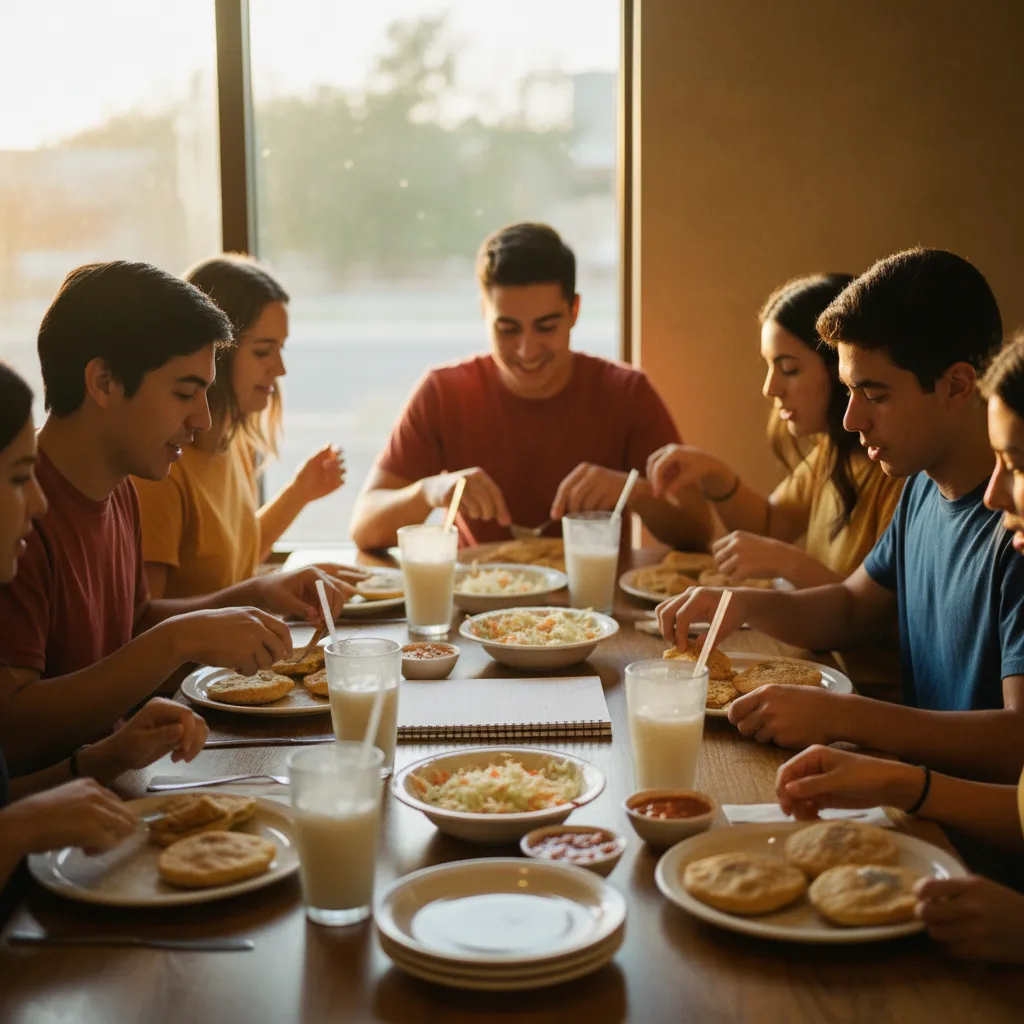
Sawtelle Pupusa Spot Picker for a Student Study Group
Trade a Sawtelle ramen night for a study group trip to a Salvadoran pupuseria, with a menu word list, a shared order plan and tips for a big table.
A Sawtelle pupusa spot picker is for students who already know the Westside's noodle strip by heart. Sawtelle Boulevard is famous for ramen, udon, boba and Japanese snacks, and it is a classic study-break street for anyone living near campus. But after a semester of the same bowls, a study group deserves a real field trip. Salvadoran pupusas are hearty, made to share and full of stories, and the city's biggest concentration of pupuserias sits east in Westlake, Pico-Union and nearby blocks. This plan helps a group of classmates organize the trip, order with confidence, learn a few food words and turn dinner into a small cultural exchange.
Why a Study Group Fits a Pupuseria
Pupusas are made for groups. They arrive in rounds, everyone eats with their hands, and the table fills up with shared bowls of curtido and salsa. Nobody has to commit to one big dish, so picky eaters and adventurous ones can sit side by side.
For international students, many of whom grew up with dumplings, flatbreads or rice cakes, the pupusa feels both familiar and new. It is a stuffed, griddled corn cake, and almost every food culture has a cousin. That makes it a great starting point for conversations about home cooking around the table.
Getting There From the Westside
From Sawtelle, the trip east is a real journey across the city, so plan it like an outing rather than a quick snack. If someone in the group has a car, carpool and agree on a meeting point near campus. Without a car, the Wilshire bus corridor or a Metro ride toward downtown and Westlake works well, and the ride doubles as time to review notes.
Aim for an early dinner. Arriving before the evening rush makes it easier to find a long table, and you will be back on the Westside with time to study or sleep.
A Quick Menu Word List
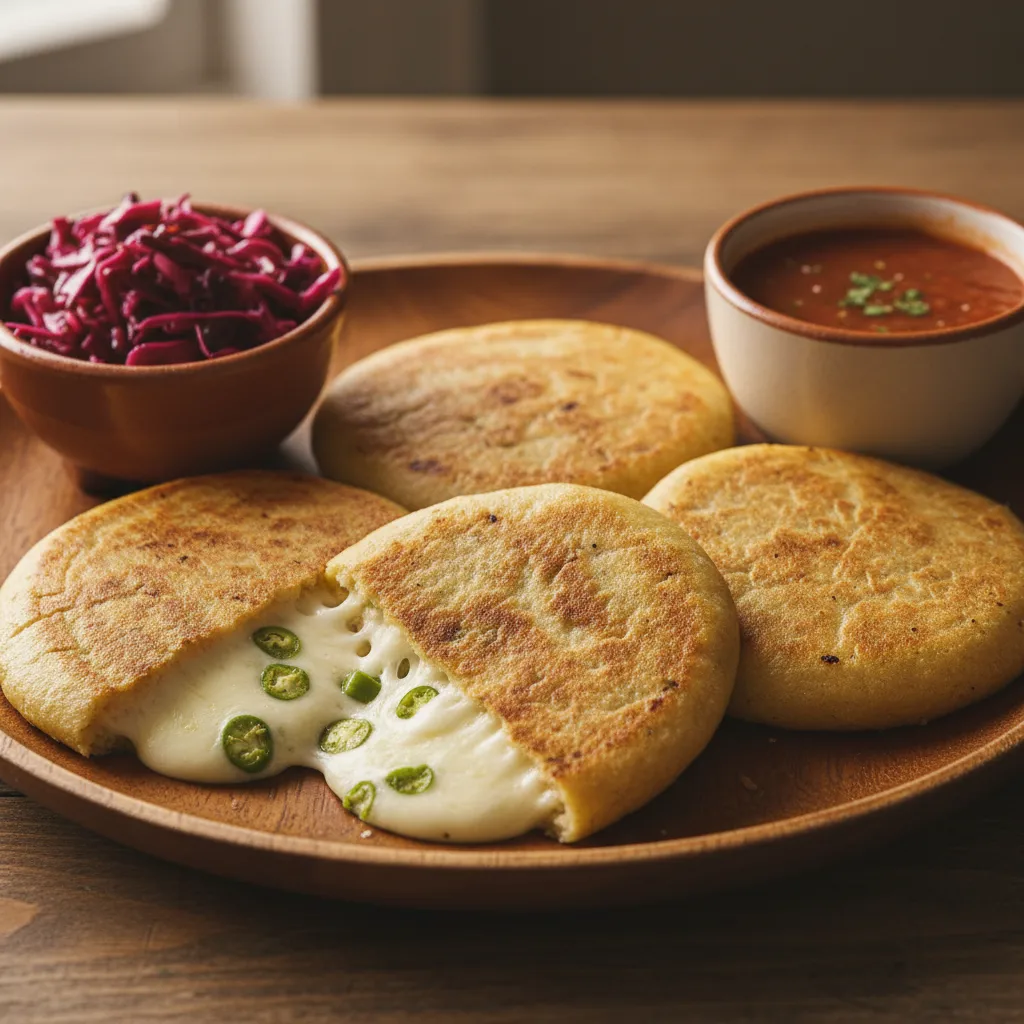
Learning a few words makes ordering easier and more fun. Pupusa is the stuffed corn cake. Revuelta means mixed, and in pupusa language it means cheese, beans and chicharrón, a finely ground seasoned pork. Queso is cheese, frijol is bean and loroco is the edible flower bud of a Central American vine, with a fresh, slightly grassy taste.
Masa de maíz is corn dough, and masa de arroz is rice dough, which some kitchens use for a softer pupusa. Curtido is the tangy cabbage slaw that comes with every order, and salsa roja is the thin tomato sauce poured on top. Horchata is a sweet drink, and in Salvadoran kitchens it is often made with toasted morro seeds.
Write the list in your group chat before you go. Assign one person to be the official word checker, and let everyone practice ordering at least one item themselves.
Building a Shared Order
For a group of six, start with two revueltas, two queso con loroco, one frijol con queso and one chicharrón con queso. If rice-flour pupusas are offered, swap one corn pupusa for a rice one so everyone can compare. That first round is enough for each person to taste a little of everything.
After the first round, take a quick vote. Which filling won? Which dough did people prefer? Then order a second round of the favorites. This keeps the table from overordering and gives everyone a voice, which is a nice change from splitting one giant group check of mismatched dishes.
Add a side of plátanos fritos, fried sweet plantains with crema and beans, if the group wants something sweet and savory. Many kitchens also serve yuca frita, crisp fried cassava, which is great for sharing.
How to Eat Without Looking Lost
Pupusas are eaten by hand. Tear off a piece, top it with curtido and a splash of salsa, and eat it while it is hot. There is no wrong way to do it, but using a fork and knife on the first bite usually gets a friendly laugh from the regulars.
Pile curtido generously. It is meant to cut through the cheese and pork, and most kitchens are happy to refill the bowl. If the salsa is mild, ask whether they have a spicier pickled chili on the side.
Turning Dinner Into a Culture Swap
Give the table a simple prompt: what is the closest food to a pupusa from where you grew up? Students from Korea might mention hotteok, from India stuffed paratha, from China a scallion pancake, from Japan oyaki, from Mexico gorditas. The answers tend to spark stories about grandparents, street stalls and holiday kitchens.
Take turns sharing one dish from home that you wish you could find in Los Angeles. Someone at the table may know exactly where to get it, and you will have the next study break planned before dessert.
Drinks and Dessert
Order a pitcher of horchata or fresh fruit juice for the table. Tamarindo and jamaica are refreshing, and a warm atol de elote, a sweet corn drink, is perfect on a cool night. Ask the server which drink pairs best with revuelta, and you may get a great recommendation.
For dessert, look for quesadilla salvadoreña, a dense sweet cake with cheese, or pan dulce from a nearby bakery. Wrap a few pieces to take back for late-night studying.
Keeping the Group Organized
Nominate one person to collect votes for each round and another to handle splitting the bill. Many groups simply divide the total evenly because everything was shared. Agree on that before you sit down to avoid awkward math at the end of the night.
If someone has a dietary need, mention it early. Bean and cheese pupusas are a simple vegetarian option, and many kitchens offer spinach, squash or zucchini fillings too. Ask about lard or pork in beans if anyone avoids meat completely.
Back on Sawtelle
When you return, finish the night with a walk along Sawtelle Boulevard and a cup of tea or boba before heading home. Comparing the two neighborhoods, one shaped by Japanese American families and the other by Central American families, makes for a thoughtful end to a study break that taught you more than any lecture that week.
Planning the Trip With Karpo APP
Open Karpo APP and ask for group-friendly Salvadoran kitchens with long tables that suit a student study break. Karpo can help you plan the ride from the Westside, think through a shared order and save your favorite spots for the next semester's field trip.
Ask Karpo for more information.
Keep reading
- Santa Monica French Dip Sandwich Lunch Picker by Ocean
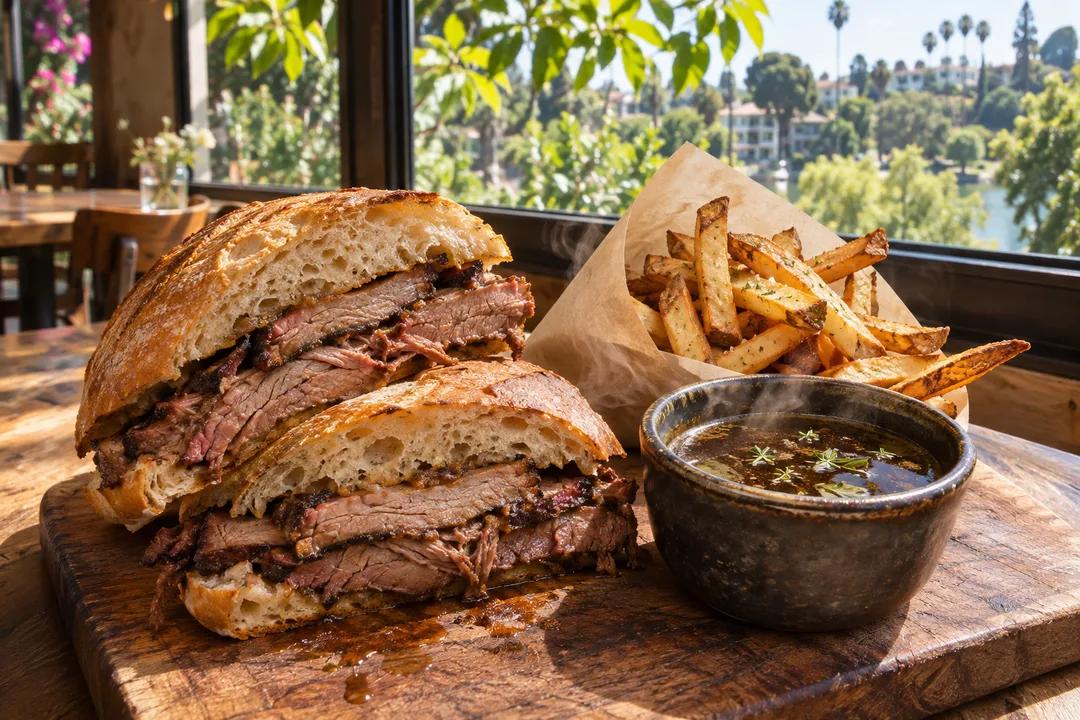 Echo Park French Dip Sandwich Lunch Picker Around Noon
 Silver Lake French Dip Sandwich Lunch Picker on Hillsides