 Santa Monica French Dip Sandwich Lunch Picker by Ocean
Restaurants
Boyle Heights Pupusa Spot Picker: A Masa Family Tree
In Boyle Heights, masa is everywhere. Taste pupusas next to their Mexican cousins, sopes, gorditas and tlacoyos, and learn what makes each one different.
A Boyle Heights pupusa spot picker starts with a simple truth: on the Eastside, masa is the main language. This neighborhood is known for Mexican-American food, from family taquerias to street carts, and almost everything on those menus begins with the same corn dough. The Salvadoran pupusa belongs to that family too, yet it is a different branch, with its own shape, filling and table manners. This plan turns an afternoon into a friendly tasting lesson. You will eat pupusas beside their Mexican cousins, learn how each one is built, and walk the streets that make Boyle Heights such a rich place to eat.
Why Compare Instead of Choose
Many first-time eaters assume a pupusa is just a Salvadoran gordita. It is an easy mistake. Both are thick rounds of corn dough cooked on a hot griddle, and both are hearty comfort food. But the way they are made changes everything about how they taste and how you eat them.
Comparing them side by side is the fastest way to understand both. Instead of debating which one is better, treat the afternoon like a family reunion. Each masa dish has its own personality, and tasting them together helps you notice texture, thickness, filling and toppings in a way a single plate never would.
Meet the Pupusa
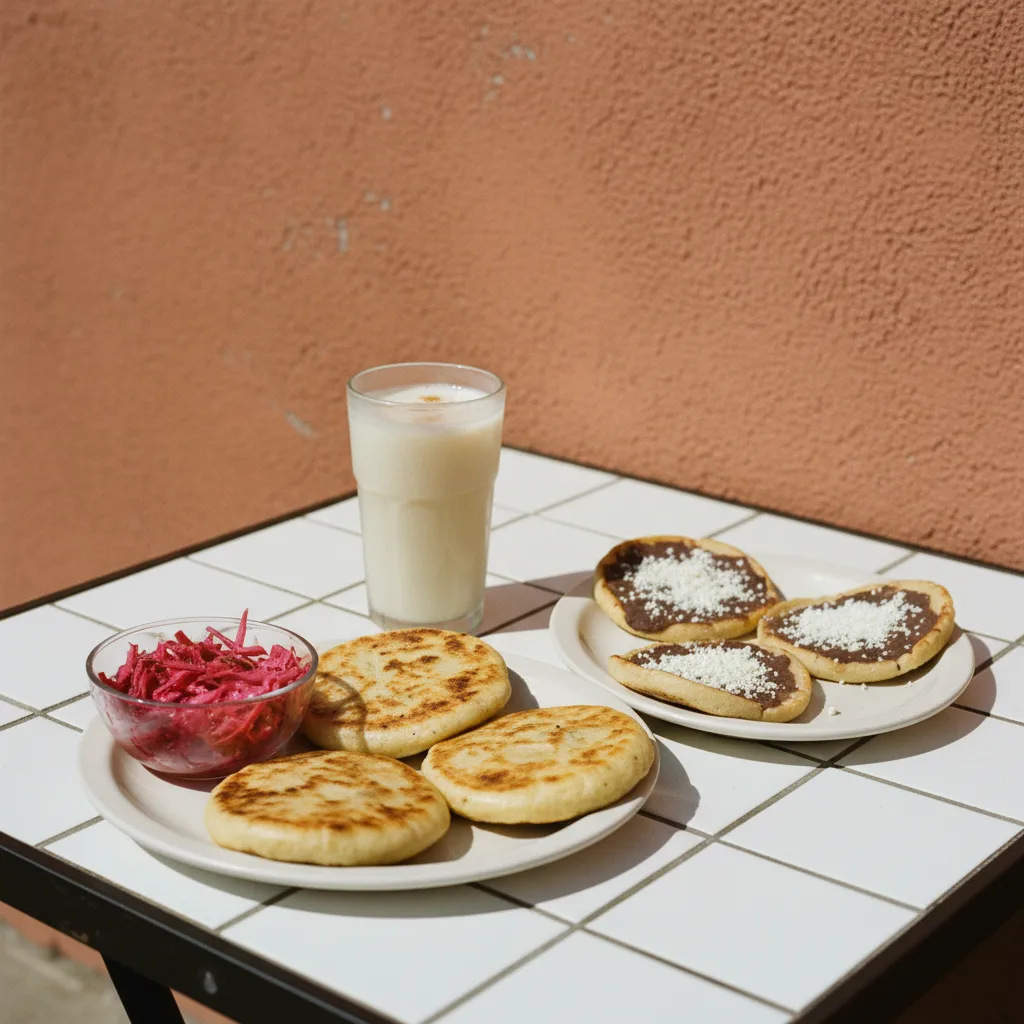
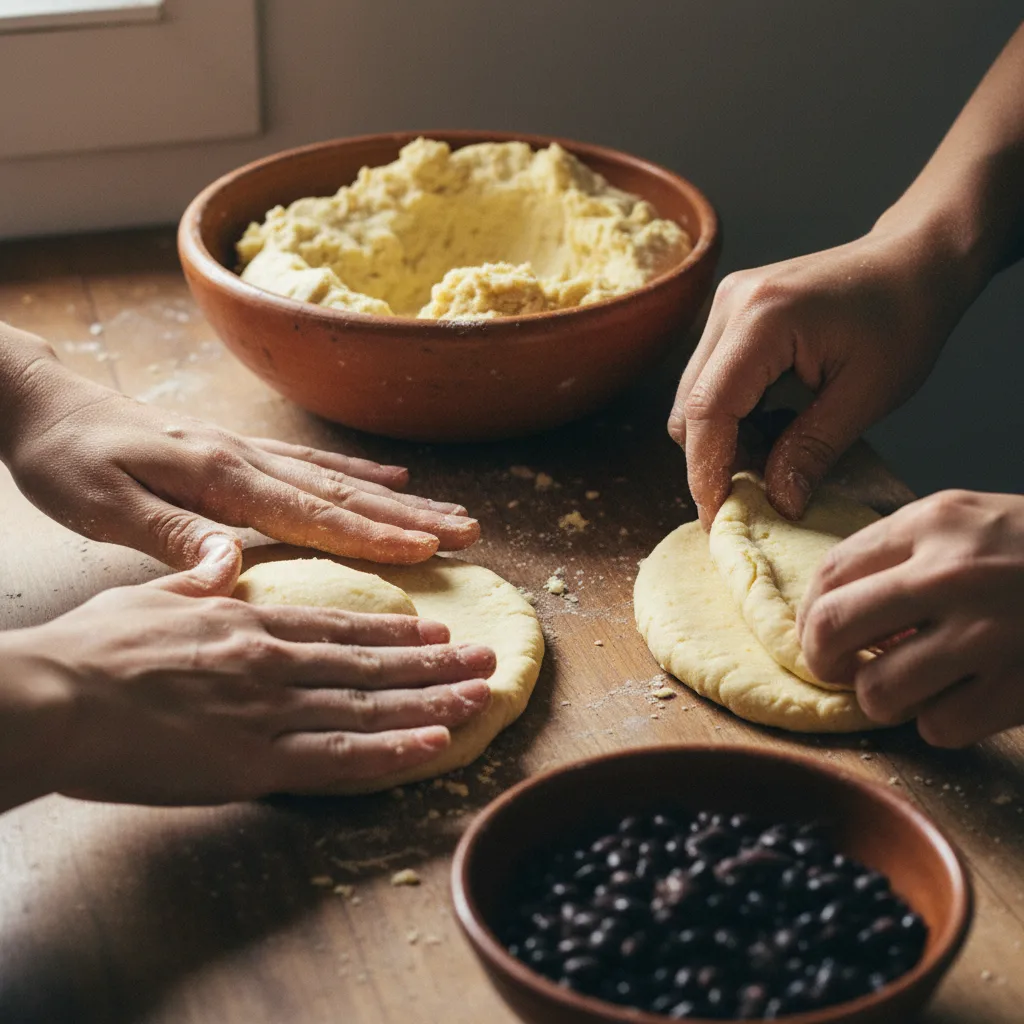
A pupusa is sealed. The cook flattens a ball of masa in the palm, presses a hollow into it, adds the filling, then closes the dough around it and pats it flat again. The result is a disc with the filling cooked inside, so cheese melts into the dough and the edges crisp on the comal.
Classic fillings include revuelta, a mix of cheese, beans and ground chicharrón pork; queso con loroco, cheese with the green buds of a Central American vine; and simple frijol con queso. Pupusas always arrive with curtido, a lightly fermented cabbage slaw, and a thin tomato salsa. You eat them by hand, tearing off pieces and piling slaw on top.
Meet the Mexican Cousins
A gordita is often split open after cooking, like a pocket, and then stuffed with stews, beans or meat. The filling goes in at the end, so it stays saucy and distinct from the dough. A sope is a small thick base with pinched edges that hold toppings like beans, crema, cheese and salsa on top rather than inside.
A tlacoyo is an oval of masa, often blue corn, stuffed with beans or fava paste before cooking, then topped with nopales, cheese and salsa. It is the closest Mexican relative to the pupusa because the filling is sealed in, yet the toppings and oval shape make it feel completely different in the hand.
Seeing them together makes the logic clear. Pupusas hide their flavor inside and add freshness on top with curtido. Sopes and gorditas show off their toppings. Tlacoyos sit in between. Once you know that, menus all over the Eastside start to read like a map.
How to Build the Tasting
Plan for two stops. Begin at a Mexican kitchen or street stand for one sope or gordita and one tlacoyo if you can find it, ideally shared among a small group. Keep portions light so you have room. Then move to a Salvadoran pupuseria on the Eastside or a short drive west for a round of pupusas.
At the pupuseria, order one revuelta and one queso con loroco for every two people. Ask whether they make rice-flour pupusas as well as corn. If they do, add one, because the softer, chewier rice version is another branch of the same tree and a fun surprise for anyone who thought they knew masa.
Bring a small notebook or use your phone to jot quick notes after each bite: thickness, crispness, how the filling and dough mingle, which topping you liked most. It sounds nerdy, but it turns a casual lunch into a memory that sticks.
Reading a Busy Kitchen
Good masa kitchens share the same signs. Listen for the soft slap of hands patting dough. Look for a comal that never seems to be empty and cooks who shape each round to order. A line of families and workers is usually a better guide than any sign in the window.
Watch how each cook handles the dough. Pupusa makers move in a quick rhythm, flipping the disc from hand to hand until it is even. Sope makers pinch the edges right after the first cook. Those small gestures are a living lesson in how one ingredient becomes many dishes.
Drinks That Bridge Both Tables
Horchata is a natural bridge. The Mexican version is made from rice and cinnamon, while horchata Salvadoreña uses toasted morro seeds and spices, giving it a nuttier, earthier taste. Try both if you can and compare them the same way you compared the masa.
Agua de jamaica, the tart hibiscus drink, cuts through rich cheese and pork. Tamarindo and fresh fruit aguas are also great with both kinds of masa. For something warm on a cool day, ask for atol or champurrado, thick corn drinks that complete the corn theme from start to finish.
A Walk Around Mariachi Plaza
Between stops, walk to Mariachi Plaza, where musicians in traditional suits have long gathered to wait for gigs at weddings, birthdays and parties. Even on a quiet afternoon, you may hear a guitar being tuned or see a group practicing. The kiosk in the middle of the plaza is a handsome spot to sit and digest.
Wander along First Street and nearby blocks to see murals, small shops and panaderías. The street art here tells stories of family, faith, work and migration, which fits the masa theme perfectly. Many of the same families who built these murals also built the food culture you are tasting.
Who This Afternoon Suits
This plan is ideal for curious eaters who love Mexican food and want to understand its neighbors, for friends visiting Los Angeles who want more than a single taco stop, and for families teaching kids about where food comes from. It also works well for cooks who want to try making masa dishes at home later.
Go with three or four people if you can. Sharing lets everyone taste more without getting too full, and the conversation about which bite was best is half the fun.
Taking the Lesson Home
Before you leave, ask for a few pupusas to go with curtido and salsa on the side. Reheat them on a dry skillet the next day. Pick up pan dulce for the morning, and maybe a bag of masa harina from a local market if you feel inspired to try patting your own.
Making a lumpy, imperfect pupusa at home is the best way to appreciate how skilled the cooks really are, and it gives you a reason to come back to the Eastside for another lesson.
Plan the Masa Day With Karpo APP
Open Karpo APP and ask for Eastside masa kitchens that fit a two-stop tasting, from a casual Mexican stand to a relaxed Salvadoran pupuseria. Karpo can help you shape the order of stops and the walk in between, and you can save the spots you love for your next family reunion of masa.
Ask Karpo for more information.
Keep reading
- Santa Monica French Dip Sandwich Lunch Picker by Ocean
 Echo Park French Dip Sandwich Lunch Picker Around Noon
 Silver Lake French Dip Sandwich Lunch Picker on Hillsides