 Haaland Has Seven Goals and Norway Runs Entirely Through Him
⚽️2026 FIFA WORLD CUP
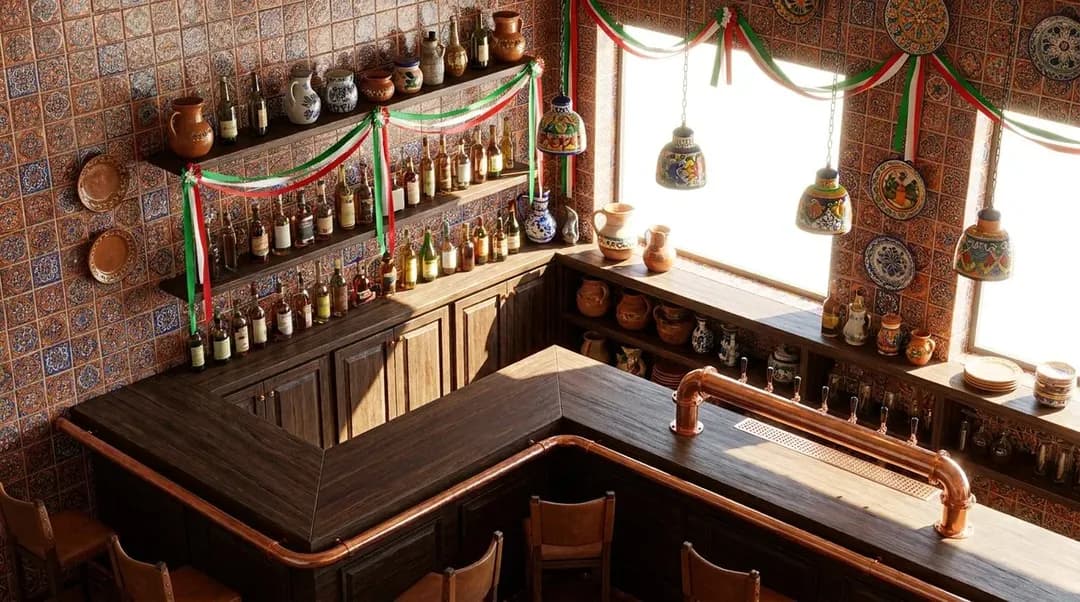
East LA to the Westside: Counter Seats at Mexico Fan Bars as LA Hosts 2026 World Cup at SoFi Stadium
Pull up a stool at the city's Mexico-supporter bars, from Boyle Heights to Santa Monica, for El Tri's group-stage run this summer.
LA as Host City: SoFi Stadium and the Mexico World Cup Pulse
Los Angeles steps into the 2026 FIFA World Cup spotlight with SoFi Stadium in Inglewood anchoring the city's hosting duties. The tournament runs from June 11 through July 19, and LA's allocation includes high-stakes knockout rounds, but the real electricity hums in the group stage when Mexico takes the pitch. For a city where green, white, and red flags hang year-round from Boyle Heights porches and Pico-Union storefronts, this summer is a homecoming.
SoFi's gleaming bowl will draw 70,000 per match, yet the heartbeat of Mexico World Cup fandom lives in the neighborhood bars where counter seats fill hours before kickoff. These aren't sports-bar chains with wall-to-wall screens; they're family-run spots where the kitchen stays open late, where regulars claim the same stool for every El Tri qualifier, and where a birria consommé arrives unasked during halftime. Pull up a chair, and you're part of the ritual.
Boyle Heights and East LA: The Counter-Seat Epicenter
Boyle Heights has long been the emotional core of LA's Mexico-supporter network. Along Cesar Chavez Avenue and First Street, bars with names that nod to Jalisco towns or Sinaloa beaches pack their counters for every match. The counter seat here is currency: elbow room at the bar means you're close to the kitchen pass, first in line when someone's tía sends out a tray of complimentary tostadas, and within earshot of the owner's play-by-play commentary, which often rivals the broadcast booth.
East LA proper—spanning blocks around Whittier Boulevard and Atlantic—doubles down on this culture. Regulars arrive two hours early for group-stage games, claiming their spot at the wraparound counter that faces both the flat-screen and the open kitchen. The ritual is consistent: a michelada to start, carne asada fries or a plate of carnitas by the twentieth minute, and a second round when the tension peaks. These counters become communal living rooms, and the 2026 World Cup will test their capacity like never before.
Inglewood's Proximity Play: SoFi's Shadow
Inglewood sits in SoFi Stadium's literal shadow, and its bars along Market Street and Manchester Boulevard have recalibrated for the influx. Some spots have added counter seating in the past year, extending the bar to wrap around corner walls and installing speed rails for faster service. The clientele here is a mix: longtime Inglewood families with Mexico roots and newer arrivals who moved closer to work in the stadium district. The result is a hybrid energy—part neighborhood hangout, part pre-match rally point.
Counter seats in Inglewood bars come with a tactical advantage. You're ten minutes from the stadium by foot, so the plan is simple: claim your stool for the early match, watch El Tri's group game with a plate of chilaquiles, then walk over to SoFi for the evening fixture. The kitchen staff knows the drill and times food orders to match the broadcast schedule. Expect to see to-go bags of tacos al pastor handed across the counter at halftime, fuel for the short pilgrimage to the main event.
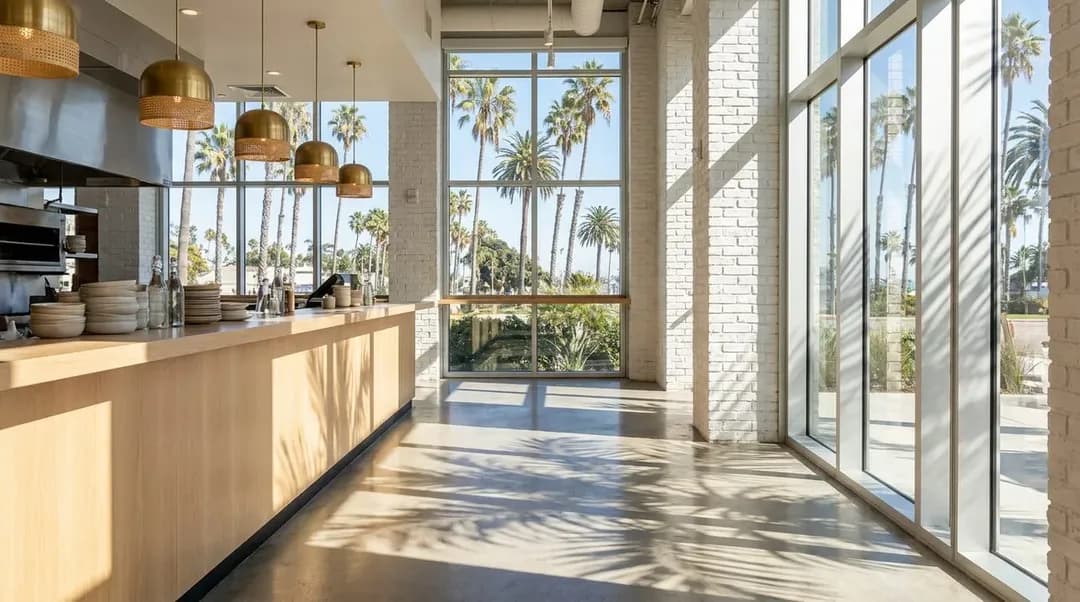
Westside Outposts: Santa Monica and Venice Counters
The Westside isn't the first place you'd scout for Mexico World Cup bars, but Santa Monica and Venice have quietly cultivated their own counter-seat traditions. Along Pico Boulevard as it cuts toward the beach, and on Lincoln Boulevard through Venice, a handful of spots draw Mexico supporters who work in the tech offices and production studios nearby. These bars are smaller, often with just eight or ten counter seats, and the vibe skews intimate—regulars know each other by first name, and the bartender remembers your usual order by the second visit.
The Westside counter experience leans into the kitchen ritual. Owners here often double as chefs, and the menu shifts based on what's fresh at the Santa Monica farmers' market that morning. A ceviche tostada might arrive as an amuse-bouche before kickoff, or a mole verde over chicken thighs during the second half. The World Cup will stretch these small operations, but the counter format keeps service nimble. Expect a waitlist for seats, but once you're in, you're in for the full ninety minutes—plus stoppage time and a post-match mezcal.
Kitchen Rituals and Counter Culture
The counter seat at a Mexico fan bar is more than a perch; it's a portal into the kitchen's rhythm. You watch the cook's hands work the plancha, smell the onions and cilantro hitting hot oil, and hear the sizzle that times itself to the referee's whistle. In many of these bars, the kitchen isn't hidden behind swinging doors—it's open, visible, part of the theater. When Mexico scores, the cook might raise a spatula in triumph before plating the next order. When the team concedes, the collective groan includes the dishwasher.
This transparency builds trust and appetite. Counter diners see their torta being assembled in real time, watch the consommé ladled from a pot that's been simmering since dawn, and know exactly when the next batch of chicharrón will emerge from the fryer. The 2026 World Cup will amplify these rituals. Expect kitchens to debut special tournament menus—perhaps a "Gol de Oro" taco trio or a "Tri-Fecta" platter—and for the counter to become the stage where these dishes debut, judged by the toughest critics: regulars who've been coming here for decades.
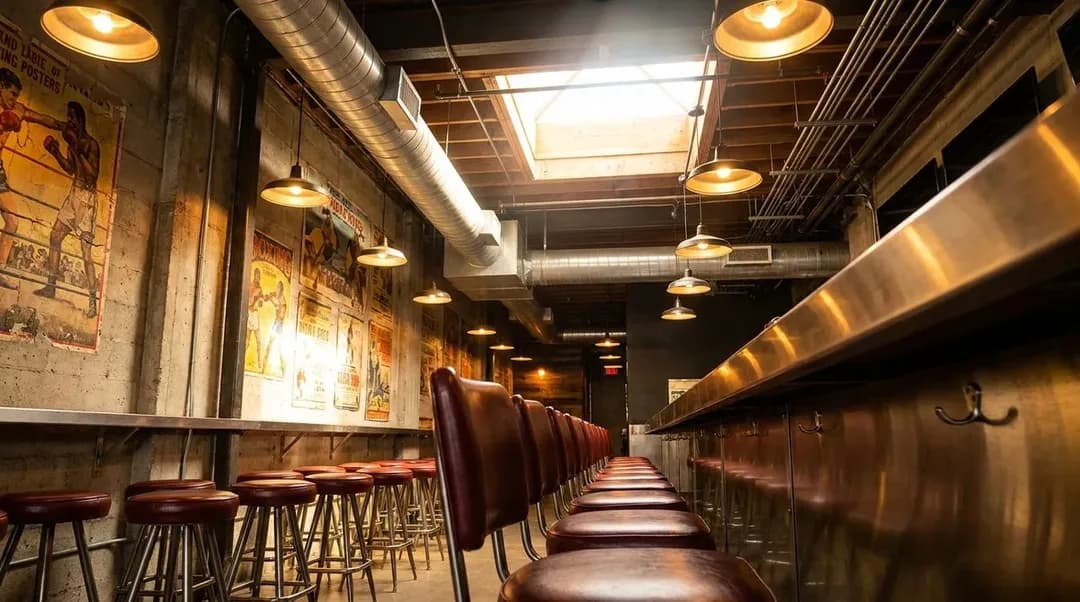
Practical Notes: Securing Your Counter Seat
Counter seats at Mexico fan bars during the 2026 World Cup will be scarce, and the usual first-come, first-served rule will be tested. Some bars are already floating the idea of informal reservations for regulars, while others plan to open earlier on match days to accommodate the crowd. The smart play is to scout your spot now, introduce yourself to the owner, and become a familiar face before the tournament kicks off. A few visits in May will pay dividends when group-stage matches begin in mid-June.
- Arrive at least 90 minutes before kickoff for group-stage matches; two hours for knockout rounds.
- Cash is king—many counters operate on thin margins and prefer bills over cards.
- Respect the regulars: if someone's been sitting in that same stool for twenty years, find another spot.
- Order food early; kitchens will be slammed, and counter diners get priority but not immunity from wait times.
- Stay for the full match—getting up mid-game to free a seat is considered poor form.
- Tip generously; the staff will remember you for the next match, and the one after that.
Right on Time: May 2026 and the Countdown
It's May 19, 2026, and the World Cup is twenty-three days away. Bars across East LA, Inglewood, and the Westside are already in tournament mode: staff hired, menus printed, extra kegs ordered. Counter seats that usually go unclaimed on a Tuesday afternoon are now spoken for, with regulars calling ahead to confirm their spot for Mexico's opener. The Rose Bowl in Pasadena will host matches too, adding another layer to LA's World Cup footprint, but the real action—the emotional core—will unfold at these counters, where every goal is a communal eruption and every near-miss a collective held breath.
This is the moment LA's Mexico-supporter bars have been building toward, not just for four years since the last World Cup, but for generations. The counter seat is the inheritance, passed down from abuelos who watched '86 in Mexico City to parents who celebrated '94 at the Rose Bowl to kids who'll witness 2026 from a stool in Boyle Heights, Inglewood, or Venice. Pull up a chair. The kitchen is ready, the screen is on, and El Tri is about to take the field in a city that's been their second home all along.
All trademarks are the property of their respective owners.
Ask Karpo for more information.
Keep reading
- Haaland Has Seven Goals and Norway Runs Entirely Through Him
 World Cup Trophy Ceremony Timing Medals and Postmatch Celebrations
 Olise and France's Attack: The Semifinal Tactical Question