The Counter-Only Philosophy
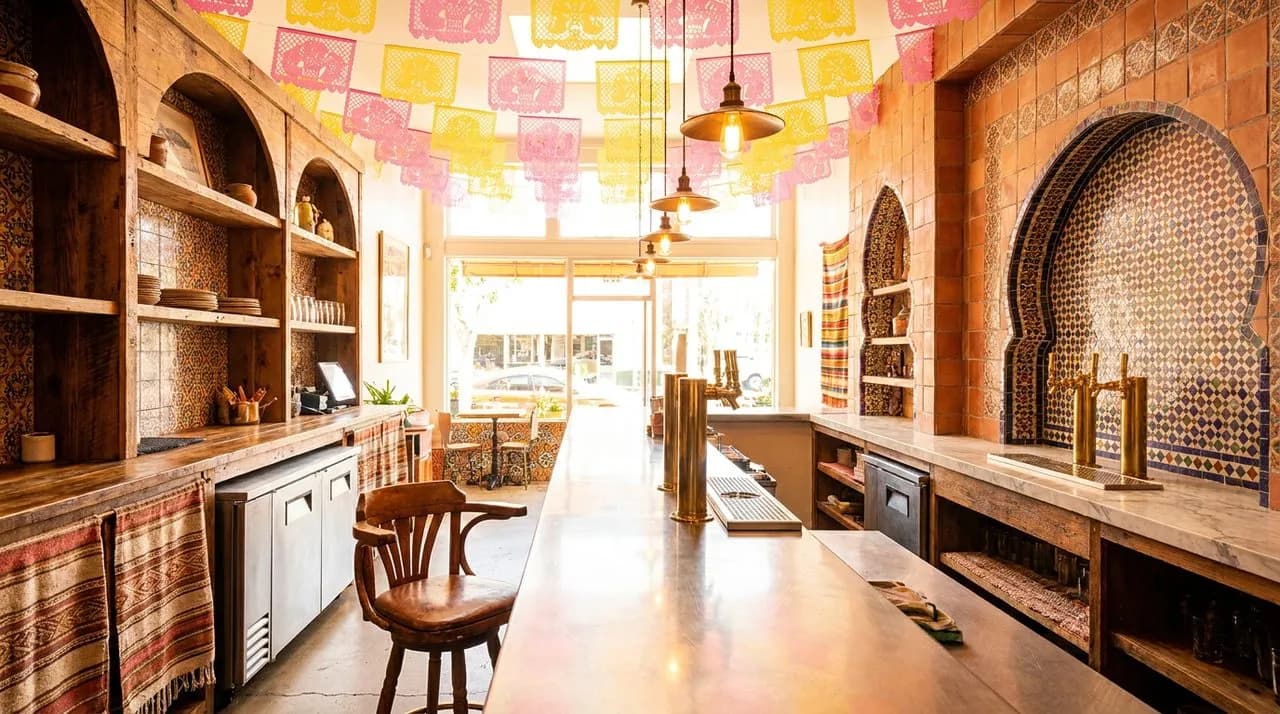
The best taquerias in Boyle Heights and East LA don't have tables. They have counters—worn Formica or stainless steel, lined with stools that swivel just enough to let you watch the plancha while you eat. This isn't a design choice born from trend forecasting or small-footprint economics. It's how neighborhoods have always eaten: elbow to elbow, close enough to the kitchen that the steam from the consommé fogs your glasses.
These spots operate on a different clock than the rest of the city. The 11pm taco economy is real here—shifts ending at the garment factories on Stanford Avenue, the night crews from the produce markets on Central, the musicians packing up from quinceañeras in Montebello. Counter seating means turnover, yes, but it also means community. You're not insulated in a booth. You're part of the rhythm.
Jalisco's Birria Tradition on Cesar Chavez
The birria spots clustered along Cesar Chavez Avenue between Soto and Indiana aren't serving Instagram bait. They're cooking the way Jalisco families have for generations—goat or beef braised overnight in a chile broth so deeply spiced it tastes like earth and smoke had a conversation. At the counters, you'll see whole families dipping tortillas into bowls of consommé, building tacos with cilantro and onion, squeezing lime until the juice runs down their wrists.
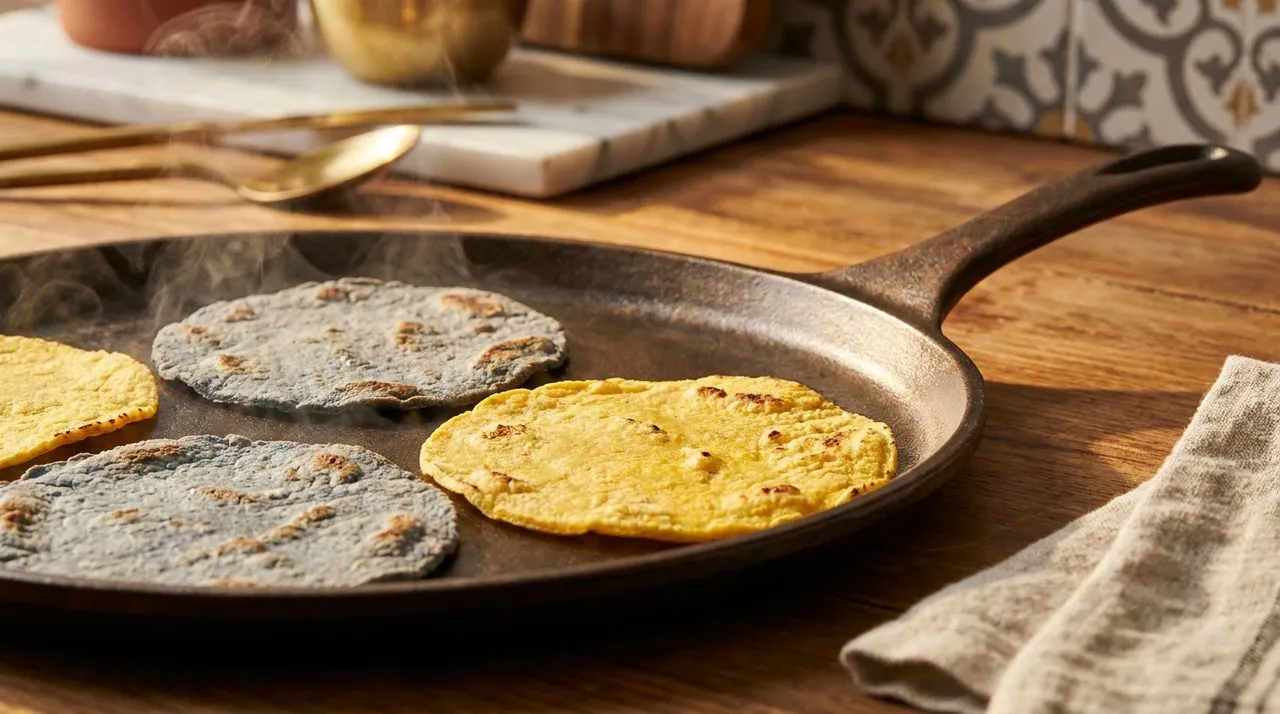
The chefs here—and they are chefs, even if they'd never use the word—learned their craft in Guadalajara or Cocula before bringing it to LA in the 1980s and 90s. Their children run the counters now, maintaining the same overnight braises, the same blend of guajillo, ancho, and árbol chiles. The tortillas come from the woman on the corner who's been pressing masa since dawn. This is Mexican food LA built block by block, not concept by concept.
Oaxacan Counters on First Street
First Street through Boyle Heights holds the city's densest concentration of Oaxacan taquerias, and the counter culture here is even more pronounced. These are not taco-only operations. You'll find tlayudas the size of vinyl records, stretched thin and crisped on the comal, layered with asiento, beans, and whatever protein survived the afternoon rush. You'll find memelas, sopes, and empanadas filled with squash blossoms or huitlacoche depending on the season.
The mole at these counters deserves its own paragraph. Oaxaca has seven major moles, and the families running these spots rotate through them based on what their abuela shipped from Tlacolula or what they could source from the Mercado Olympic. The counter setup means you can watch the mole being spooned over chicken, see the sesame seeds scattered on top, smell the chocolate and chile mingling in real time. It's dinner and theater, and the ticket costs eight dollars.
Sonoran Carne Asada After Midnight
The Sonoran influence in East LA runs deep, especially along Whittier Boulevard and out toward the Commerce border. These counters specialize in carne asada—not the thin, citrus-marinated cuts you find elsewhere, but thick slabs of beef grilled over mesquite, charred on the outside, still pink in the center. The tortillas here are flour, not corn, and they're the size of dinner plates, blistered and buttery.
What makes these spots worth the drive is the late-night commitment. The mesquite grills don't fire up until 9pm, and they don't shut down until 2am or later. The counter seats fill with a cross-section of East LA: mechanics still in their work shirts, nurses between shifts, college kids from Cal State LA who know this is the real deal. The salsa bar runs six deep—different heat levels, different textures, all made that afternoon. You build your taco, you eat it standing if the stools are full, you order another.
The Chefs Who Don't Call Themselves Chefs
The term "chef-driven" feels imported when you're sitting at these counters, but it's accurate. These are cooks with decades of training, who understand the chemistry of nixtamalization, who can tell when the carnitas have rendered enough fat by sound alone. They're not plating with tweezers or citing Escoffier, but they're executing regional Mexican techniques that have more complexity than most tasting menus.
Many learned in restaurant kitchens—not as line cooks, but as the garde manger or saucier at high-end spots in Century City or Beverly Hills. They saved enough to open a counter in their own neighborhood, bringing technique back to the food they grew up eating. The result is taquerias where the salsa verde has been charred and blended to exact specifications, where the al pastor is carved with the precision of a Tokyo yakitori chef, where every element on the plate has been considered.
Practical Notes for the Counter Experience
Eating at these Boyle Heights and East LA counters requires a small adjustment if you're coming from other parts of the city. There's no host stand, no reservation system, no waitlist app. You walk in, you claim a stool if one's open, you order at the counter. Payment is often cash-only, though more spots now take Zelle or Venmo. The menu might be on the wall in handwriting, or it might be entirely verbal.
Here's what to know before you go:
- Bring cash—ATMs are scarce and surcharges are high in these neighborhoods
- Peak hours run 8pm to midnight on weekends; arrive before 7pm or after 1am to guarantee a seat
- Parking is street-only; read the signs carefully for street cleaning schedules
- Most counters have six to twelve seats maximum; parties larger than three should split up
- Spanish helps but isn't required; pointing and gesturing works fine
- The salsa bar is self-serve; start mild and work your way up
- Tipping is expected—15-20% is standard, even though you're ordering at the counter
Why the Drive Matters
Los Angeles has no shortage of tacos. You can find adequate al pastor in Silver Lake, decent fish tacos in Santa Monica, even respectable birria in the Valley. But the counter-only taquerias of Boyle Heights and East LA offer something that doesn't translate west of the 110 or north of the 10. They offer context—the neighborhood infrastructure that supports this kind of eating, the customer base that demands this level of quality, the generational knowledge that keeps these techniques alive.
These spots aren't trying to be the next big thing. They're not angling for James Beard nominations or Michelin Bib Gourmands, though several would qualify. They're feeding their neighbors the food those neighbors grew up eating, or wish they had. The fact that the rest of LA is finally paying attention—driving twenty minutes east, waiting for counter stools, learning to eat birria the right way—is almost beside the point. The tacos were always this good. The counters were always worth it. It just took the city a while to catch up.
Sources consulted: LA Metro – Public Transportation Information · Boyle Heights Beat – Neighborhood News · LA Weekly – Food & Culture Coverage · Discover Los Angeles – Official Visitor Guide · LA Streets – Parking Regulations
All trademarks are the property of their respective owners.