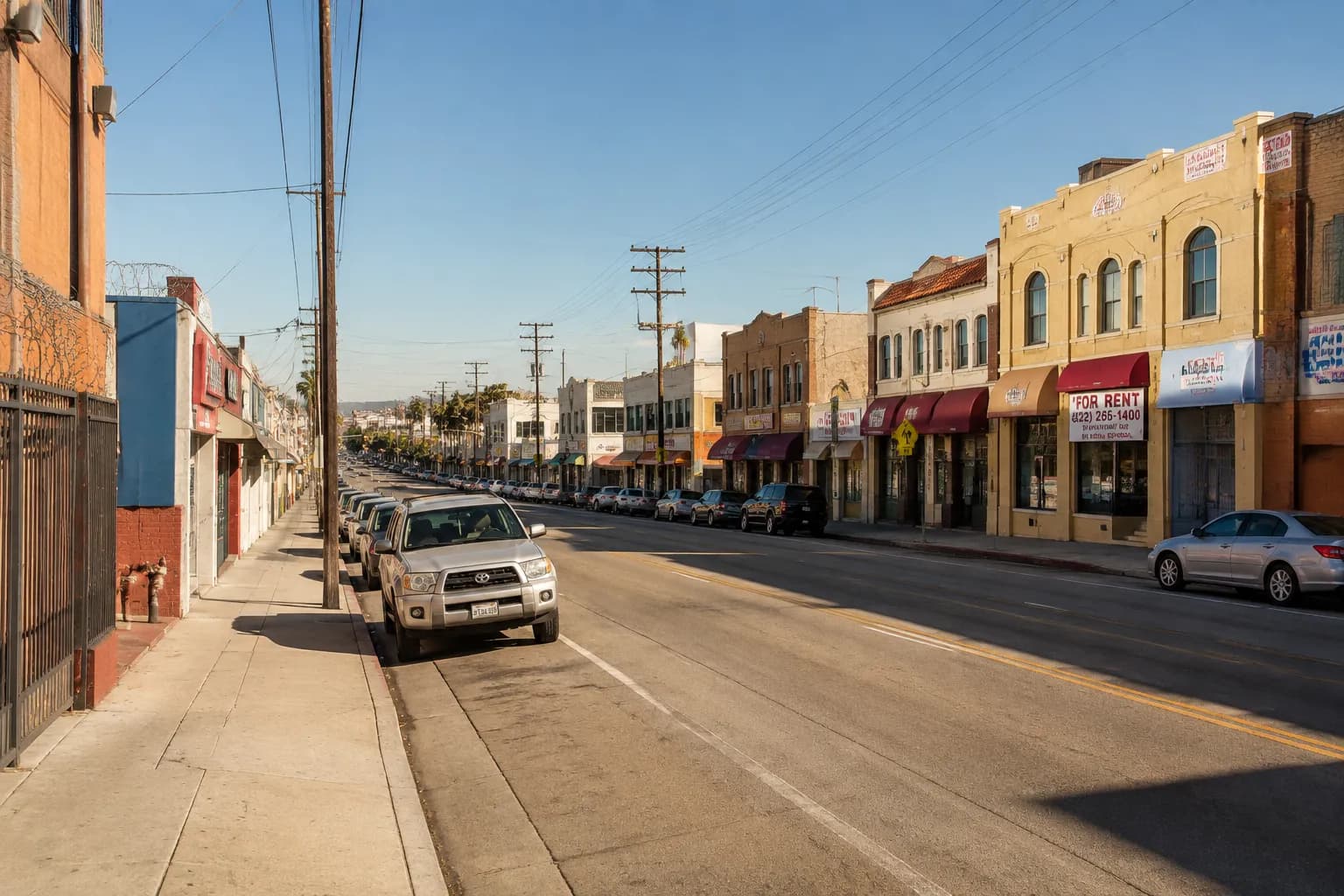
A new health disclosure tied to former NFL player roger craig is sending some Los Angeles families from sports headlines into harder questions about memory, stroke risk, and where to get reliable help. The safest first move is not a diagnosis by search bar. It is a paced public-learning plan: start at Los Angeles Public Library’s Central Library downtown, use official dementia explainers, write down questions, and separate public information from medical advice. On an overcast day, this is an easy daytime outing for a concerned family member who wants context before calling a clinic, support group, or county resource line.
Want a downtown route, quiet reading stop, and source checklist for this exact LA health question? Text Karpo before you go so you can compare library, county, and clinic options in one tap.

Central Library at 630 W. 5th Street for a First Reading Session
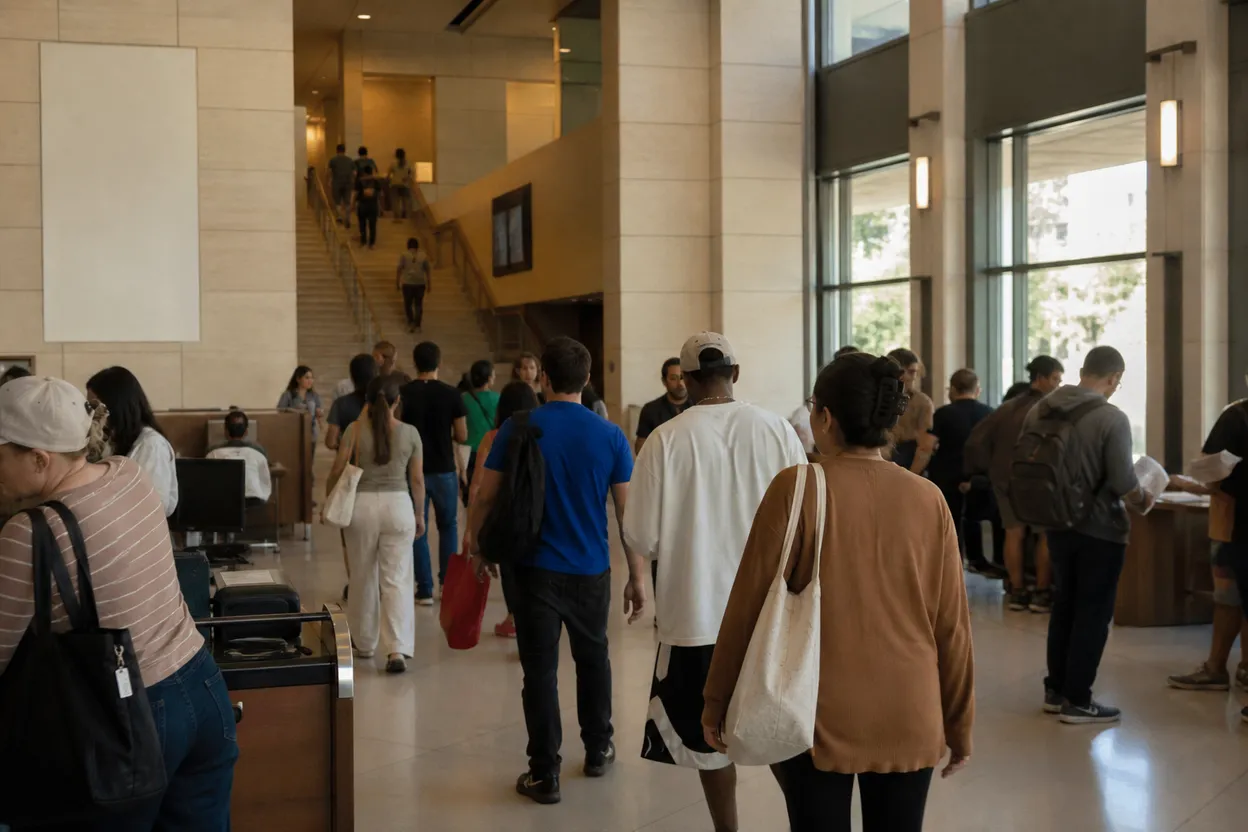
Central Library is the strongest first stop because it combines reliable reference help with a calm place to read. LAPL lists the building at 630 W. 5th Street, Los Angeles, CA 90071, with Monday hours posted as 10:00 a.m. to 8:00 p.m. Because hours can shift for holidays, staffing, or events, check the branch page again before leaving and call 213-228-7000 if your family is timing the visit around work or caregiving.
Use the visit to gather terms, not conclusions. Ask for public health books, government dementia pages, and newspaper access if you want to understand why a sports figure’s disclosure can raise broader brain-health questions. The tradeoff is that a library visit is slower than searching on your phone, but it reduces panic reading. If the building feels busy, move to a subject department desk or use InfoNow after the visit.
Healthy Brain LA Pages for County-Level Dementia Resources
Los Angeles County Public Health’s Healthy Brain LA pages are useful because they frame Alzheimer’s disease and related dementias as public health and caregiver issues, not just private family crises. The county resource pages point readers toward local support, printable materials, care planning tools, and helplines. For vascular dementia, pair those local pages with federal medical explainers so the LA resource list does not become your only source of health facts.
The practical failure mode is assuming every dementia resource fits every diagnosis. Some services are broad, some focus on Alzheimer’s disease, and some are for caregivers rather than the person experiencing symptoms. When a page says “related dementias,” write down whether it names vascular dementia, stroke, early memory loss, or care planning. If the fit is unclear, call the listed organization and ask what they handle before sharing personal details.

National Institute on Aging Vascular Dementia Explainer at the Table
For the medical basics, the National Institute on Aging explains vascular dementia as changes in memory, thinking, and behavior caused by conditions affecting blood vessels in the brain. It notes that symptoms can appear gradually or suddenly and may progress over time. Read this page with one family member taking notes, because the details can blur when someone is worried, tired, or comparing symptoms to a public figure’s story.
The most useful NIA takeaway for an LA family is the risk-factor lens: blood pressure, diabetes, high cholesterol, stroke history, heart rhythm problems, and other vascular issues belong in a doctor conversation. Do not use a celebrity diagnosis as a template. Use it as a prompt to list observed changes, medications, recent falls or strokes, and questions for a primary care clinician, neurologist, or geriatric specialist.
Low-Vision Tools and Quiet Desks Inside Central Library
Accessibility matters when the person researching is older, visually impaired, or already overwhelmed. LAPL lists Central Library low-vision services including closed-circuit television magnifiers, ZoomText and Open Book technology, large type books, and audiobook collections. The broader disability services page says accommodations for programs and services can be requested, and that service animals are welcome in public libraries under ADA Title II rules.
Build the visit around energy, not ambition. Choose one or two sources, take breaks, and avoid turning the day into a marathon of medical reading. If screens are difficult, ask staff about large type, audio, or magnification options. If a family member needs an accommodation for a library activity, request it in advance where possible; LAPL asks for at least five business days when coordination is needed.
Pershing Square or Parking Lot Decision for Downtown Access
Central Library’s own page confirms a parking lot and bike rack, but downtown access is still a decision point. If you drive, verify current parking availability and rates directly with the library or lot operator before relying on a space. If you take Metro, check the latest service status and closest station routing the same morning, because construction, special events, or service changes can affect an otherwise simple trip.
For a concerned family outing, the best transit choice is the one that leaves enough attention for the actual conversation. Driving may be easier for someone with mobility limits or fatigue, while rail can avoid downtown parking stress if everyone is comfortable walking. Make a backup plan before leaving: a nearby branch, a phone call to InfoNow, or postponing the library visit and reading official pages at home.
UCLA Alzheimer’s and Dementia Care Program Referral Path
UCLA Health’s Alzheimer’s and Dementia Care Program is not a walk-in library substitute; it is a clinical care pathway for patients who already have a diagnosis of Alzheimer’s disease or another dementia. The program describes dementia care specialists who work with referring providers, create care plans, and support patients and families within UCLA Health and local community resources. UCLA lists 310-319-3222 for appointment requests.
That distinction matters. If your family is at the “we are worried” stage, start with a primary care clinician or existing medical team rather than trying to self-place into a specialty program. If there is already a diagnosis, ask whether a referral fits. If symptoms are sudden, severe, or stroke-like, do not wait for a resource appointment; seek urgent medical care through the appropriate emergency channel.
Phone Verification Before Sharing the Article With Family
Before forwarding any story about Roger Craig or vascular dementia to relatives, verify three things: the story date, the source, and what it actually says. People reported on August 9, 2026, that Craig disclosed vascular dementia during a pre-taped Hall of Fame induction speech on August 8. Treat that as news context, not proof of what is happening in your own household.
Your final action should be practical and small. Recheck Central Library hours, open the county and NIA pages, and write one question for a clinician: “Could these memory or planning changes be related to vascular risk, medication, sleep, mood, or something urgent?” Then choose one next step, such as a doctor call, a caregiver helpline, or a quieter library visit with fewer tabs open.
Tags: #LosAngeles #CentralLibrary #VascularDementia #DementiaResources #HealthyBrainLA #CaregiverSupport #PublicHealth #BrainHealth #FamilyCare #DowntownLA #SportsHealth #AskKarpo #BeforeYouGo #LocalLife
Sources consulted: Source 1: lapl.org · Source 2: publichealth.lacounty.gov · Source 3: nia.nih.gov · Source 4: lapl.org · Source 5: uclahealth.org · Source 6: people.com
All trademarks are the property of their respective owners.
Ask Karpo first
Tell Karpo your date, group size, budget, and starting point. We’ll check current access, timing, transit, and the cleanest Los Angeles plan for Los Angeles Public Library, Central Library before you head out.