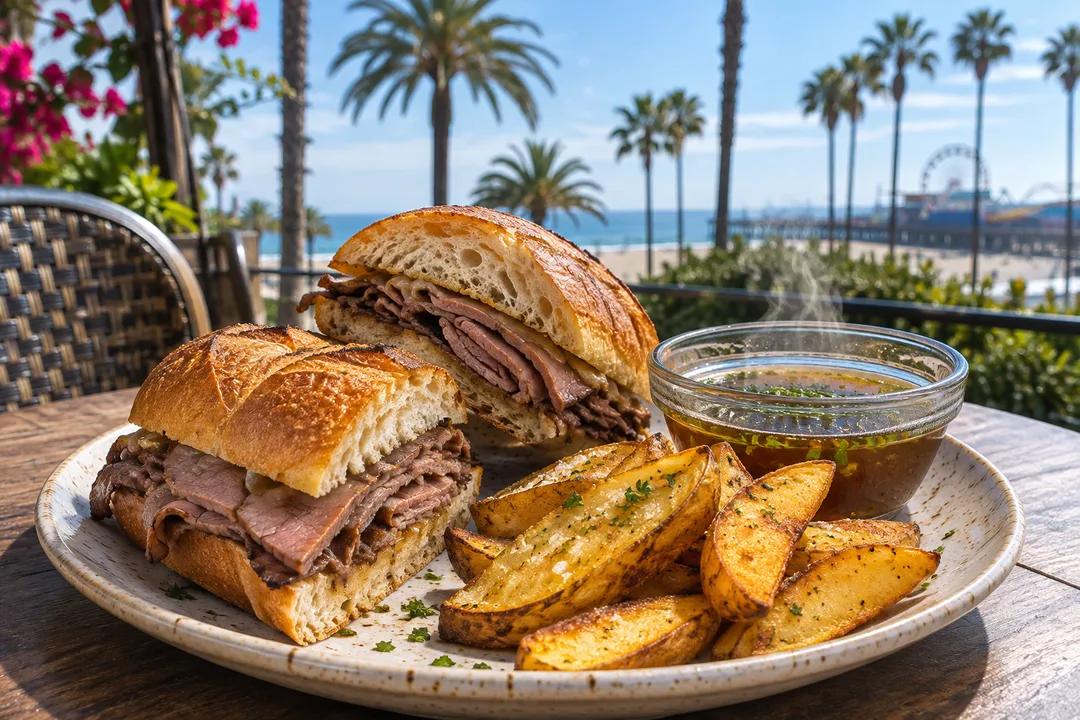
 Santa Monica French Dip Sandwich Lunch Picker by Ocean
Restaurants
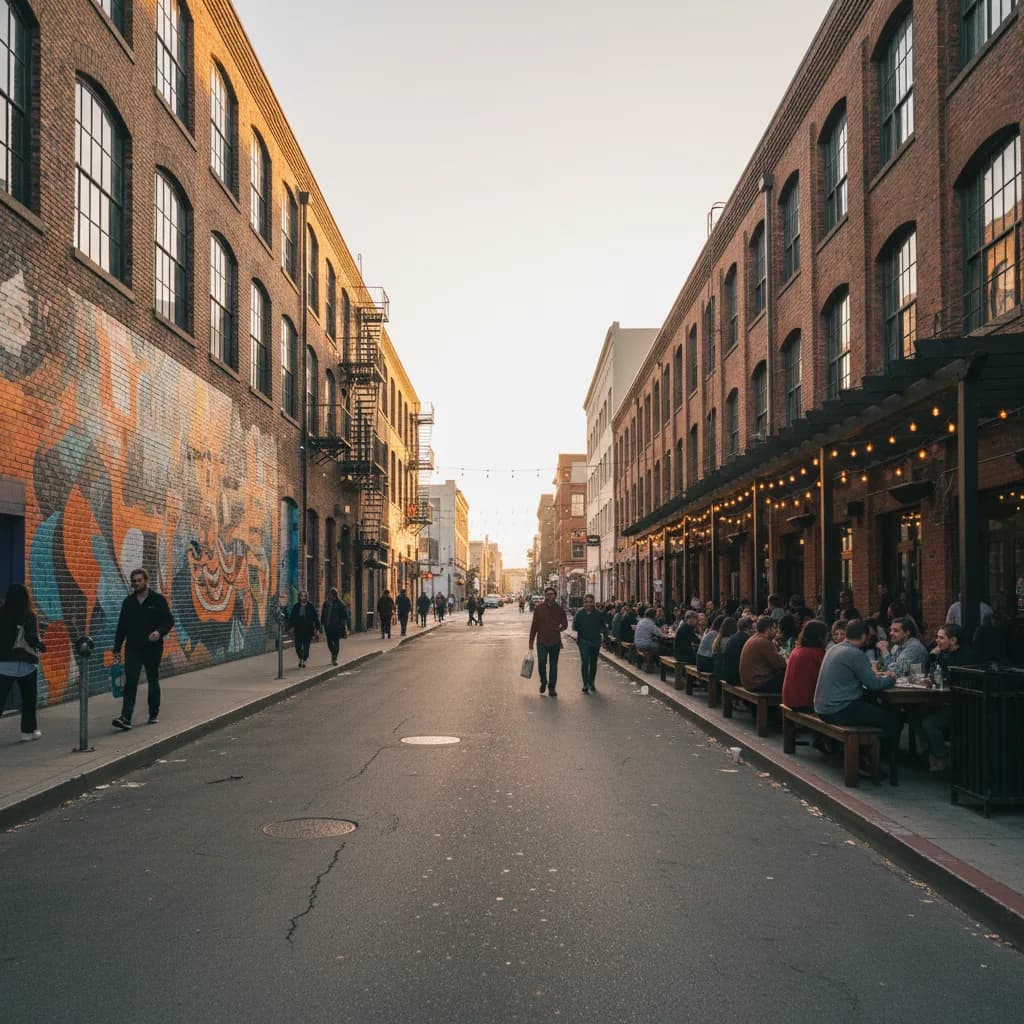
Arts District Pre Theater Dinner Picker: Small Plates First
Eat in the Arts District first, then ride up to Bunker Hill for the curtain. Pick shared plates over tasting menus so the walk east never feels rushed.
The Arts District is where a pre theater dinner picker earns its keep, because the neighborhood rewards lingering and the theater does not. Downtown's eastern edge is a grid of old produce warehouses and rail spurs that now hold wood-fired kitchens, natural wine bars and roasteries, and nearly all of them were designed for long, loose evenings. Your job before a show on Grand Avenue or in Little Tokyo is to borrow that atmosphere for a single tight hour, then leave while the room is still warming up.
Why the Warehouse Blocks Work Before a Show
The appeal is distance without traffic stress. From the Arts District, the Music Center campus on Bunker Hill, home to the Ahmanson, the Mark Taper Forum and the Dorothy Chandler Pavilion, is a short rideshare or a brisk climb, and Walt Disney Concert Hall sits right beside it. Little Tokyo, with its own stage scene, is close enough to walk. That puts you in a rare spot: a dinner neighborhood with real character that still sits within one quick move of the big downtown houses.
The second reason is texture. Dining rooms here occupy loading docks, former freight offices and brick halls with steel trusses overhead. Ceilings are high, so even full rooms rarely feel cramped, and many places have patios where you can see the murals change color as the sun drops behind the towers to the west. It feels like an evening out before the evening out, which is exactly the mood a theater night should start with.
How to Read a Menu When the Clock Matters
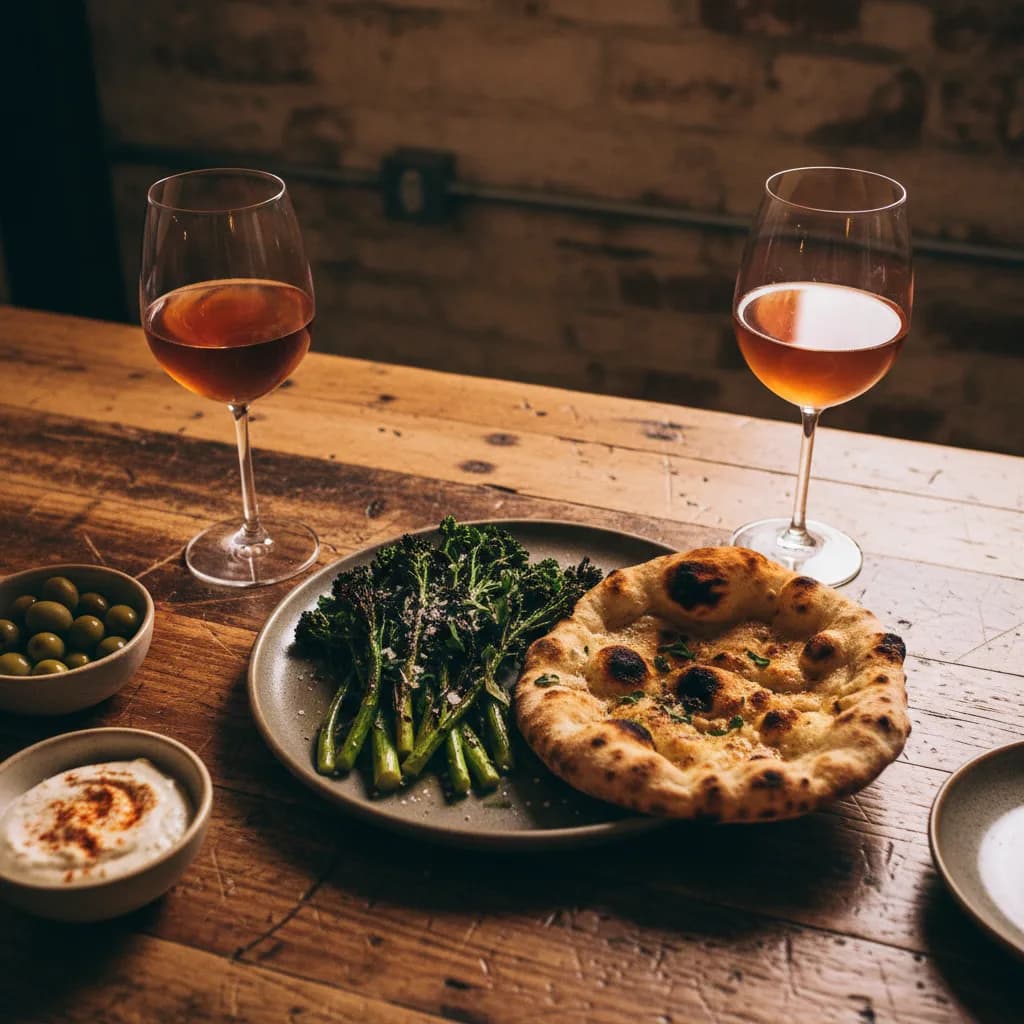
Arts District kitchens love the shared-plate format, and that is good news for anyone on a deadline. A table of two can order three or four small dishes at once, eat as they land, and skip the long gap between courses that a formal menu builds in. Look for anything that comes off a grill or out of a wood oven, because those plates tend to arrive quickly and travel well from pass to table.
Be wary of the opposite. Tasting menus, whole fish meant for the table, and slow braises listed as specials can hold you hostage. Pastas made to order are a gamble when the dining room is full. If a server describes a dish as worth the wait, take that literally and save it for a night when nothing is waiting for you after dessert.
A useful habit is to tell the host about your curtain the moment you sit down. In this neighborhood, staff are used to concertgoers and gallery crowds heading uptown, and most will happily pace the kitchen if they know your deadline. That single sentence does more for your evening than any amount of menu strategy.
Three Table Types and Who They Suit
Communal tables in the bigger warehouse rooms suit couples and pairs of friends who want energy and fast service. You trade privacy for speed, and in a hall full of designers, musicians and people finishing a shift at a nearby studio, the buzz is half the fun.
Bar seats suit solo theatergoers best. Sitting at the counter means one person looks after you the whole time, you can see the kitchen, and the check appears the moment you ask for it. If you are catching a matinee alone and want a proper meal afterward, the same counter works in reverse.
Patio tables suit groups of four or more who arrived early. Golden hour on a string-lit patio facing a mural is the Arts District at its most photogenic, but outdoor service can stretch, so only choose it when you have a generous cushion. Groups with parents or out-of-town guests usually enjoy this option most, since the neighborhood itself becomes part of the show.
Timing the Hop Up the Hill
Plan your exit around movement, not mileage. The drive or rideshare to Grand Avenue is short on paper, but downtown one-way streets, event traffic and drop-off lines outside the Music Center can stretch it on a busy night. Leave yourself a buffer that covers both the ride and the walk across the plaza to your door, and add more if a game at the arena or a big concert is happening the same evening.
If you prefer to stay on foot, choose a restaurant on the western side of the district, closer to Little Tokyo. From there you can stroll past Japanese bakeries and lantern-lit alleys toward the Little Tokyo Metro station or keep climbing toward the Civic Center. The walk is part of the pleasure, and it gently digests a heavier meal before you sit still for two hours.
An Honest Skip and a Backup Plan
Skip dessert at most warehouse spots before a show. The pastry programs are often lovely, but plated desserts tend to be built slowly, and you can find something sweet near the theater or in Little Tokyo afterward. Order an extra savory plate instead and ask for the check with your last round.
If the room you wanted is full and the host quotes a long wait, walk away early rather than hovering by the door. The Arts District is dense enough that another kitchen with a free counter seat is usually a block or two away. Open the Karpo APP, search for dinner spots near you in the Arts District, and you will see nearby options to compare by cuisine, vibe and distance from where you are standing.
Making It a Full Evening
The neighborhood shines again after the curtain falls. Many theatergoers ride back down for a nightcap in a converted warehouse bar or a slice from a counter that keeps the oven hot for a post-show crowd. If you split the evening this way, you can keep dinner light and leave the celebratory drink for later, when nobody is watching the clock and the murals glow under the streetlights.
For a matinee, flip the plan. Head to the Music Center first, then spend the late afternoon wandering the Arts District, browsing the design shops and galleries, and settle onto a patio for an unhurried early dinner as the light turns gold.
Practical Notes for a Smooth Night
Reservations make the biggest difference on Friday and Saturday, when galleries, concerts and theater crowds overlap. Weeknights are calmer, and a walk-in at the bar is often realistic. Dress codes are relaxed in the district, so you can go straight from dinner to an orchestra seat without changing. Parking is mostly in surface lots and on the street, which fills quickly on weekends, so many people leave the car near the theater and take a short ride down for dinner instead.
Above all, treat the Arts District as the warm-up act. Choose a table that matches your timing, order food that moves, tell the host about your curtain, and let the walk or ride up the hill become the moment the night shifts from dinner to drama.
Ask Karpo for more information.
Keep reading
- Santa Monica French Dip Sandwich Lunch Picker by Ocean
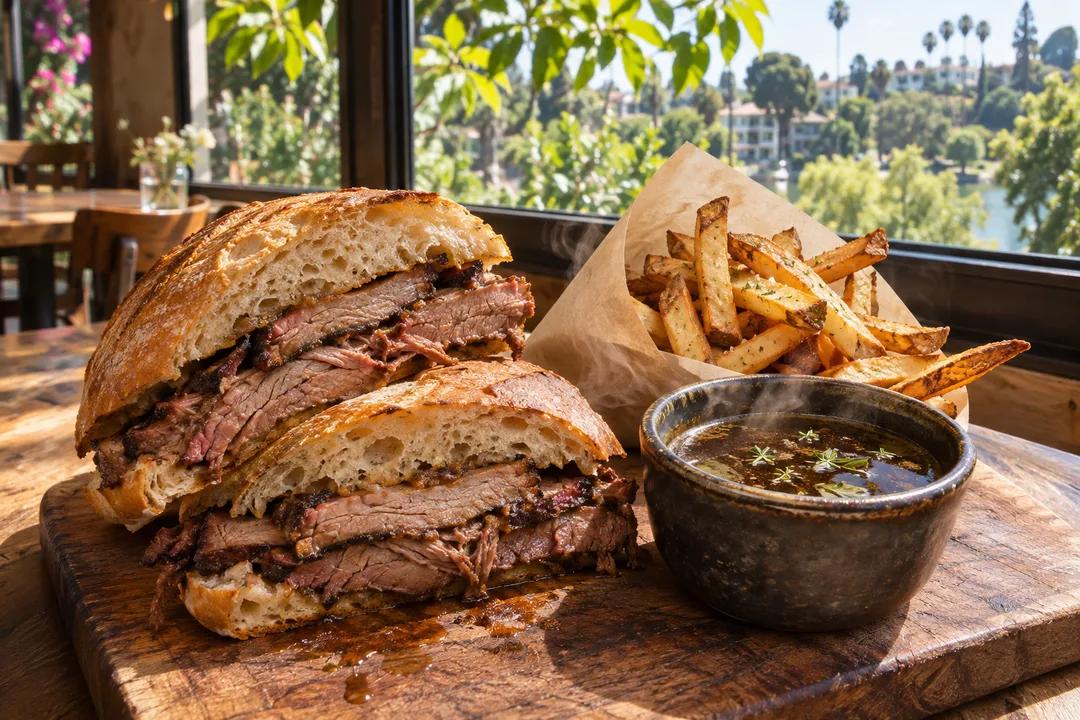 Echo Park French Dip Sandwich Lunch Picker Around Noon
 Silver Lake French Dip Sandwich Lunch Picker on Hillsides