 Santa Monica French Dip Sandwich Lunch Picker by Ocean
Restaurants
Boyle Heights Pozole Dinner Picker: Red Broth or Blanco
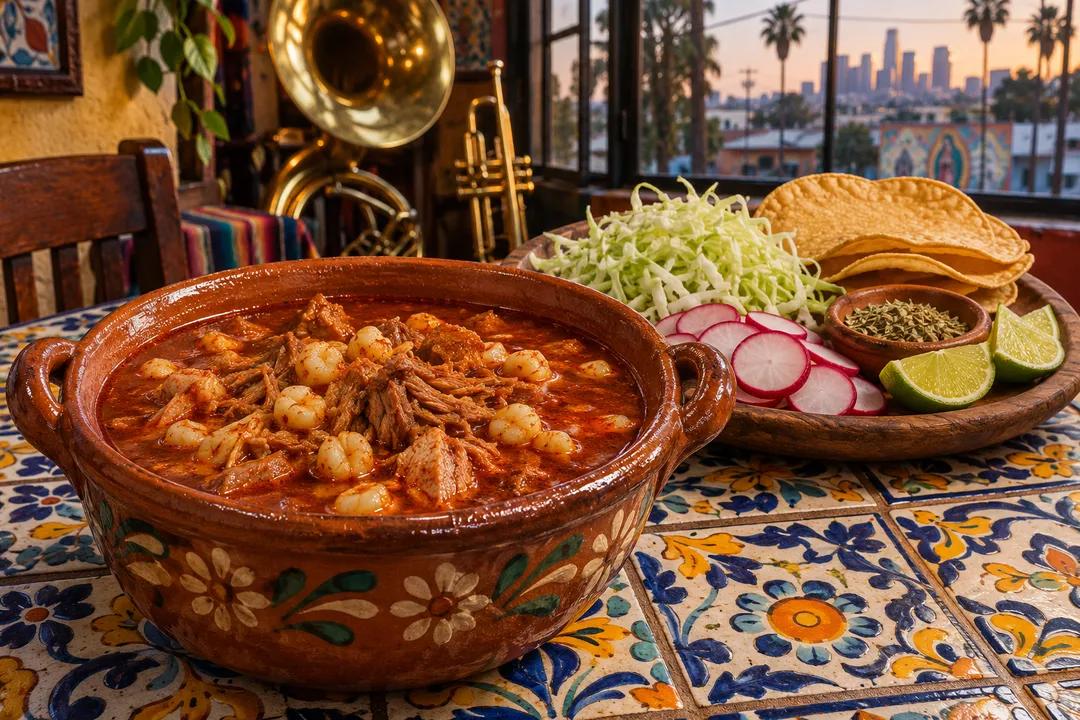
Choose between brick-red guajillo pork pozole near Mariachi Plaza and clear white hominy cauldrons along Cesar Chavez Avenue in Boyle Heights on chilly nights.
Stepping down from a mural restoration scaffold near First Street as November dusk cools the Eastside concrete, my uncle from Guadalajara and I use a pozole dinner picker mindset to decide whether tonight calls for a brick-red guajillo cauldron or a clear bone-broth blanco bowl in Boyle Heights. Across this hilltop neighborhood east of the Los Angeles River, steaming pots of nixtamalized cacahuazintle corn anchor weeknight family suppers and post-shift gatherings from the stone kiosk at Mariachi Plaza up the busy commercial spine of Cesar Chavez Avenue. Yet choosing the right dining room depends on more than simply craving hot soup. Some evenings demand a velvet, chile-stained broth where slow-braised pork shoulder and neck bones melt into toasted ancho and guajillo pepper puree, while other nights suit an unclouded garlic-and-onion pork stock that lets you control every drop of fiery salsa macha at the table. Because corner cenadurías, bakery-adjacent cafes, and multi-generational dining rooms each ladle distinct regional textures, sorting your priorities before walking through the door keeps a hungry group from settling for the wrong pot.
Weighing Jalisco Guajillo Rojo Against Clear Blanco Cauldrons
The foundational fork in the road across Boyle Heights lies between deep crimson Jalisco-style pozole rojo and unseasoned white pozole blanco served with tabletop chile pastes. In dining rooms clustered within a few blocks of Mariachi Plaza and along First Street, cooks toast dried guajillo and ancho chiles on a flat comal, soak them until pliable, and blend them with roasted garlic and marjoram before straining the crimson liquid directly into the simmering pork and hominy stock. Because the chile puree cooks together with the meat and corn for hours, every kernel absorbs a mild, earthy sweetness and a glossy orange-red sheen of rendered pork fat. You should pick this red cauldron when your group wants a unified, deeply aromatic bowl that requires almost no adjustment once it reaches the table.
Walk further east toward Evergreen Cemetery or duck into smaller family counters off Soto Street, and you will find cooks who keep their main cauldron strictly blanco. Here, plump white hominy kernels—prized because their hulled tips open like little flowers during the long simmer—float in a translucent, garlicky broth enriched with pork spine, trotter, and tender shoulder chunks. Instead of pre-spicing the pot, the kitchen sets down small ceramic bowls of dark toasted chile de árbol oil, crushed piquín peppers, and bright green serrano-tomatillo salsa alongside the soup. If you are dining with companions who have wildly different heat tolerances, choosing a blanco house lets one person keep the broth gentle and herbal while another turns their bowl volcanic with a single spoonful of toasted chile oil.
Pay careful attention to the cut of meat specified when you order at the counter or booth. Many Boyle Heights kitchens allow you to choose between maciza, which consists of lean, pull-apart chunks of pork shoulder and loin, and surtido, which mixes lean meat with gelatin-rich cuts like ear, snout, or trotter for a silkier mouthfeel. First-time visitors who prefer a clean, spoonable broth without soft cartilage should ask specifically for pura maciza, whereas lifelong hominy devotees often request espinazo—the meaty neck and spine bones that you pick up with your fingers and dip into lime juice and salt between spoonfuls of corn.
Reading the Garnish Platter and Tostada Setup at the Table
A proper pozole dinner is half cauldron and half cold-bar assembly, so evaluating how a kitchen handles its garnish platter—known locally as la verdura—tells you immediately how the meal will unfold. In sit-down ceramic-tiled booths along Cesar Chavez Avenue, servers bring out a communal wooden tray heaped with shaved green cabbage, crisp red radish rounds, finely chopped white onion, quartered key limes, and a shaker of whole dried Mexican oregano leaves. Never dump the entire plate of raw vegetables into your bowl at once, or the cold cabbage will drop the broth temperature before the hominy warms your palate. Instead, rub a pinch of dry oregano between your palms directly over the steam so the essential oils release, squeeze in fresh lime, and add small handfuls of cabbage and radish as you eat so every bite retains a sharp crunch.
Skip ordering heavy flour tortillas or rice and beans on the side when eating hominy stew here; nixtamalized corn kernels are already filling enough that extra starch dulls the brightness of the broth. Instead, focus on the crisp, flat corn tostadas that arrive wrapped in paper napkins beside the soup bowl. Seasoned neighborhood regulars smear a thin layer of cool Mexican crema or mashed avocado across a tostada, sprinkle a pinch of coarse salt over the top, and take a crisp bite in between spoonfuls of hot broth and pork.
If the dining room offers rolled taquitos dorados or chicken flautas as a companion order, splitting a small plate across the table works far better than ordering individual appetizers. Dipping the shattered, crispy ends of a potato-or-shredded-beef flauta into the red guajillo broth softens the fried corn shell just enough to catch stray hominy kernels at the bottom of the cazuela. When a counter only packs takeaway containers during busy weeknight rushes, check that the staff packs the dry oregano, radishes, and tostadas in a separate paper bag from the hot soup lid so the fried shells stay brittle until you sit down.
Timing Weeknight Booths Versus Weekend Family Gatherings
Neighborhood rhythm in Boyle Heights shifts dramatically between quiet midweek evenings and weekend family outings, changing which dining room fits your group size. On Tuesday through Thursday nights, solo diners, hospital staff coming off shift near State Street, and local muralists can slide straight into a vinyl booth along First Street or Breed Street without waiting for a table. Midweek pots have usually been simmering steadily since afternoon prep, meaning the hominy has reached maximum tenderness and the broth has concentrated into a rich, savory glaze without the noise of a packed dining room.
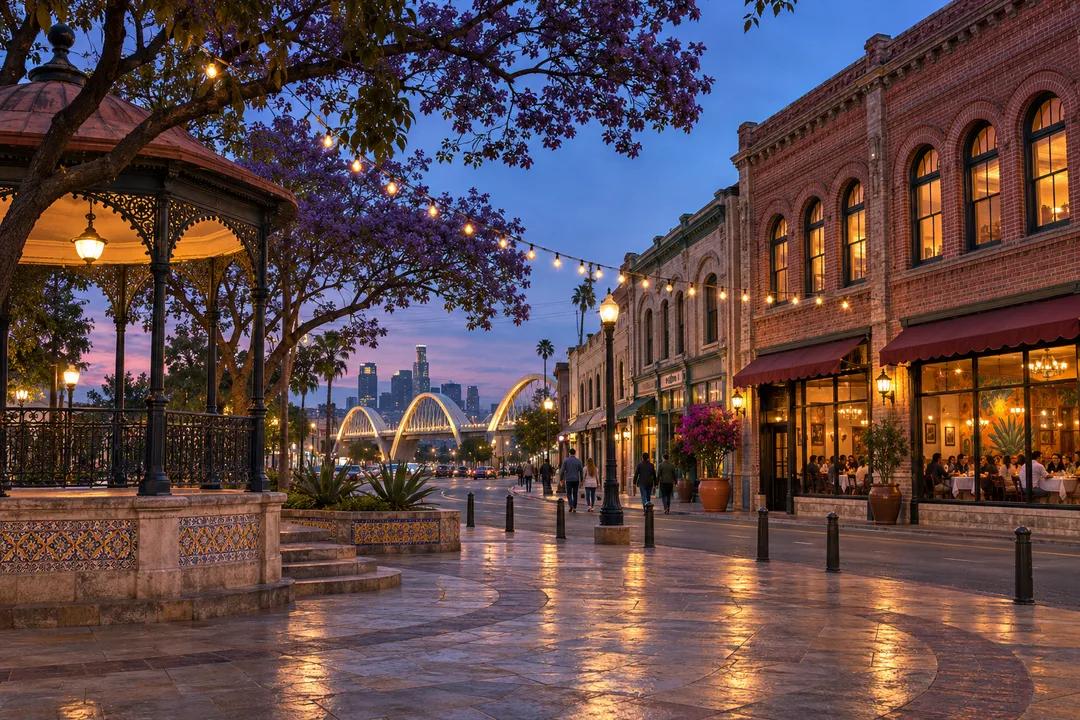
On Friday and Saturday nights, however, the blocks surrounding Mariachi Plaza hum with brass trumpets, vihuelas, and multi-generational families celebrating birthdays over large terracotta bowls. If you arrive with four or five people during the prime dinner window and find a twenty-minute wait at your first-choice corner restaurant, do not hover in the narrow doorway blocking servers carrying boiling cazuelas. Step back onto the stone plaza to watch the musicians gather under the kiosk, or pivot three blocks north to the quieter family counters along Wabash Avenue and Michigan Avenue where booth turnover moves faster.
Using the Karpo APP when you step off the Metro E Line at Mariachi Plaza or Soto station makes comparing these nearby corridors effortless. You can pull up the Karpo APP to view neighborhood dining options side by side, check which streets cluster traditional hominy kitchens alongside panaderías, and map a backup dinner stop within a five-minute walk if a family banquet has filled the main dining room on Cesar Chavez Avenue.
Pairing Your Bowl with an Eastside Evening Walk
Because a deep bowl of hominy and braised pork leaves you thoroughly warmed from the inside out, building a thirty-minute evening walk into your dinner plan turns a simple meal into a classic Eastside outing. If you eat near First Street and Boyle Avenue, start by strolling west toward the bluff overlooking the Los Angeles River or head south toward the glowing concrete ribbons of the Sixth Street Viaduct. The brisk night air rising off the river channel contrasts wonderfully with the lingering warmth of guajillo chile and oregano on your palate.
For groups finishing dinner along the eastern stretch of Cesar Chavez Avenue or Soto Street, walk south along Boyle Avenue or Matthews Street toward Hollenbeck Park. The wide paved path curving around the park lake reflects the amber streetlamps and the arched concrete bridge overhead, offering plenty of benches where you can pause and chat while digesting a heavy meal. Along the way, pass the historic wooden porches and brick facades that have anchored this community for generations.
Before heading home, duck into one of the neighborhood panaderías along First Street or Cesar Chavez Avenue where metal trays still hold warm conchas, cinnamon-dusted orejas, and pumpkin empanadas. Carrying a paper bag of pastries back to your car or transit platform gives you a sweet, light finish for the next morning without crowding your stomach right after a full cazuela of pozole.
Ask Karpo for more information.
Keep reading
- Santa Monica French Dip Sandwich Lunch Picker by Ocean
 Echo Park French Dip Sandwich Lunch Picker Around Noon
 Silver Lake French Dip Sandwich Lunch Picker on Hillsides