 Burbank Film Memorabilia Collector Shop Walk: Studio Stash
Hidden Gems & Odd Finds
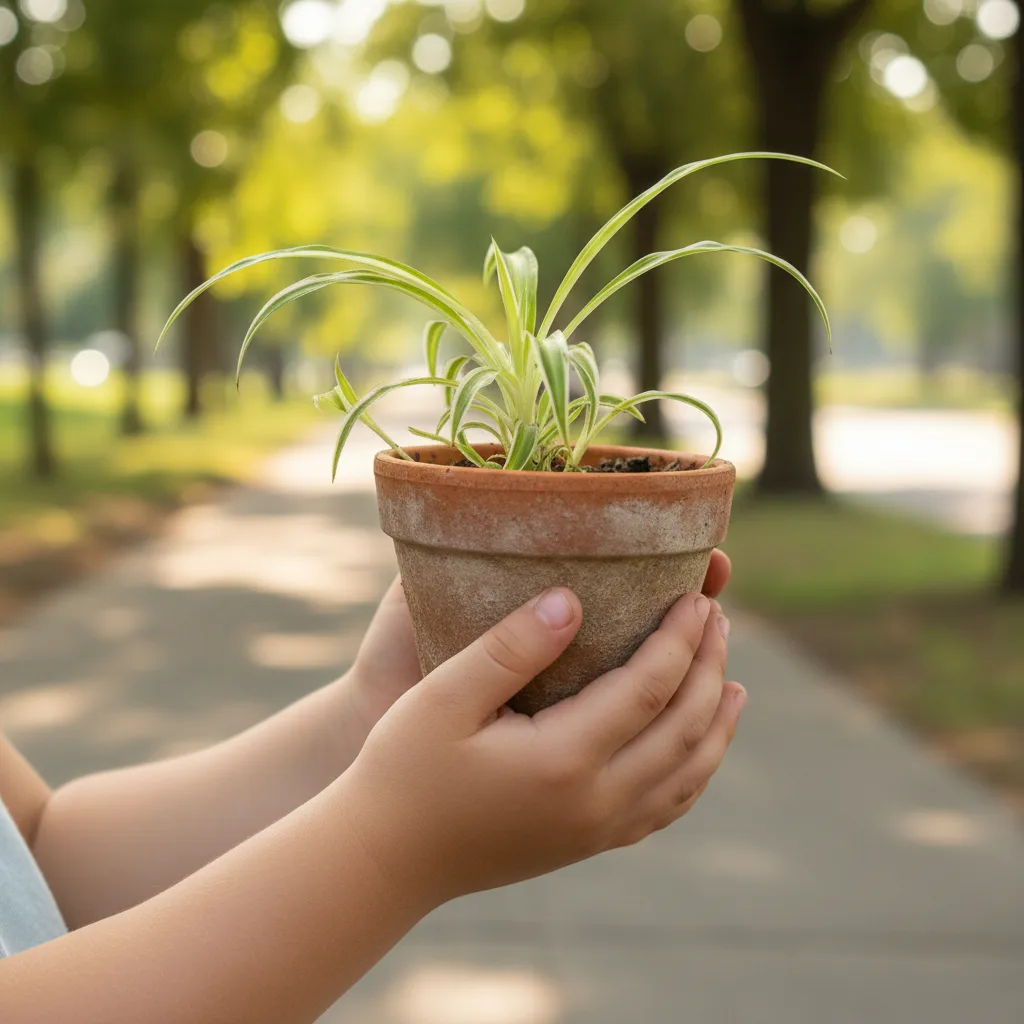
Larchmont Plant Shop Crawl Planner for a Child's First Plant
Plan a Larchmont plant shop crawl with kids: help a child choose a first plant they can care for, skip leaves unsafe for small hands and stroll the village.
A child's first plant teaches patience in a way few toys can. It needs water but not too much, light but not too much, and it changes a little every week. Larchmont, with its leafy side streets, small shops and slow village pace, is a lovely place to help a child choose one. This plant shop crawl planner is for parents and caregivers who want a calm morning out with a curious kid. It covers how to set expectations, which plants forgive missed waterings, which leaves to avoid around small hands, and how to turn the outing into a small ritual the whole family enjoys.
Why a First Plant Matters
For a young child, owning a plant is often the first time they are responsible for something alive. They notice new leaves, worry when the soil is dry and feel proud when a cutting grows roots. That sense of care carries over into other parts of life, from feeding a pet to helping in the kitchen.
Keep the goal simple. This is not about building a houseplant collection. It is about one plant that belongs to the child, sits in their room and grows alongside them. Choosing it together on a special outing makes it feel important rather than another thing a parent picked up on a busy errand.
Setting Expectations Before You Go
Talk with your child before the outing about what they want. Do they like plants with big leaves, tiny leaves, fuzzy leaves or plants that hang down? Do they want something that flowers, or something that grows fast? Let them draw a picture of their dream plant. It helps them feel ownership and gives you clues about what to look for.
Agree on one plant per child, maybe two if you have a big windowsill. Explain that some plants will be too large, too delicate or not safe for their room, and that a shop staff member may help decide. Kids handle a no much better when the rules were set before they saw a tempting display.
Plants That Forgive Small Mistakes
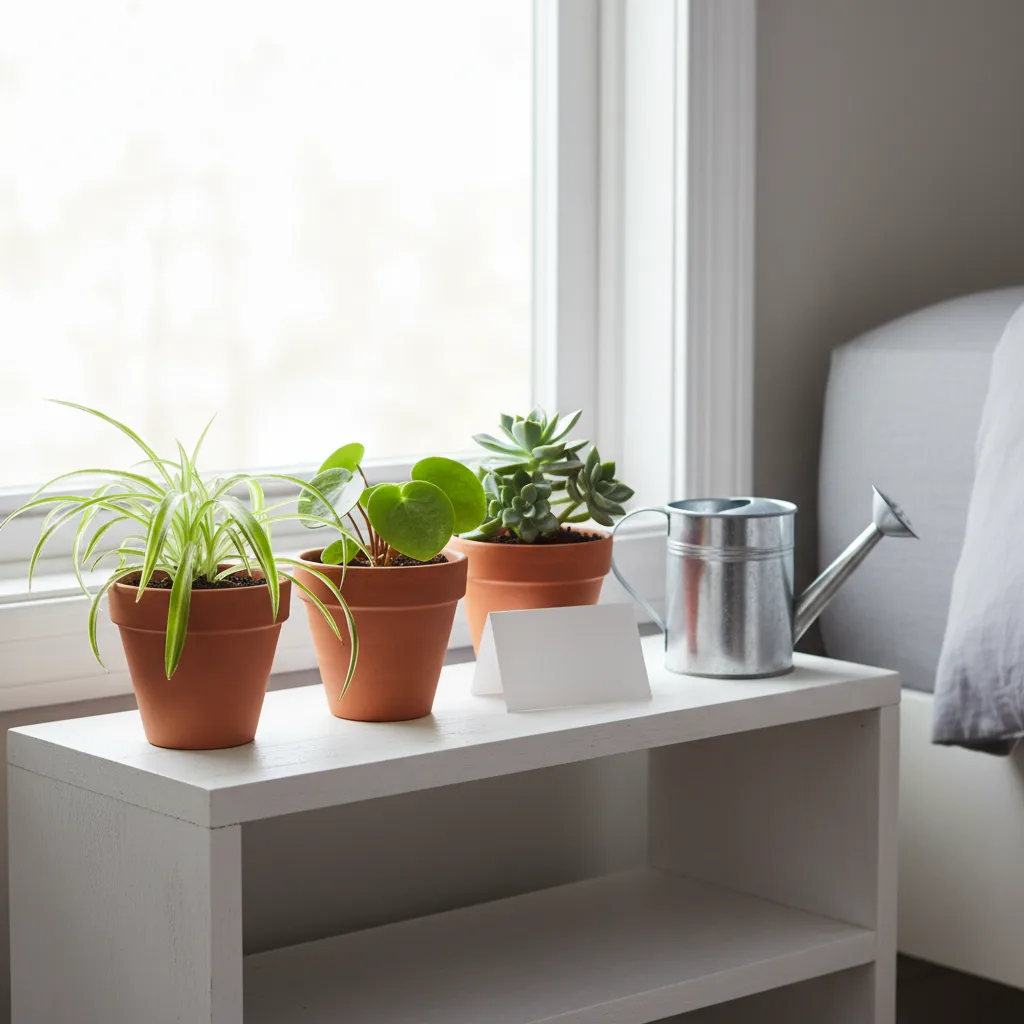
The best first plants survive a missed watering or an overly generous one. Spider plants are a classic choice. They tolerate a range of light, grow quickly and produce baby plantlets that dangle from long stems, which children love to pot up and give away. Peperomia, with its thick, rounded leaves, also forgives a lot and stays small.
Small succulents such as haworthia and echeveria suit a sunny sill and need water only now and then, which makes them good for forgetful hands. A Christmas cactus or a friendship plant offers soft leaves and occasional flowers. Ask staff which plants stay compact, because a child's room and shelf have limited space.
Leaves to Skip Around Small Hands
Some popular houseplants are not ideal for a young child's bedroom. Plants such as dieffenbachia, philodendron, pothos and peace lily contain compounds that can irritate the mouth and skin if leaves are chewed. Cacti with sharp spines and plants with sticky sap such as euphorbia are best left on a high shelf in another room.
If your child still puts things in their mouth, or if you have pets, ask staff about each plant before you buy and look it up on a trusted plant safety list. Teach older kids to wash their hands after repotting or handling leaves. Choosing a safe first plant keeps the experience positive and lets you relax.
Strolling the Village Together
Larchmont's main street feels like a small-town high street tucked into the middle of Los Angeles. Tall trees shade the sidewalks, and the pace is slow enough for small legs. Florists, gift shops and home stores sometimes carry potted plants, cheerful pots and garden tools sized for little helpers. Take your time and look in windows together.
Let your child lead some of the walk. Point out plants in front yards on the side streets, from bougainvillea climbing over porches to succulents along driveways. Ask them which ones they like and why. By the time you reach a shop, they will have a clearer idea of what makes a plant feel special to them.
Letting a Child Choose
Once you are in a shop, step back and let your child look. Kneel down to their eye level and point out a few safe, suitable options rather than the whole room. Encourage them to touch leaves gently, notice colors and think about where the plant will live at home. Many children pick plants for a feeling rather than for care needs, and that is fine.
Ask the shop staff to explain the plant to your child directly. Kids often listen more closely to a stranger than to a parent, and a friendly florist can make a few simple care rules sound exciting. Let your child carry the plant to the counter and say thank you. Those small moments make the plant truly theirs.
Picking a Pot and a Watering Can
A pot is a chance for creativity. Plain terracotta pots can be painted at home with washable or acrylic paint, which makes a rainy afternoon project. Make sure the pot has a drainage hole and a saucer, since overwatering is the most common problem with children's plants.
A small watering can sized for little hands helps kids water gently without flooding the pot. Some families use a simple chart on the fridge or a sticker on the calendar to mark watering days. Others let the child poke a finger into the soil to check whether it feels dry. Both methods teach observation better than a strict schedule.
Weekend Market Detour
If your outing falls on a weekend, look out for the farmers market that sets up along the village. Growers bring fresh fruit, flowers and sometimes seedlings and herbs. Let your child taste a strawberry or a slice of citrus, smell a bunch of basil and see how plants grow into food. It links their new houseplant to a bigger idea of how gardens feed people.
Markets can be crowded, so hold hands and keep the new plant in a sturdy bag or box. Buy a small herb pot if your child shows interest. A pot of basil or mint on the kitchen windowsill is a great second plant, because they can pick a leaf for dinner and see how quickly it grows back.
Settling the Plant at Home
At home, help your child find a good spot for their plant. Look at the light in their room at different times of day. Spider plants and peperomia like bright, indirect light, while succulents prefer direct sun. A shelf near the window, at a height the child can reach, makes daily checking easy.
Give the plant a name if your child likes the idea. It sounds silly, but named plants tend to get checked on more often. Take a photo every couple of weeks, and look back together after a few months to see how much it has grown. Celebrate the first new leaf or the first baby spider plant.
Making It a Family Ritual
Many families turn the first plant outing into a yearly tradition. Each birthday or each new school year, the child picks one new plant and a small treat from the village. Over time, their room fills with a little garden that grows with them, and each plant holds a memory of a particular year.
When you are ready for the next outing, the Karpo APP can point you to florists, nurseries and family-friendly cafes around Larchmont. Keep the trips short, keep the choices simple and let your child's curiosity lead the way through the leafy streets.
Ask Karpo for more information.
Keep reading
- Burbank Film Memorabilia Collector Shop Walk: Studio Stash
 Pasadena Film Memorabilia Collector Shop Walk: Classic Route
 Silver Lake Film Memorabilia Collector Shop Walk: Indie Lore