 Lincoln Heights Champurrado Winter Cafe Picker: Two Routes
Coffee & Dessert
Highland Park Paleta Shop Finder for Home Paleta Makers
Making paletas at home? Use a Highland Park tasting walk to study fruit chunks, cream bases and chili rims, then sit in Sycamore Grove Park and take notes.
Making paletas at home looks easy until you try. The first batch is icy, the fruit sinks to the tip, and the cream version tastes of nothing once it freezes. The fix is not a new recipe. It is tasting like a researcher, with a notepad, before you fill the molds. Highland Park is a fine place to do that. Its mix of long-running Mexican businesses, younger cafes and leafy parks makes it easy to taste several styles in one slow afternoon. This paleta shop finder walk is for home cooks who want to learn from the experts first.
What a Home Cook Should Taste For
Go in with three questions. How much fruit is in the pop, and is it pureed, chunked or both? How sweet is it compared with the fruit itself? And how does the texture feel on the tongue, smooth and dense, or flaky and icy? Those three answers will tell you more about your own recipe than any blog post.
Pay attention to the difference between paletas de agua and paletas de leche. Water-based fruit pops rely on fruit, sugar and a careful balance of water, and the best ones taste like a frozen piece of the fruit itself. Cream-based pops use milk, cream or sweetened condensed milk, and they need enough fat and sugar to stay soft when frozen. Write down which ones you like best, and why. That list becomes your plan for the first batch.
Start on York Boulevard
Begin along York Boulevard, where long-running family businesses sit beside bakeries, record shops and newer cafes. Ask the Karpo APP to find paleta shops near York Boulevard and pick two or three that look different from each other: one traditional paletería with a long freezer case, and one place that leans on unusual or seasonal flavours. Contrast is the whole point of the afternoon.
At the first stop, buy one fruit pop and one cream pop, and share them if you are walking with a friend. Look closely before you bite. Notice whether the fruit pieces are spread through the pop or gathered at the tip, a sign of how and when the mix was poured. Notice the surface too. A smooth, glossy pop usually means a well-balanced mix, while a frosty, crystalline one can mean too much water or not enough sugar.
Learning From Chunks, Cream and Chili
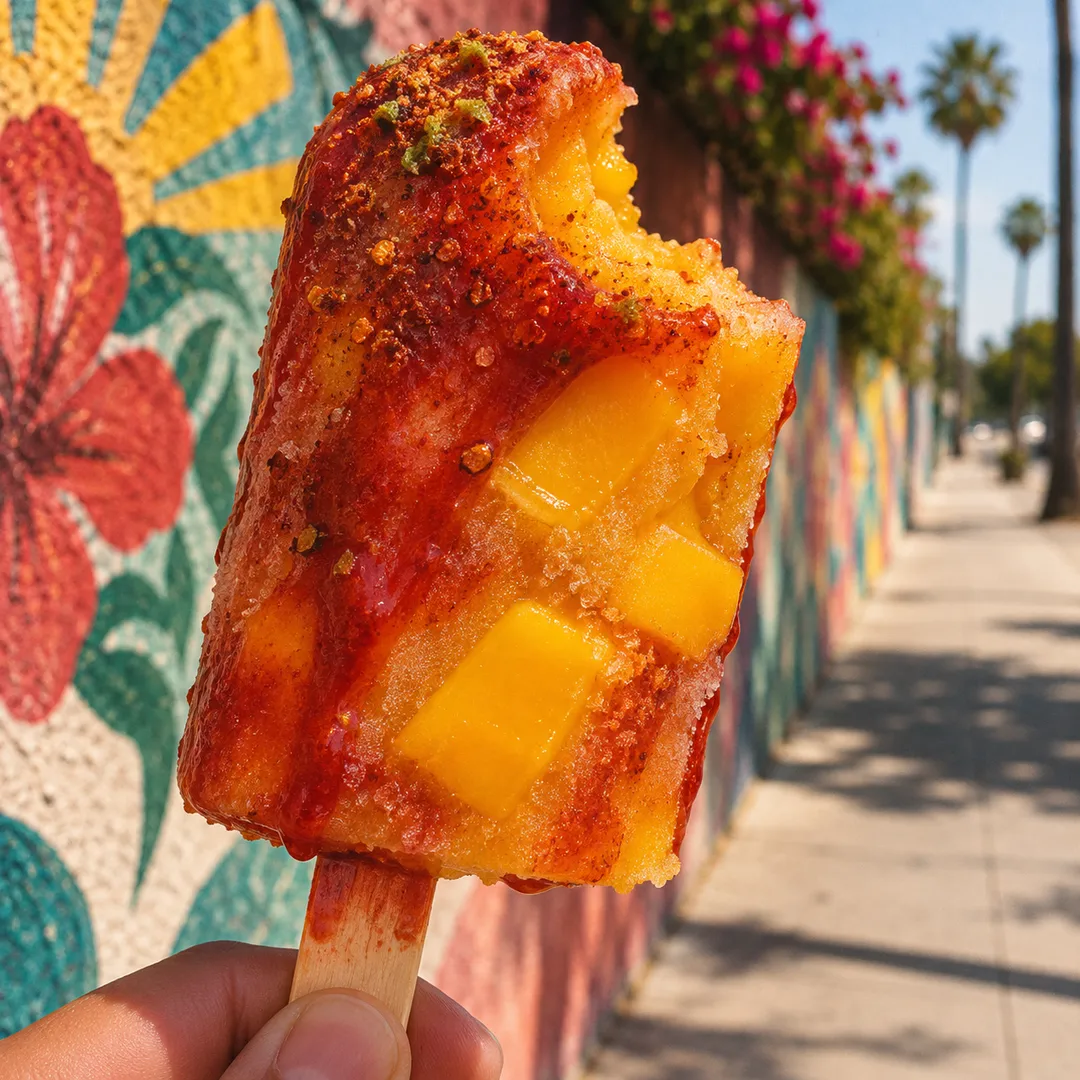
Chunky fruit pops are the signature of many Mexican paleterías, and they teach a useful lesson. Big pieces of strawberry, mango or pineapple freeze harder than the base around them, so makers often cut them small enough to bite comfortably. If you find a pop where the fruit is pleasantly soft, ask yourself whether the fruit was macerated in sugar first. It is one of the oldest tricks in frozen desserts and an easy one to copy at home.
Cream pops teach a different lesson. Flavours such as rice pudding, cajeta, coconut and pecan show how much sugar and fat it takes to keep a frozen milk base tender. Then there is chili. Mango or pineapple with chamoy and a dusting of chili-lime powder is a Los Angeles favourite, and tasting one shows how salt, acid and heat can make fruit taste brighter. Note how much chili coats the outside versus what is mixed inside. Many home cooks find that a little on the surface goes much further than a lot in the mix.
Take Notes in Sycamore Grove Park
Carry your last pop or two down to Sycamore Grove Park, a long, shady park running along the Arroyo Seco side of the neighborhood. Its old sycamore trees, picnic tables and the bandshell where community events have been held for generations make it a calm place to sit and write. On weekends you may find families celebrating birthdays and friends gathered around grills, which gives the park a warm, neighborly hum.
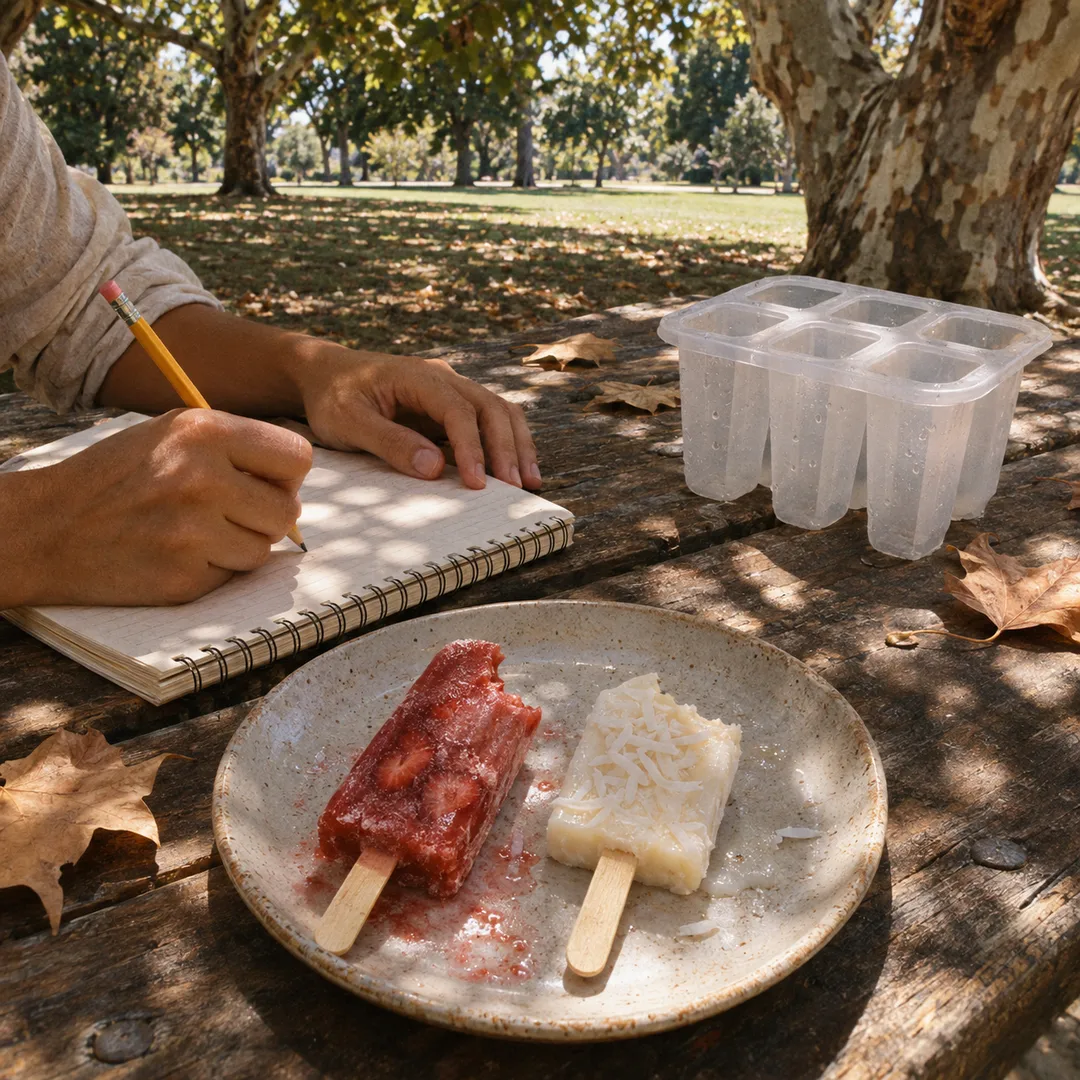
Use the table to sort your notes. Draw a simple chart: flavour, base, texture, sweetness, and a mark out of five. Then add one sentence for each pop about what you want to copy and what you would change. The act of writing slows down your tasting, and it turns a casual dessert walk into a proper research session for your kitchen.
A Detour Past the Lummis House
If you have more time, walk a few minutes to the Lummis House, also known as El Alisal, the stone home built by hand by the writer and editor Charles Lummis on the edge of the Arroyo Seco. Its rough river-rock walls and drought-tolerant garden are a reminder of how long this corner of Los Angeles has attracted people who like to make things by hand.
It is also a good spot to think about ingredients. Gardens around the Arroyo grow citrus, prickly pear and herbs, and walking past them can spark ideas for your own flavours: a lime and mint pop, a prickly pear and lemon pop, or a hibiscus pop inspired by agua de jamaica. Home paleta making is at its best when it borrows from the place where you live.
Turning Your Notes Into a First Batch
Back home, start with one fruit pop and one cream pop rather than six flavours at once. Use the ripest fruit you can find, taste the mix before freezing, and make it a little sweeter than you think it needs, because cold dulls sweetness. Pour half the mix, freeze briefly, add your fruit pieces, then top up. That simple layering keeps chunks spread through the pop instead of all at the bottom.
For cream pops, warm the base gently with your flavouring, cool it completely and freeze in a cold freezer. If you want chili, dip the finished pop in chamoy and dust it at serving time instead of mixing everything in. Compare your results with your Highland Park notes. You will be surprised how quickly your second batch improves when you know exactly what you are aiming for.
Practical Notes for a Tasting Walk
Keep the tasting small. Two shops and four paletas are plenty for a useful afternoon, and sharing with a friend lets you try more styles without a sugar crash. Bring water to clear your palate between bites, a few napkins, and a pencil with a small pad of paper. Phone notes work too, but writing by hand tends to slow you down in the best way, and it keeps your sticky fingers off the screen.
Be respectful when asking questions. Many paletería owners are proud of their craft and happy to tell you which flavour is a family favourite, but they are running a business, so ask when the line is short. Buy before you chat, and never ask for recipes outright. The best thing a home cook can take away is inspiration. When you are ready for another round, ask the Karpo APP to find paleta shops near a different park, and keep adding pages to your flavour notes.
Ask Karpo for more information.
Keep reading
- Lincoln Heights Champurrado Winter Cafe Picker: Two Routes
 Pico-Union Champurrado Winter Cafe Picker: Two Easy Ways
 Highland Park Champurrado Winter Cafe Picker: Two Avenues