 Santa Monica French Dip Sandwich Lunch Picker by Ocean
Restaurants
Out of Town Guest Dinner Picker in Little Tokyo: Lanterns
Hosting visitors downtown? Little Tokyo lets each guest pick ramen, sushi or an izakaya within a few blocks, then end with mochi under the plaza lanterns.
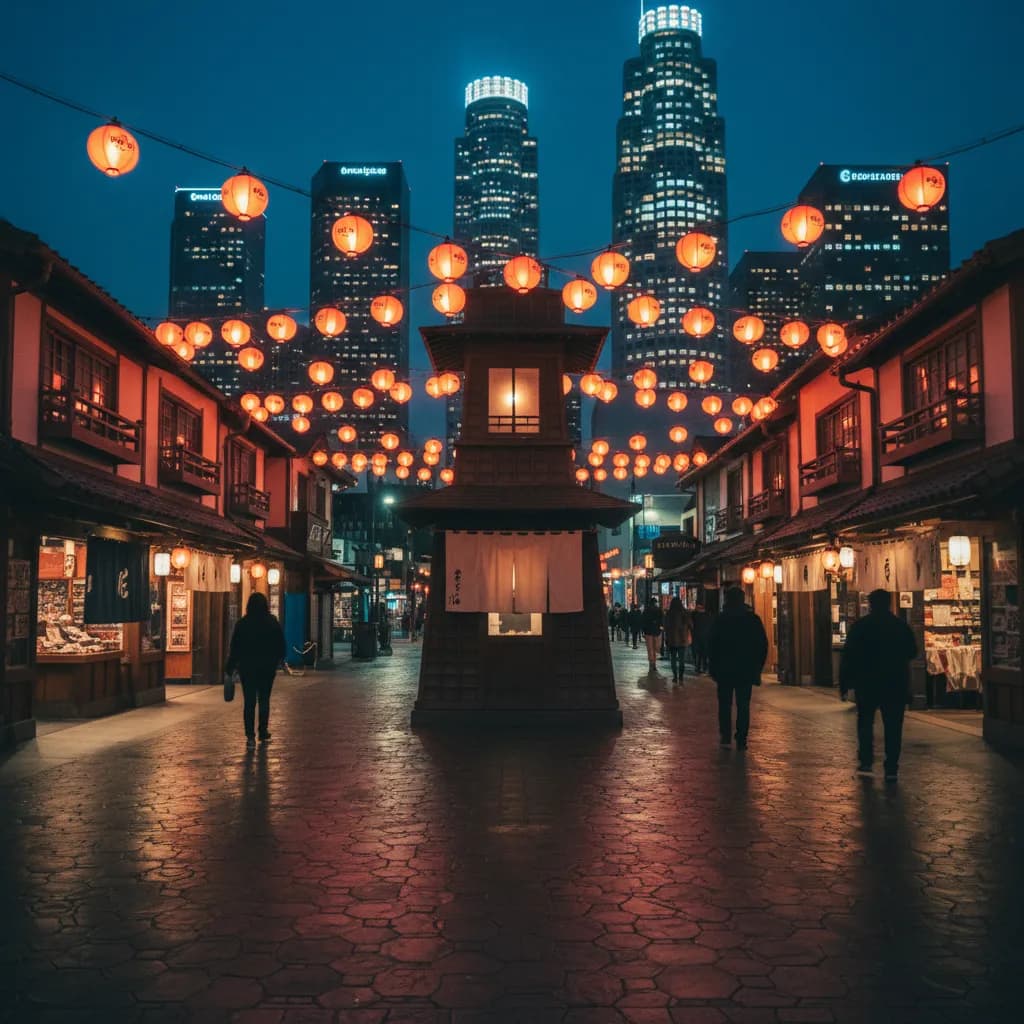
Hosting a mixed group is the hardest kind of dinner to plan. One visitor wants sushi, another has been dreaming about ramen since the plane took off, and someone else just wants a quiet place to sit. Little Tokyo, tucked beside downtown Los Angeles and the Arts District, solves that puzzle better than almost any other neighborhood in the city. Within a few compact blocks you will find noodle counters, izakaya, sushi bars, curry shops, bakeries and confectioners, all wrapped around a lantern-lit plaza that makes even a short walk feel like an event.
A Neighborhood With a Story Worth Sharing
Little Tokyo is one of only a handful of officially recognized Japantowns left in the United States, and its history gives a dinner here unexpected weight. Japanese immigrants built a thriving community in these streets in the early twentieth century. During the Second World War, residents were forced out and sent to incarceration camps, and the area briefly became home to Black war workers who called it Bronzeville. Families returned afterward and rebuilt, and the neighborhood has spent decades protecting its identity against redevelopment pressure.
You do not need to deliver a history lesson over dinner, but guests appreciate a little context. If time allows before you eat, walk past the Japanese American National Museum and the Go For Broke Monument, which honors Japanese American soldiers. The stories turn a casual meal into something more meaningful, and many visitors say it was the part of their LA trip they least expected and most remember.
Sorting Guests by Appetite
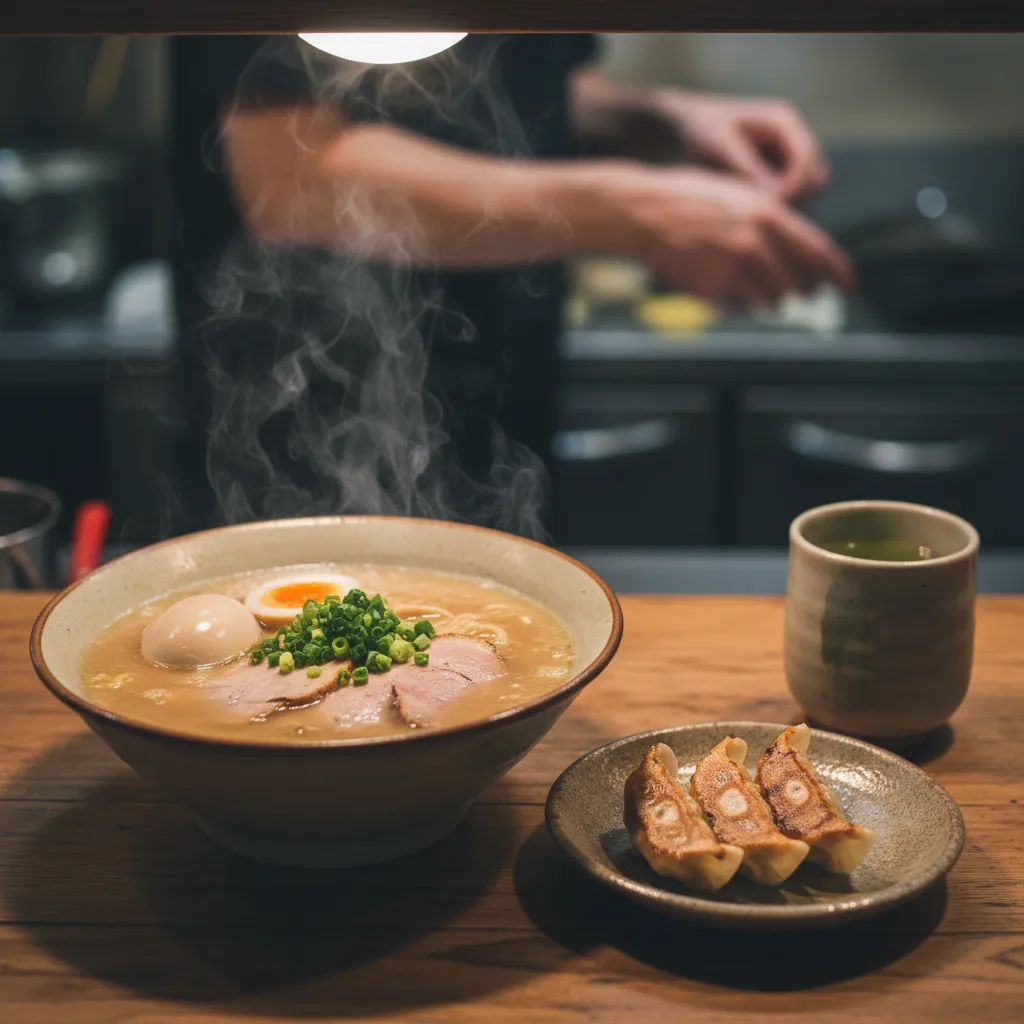
The beauty of Little Tokyo is that you can split the decision by craving. Ramen lovers will find counters where broth simmers for hours and lines form on the sidewalk, which is part of the ritual. Sushi fans can sit at a bar and let the chef guide them through the fish, a quiet and personal experience that suits couples or a visitor celebrating a milestone. Groups that want to linger should look at izakaya, the Japanese pub style of dining where everyone shares skewers, fried chicken, salads and rice dishes.
For parents or guests with cautious palates, Japanese curry houses, tonkatsu kitchens and udon shops serve comforting, familiar flavors. Vegetarian visitors can often build a full meal around vegetable tempura, tofu dishes and noodle bowls, though dashi broths frequently contain fish, so it helps to ask the staff. Families with children tend to enjoy the theater of an open kitchen and the novelty of slurping noodles, which is perfectly polite here.
A useful hosting trick is to give each guest a role. Let the ramen fan lead the first stop, the sweets lover choose dessert, and the most cautious eater pick where everyone sits to rest afterward. It sounds playful, but it takes pressure off the host and makes visitors feel invested in the evening. In a neighborhood this compact, every choice is only a few steps away, so no single decision can spoil the night.
How to Handle the Lines
Some of Little Tokyo's most famous counters are small, and lines are part of the deal, especially on weekend evenings and when there is a game or concert downtown. The easiest approach is to choose a less crowded night or eat on the early side. If you do end up waiting, put one person in line and send the rest of the group on a short loop through Japanese Village Plaza, where shops sell stationery, snacks and ceramics that make lighthearted souvenirs.
Another option is to plan a two-stop dinner. Start with small plates at an izakaya that takes walk-ins more easily, then wander to a noodle counter for a final bowl once the line has eased. Splitting the meal like that keeps restless guests moving and lets everyone taste more of the neighborhood instead of committing to a single menu.
Dessert Is the Real Finale
Little Tokyo has a deep tradition of Japanese sweets, and dessert is often the moment visitors talk about later. Mochi shops sell soft rice cakes in pastel colors, some filled with sweet bean paste and others wrapped around ice cream. Bakeries offer fluffy cream puffs and melon bread, and shaved ice stands appear in warmer months. Pick up a small assortment and share it on a bench in the plaza beneath the lanterns and the fire-watchtower landmark.
If your guests still have energy, walk a few minutes east into the Arts District, where murals cover warehouse walls and converted industrial buildings house galleries and breweries. The contrast between the two neighborhoods, one rooted in heritage and the other in reinvention, gives visitors a vivid picture of how downtown Los Angeles keeps changing.
For guests who prefer a calmer finish, the plaza at the Japanese American cultural center nearby and the quieter side streets around the village offer a pause from the downtown bustle. Sitting for a few minutes with tea or a bottle of cold barley drink from a market lets jet-lagged travelers rest before the drive home, and it often sparks the best conversation of the evening, the kind that rarely happens across a crowded dining table.
Narrowing It Down With the Karpo APP
When everyone wants something different, the Karpo APP can help you find a sensible compromise. Tell it about the group, for example: dinner in Little Tokyo for four, one guest loves ramen, one prefers cooked food only, one is vegetarian, and we want somewhere to sit and talk afterward. Karpo replies with places that suit those needs and nearby dessert or after-dinner ideas, so you can agree on a plan before you even park.
Karpo is a planning companion, not a booking service. Once you choose a spot, contact the restaurant directly for anything you need to arrange, and ask Karpo again if a line is longer than your guests can handle. It can point you toward similar options a short walk away.
Practical Notes for Little Tokyo
The Metro station at Little Tokyo and the Arts District connects to lines that serve Santa Monica, Pasadena, Long Beach and Hollywood, which makes it an easy meeting point for guests staying elsewhere in the city. Driving guests will find several paid lots around the plaza and on nearby streets.
Sidewalks fill quickly when Dodgers games, concerts or downtown events let out, so plan your walk with that in mind. Bring a little patience, comfortable shoes and an appetite for small bites. Little Tokyo rewards grazing, and the best compliment a visitor can give at the end of the night is that they want to come back and try the counter next door.
Ask Karpo for more information.
Keep reading
- Santa Monica French Dip Sandwich Lunch Picker by Ocean
 Echo Park French Dip Sandwich Lunch Picker Around Noon
 Silver Lake French Dip Sandwich Lunch Picker on Hillsides