 Burbank Film Memorabilia Collector Shop Walk: Studio Stash
Hidden Gems & Odd Finds
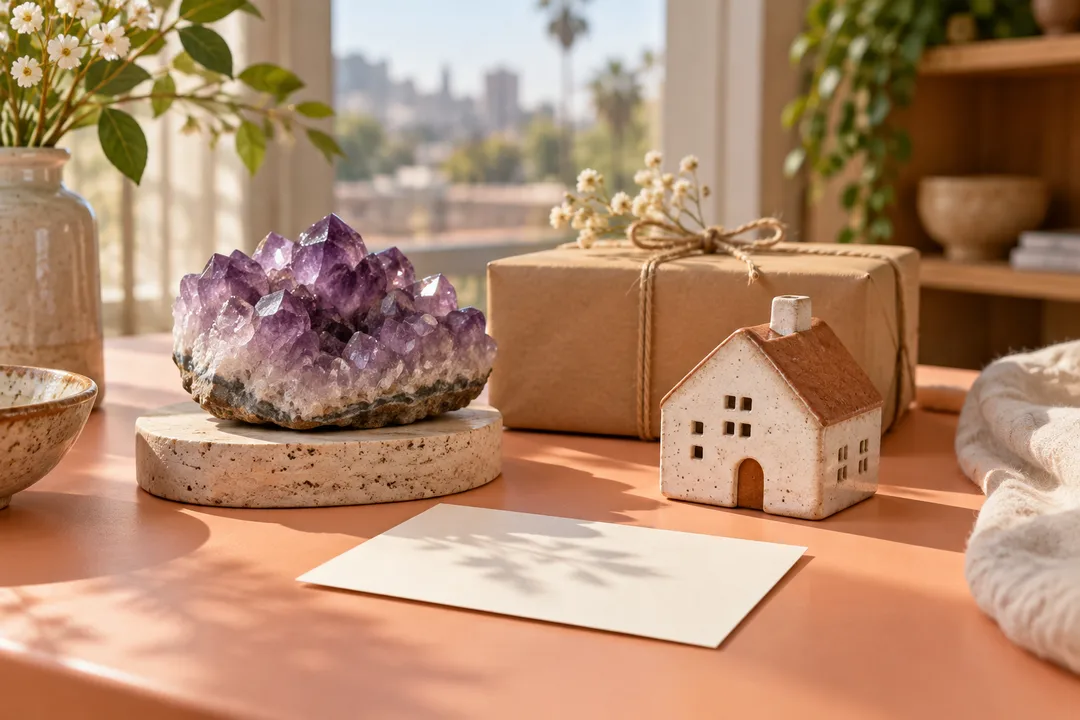
LA Oddities Shop: Pick A Gift They Can Keep
Choose an LA oddities shop gift around the recipient’s space, materials and habits, then use a clear brief to narrow the search and plan the handover.
An LA oddities shop gift should fit the recipient's everyday life after the surprise is over. Start with where it will live, what materials they enjoy and how much care they welcome. Then use the Karpo APP to explore a search brief built around those preferences. The aim is an unusual present they can comfortably keep, rather than a dramatic object that asks them to rearrange a room, maintain an unfamiliar material or explain why they do not want it.
Borrow clues from what they already choose
Think about the possessions they display voluntarily. A person who keeps a neat row of small ceramic animals gives you different clues from someone who collects mechanical tools or botanical prints. Notice scale and treatment as well as subject. They may enjoy natural shapes but dislike fragile displays, or admire antique design while preferring objects with no uncertain history. Those distinctions make a stronger brief than describing the recipient as someone who likes strange things.
Choose one observation you can defend and one boundary you should respect. Perhaps they repeatedly pick dark metal objects and have said they avoid animal materials. Use both. If you have no reliable clue, make the gift smaller in commitment or invite them to choose with you. A shared browse can be a thoughtful present when surprise would require too much guessing about something intended for their home.
Treat available space as part of taste
A gift can be aesthetically right and physically wrong. Ask yourself whether it belongs on a desk, inside a cabinet or on a wall. Consider the size of the surface and what already occupies it. If you cannot estimate the space responsibly, favor a modest object that can stand securely on its own. Avoid turning an affectionate gesture into an unannounced request for a new shelf or mounting hardware.
Objects also have social space. A conspicuous display may need to suit a shared household, a workplace or a room used by children. You do not need to predict every reaction, but you can avoid choices that depend on a private assumption about the recipient's comfort. A curious miniature or decorative cast can express an interest with less commitment than a large, confronting display. Let their habits guide how bold the present should be.
Make the first request about the person
Try: “Help me explore Los Angeles oddities shop gifts for someone who collects small ceramic and metal objects. They have a compact desk, dislike animal materials and prefer things that need little maintenance. Suggest directions for a gift I can hand over in person.” Add your preferred shopping area, personal spending limit and the occasion. Ask why a suggested category fits the recipient, so the answer does more than repeat the word unusual.
Use the reply to narrow the object family before planning the shopping journey. You might settle on a small sculptural decoration, an old-looking mechanical form or a framed design. This is a stage of exploration, with no assumption that a particular example is available. When the answer introduces a business or a product, read the attached description on its own terms rather than treating every suggested quality as an established fact.
Ask the care question before the wrapping question
A beautiful present can create work. Ask the seller how the actual material should be handled, whether the object has a delicate surface and whether a base or cover is required. A low-maintenance preference should influence the choice itself. Wrapping an unsuitable object more carefully does not make it easier to live with. Keep the care advice you receive so the recipient does not have to reconstruct it after the handover.
Avoid choosing an unfamiliar natural specimen purely because the display looks interesting. Material identification, provenance and any applicable requirements need adequate evidence. A decorative reproduction may better suit the occasion when those questions are outside what you can assess. Describe that choice honestly when giving it. The pleasure of the present can come from its shape, the recipient's interests and your reason for selecting it, without a grand claim about rarity.
Compare two candidates by future use
Imagine each object in the recipient's hands a month later. Can they move it without assistance? Does it stand securely? Will they know what it is and why you chose it? Write down the feature that makes each candidate personal. If your only explanation is that one looks more expensive, return to the clues you started with. An effective unusual gift does not need its value to be visible to everyone who enters the room.
Choose a tie-breaker before reaching the counter. For this task, it could be the candidate that is easiest to display without additional purchases. Another recipient might value a clear maker's description or a connection to a subject they study. The tie-breaker should belong to them. This prevents the more theatrical object from winning simply because you have spent longer looking at it under attractive lighting.
Make exchanging it an ordinary possibility
Read the seller's stated return or exchange terms before paying, and ask about a gift receipt where appropriate. A useful answer describes the actual transaction, rather than relying on what other shops usually do. If exchanges are unavailable and you are uncertain about the recipient's preference, reconsider the commitment. You can choose a smaller present or make the shared shopping trip the main part of the gift instead.
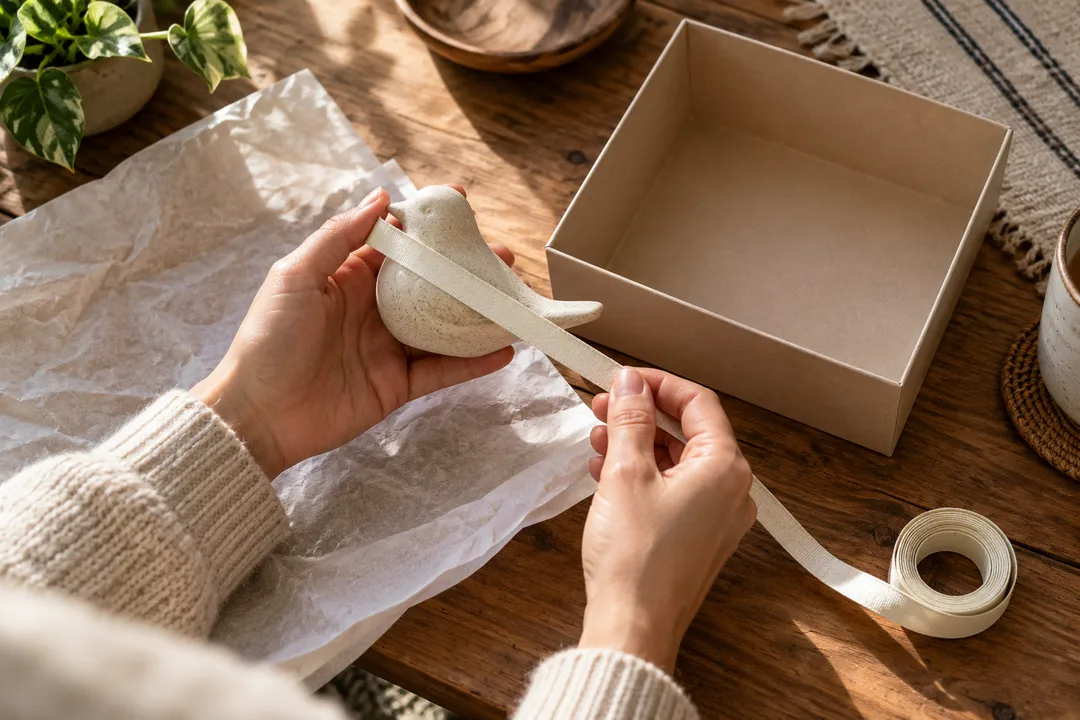
When wrapping, keep the object supported in its intended position and protect any projecting parts. Do not tape directly onto a delicate surface or discard the seller's protective pieces just to fit a prettier box. Save the care information separately from any price-bearing receipt. A plain package that opens safely can be more thoughtful than an elaborate arrangement that leaves the recipient holding a fragile object with no place to put it down.
Practical Notes for a considerate handover
Plan when and where you will give the present. A restaurant table, a crowded celebration and the recipient's home create different handling problems. If the gift needs a stable surface, choose a handover that provides one. Bring the box and support materials even if you intend to show the object before closing the package. The recipient should be able to leave with it without inventing a carrying solution on the spot.
Keep your explanation brief and personal. Say which detail reminded you of them and share the description you actually received from the seller. Leave room for their reaction without turning the gift into a test of your taste. If they would prefer another direction, that feedback can shape a future Karpo request. The lasting value is the attention you paid to their interests and the ease with which the object joins their life.
Ask Karpo for more information.
Keep reading
- Burbank Film Memorabilia Collector Shop Walk: Studio Stash
 Pasadena Film Memorabilia Collector Shop Walk: Classic Route
 Silver Lake Film Memorabilia Collector Shop Walk: Indie Lore