 Burbank Film Memorabilia Collector Shop Walk: Studio Stash
Hidden Gems & Odd Finds
Oddities Museum Near Me: Wende Museum Cold War Objects
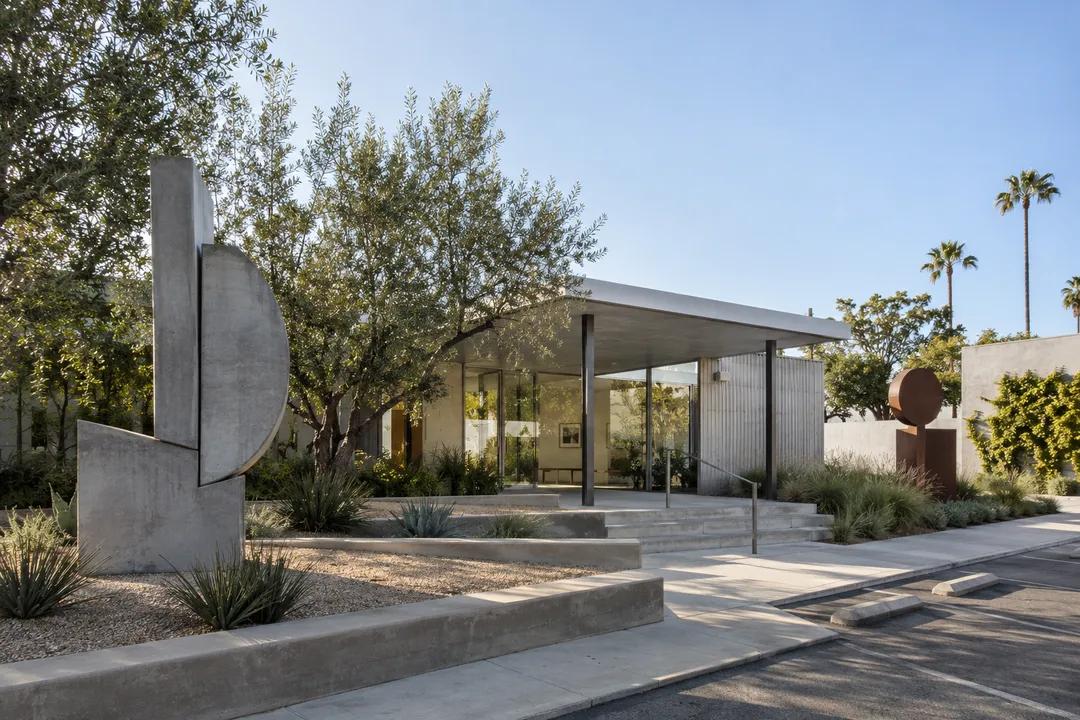
Wende Museum in Culver City combines Cold War-era art, archives, everyday objects, and contemporary interpretation in a free, unusually intimate museum.
For an oddities museum near me search in Los Angeles County, the Wende Museum offers an unexpected route into Cold War history through objects that are political, domestic, artistic, and sometimes deeply strange. At 10808 Culver Boulevard in Culver City, the museum preserves art and artifacts from Eastern Europe and the Soviet Union while inviting contemporary artists and visitors to reconsider them. The collection feels like a memory archive assembled from uniforms, posters, household things, symbols, and private lives.
The Wende is near Culver Boulevard and Overland Avenue, served by Culver City bus lines 3 and 7. Free parking is available in adjacent city lots, which makes the museum easier to pair with a Westside afternoon than many small archives. It is open Friday through Sunday from 10am to 5pm, with public tours normally at 11:30am Friday and 2:30pm Saturday and Sunday. Arrive early if you want both the galleries and the sculpture garden.
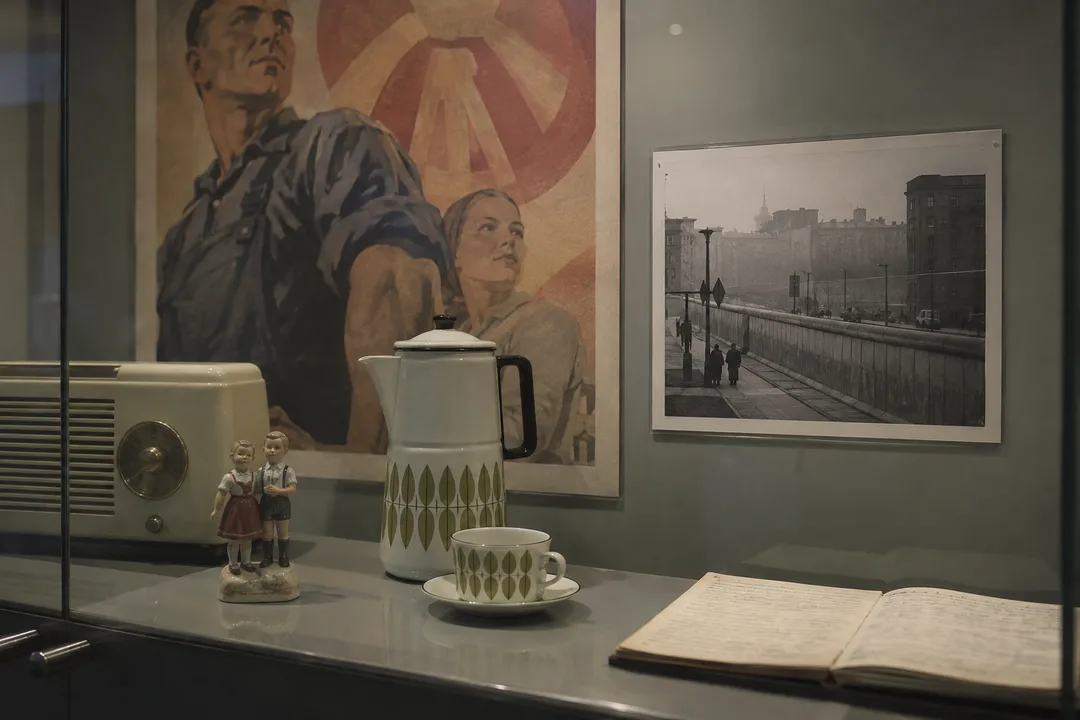
The oddity is the way political history enters ordinary objects. A portrait, a souvenir, a school item, a piece of furniture, or a fragment of propaganda can carry a different meaning depending on who owned it and when. The museum resists the idea that the Cold War was only a story of leaders and military technology. Its rooms show how ideology appeared in daily life, and how people learned to navigate a world full of official images.
Start with the collection displays that make scale visible. Some objects are small enough to fit in a hand, while others belong to public architecture or ceremonial life. The difference matters. A state emblem may be designed to dominate a square, but a personal keepsake can reveal how that emblem was received at home. Look for wear, alteration, and signs of use. The museum's most compelling clues are often the marks left by people rather than the symbols chosen by governments.
Art and design open another path through the collection. Works made under socialist systems, responses to political change, and contemporary reinterpretations can sit in tension with one another. Rather than treating art as a decorative layer, the museum shows how visual choices helped communicate power, aspiration, resistance, or belonging. A bold color, an idealized figure, or a carefully arranged room can become a piece of political evidence when you ask who made it and for whom.
The archive quality is equally important. The Wende preserves things that might otherwise be discarded when regimes change or households move on. That gives the museum an unusual emotional register. It is not a nostalgia room, and it does not ask visitors to admire every object. It asks them to consider what survives, what gets hidden, and how later generations read a material culture that once felt immediate. The museum makes forgetting visible.
The visiting rules are gentle. Non-flash photography is welcome unless a work is marked otherwise, food and smoking are not permitted, and children under 11 must stay with an adult. Public tours are free, but RSVPs are encouraged and the current calendar controls exact times. The best queue strategy is to arrive just before opening or reserve a tour slot, then leave space for the outdoor sculpture garden. Headphones can help with the Bloomberg Connects guide.
Admission is $0 for all exhibitions and public programs, public tours are also $0, and adjacent parking is free. The price makes the Wende an easy second stop after another museum, but the subject deserves more than a quick filler visit. Give yourself 60 to 90 minutes, especially if you want to read labels and compare the archive objects with contemporary work. Free entry does not mean lightweight content; the museum is dense and rewarding.
The atmosphere is quiet, accessible, and more domestic than monumental. Galleries share space with archive functions, gardens, and community programs, so visitors feel close to the institution's working life. Light falls differently across art and objects, while seating in the galleries encourages a pause. The Wende does not create a theatrical Cold War bunker. Its restraint is more effective: you are left with the uncomfortable intimacy of looking at things people once lived with.
The museum's history began with the collection and study of Cold War-era Eastern European material, then grew into a center for art, research, and public conversation. Its name refers to the turning point and transformation around the end of the East German state, but the collection reaches beyond one national story. The Wende's unusual contribution is to keep a complicated period open to interpretation rather than closing it into a single victory narrative.
Afterward, walk along Culver Boulevard toward downtown Culver City, or make a wider loop through the former studio landscape around Washington Boulevard. The nearby Veterans Memorial Building and public lots make the area easy to explore without moving your car immediately. A lunch or coffee stop gives you room to talk about the objects. If you want another art stop, choose one destination rather than stacking too many galleries onto a museum that already asks for concentration.
Practical Notes: the Wende Museum is at 10808 Culver Boulevard, Culver City, CA 90230. It is open Friday through Sunday, 10am to 5pm. Admission is $0, public tours are $0, and adjacent parking is free. Flash photography is not allowed, the facility is wheelchair-accessible, and public tours normally begin at 11:30am Friday and 2:30pm Saturday and Sunday. Wear comfortable shoes for the galleries and garden.
Choose this oddities museum near me when you want strange objects that explain how politics enters ordinary life. It suits history students, designers, photographers, families, writers, and visitors who prefer evidence to spectacle. It is not a haunted attraction or a quick celebrity stop. The reward is a set of small, unsettling recognitions: a symbol can be a souvenir, a domestic object can be political, and an archive can preserve feelings as well as facts.
Ask Karpo for more information.
Keep reading
- Burbank Film Memorabilia Collector Shop Walk: Studio Stash
 Pasadena Film Memorabilia Collector Shop Walk: Classic Route
 Silver Lake Film Memorabilia Collector Shop Walk: Indie Lore