 Burbank Film Memorabilia Collector Shop Walk: Studio Stash
Hidden Gems & Odd Finds
Oddities Museum Near Me: Museum of Death Hollywood's Mortality Archive
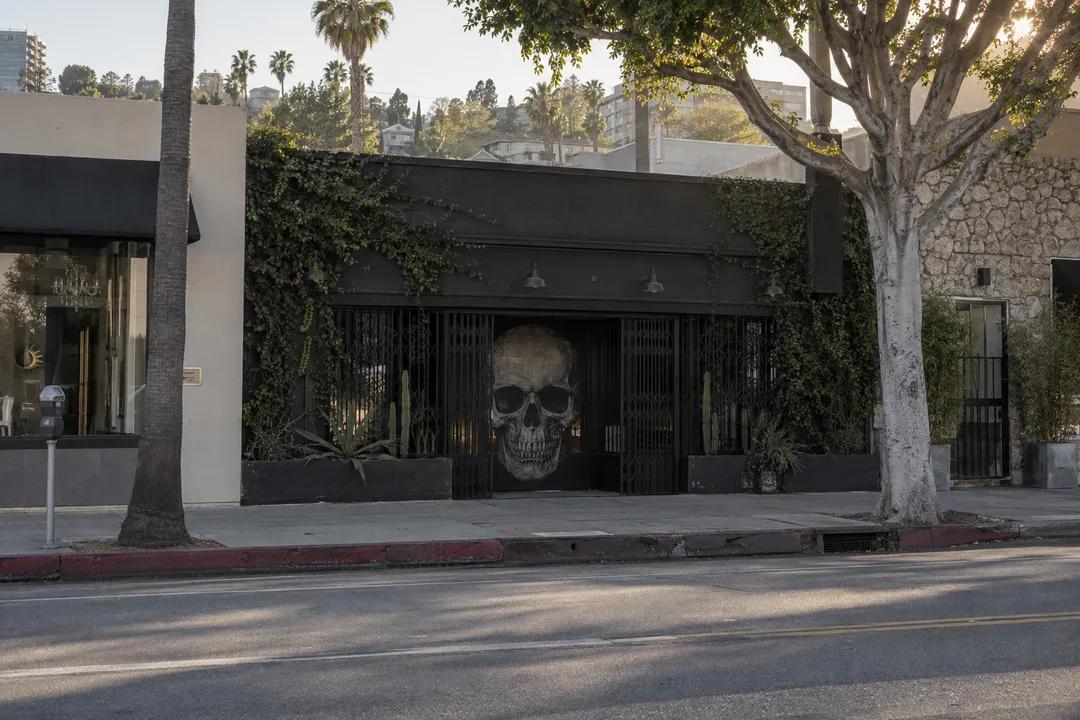
The Museum of Death in Hollywood presents a dense, adult-focused collection about mortality, memorial culture, forensic history, and the visual language of the macabre.
If you search oddities museum near me in Hollywood, the Museum of Death is a direct answer for adults interested in mortality, memorial traditions, and the visual history of the macabre. At 6363 Selma Avenue near Cahuenga Boulevard, the current Los Angeles location uses a dense sequence of rooms to place forensic artifacts, funeral culture, crime history, and personal memorial objects in one confrontational narrative. It is not a haunted house; the subject is real death and the ways people represent it.

Getting there is easiest by Metro B Line to Hollywood/Vine, followed by a walk west and south toward Selma Avenue and Cahuenga Boulevard. The current museum location at 6363 Selma Avenue sits in an active Hollywood neighborhood near theaters, restaurants, and late-day streetscapes. The setting makes it tempting to squeeze the visit between tourist stops, but the material rewards a slower pace. Arrive earlier in the day, when the blocks are less congested and the compact rooms are easier to navigate without a cluster forming behind you.
The Museum of Death's core story is about evidence and interpretation. Its displays bring together objects that were never designed to share a room: forensic instruments, historical documents, memorial art, funeral items, and representations of crime. The effect is intentionally overwhelming, yet the collection has a logic. Death appears as a medical fact, a social ritual, a public spectacle, and a private loss. Seeing those categories side by side reveals how quickly one person's tragedy can become another culture's image.
Start with the rooms that explain ritual and remembrance before moving into the harder forensic material. Funeral customs make the collection legible because they show how communities turn grief into objects, clothing, ceremony, and architecture. A mourning artifact can be formal or handmade, but each one answers the same need: to make absence visible. That context matters. Without it, an oddities museum can flatten every object into shock value; here the stronger reading is about human behavior.
The forensic displays are best approached as historical tools rather than novelty props. Instruments, diagrams, and case material show how investigators developed ways to classify evidence and tell a story from fragments. The museum does not ask visitors to admire violence. It asks them to confront the distance between an event and the record left behind. For visitors who study medicine, criminology, journalism, or visual culture, that distinction gives the collection more substance than its title suggests.
A second thread is the way popular culture borrows from death. Crime images, memorial graphics, newspaper language, and public fascination can make private suffering feel like a genre. The museum lets you notice that process without needing a separate lecture. Read the labels for tone, not just facts. Words such as spectacle, warning, curiosity, and remembrance often sit very close together, and that proximity is one of the most revealing parts of the visit.
The visiting rules are more important here than at a typical small museum. Keep a respectful volume, do not touch the displays, and do not treat sensitive material as a backdrop for jokes or staged portraits. The rooms are close together, so avoid stopping in doorways. The best queue strategy is simple: arrive near the 10am opening rather than the middle of the afternoon. A quiet start makes it easier to read the text and gives you control over how quickly you move.
General admission is $18, and the museum lists daily hours from 10am to 8pm. Budget more time than the storefront suggests; the collection is dense and emotionally tiring, even when you are interested in the subject. Eat before or after rather than planning a meal during the visit. The surrounding Hollywood blocks have plenty of options, and separating the museum from lunch gives the experience a cleaner beginning and end.
The visual atmosphere is intentionally plain and compressed. Dark rooms, close cases, and strong contrasts make the displays feel like an archive that has been assembled over time rather than a spacious contemporary gallery. That design can heighten the emotional effect, so take breaks when needed. A museum about death does not need to be consumed in one rush. The practical skill is pacing: read a room, step into the street, then decide whether you want to continue.
The museum opened in 1995 and has built its identity around collecting material that mainstream institutions often keep at the edge of their programs. That history explains the unusual range. The collection is not one discipline and not one national story. It is a record of how different communities turn death into objects, warnings, images, and rituals. The result can feel messy, but the mess is honest. Mortality does not arrive in neat museum categories.
Afterward, walk west toward the Hollywood & Highland area for a broad, public version of the neighborhood, or head south toward Sunset Boulevard for smaller restaurants and late-day streetscapes. Because the museum is now at 6363 Selma Avenue near Cahuenga Boulevard, you can make the surrounding Hollywood blocks part of the decompression route instead of treating the museum as an isolated stop. Hollywood Forever Cemetery is farther east and offers a separate outdoor history route. Keep the walk gentle after the museum.
Practical Notes: the Museum of Death is at 6363 Selma Avenue, Los Angeles, CA 90028, near Cahuenga Boulevard. Listed hours are daily, 10am to 8pm. General admission is $18. The subject matter is adult-focused and can be emotionally intense, so choose the visit for people who want a serious macabre collection. Wear comfortable shoes, leave room for a pause, and keep photography within the posted rules.
Choose this oddities museum near me when you want a direct, adult history of death's objects and images rather than a family-friendly curiosity cabinet. It suits visitors interested in forensic history, memorial design, crime reporting, and the cultural language of the macabre. It is not a casual stop for everyone in a mixed-age group. The reward is a more complicated understanding of how people collect, document, fear, ritualize, and remember mortality.
Ask Karpo for more information.
Keep reading
- Burbank Film Memorabilia Collector Shop Walk: Studio Stash
 Pasadena Film Memorabilia Collector Shop Walk: Classic Route
 Silver Lake Film Memorabilia Collector Shop Walk: Indie Lore