 Burbank Film Memorabilia Collector Shop Walk: Studio Stash
Hidden Gems & Odd Finds
Oddities Museum Near Me in Highland Park: Inside the LA Police Museum
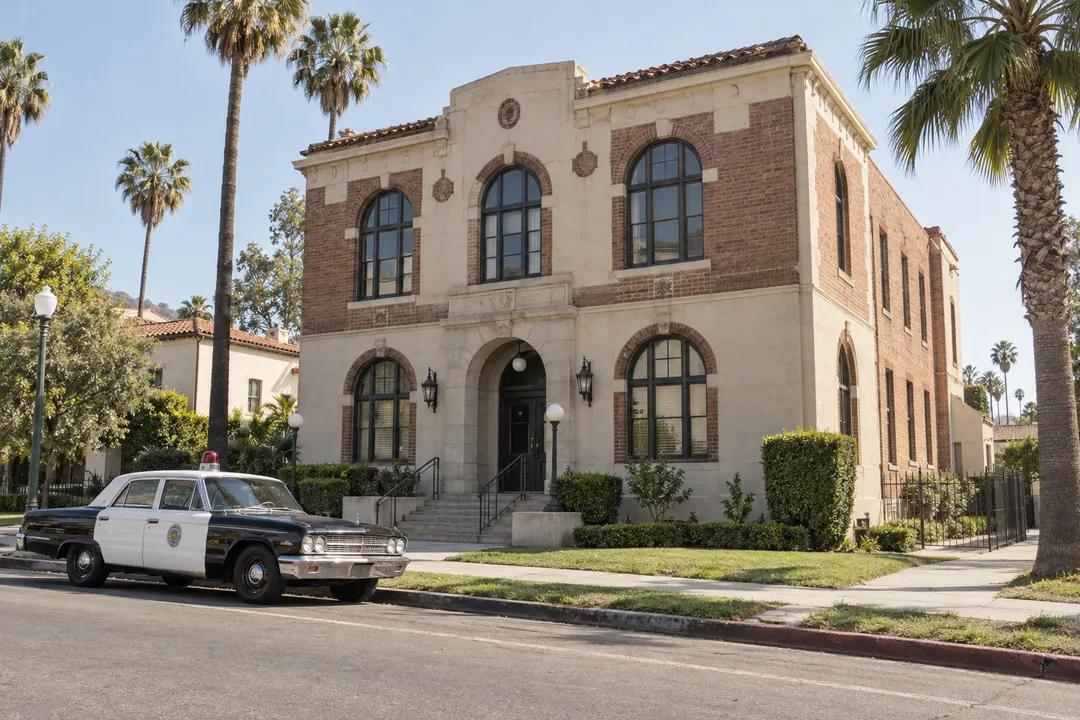
The Los Angeles Police Museum at 6045 York Blvd fills a 1925 Highland Park station house with jail cells, a bullet-scarred shootout car and LAPD case files; general admission is $10, it opens Wednesday to Saturday, 10:30am to 3:30pm, and every visit needs an online reservation.
Walk-ins are no longer accepted at the Los Angeles Police Museum, and that single rule shapes every visit to 6045 York Blvd in Highland Park. Reservations are made online, general admission is $10, and the doors open Wednesday through Saturday from 10:30am to 3:30pm, with the last guest let in at 2:30pm. For anyone typing oddities museum near me in northeast Los Angeles, few places are stranger than an old station house that still keeps its cells.
A Station House That Kept Its Cells
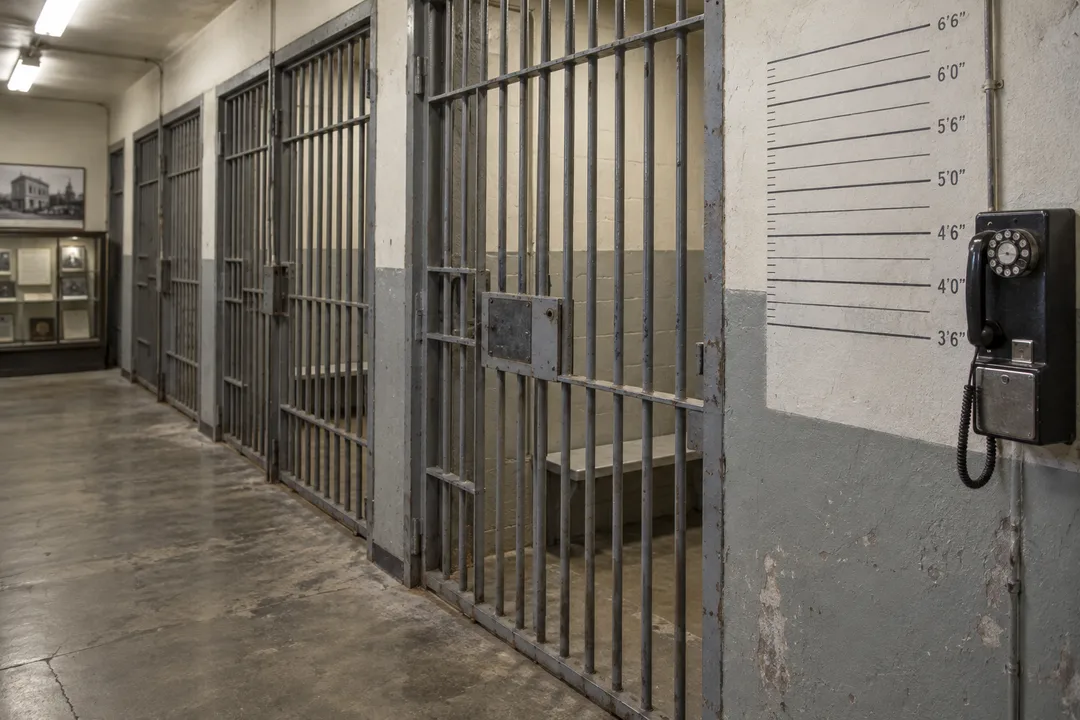
The museum fills a police station that Time Out and the family site Tinybeans both date to 1925, and the nonprofit calls it the historic Highland Park Police Station. Tinybeans counted three floors of exhibits. The jail block is the room most visitors remember, because you can step inside a cell, read the posted inmate rules and stand at the old mug shot spot. It feels less like a gallery than a building whose last shift never fully ended.
Reservations and the Afternoon Cutoff
The museum's own visit page says access is through online reservations only, Wednesday to Saturday. Same-day ticket sales stop in the afternoon, nobody is admitted after 2:30pm, and staff begin a house sweep at 3:15pm to close the exhibits. That leaves roughly an hour if you arrive late, which is not enough for both floors and the vehicle yard. Book a 10:30am or 11:30am slot and you will have room to read the case panels properly.
Ticket Prices
General admission for ages 21 to 61 is $10, seniors 62 and up pay $9, students from middle school through college pay $7, and children 6 to 12 pay $5. Kids five and under enter free, and members do not pay at all. The gift shop store lists the same categories on its ticket page. A Regular Membership runs $48 a year and includes anytime admission for the card holder, so a local who returns five times a year comes out ahead.
The North Hollywood Shootout Room
The museum's exhibit list includes the February 28, 1997 North Hollywood shootout, when two heavily armed and armored bank robbers, Larry Phillips Jr. and Emil Matasareanu, fought LAPD officers outside a bank. Time Out described the original vehicles and disguises used by the robbers on display. Tinybeans noted a video of the gunfight that may be playing upstairs, and warned that it is intense for small children. Adults who grew up with the live television footage tend to linger here longest.
The Onion Field Case
Another exhibit retells The Onion Field, the 1973 nonfiction book by Joseph Wambaugh, who was an LAPD sergeant when he wrote it. The museum summarizes the case as the kidnapping of two plainclothes officers by a pair of criminals during a traffic stop, and the murder of one of them. It is a quieter room than the shootout gallery, built around documents and photographs, and it rewards visitors who already know the book or the 1979 film adaptation.
Adam-12 and Television Policing
Pop culture gets its own corner. The museum notes that Adam-12 debuted in the fall of 1968, created by Bob Cinader and driven by Jack Webb of Dragnet. It quotes Kent McCord, who played Officer Jim Reed, saying fans often tell him they became police officers because of him. The display is a good reminder that much of the country met the LAPD through a television set long before seeing the department in person.
Helicopter, Motorcycle and the Vehicle Yard
Outside, Tinybeans described a yard of retired police vehicles that includes a helicopter children can climb into, old patrol cars, battering rams, horse transport vans and bomb trucks, plus a car that was really in a shootout, bullet holes and all. Time Out mentioned climbing aboard a police helicopter or a CHP motorcycle. Leave time for this part, because younger visitors usually want more of it than the indoor galleries.
Who You Will Meet Inside
The crowd is a mix you rarely see at one museum. Families arrive with kids who want to play cop in the jail cell. True crime fans come for the shootout and the case files. Retired officers and their relatives come to find names, and the gift shop sells a 150th Anniversary Yearbook for $75, available only to active or retired law enforcement personnel and their immediate families. Everyone else should skip asking for it at the counter.
A Museum Founded in 2001
The Los Angeles Police Museum was founded in 2001 as a nonprofit to collect, preserve and interpret the history of the department, and it also runs a Community Education Center in the same historic building. The museum says it is currently carrying out an extensive inventory of its archives and artifacts and has paused accepting new donated items while that work continues. Its exhibit text also notes that the Board of Police Commissioners was established by the City Charter effective July 1, 1925.
The Memorial Brick Wall
One of the quieter details is the Brick Wall of Remembrance. Supporters can buy an inscribed brick, and the $500 Sustaining Membership includes one placed in the wall. Reading the names takes only a few minutes, but it shifts the tone of the visit away from movie props and toward the officers and families who still treat the building as part of their own history. It is worth a pause on your way out to the parking lot.
Groups, Parties and Large Tours
Parties of eight or more must RSVP at least two weeks ahead by emailing info@lapolicemuseum.org. A birthday group or scout troop that turns up without that notice will not get in, since walk-ins are no longer taken. Smaller households book online like everyone else, and a weekday slot leaves more space to linger in the cells.
Getting There and Parking
The building sits on York Boulevard in Highland Park, a short drive from the 110 and the 2 freeways. Free parking is available on both the east and west sides of the building, which makes driving the simplest plan and removes the usual Los Angeles parking math. The museum lists itself as wheelchair accessible with a ramp and an elevator, so visitors who cannot manage stairs can still reach the upstairs galleries.
After the Museum: Highland Park Bowl
For a second stop with its own odd history, drive down to Highland Park Bowl at 5621 N. Figueroa St. The bowling alley was established in 1927, during Prohibition, when patrons could pick up a doctor's note for medicinal whiskey upstairs and fill it at the pharmacy downstairs. It is all ages before 8pm and 21 and over after 8pm. Pair the two and you have a full afternoon of 1920s Los Angeles.
What to Skip and What to Bring
Skip the upstairs video room if you are visiting with preschoolers, and head straight to the cells and the yard instead. Bring a phone or camera, because the jail block is where most visitors take photos. Plan on about two hours for both floors and the vehicles. If your preferred Saturday slot is gone, take a weekday; the museum has no evening hours, so there is no after-work option.
Who This Museum Suits
This is the right pick for true crime readers, families with children who love emergency vehicles, and anyone who remembers the 1997 news coverage. It is less suited to visitors looking for a polished, interactive science-center experience, since many displays are panels, photographs and original artifacts. For a strange, specific slice of Los Angeles history in a real station house, it is one of the best-value tickets in the city.
Ask Karpo for more information.
Keep reading
- Burbank Film Memorabilia Collector Shop Walk: Studio Stash
 Pasadena Film Memorabilia Collector Shop Walk: Classic Route
 Silver Lake Film Memorabilia Collector Shop Walk: Indie Lore