The Geography of Discretion
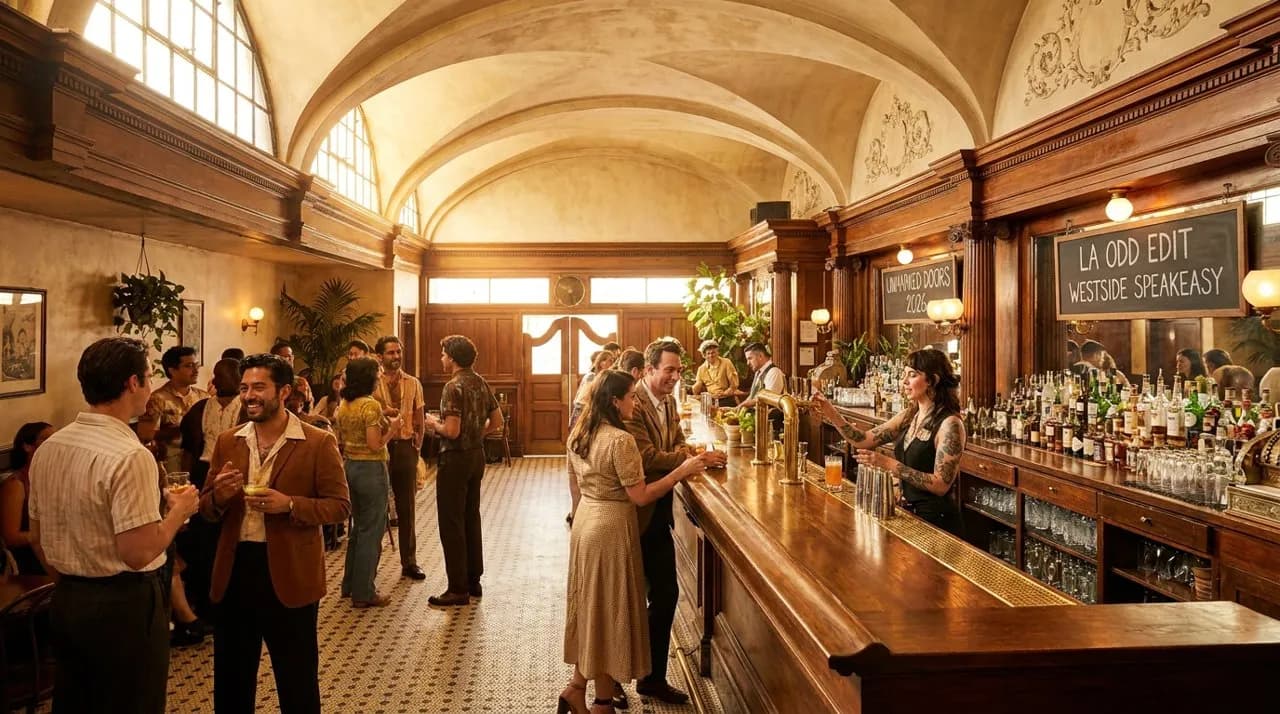
The Westside's speakeasy resurgence isn't happening in a vacuum. Between Venice, Santa Monica, Culver City, and Mar Vista, a network of deliberately obscure drinking establishments has emerged over the past several years, each committed to the notion that visibility isn't virtue. Unlike their Downtown or Hollywood counterparts—often marked by velvet ropes and publicists—these westward hideaways lean into genuine anonymity. You'll find them tucked behind taco shops, accessible through vintage phone booths, or camouflaged as laundromats. The common thread isn't gimmickry but a quiet insistence that discovery should feel earned, that a bar worth visiting is worth looking for.
This westward drift of speakeasy culture reflects broader demographic shifts. As creative industries and hospitality professionals have migrated from central LA toward beach-adjacent neighborhoods with marginally more reasonable rents, they've brought a taste for intimate, design-conscious drinking spaces. The Westside's speakeasies tend toward smaller footprints—forty to sixty seats rather than sprawling rooms—and prioritize regulars over bridge-and-tunnel crowds. They're neighborhood bars that happen to be hidden, rather than attractions that happen to serve drinks.
Venice Alley Culture and Coastal Concealment
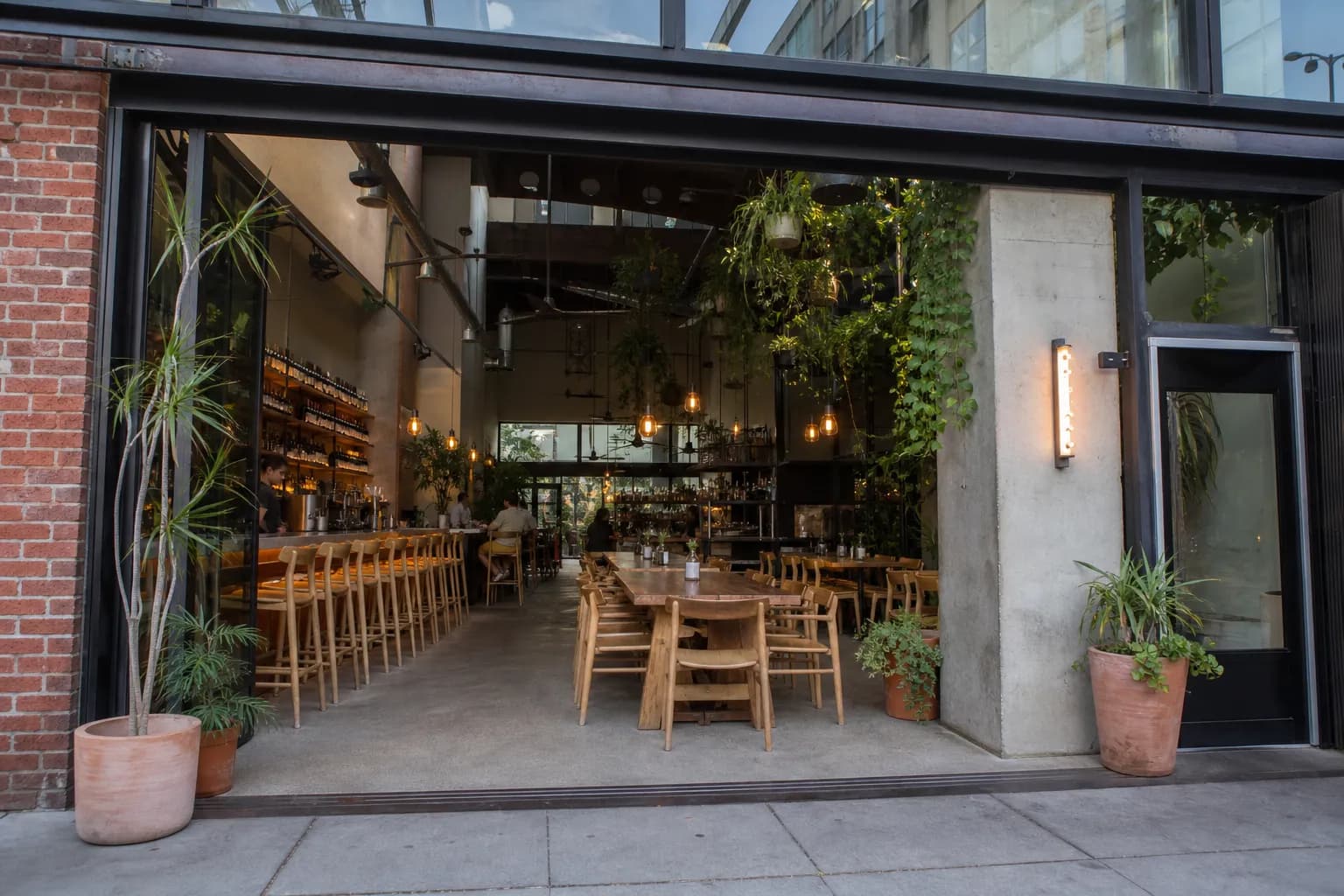
Venice Beach's labyrinthine alleyways and walk-street architecture make it natural speakeasy territory. The neighborhood's history of counterculture and artistic squatting translates surprisingly well to modern cocktail culture. Several bars operate in spaces that once housed artist studios or illegal poker rooms, maintaining a lineage of discreet gathering. While specific addresses shift as leases change and concepts evolve, the Venice approach favors industrial aesthetics—exposed brick, Edison bulbs, reclaimed wood—paired with serious beverage programs that skew toward agave spirits and California wines.
The coastal proximity influences more than real estate. Westside speakeasies often emphasize lighter, citrus-forward cocktails that acknowledge the climate. You're less likely to find the brown-spirit-heavy menus common in colder cities, more likely to encounter mezcal variations, sherry-based aperitifs, and seasonal produce from nearby Santa Monica farmers markets. The best Venice-area hidden bars maintain relationships with local distillers and frequently feature spirits from Los Angeles County producers, creating a distinctly regional drinking experience despite the borrowed speakeasy format.
Santa Monica's Storefront Secrets
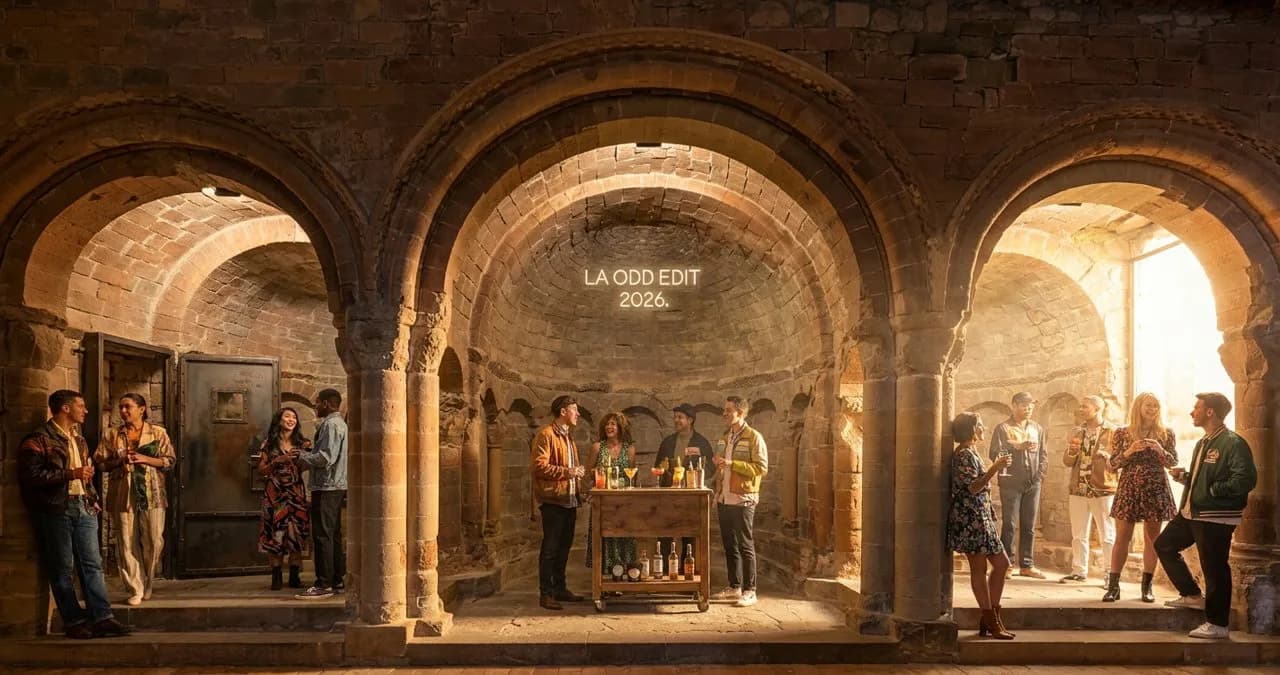
Santa Monica's commercial corridors—particularly along Wilshire, Pico, and the numbered streets south of Montana—hide several establishments behind purposefully mundane exteriors. The strategy here differs from Venice's alley obscurity. These bars often share space with or disguise themselves as legitimate retail operations: vintage boutiques, flower shops, or consultancy offices. The door might be genuinely unmarked, or it might bear the name of a business that closed in 1987, purchased purely for the signage authenticity.
Santa Monica's stricter noise ordinances and residential proximity mean these venues skew quieter than their Venice counterparts. Expect lower music volumes, conversation-friendly acoustics, and earlier closing times—often midnight rather than 2 AM. The clientele tends slightly older, the dress codes marginally more enforced. Several Santa Monica speakeasies operate on reservation-only or members-first models during peak hours, though walk-ins are typically accommodated on weeknights. This isn't exclusivity for its own sake but capacity management in spaces that genuinely can't accommodate crowds without violating the intimate atmosphere that justifies their existence.
Culver City's Industrial Transformation
Culver City's evolution from studio back-lot to design district created ideal conditions for hidden bars. The neighborhood's warehouse spaces and former manufacturing buildings offer the square footage and architectural bones that speakeasy operators prize. Several establishments occupy structures that once served the film industry—prop storage, editing facilities, costume workshops—and retain design elements that reinforce the concealment narrative.
The Culver City speakeasy experience tends more theatrical than its beach-town equivalents. You might encounter password systems, costumed staff, or elaborate entry rituals involving specific items or phrases. Critics dismiss this as theme-park hospitality, but done well it provides genuine delight—a brief suspension of 2026's anxieties in favor of atmospheric escapism. The drinks here often reflect that showmanship: smoking cloches, tableside preparations, custom ice programs that border on sculpture. It's speakeasy as performance art, which feels appropriate given the entertainment industry roots that still anchor much of Culver City's identity.
The Economics of Invisibility
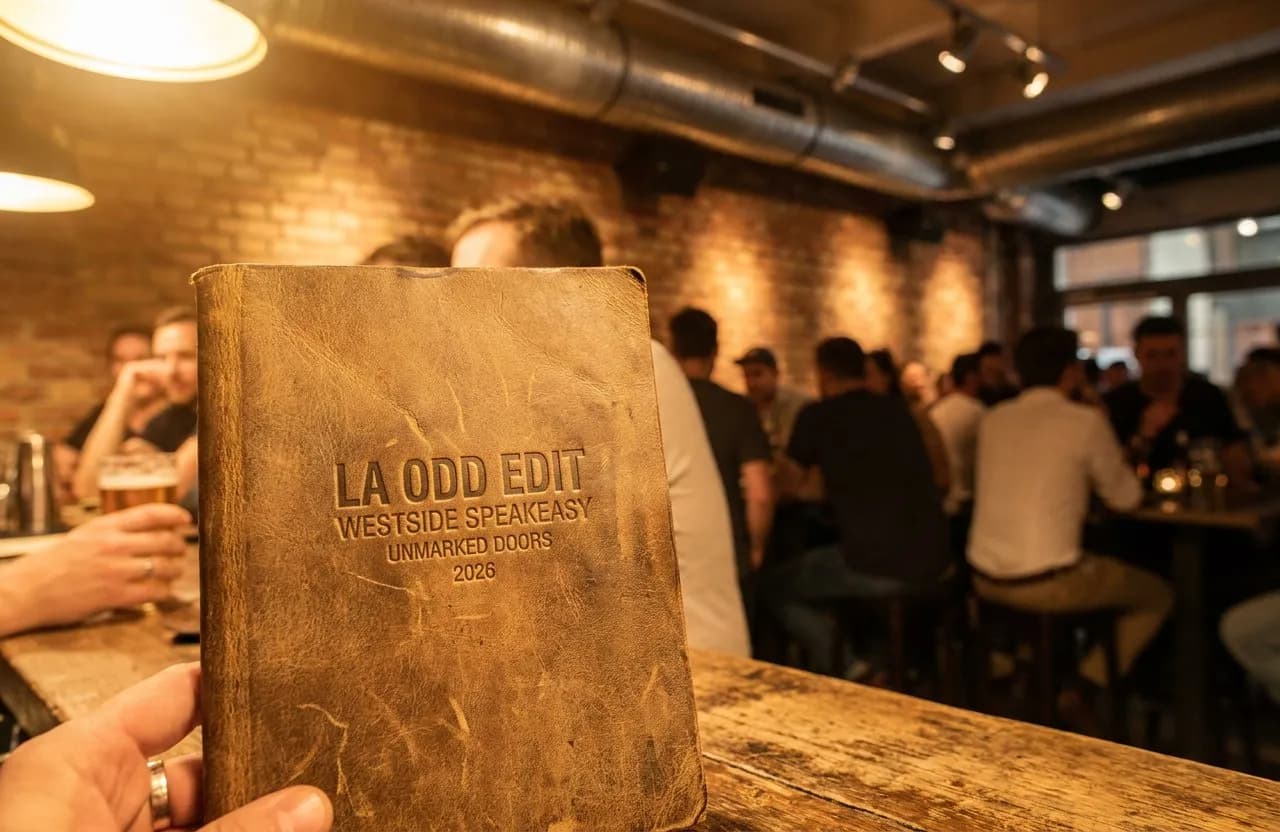
Operating an unmarked bar presents distinct business challenges. Without storefront visibility or street-level foot traffic, these establishments rely entirely on word-of-mouth, social media whispers, and hospitality-industry recommendations. Marketing requires a delicate balance—enough information to be findable by the interested, insufficient detail to preserve mystique for the uninitiated. Many maintain minimal or intentionally cryptic Instagram presences, while others avoid social media entirely, depending on organic discovery and media coverage to build awareness.
The financial model typically depends on higher per-customer spending. Without casual drop-ins, every guest must order enough to justify their space. This explains the premium pricing common at Westside speakeasies—eighteen to twenty-two dollars for cocktails isn't unusual, with wine and spirit selections weighted toward boutique producers and allocated bottles. The calculation is straightforward: smaller capacity requires higher margins. In return, customers receive genuinely skilled bartending, quality ingredients, and environments where conversation doesn't require shouting. For the right clientele, the exchange is worthwhile.
What Replaces the Velvet Rope
The democratic promise of speakeasy culture—that anyone who finds the door is welcome—bumps against practical realities. Without visible lines and bouncers, these bars employ subtler gatekeeping mechanisms. Dress codes are rarely posted but quietly enforced. Reservations systems favor repeat customers. Staff develop sophisticated radar for guests who'll respect the space versus those seeking Instagram opportunities or bachelor-party chaos.
This creates tension between inclusivity and curation. The best Westside speakeasies manage it through genuine hospitality rather than arbitrary exclusion—educating rather than ejecting, setting expectations clearly, and maintaining standards without sanctimony. The worst devolve into pretension, where obscurity becomes excuse for rudeness and hidden locations justify inflated self-importance. The difference often comes down to whether a venue views its unmarked door as invitation to discovery or barrier to entry. One approach builds community; the other merely builds ego.
Practical Notes
Before seeking Westside speakeasies, verify current operations through recent reviews or hospitality forums, as these establishments open and close with some frequency. Many operate limited schedules—Thursday through Saturday only, or by reservation outside peak hours. Parking in Venice and Santa Monica requires patience; ride-sharing or cycling is advisable. Dress codes vary but lean toward smart-casual minimum; beach attire is typically unwelcome regardless of proximity to the ocean. Solo travelers are generally accommodated but groups larger than four should call ahead. Cash is occasionally required despite the era, as some venues avoid credit card processing for various operational reasons. Phone numbers and reservation systems aren't always published—check whether an establishment maintains Instagram presence or relies on partner-restaurant booking channels. Prices reflect location and overhead, so budget accordingly: expect to spend sixty to eighty dollars per person for two cocktails and shared bites. Most importantly, respect the discretion that defines these spaces. Photographs may be discouraged, volume should remain conversational, and locations are best shared selectively rather than broadcast widely.
Tags: #WestsideLA #SpeakeasyBars #VeniceBeach #SantaMonica #CulverCity #HiddenBarsLA #CocktailCulture #LANightlife #UnmarkedDoors #CraftCocktails #TheOddEdit #SecretBars #LABarScene #NeighborhoodBars #SpeakeasyCulture
Sources consulted: Westside LA — Wikipedia · Speakeasy history — Wikipedia · Eater LA bar guide · Time Out LA bars · City of Santa Monica official site
All trademarks are the property of their respective owners.