 Burbank Film Memorabilia Collector Shop Walk: Studio Stash
Hidden Gems & Odd Finds
Arts District Neighborhood Stationery Hop Route After Lunch
The Arts District stationery hop route suits a flat afternoon walk from Mateo Street galleries to Traction Avenue lofts. Bring a sketchbook for the light.
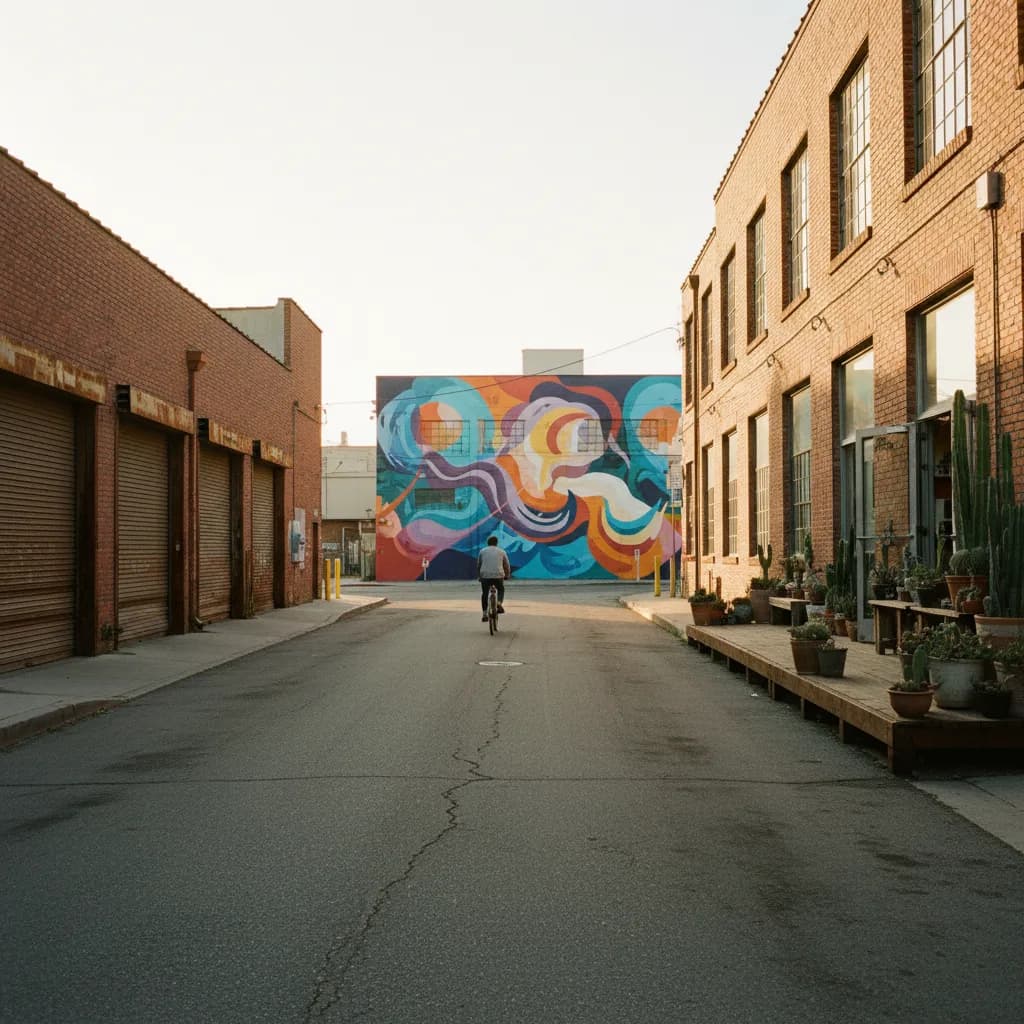
An Arts District stationery hop route is built for the afternoon, when you have already had lunch, the warehouse streets are warm and the light starts to slide across the brick. This corner of downtown Los Angeles is flat, wide and full of working studios, so the paper you find here leans toward the tools of making: sketchbooks, art supplies, zines and printed matter. Plan a loose loop from the Mateo Street galleries up toward Traction Avenue, and keep a pen in your pocket the whole time.
What Makes Arts District Paper Shopping Different
The Arts District was a rail and produce warehouse zone long before it filled with lofts, and those industrial bones shape everything here. Shops sit behind roll-up doors and on old loading docks, and a lot of them mix categories freely. A design store might carry imported notebooks next to ceramics, while a gallery bookshop sells small-press zines beside exhibition catalogues. The joy of the route is discovering paper goods in places that do not call themselves stationery shops at all.
Because so many residents are working artists, designers and architects, the taste here runs practical and graphic. Expect heavy drawing pads, grid notebooks for planning, risograph prints in bright inks and tools you would use in a studio rather than on a gift table. If your goal is wedding stationery or floral greeting cards, another neighborhood will serve you better. If you want something that makes you want to draw, this is the right part of town.
The scale is different too. Blocks are long and sidewalks are wide, which means the hop has more walking between stops than a dense shopping street. That is a feature, not a flaw. The walk between doors takes you past murals, loading docks and old rail spurs, and those in-between stretches are where you will reach for your sketchbook most often, especially if you bought it twenty minutes earlier.
Starting on Mateo Street Among the Galleries
Mateo Street and the blocks around it hold a cluster of large warehouse galleries, design showrooms and restaurants, so it makes a comfortable trailhead after lunch. Start by wandering through any gallery that is open to walk-ins. Many keep a small shelf of artist books, exhibition posters and postcards near the front desk, and these are some of the most distinctive paper souvenirs in the city because they are tied to a specific show.
Treat this first stretch as research. Notice which artists, printmakers or publishers keep appearing, and look at how prints and cards are packaged. You will often see the same small studio names crop up in different shops across the district, which tells you who is active locally. Jot those names in a notebook so you can look for their work later in the route or ask about them at the next counter.
If you are walking with someone who is less into paper, the galleries keep the afternoon balanced. One person can browse a shelf of zines while the other looks at a large installation. Swap after a few minutes. A good Arts District hop is half art walk and half shopping, and the mix keeps the afternoon from turning into a checklist.
Walking North to Traction Avenue
From Mateo Street, work your way north and west through the grid toward Traction Avenue, one of the older streets of the district with lofts, small shops and cafes along a gently curving block. The route between them crosses wide avenues with truck traffic, so take the crosswalks and do not rush. Along the way you will pass mural walls that change every so often, which makes each visit feel slightly different from the last.
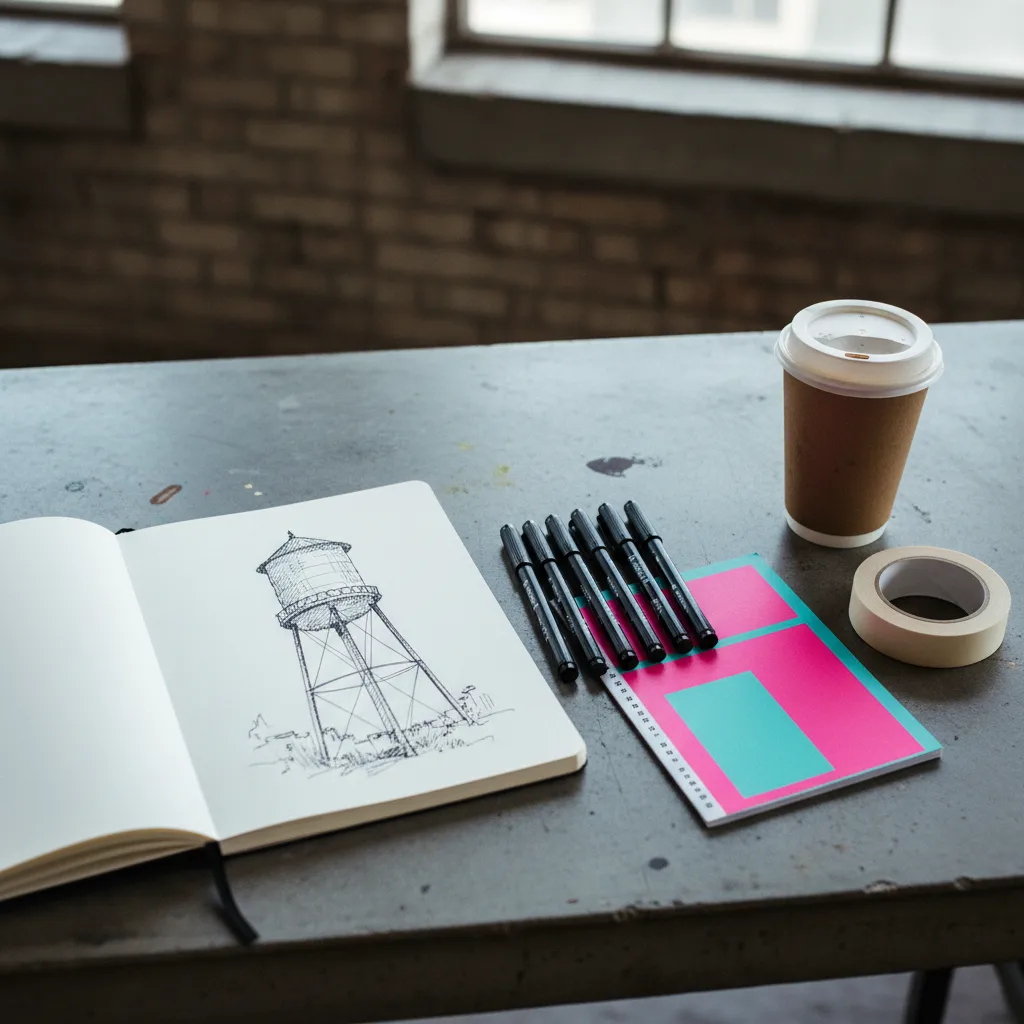
Traction Avenue is a good place to slow down and sit. Find a cafe table with a view of the street, order something cold, and unpack whatever you have picked up so far. This is the moment to test new pens on new paper. Fountain pen fans should look for how the ink feathers or bleeds, and sketchers can try a quick study of the street to see how a pad handles pencil and wash.
If you still have energy, the side streets around Traction and the nearby blocks hide smaller studios and pop-ups that open irregularly. Some host weekend markets where printmakers and zine makers sell directly, and those tables are where you will find the most personal work. Keep some small bills on hand for these, and be ready to chat. Makers here usually enjoy explaining their process.
Timing the Hop for Light and Crowds
Weekday afternoons are calm in the Arts District, with fewer people on the sidewalks and more chance to talk to shop staff. Weekends bring brunch crowds, photoshoots against the murals and occasional markets, which can be fun but slows everything down. If you prefer quiet browsing, go on a weekday and finish with a drink as offices empty out. If you want the energy and the pop-ups, a Saturday afternoon is the better pick.
The light is a big part of why the afternoon works. As the sun lowers, it rakes across the brick and turns the murals warm, and the long shadows make even simple street sketches look dramatic. Photographers and sketchers often time the last stop so they can step outside right as the light peaks. Plan a final cafe or gallery close to a mural wall so you do not miss it while walking.
Using Karpo APP to Build an Arts District Loop
Stores in the Arts District open, close and shift focus often, and gallery shops rotate stock with each exhibition. Rather than relying on an old list, ask Karpo APP for independent stationery, art supply, bookshop and gallery options near where you are standing, and for a cafe that is good for a long sit with a sketchbook. Use what it suggests as a map, then let the street lead you.
You can also describe the afternoon you want, such as a two-hour sketch walk with one coffee stop, and ask Karpo for a route idea around Mateo Street and Traction Avenue. If you want to extend the walk, it can suggest options in Little Tokyo next door, where Japanese stationery is easy to find. Contact a shop directly if you are hunting for a specific product before you travel.
Practical Notes for the Arts District Hop
Plan for two to three hours with gallery stops and a cafe break. Paid lots and street parking are scattered across the district, and rideshare drop-offs work well on the quieter streets. Wear comfortable shoes because the blocks are long, and bring a sturdy tote for heavy sketchbooks. A small pencil case with a few pens and a pencil lets you test paper on the spot. Carry water on warm days, since shade can be scarce between buildings.
Ask Karpo for more information.
Keep reading
- Burbank Film Memorabilia Collector Shop Walk: Studio Stash
 Pasadena Film Memorabilia Collector Shop Walk: Classic Route
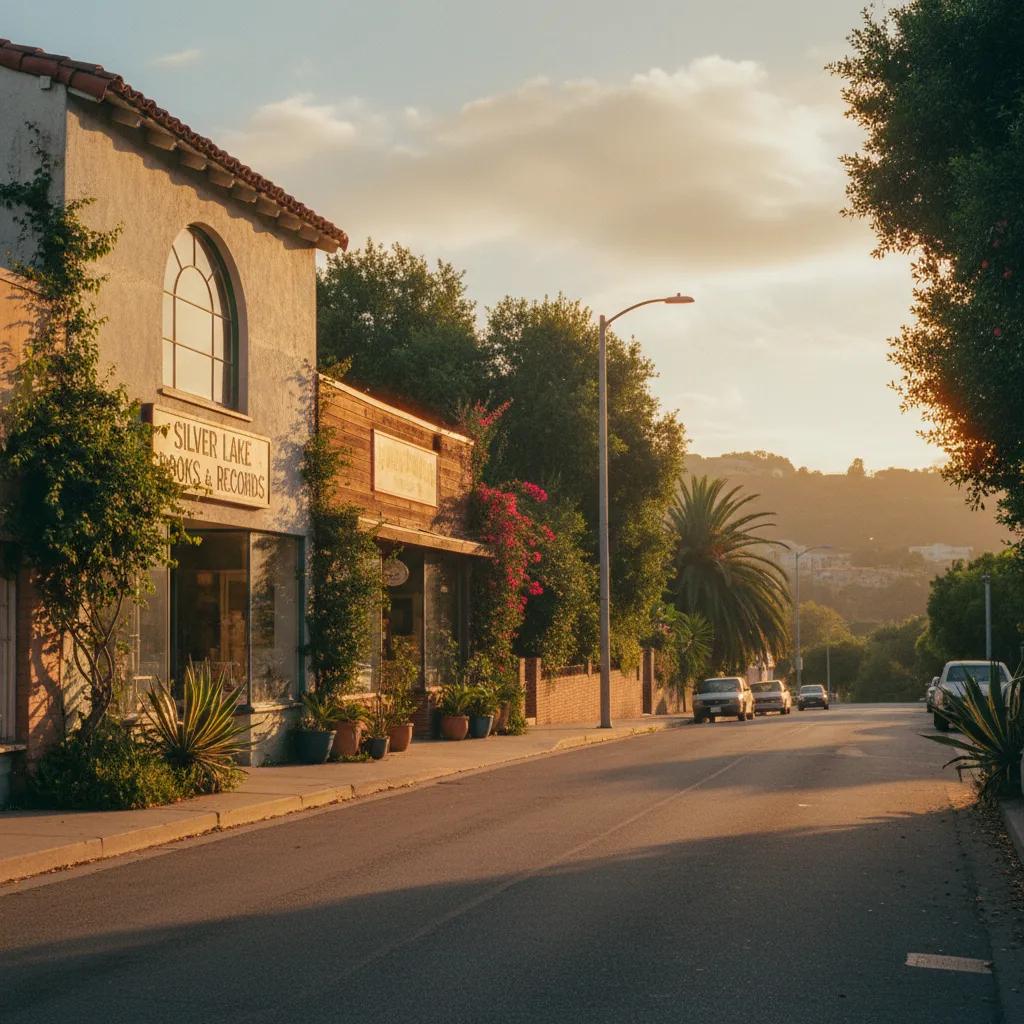 Silver Lake Film Memorabilia Collector Shop Walk: Indie Lore