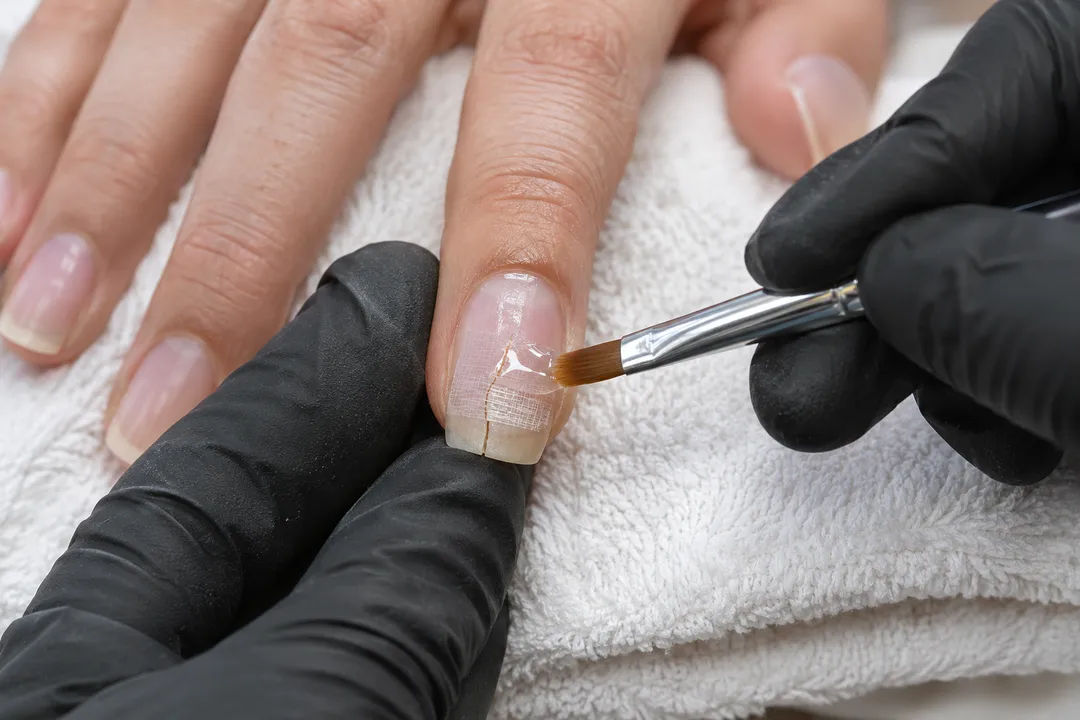
 Los Feliz Nail Salon Walk In Finder for Broken Nail Repair
Neighborhood Guides

LA Neighborhood Itinerary Builder: 3 Stops Without a Car
Plan an LA neighborhood outing without a car by choosing the arrival point first, limiting extra transfers, and keeping the departure decision clear.
A car-free LA neighborhood outing is easiest to plan when the arrival point comes before the list of places. Tell the Karpo APP where you intend to begin, what you want to do within one area, and how you expect to leave. A neighborhood itinerary builder conversation can then focus on three useful parts: the main stop, a walk or browse nearby, and a finish that supports departure. This is a way to organize recommendations, not a transit timetable or a promise of connections.
Choose one part of the city to enjoy
An outing without a car does not need to imitate a driving tour. Start with one neighborhood interest that would make the journey worthwhile: a meal, a kind of browsing, or time spent outdoors. If you already know the district, name it. If you are choosing between areas, explain your priorities and ask for a small comparison. Limit the decision to what you can meaningfully assess. A long list spread across LA makes the planning problem larger without necessarily making the afternoon better.
Try an opening request like: “I want an LA neighborhood afternoon without a car. I care most about a relaxed meal and a short walk afterward. Help me choose one area rather than combine several distant destinations.” Add the general point from which you expect to arrive if it helps frame the suggestions. This tells Karpo what kind of plan you want. It does not establish that the product has calculated a current transit journey or knows the exact service you will use.
Separate getting there from being there
The journey to the neighborhood and the activities inside it are related decisions, but they use different information. You may already have an arrival arrangement and simply need ideas nearby. Or the appeal of an area may help you decide whether the journey is worthwhile. Be clear about which question you are asking. A recommendation for a cafe or street does not prove that a convenient service stops there or that a transfer will work at your chosen time.
Keep actual departure times, fares, and service arrangements in the travel decision where they belong. This article supplies no route numbers or schedules. Once you have an arrival point in mind, describe it as the beginning of the outing rather than using a distant landmark as a vague substitute. The closer your starting description is to your real situation, the easier it is to judge whether suggested activities make sense. You can reject a possibility that would require another substantial journey.
Define what a short walk means to you

“Walkable” is not a complete instruction. State whether you want to avoid long uninterrupted stretches, minimize stairs, or have opportunities to pause. Someone who enjoys walking may welcome a wider circuit, while a companion may prefer a compact visit with a seated break. Describe both preferences if you are planning together. A conversational suggestion should not be treated as an accessibility certification or a measured walking route, especially when a particular entrance or connection matters to participation.
Ask for reasons as well as places. For example: “Explain how the main stop and the browse fit the same outing, and leave out anything that adds another transfer.” The explanation can reveal whether the recommendation actually follows your constraint. A place with the right theme may still belong on another day. Keep the strongest activity and simplify the surroundings before replacing the whole plan. That protects the reason you wanted to visit while reducing effort that contributes little.
Make the main stop worth the journey
A car-free outing feels more satisfying when the main activity is clear enough to stand on its own. Choose the meal, browse, or outdoor interest you would still value if you removed every extra. Then let other parts support it. If food is the anchor, describe your preferences before asking for suggestions. If an exhibition or event is the point, its actual access conditions are separate facts that need support. A compelling description cannot substitute for those conditions.
Avoid stacking commitments with no room between them. A scheduled activity, a meal reservation, and a firm departure can turn a modest outing into a sequence of deadlines. When you have one fixed commitment, tell Karpo which other choices can move or disappear. Ask for a version that preserves that priority. The conversation can help organize the tradeoff, but it should not be mistaken for a booking confirmation, a table hold, or an assurance that you will arrive on time.
Keep the last part close to the decision to leave
The final stop deserves attention because it affects how the afternoon ends. An appealing extension that draws you away from your intended departure area may be inconvenient even if it fits the theme. Ask for a finish that supports the journey you have chosen. You might prefer a last seated pause before leaving or simply a short walk toward your departure point. Those are personal preferences, not evidence of a specific stop's facilities or transport access.
If your energy changes, remove the extension first. A useful message is: “Keep the main visit, shorten the rest, and help me think of a clear finish.” You can make that decision before moving farther away. Do not add a second neighborhood merely because the first activity ended sooner than expected. Finishing with time and energy remaining can be a good result. The aim is an enjoyable local visit, not proving that you extracted the maximum number of destinations from the journey.
Plan together without assuming identical travel
Companions may arrive from different directions or leave at different times. Agree on the shared activity and let each person retain responsibility for their own travel arrangement. A meeting point should be specific enough for the people using it, without assuming that a neighborhood name is sufficient. You can ask Karpo to help shape the shared portion of the outing while keeping individual journeys separate. That is more manageable than making everyone's route part of one sprawling itinerary.
Carry only what suits the visit, especially if you expect to walk between activities. Purchases that are heavy or awkward may belong at the end, or on another outing entirely. Tell the conversation when browsing should remain a look rather than a shopping task. If someone needs to leave early, keep that change simple and agreed. There is no reason to preserve a final stop that would complicate a companion's departure or turn a comfortable afternoon into a hurried one.
Practical Notes
Start with your intended arrival area, one activity worth the trip, and a departure preference. State physical needs directly and distinguish fixed commitments from optional ideas. Any stop count or duration you suggest is an illustrative personal boundary. It is not a product calculation of distance, travel time, or accessibility. Leave unsupported fares, schedules, venue hours, and precise walking claims out of the plan. A clear structure remains useful even when it contains fewer details than a fully specified travel itinerary.
Karpo's public website invites conversational local discovery and lists Los Angeles among its cities. This article uses that entry point to express a car-free preference, without claiming live transport tools or automatic route optimization. Its images are generated illustrations of an urban outing. Open the Karpo APP with the place you expect to begin and what you would enjoy doing there. Choose a compact first version, and keep the journey home as visible in your thinking as the activity that brought you out.
Ask Karpo for more information.
Keep reading
- Los Feliz Nail Salon Walk In Finder for Broken Nail Repair
 Highland Park Nail Salon Walk In Finder for Retro Manicures
 Koreatown Nail Salon Walk In Finder for K-Beauty Nail Looks