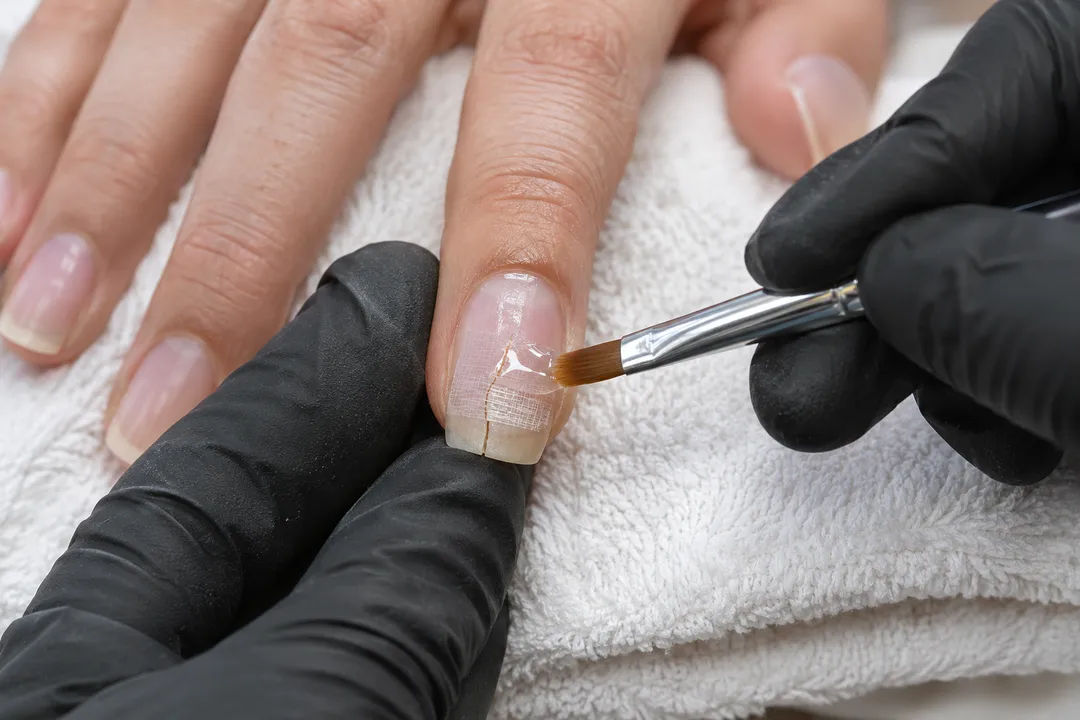
 Los Feliz Nail Salon Walk In Finder for Broken Nail Repair
Neighborhood Guides

LA Neighborhood Itinerary Builder: Meet in 3 Simple Stages
Plan an LA neighborhood afternoon for staggered arrivals: enjoy a solo opening, agree on a meeting point, and save the shared experience for everyone.
When friends reach an LA neighborhood at different times, plan around a shared meeting point before choosing the rest of the afternoon. Tell the Karpo APP who arrives first, when the others expect to join, and which experience everyone wants to share. A neighborhood itinerary builder conversation can then divide the outing into three parts: an independent opening, an agreed meeting, and the activity together. Keep those parts distinct so the early arrival can enjoy the extra time without taking the group plan with them.
Give the early arrival a complete small outing
Someone who arrives first should have something pleasant to do without needing the others to hurry. Think of that opening as a small experience with its own ending. It might be a browse, a drink, or simply time outside, depending on the person's interests. Describe the desired level of commitment. A time-sensitive attraction would create a different problem from a casual wander. In this example, the preference is for an activity that can end when the group is ready to meet.
An opening message could be: “I will reach our chosen LA neighborhood before my friends. Help me find a relaxed solo activity, then suggest how to shape the afternoon once everyone is together.” Include the actual neighborhood and the arrival arrangement you know. If you only have a rough expectation, label it as your estimate. The conversation should start from what the group has agreed, rather than converting an uncertain arrival into a precise timetable.
Choose the meeting convention together
A useful meeting point is one everyone can identify and agree to reach. The group should decide what counts as having arrived: standing at an entrance, reaching a particular corner, or joining someone at the main activity. A broad district name is usually too vague for that agreement. This article names no meeting location. Use the exact place you and your friends select, then carry that agreement into the planning conversation so suggested activities have a meaningful anchor.
Consider what the first person is expected to do while waiting. If the group wants to eat together, the early arrival may prefer an opening activity that does not become a second meal. If someone is bringing a bag, a purchase-heavy browse might be inconvenient. Those are ordinary details you can communicate to Karpo. Neither a request nor an image establishes that a venue provides seating, storage, or a waiting area. Keep any essential facility requirements explicit.
Protect the experience everyone wants

Ask the group which part they would be disappointed to miss. That is the shared activity to preserve. The early arrival can choose something complementary rather than using up the main experience alone. For example, if the group wants to discover a kind of food together, an independent architectural wander may be a better opening than eating that food first. This is a fictional planning example, with no cuisine or neighborhood claimed to offer particular businesses.
You can phrase the distinction directly: “Save the meal for all of us. My solo opening should be something else.” If the shared priority is browsing, reverse the instruction. This gives the conversation a reason for the order of activities. It also makes it easier for you to reject an appealing suggestion that belongs in the wrong part of the day. A recommendation can be good in isolation and still undermine what the group intended to share.
Set a handoff rather than a moving target
The early person's activity should return attention to the meeting agreement. Continually choosing another block to explore can turn that agreement into a pursuit. Decide how you will communicate when it is time to meet, using whatever arrangement the group prefers. That communication is a human agreement here. The article does not describe automated location sharing, arrival tracking, or notifications from Karpo. The planning conversation can be useful without assuming any of those features.
If the arrival changes, update the current situation in a fresh message. “My friends expect to be later, and I have finished my first activity” gives the next request a clear starting point. Ask for one worthwhile way to use the additional gap, and keep the agreed meeting place intact if it still works. Avoid adding a distant must-do merely because more time has appeared. The extra activity should be easy for you to abandon when the shared outing begins.
Let the late arrival enter without catching up
The group portion should make sense to someone who missed the beginning. You can tell a friend about the first browse without requiring them to repeat it or hear a detailed report before the meal. A shared activity with its own purpose helps everyone enter the afternoon on equal terms. Ask Karpo for suggestions that fit that purpose. Mention the interests of the joining people rather than letting the preferences of the early arrival define every part.
Sometimes the first person will already have discovered something the others would enjoy. Decide whether revisiting it would be worthwhile for everyone. It can remain an optional addition instead of replacing the shared plan. A message such as “Keep our original meal idea, but suggest a brief browse afterward that all three people could enjoy” preserves that distinction. This is wording for a request, not a guarantee of group admission, table capacity, or immediate access at any particular location.
Avoid paying twice for the same kind of afternoon
Separate individual spending from shared spending before choosing the opening. A person who buys a substantial meal alone may have less appetite or budget when the others arrive. That can quietly change the group experience. Explain your intended spending priorities in the conversation. You can ask for an opening that does not involve shopping, or reserve your discretionary spending for the shared activity. Those are user-defined limits. This article provides no prices, offers, or admission charges.
The same principle applies to energy. If the shared afternoon involves walking, the early person may want a seated opening. If the group expects to sit for a long time, that person might welcome a little movement beforehand. Tell Karpo what contrast would suit you. Skip an opening that leaves you too tired or distracted to enjoy the part everyone arranged. The goal is a smooth transition between personal time and company, rather than the maximum possible number of stops.
Practical Notes
Write down the arrival order, the meeting agreement, and the activity to save for everyone. Describe uncertainty honestly and update the conversation after a meaningful change. Keep actual travel bookings and messages to friends in the channels you use for those arrangements. Karpo's public website invites users to ask about city experiences and to work around a schedule. That supports bringing this planning question to the Karpo APP, without implying a live arrival-coordination service.
End the request with the remaining decision you want help making. Perhaps you already know the shared stop and only need a solo opening. Perhaps the meeting is agreed and the group still needs an afternoon idea. Ask that smaller question first. The generated photographs here are illustrative scenes, with no named businesses or verified route. Once the people, handoff, and shared priority are clear, the outing can feel connected even when everyone starts at a different time.
Ask Karpo for more information.
Keep reading
- Los Feliz Nail Salon Walk In Finder for Broken Nail Repair
 Highland Park Nail Salon Walk In Finder for Retro Manicures
 Koreatown Nail Salon Walk In Finder for K-Beauty Nail Looks