 Los Feliz Nail Salon Walk In Finder for Broken Nail Repair
Neighborhood Guides

LA Neighborhood Itinerary Builder: Park Once for 3 Stops
Shape an LA neighborhood outing from one chosen parking location, keeping the walk compact and making the return to your car part of the plan.
An LA neighborhood outing can begin with one chosen parking location and stay on foot until you return. Use the Karpo APP to explore that shape of afternoon before asking for destinations across the city. A neighborhood itinerary builder conversation should start with the area you want to explore, the walking you enjoy, and the reason you will return to the car. Three possible stops are enough to discuss a meal, a browse, and an optional finish without turning each into another drive.
Choose the outing before the parking space
A parking location is useful when it serves the afternoon you want. First decide whether food, browsing, or outdoor time is the main attraction. Then consider a manageable neighborhood area around that interest. Starting from whichever space happens to be available can leave you walking toward activities you never particularly wanted. Conversely, collecting appealing places far apart can make a park-once plan impossible. Ask for a compact approach before you choose individual destinations and accept the commitments that come with them.
A sample first message is: “I want to explore one LA neighborhood after parking once. A relaxed meal matters most, and I would like a short browse nearby. Help me think through an outing that returns to the same general starting area.” Add the neighborhood if you have chosen it. This is a request for recommendations and structure. It does not imply that Karpo has located an available parking space, checked a restriction, or reserved access to a lot.
Bring the actual parking conditions into your decision
Where you leave a car is a practical decision you make using the conditions at that location. Read the posted instructions and choose an arrangement appropriate to your visit. A recommendation for nearby activities does not establish permission to park, a time allowance, or a price. This article supplies none of those claims. Keeping parking separate from the editorial appeal of a neighborhood prevents a pleasant itinerary from being mistaken for an assurance about the place where you stopped.
Once you have chosen a lawful parking arrangement, note what you need for the return. That could include the entrance you used, a floor or section, or another detail that distinguishes it from neighboring places. Keep sensitive information private. A generic landmark in a conversation may help describe your starting area, but it does not replace your own record. A compact outing is much easier to enjoy when returning to the car is a straightforward task rather than a search.
Treat the first connection as a test
The walk from the car to the first activity tells you something about the scale of the afternoon. If it already feels longer or less comfortable than you wanted, shorten the rest instead of adding another destination out of loyalty to the plan. A neighborhood name can cover more ground than you imagined. Ask for the main activity to stay central and let the optional browse go. The value of parking once disappears if the resulting walk is one nobody enjoys.
Describe walking comfort in concrete terms when you ask Karpo for ideas. You may want to avoid stairs, minimize long uninterrupted stretches, or keep the whole outing close to its starting area. These are useful preferences, but a conversational suggestion is not a measured accessibility route. If a result depends on a specific passage, entrance, or shortcut, that detail needs actual support. Do not assume that a straight line between suggested places represents a public pedestrian connection.
Put the meal where it helps the group
A meal can anchor the outing, but its position matters. Hungry companions may enjoy eating early and then browsing, while others would rather walk first and sit afterward. State which arrangement sounds better. Avoid making the meal a distant reward at the end of a long walk if it is the main reason people agreed to come. Ask for a first version with a single food stop and leave additional drinks or snacks out until you decide they add something.
If different people want different kinds of food, explain that before choosing the neighborhood. The compactness of the plan is still a priority, so a recommendation that solves food preferences by sending everyone in separate directions may not suit it. Ask for alternatives that preserve the shared outing. Do not infer menus, dietary handling, available seating, or a particular bill from a venue's category. The conversation can organize the decision without supplying facts it has not established.
Resist the nearby detour that changes everything
Something described as nearby in a citywide recommendation may be unsuitable for a walk from one parking location. When a tempting extra appears, ask whether it belongs to this outing or a separate trip. You can keep an idea for later without adding it immediately. A park-once afternoon works because the chosen area is enough. If every interesting suggestion requires moving the car, the original request needs narrowing rather than a more elaborate chain of stops.
Use a revision such as: “Keep the meal and the browse, but remove anything that requires another drive.” That makes the tradeoff clear. You might also ask for a shorter version that returns toward the starting area after the main stop. An optional final activity should not strand the group far from where you began. Skip a detour whose only appeal is a famous name, especially when it would consume the relaxed time you wanted for the main activity.
Think about what comes back with you
Shopping can change the route even when it is optional at the start. A bulky purchase, food to take home, or something fragile may make an immediate return to the car sensible. If you expect to buy such an item, put that stop late in the outing. Avoid planning around leaving valuables in a vehicle. The article is not making a security claim about any parking location. It is simply useful to consider carrying needs before choosing a sequence of activities.
Agree with companions on who will return together and whether anybody has a firm departure requirement. Keep arrangements understandable rather than relying on a complicated split. If the afternoon changes, send a focused update in the Karpo conversation about which activity you want to preserve. You may find that the meal and one short stretch of browsing were enough. Returning directly at that point is a coherent finish, not an incomplete version of a citywide sightseeing plan.
Practical Notes
Before leaving the car, establish your own return details and any limits imposed by the parking arrangement you chose. In the planning request, identify one main interest, a comfortable amount of walking, and whether the last activity can be removed. The three stops discussed here are an illustrative structure, not a timed route. No parking availability, fees, turn-by-turn directions, or venue opening times are asserted. Specific physical and commercial claims should come from information that actually supports them.
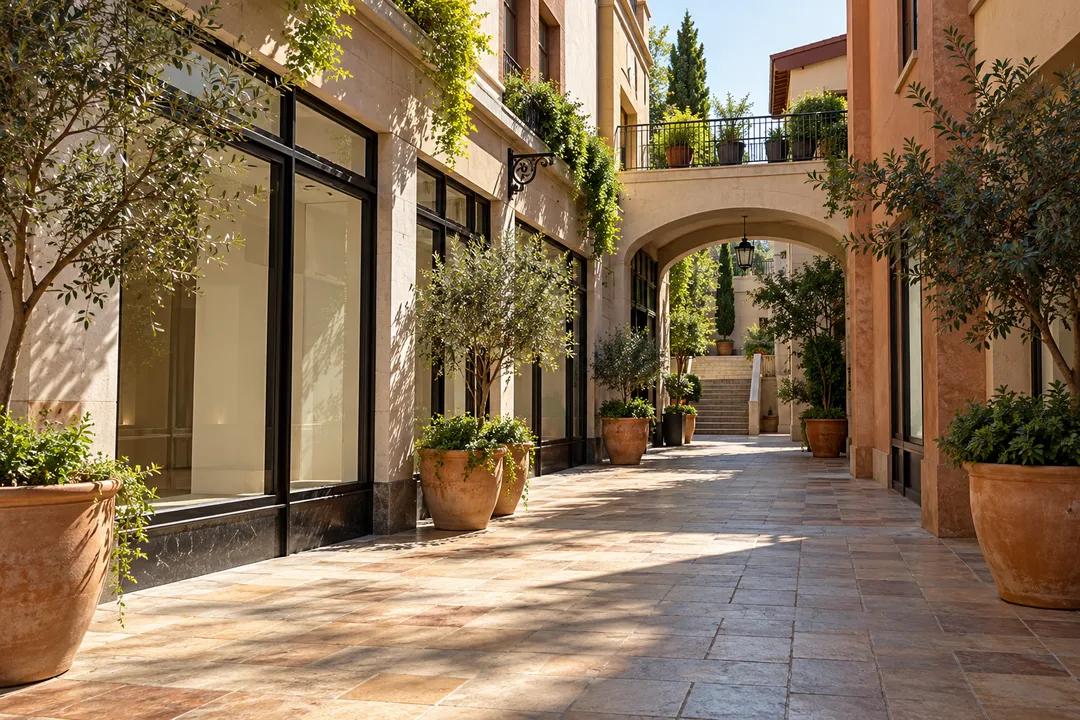
Karpo's public site presents local discovery through a conversation and includes Los Angeles among its city links. You can use that starting point to explain a park-once preference without assuming a dedicated parking feature. The accompanying photographs are AI-generated neighborhood illustrations. Open the Karpo APP, choose the afternoon you want, and ask for possibilities that fit one area. Keep the return to your chosen starting point in view, and let a compact, enjoyable walk be the whole outing.
Ask Karpo for more information.
Keep reading
- Los Feliz Nail Salon Walk In Finder for Broken Nail Repair
 Highland Park Nail Salon Walk In Finder for Retro Manicures
 Koreatown Nail Salon Walk In Finder for K-Beauty Nail Looks