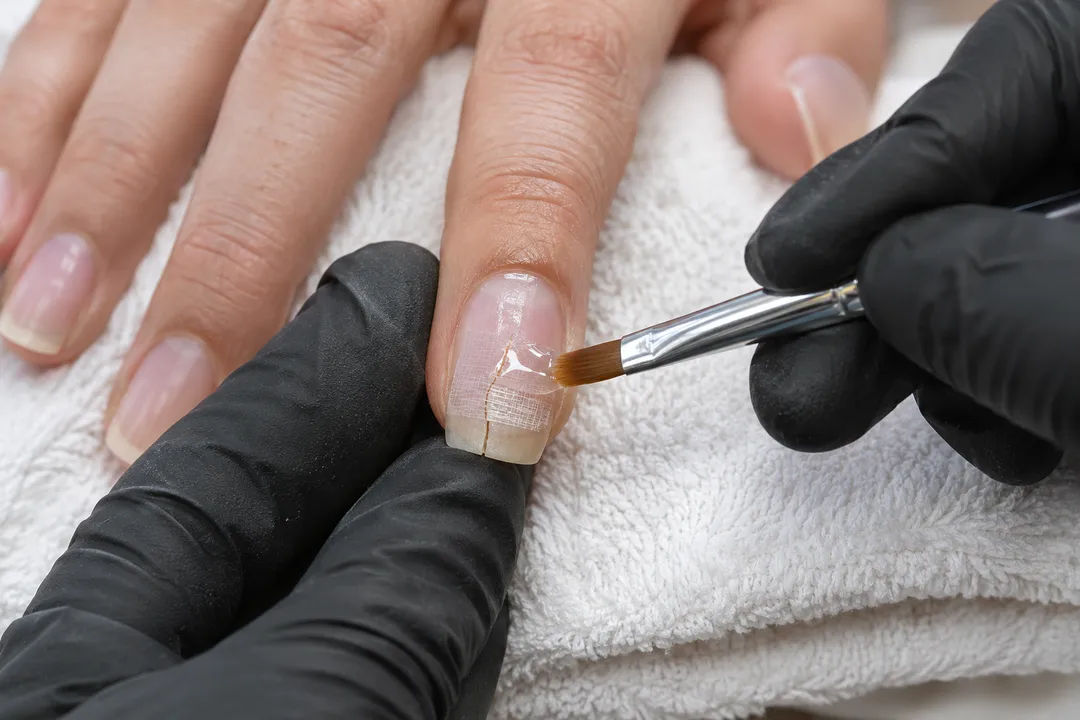
 Los Feliz Nail Salon Walk In Finder for Broken Nail Repair
Neighborhood Guides

LA Neighborhood Itinerary Builder: 3 Stops for a Catch-Up
Plan an LA neighborhood catch-up around conversation, with a seated main stop, a brief change of scene, and an optional finish that leaves room to listen.
For an LA afternoon built around conversation, tell the Karpo APP what would let you hear each other and how much activity you want between pauses. A neighborhood itinerary builder request can start with a seated catch-up, a short stretch outdoors, and an optional finish. Describe quiet as a preference with concrete meaning: fewer interruptions, no entertainment as the main event, or room to linger over one activity. That gives your planning conversation a clearer direction than simply asking for somewhere nice.
Say what a good conversation needs
Two old friends catching up after months apart may want a different afternoon from colleagues discussing a difficult decision. One pair might enjoy people around them, while the other would prefer fewer distractions. Explain the occasion in ordinary language. You do not need to share private details to say that listening matters more than sightseeing. The useful information is what kind of setting you want to seek, how long you hope to spend together, and whether food belongs at the center.
Try: “We want an LA neighborhood outing for a long catch-up. Suggest a seated first stop and an easy change of scene afterward. We care more about talking than visiting several places.” Add your actual area if it is already decided. If it is not, ask for a small choice of areas suited to that style of afternoon. The request expresses a preference. It does not certify the noise level of any future suggestion.
Translate quiet into choices you can make
“Quiet” can mean no amplified music, less social interaction, a sheltered place to sit, or simply an activity that does not compete for attention. These are different priorities. Tell Karpo which one matters most to you. If you enjoy a lively backdrop but dislike interruptions, say that. If you want to walk side by side rather than face each other across a table, make that part of the brief. Specific preferences help you recognize a useful recommendation when you see it.
Avoid treating a neighborhood name or an attractive photograph as an acoustic measurement. This article supplies no sound readings, crowd forecasts, or claims about particular venues. Once suggestions appear, assess the actual descriptions and the experience being offered. An event can be interesting yet work poorly for the conversation you want. Skip an activity that would repeatedly split your attention, even if it would be an excellent destination on a different afternoon.
Let one seated stop carry the plan

A conversation does not need a new setting every few minutes. Choose one main activity where you intend to spend most of the time together. In your message, explain whether you want a meal, a small treat, or no purchase as part of that activity. A personal spending boundary can help frame the request, but it is not a quoted menu price. Keep the recommendation task focused on the role of the stop instead of collecting an exhaustive list of nearby places.
Imagine arriving with a friend who has a lot to tell you. Beginning with a substantial activity that demands concentration could leave the conversation squeezed into the gaps. A simpler first stop may fit better. That is an editorial judgment about this example, not a rule for every friendship. Tell Karpo whether the activity should begin the conversation gently, create a pause in it, or provide something to discuss. The same category of destination can serve very different purposes.
Use the walk as a change of rhythm
The outdoor part can be brief and optional. Its job might be to stretch after sitting, give a sensitive conversation breathing room, or let an enjoyable topic continue without ordering anything else. Describe that purpose when requesting nearby possibilities. You can say that you want a stroll rather than a destination hunt. Keep your own walking tolerance in the message, and mention if one person would rather spend most of the afternoon seated.
Ask for an ending that feels natural from the area you have selected. A route description in this conversation is an idea for an outing, not an audited accessibility assessment or a measured journey. If stairs, slopes, surfaces, or rest opportunities are essential to your decision, state the precise need in the request. Treat any information supplied about those features on its own merits. The photographs accompanying this article depict imagined neighborhood scenes and establish none of those details.
Make room for a different kind of pause
Sometimes the conversation becomes intense, and a light browse can give both people something else to look at. At other times, entering a shop would interrupt exactly the exchange you came to have. Decide which kind of pause you tend to appreciate. You can request a low-pressure browsing idea while making clear that buying is unnecessary to your goal. That is your preference for the outing, not a promise that a named business offers unrestricted space or services.
A helpful follow-up might read: “Keep the main stop, but replace the second activity with something where we can look around without following a performance.” Another pair could ask for the opposite: “We would like a short shared activity to break up the talking.” Both requests retain the main purpose while changing the rhythm. They are examples you can adapt. Karpo's public invitation to “Ask Karpo” supports a conversational starting point, without establishing a dedicated quiet-place filter.
Have a graceful way to shorten the afternoon
If the setting feels too distracting when you arrive, agree with your friend about the next decision. You might prefer to move directly to the planned walk or end after the main activity. Avoid turning an imperfect first choice into a search marathon. A long series of alternatives can consume the attention you wanted to give each other. A simple fallback chosen in advance gives the afternoon another shape without requiring a list of guaranteed empty places.
Changes in energy matter as much as changes in location. One person may be ready to leave after an hour of meaningful conversation, even if the calendar allowed longer. State that early ending is welcome when you ask for ideas. If you return to the Karpo APP during the outing, describe what you have already done and what you want now. The next question can be small, such as a different kind of pause, rather than a complete replacement itinerary.
Practical Notes
Before sending your first request, decide whose conversational needs the plan must serve, where you intend to begin, and whether the afternoon includes eating. Use concrete preferences and keep sensitive personal information out unless you choose to share it. Nothing here claims live monitoring of crowds, music, tables, or street conditions. No business hours, addresses, prices, or phone numbers are asserted. All time allowances are choices for you and your companion to set.
A finished plan can be as modest as one main stop and one optional change of scene. Read it with your friend and ask whether it leaves space for what you actually want to say. If every activity competes with the conversation, remove one. Then open the Karpo APP with the part that still needs a recommendation. The worthwhile outcome is an afternoon organized around listening, with enough structure to begin and enough flexibility to stop.
Ask Karpo for more information.
Keep reading
- Los Feliz Nail Salon Walk In Finder for Broken Nail Repair
 Highland Park Nail Salon Walk In Finder for Retro Manicures
 Koreatown Nail Salon Walk In Finder for K-Beauty Nail Looks